The Different Types of Windows

It can be tough to choose between all the different types of windows. There are more styles than you might expect, and each one opens differently and seals differently (or doesn’t open at all).
A double-hung window slides up and down. A casement swings out on a side hinge. Some windows are perfect for one spot in the house but cause trouble in another. Which one belongs over a kitchen sink you have to lean across to reach? Which one swings out into a walkway and gets in the way? Which one can you clean from inside, and which one sends you up a ladder twice a year? And how many moving parts do you want to maintain?
The answer depends on how you’ll use that window every day, or whether you’ll open it at all. This article compares each type on what it does well, where it fits, and what it costs to own.
What Are the Different Types of Windows?
Residential windows come in roughly a dozen styles, and they divide into three groups by how they open:
- Sashes that slide (single-hung, double-hung, sliding)
- Sashes that crank outward or inward on a hinge (casement, awning, hopper)
- Windows that don’t open at all (picture, transom, most specialty shapes).
A sash is the framed part of a window that holds the glass and either slides or tilts to open and close.
Bay and bow windows are assemblies of these unit types that project out from the wall. Your choice rests on ventilation, accessibility, and what’s outside the window.
Types of Windows That Slide
Single-Hung Windows
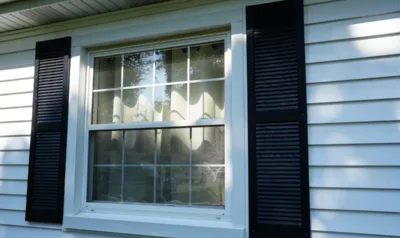
Two sashes stacked vertically, and only the bottom one moves. The upper sash is fixed in place.
It’s the least expensive operating window and the most common in new construction budgets. Ventilation is limited to the lower half of the opening, and cleaning the outside of the top sash means going outside with a ladder. On the ground floor, it’s a minor nuisance. On a second story, it’s the reason people put off cleaning their windows.
Double-Hung Windows
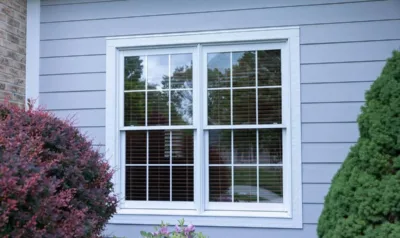
Two sashes stacked vertically, and both sashes move. Most modern double-hungs also tilt inward, so both panes can be cleaned from inside the room.
That tilt feature is the most useful upgrade in ordinary windows, and it’s why double-hung is the default recommendation for bedrooms and upper floors. Opening the top sash also ventilates differently from opening the bottom: warm air near the ceiling leaves through the top gap while cooler air comes in the bottom, which helps move more air around. The tradeoff is more moving parts, so the balances that hold the sashes in position are the components most likely to need service.
Sliding or Gliding Windows
Sashes that move horizontally in a track. One panel slides past the other.
Sliders suit openings that are wider than they are tall, which is why they show up in basements, over kitchen counters, and in mid-century homes. There’s no crank and no balance mechanism, so there’s less to wear. The weakness is the track, which collects dirt and needs the debris cleared out of it or the window gets progressively harder to move. Weather sealing on a slider also generally isn’t as tight as on a window that clamps shut against a frame.
Types of Windows That Crank
Casement Windows
Hinged at the side and crank outward like a door.
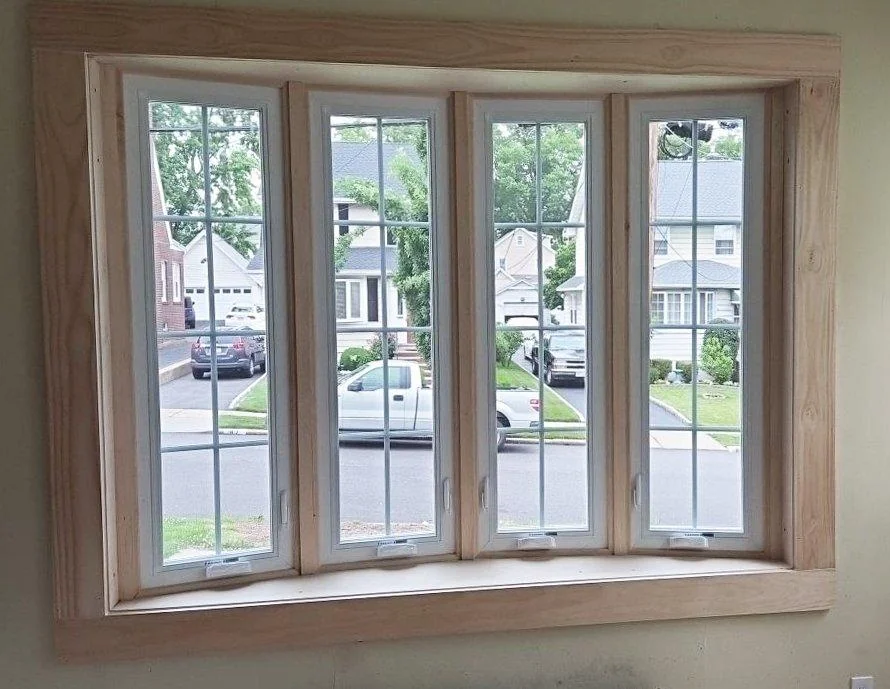
A casement is one of the best window types for good ventilation because the entire opening clears and the open sash catches passing air and directs it inside. It also seals the tightest: the sash pulls into the frame and compresses against the weatherstripping all the way around, rather than resting in a track. That combination makes it a great solution for energy performance.
The drawback is what happens outside the wall. An open casement projects into the space beyond the wall, so installing one that opens to a walkway, a patio, or a deck puts a sash in the path of anyone walking past. The crank operator is also a mechanical part under load, and it’s the piece that eventually needs service.
Awning Windows
Hinged at the top, cranking outward from the bottom, so the open sash forms a small canopy.
An awning window can stay open in light rain, thanks to the canopy. It’s the standard choice high on a wall for privacy plus ventilation. Awning windows are common in bathrooms, and can be paired with a fixed picture window to add airflow without breaking up the view.
Hopper Windows
Hinged at the bottom and swinging inward, so it’s an awning window upside down.
Hoppers are almost always basement windows, and occasionally bathroom windows. Because they open into the room rather than out of it, they don’t need clearance outside, which is perfect if you’re installing an egress window below grade next to a window well (although not all hopper windows can work as egress windows).
Windows That Don’t Open
Picture Windows
A fixed pane in a frame. No sash, no hardware, no opening.
With nothing to seal against and no moving parts, a picture window is the most energy-efficient and the most trouble-free window you can buy, and it’s usually the cheapest per square foot of glass. It gives you the largest unbroken view. It also gives you no ventilation at all and no way out, which is why it’s typically flanked or topped by an operating window in any room where people spend time.
Transom Window
A short window above a door or another window. Some are fixed, some are hinged.
Transoms help let in daylight high on a wall where a full window won’t fit, and they’re a common way to add height and light to an entry without changing the door.
Specialty and Architectural Windows
Arches, circles, octagons, trapezoids, and the triangles that fill the ends of a vaulted ceiling.
Nearly all are fixed. They’re built to match a specific opening, they cost more than a rectangle, and they take longer to order.
Windows That Project From the Wall
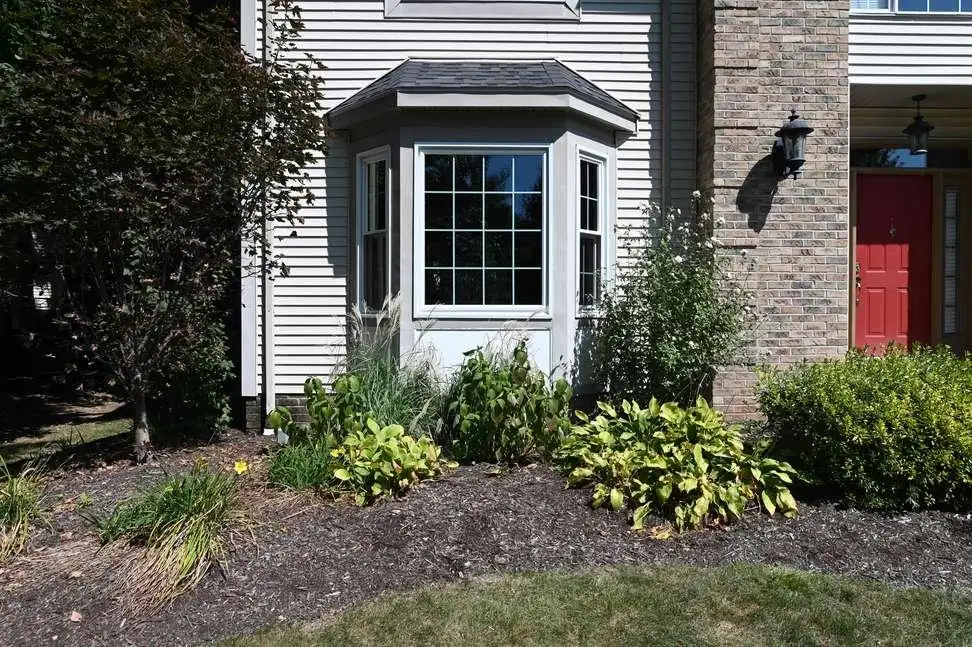
Bay Windows
Three units angled out from the wall, usually a large fixed pane in the middle with operating windows on the flanking sides. A bay window adds floor space, a deep sill, and light from three directions.
Bow Windows
The same idea with four or more units in a gentle curve rather than three at angles. It’s softer visually and wider, and it costs more than a bay window because there are more units.
Both bay and bow windows are structural projects, not just window swaps. Because they extend beyond your exterior wall, they require framing, a roof over the projection, and flashing, which is why they’re priced and scheduled differently from every other window on this page.
Garden Windows
A small box that projects out with glass on the top and sides, like a miniature greenhouse over a sink. Usually found in kitchens, and great for sun-loving plants.
Comparing the Types of Windows Side by Side
| Style | How it opens | Ventilation | Cleaning from inside | Relative cost | Watch out for |
|---|---|---|---|---|---|
| Single-hung | Bottom sash slides up | Half the opening | No | Lowest | Outside of the top sash |
| Double-hung | Both sashes slide, tilt in | Half, but top and bottom | Yes | Low to moderate | Balances wear over time |
| Sliding | Sashes slide sideways | Half the opening | Usually | Low | Track collects debris |
| Casement | Cranks outward on a side hinge | Full opening | Yes | Moderate to high | Swings into outside space |
| Awning | Cranks outward from the bottom | Partial, works in rain | Yes | Moderate | Low clearance below it |
| Hopper | Swings inward from the bottom | Partial | Yes | Low to moderate | Opens into the room |
| Picture | Doesn’t open | None | Outside face needs access | Low per square foot | No ventilation, no egress |
| Transom | Fixed or hinged | Minimal | Hard to reach | Moderate | Height makes service awkward |
| Bay or bow | Flanking units operate | Depends on the flanks | Center pane is deep to reach | Highest | Structural work, roof and flashing |
| Garden | Side panels usually open | Minimal | Awkward | High for the size | Sun and heat on whatever’s inside |
| Specialty shape | Usually fixed | None | Depends | High | Long lead time to replace |
Which Window Belongs in Which Room?
Over the kitchen sink: Casement windows, because it’s easier to reach across the counter and turn a crank than to lean over to push up a heavy sash. A slider works too if the opening is wide and low.
Bathrooms: Awning windows, because they can be placed high on the wall. Privacy from the height, ventilation that survives a rainstorm, and no sightline from outside.
Bedrooms: Double-hung windows are best. If you’re replacing your windows, check the egress requirement before you order anything. The International Residential Code requires every sleeping room to have at least one emergency escape opening, with a net clear opening of not less than 5.7 square feet and minimum dimensions of 24 inches high by 20 inches wide. That rule restricts style and size options for a bedroom window, because a slider or a double-hung has to be considerably larger than a casement to clear the same opening. Confirm with your local building department if you’re unsure.
Basements: Hopper or slider windows, because they fit short, wide openings. If the basement has a bedroom or is finished as living space, the egress rules apply down there too.
Above a walkway, patio, or deck: Slider, double-hung, or fixed pane windows are best. An open outswing sash where people walk is a hazard, so avoid casement windows (or awning windows at head height).
Living rooms (and any room with a view): A picture window with operating units on the sides or below will let you keep the view and still get airflow.
Types of Window Frame Materials and Glass Packages
Style refers to how a window works. Frame material and glass package decide how it performs and what it costs.
Vinyl frames are the most common replacement choice because they cost less and need little maintenance. Fiberglass costs more and moves less with temperature. Wood and wood-clad cost the most.
On the glass side, the number of panes, the coating, and the gas fill between the panes all contribute to performance. Energy Star’s residential window criteria set performance thresholds that vary by climate zone, which is why the best glass package in Michigan isn’t the right one in the Carolinas.
How Window Type Affects Lifespan and Service
The more moving parts, the more there is to maintain. Fixed windows outlast operating ones because there’s nothing to wear down. Among operating windows, the parts that wear are predictable: balances on hung windows, crank operators on casements and awnings, rollers and tracks on sliders, and on any style, the seal around an insulated glass unit (which is quick to diagnose by fog visible between the panes).
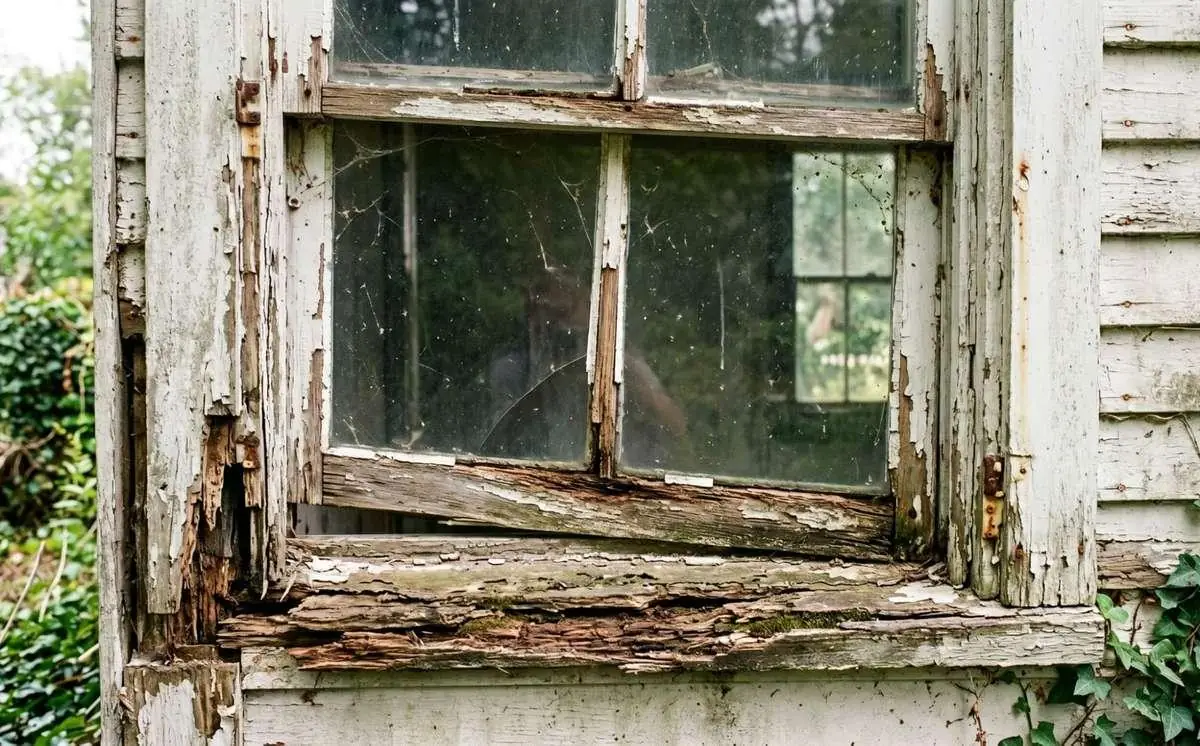
That doesn’t mean you should only buy fixed windows. You may just need to expect to eventually need to service operating windows. The window’s lifespan depends more on the quality of the product and the installation than on the style.
Find Out Which Type of Window is Best for Your Project
Home Genius Exteriors installs ProVia replacement windows, including double-hung, slider, casement, awning, picture, and garden styles. A Home Remodeling Expert measures each window, checks the frame and sill for rot or water damage, and tells you which style and glass package fit that spot and your budget. The installation is covered by the Genius Limited Lifetime Warranty, and the windows themselves by ProVia’s manufacturer warranty. Schedule your free consultation today.
Frequently Asked Questions
What are the four main types of windows?
Windows that slide (single-hung, double-hung, sliding), windows that crank open on a hinge (casement, awning, hopper), windows that don’t open (picture, transom, specialty shapes), and windows that project out from the wall (bay, bow, garden). Nearly every residential window falls into one of those four groups.
What are the 8 types of windows?
Single-hung, double-hung, sliding, casement, awning, hopper, picture, and bay/bow. You’ll also find transoms, garden windows, and specialty architectural shapes. Whether they have sliding sashes, crank-out sashes, fixed glass, or assemblies that project out from the wall, windows come in many types.
What are the best windows to put on a house?
It depends on the opening. Casements ventilate best and seal tightest, so they suit kitchens and any room where efficiency is the priority. Double-hungs tilt in for cleaning, which makes them the practical choice for bedrooms and upper floors. Picture windows don’t open, so they belong where you want to prioritize the view over airflow.
What is the cheapest style of windows?
Single-hung is the least expensive operating window, because only one sash moves and there’s less hardware to build. Per square foot of glass, a fixed picture window is usually even cheaper since it has no sash or moving parts at all. Frame material and the glass package affect the price more than style.