The Best Replacement Windows for Your Home
The best replacement windows don’t always come from the most advertised brand. Plenty of homeowners spend weeks comparing online reviews only to realize that the window itself accounts for just half the equation. The other half? Proper installation, climate-appropriate glass performance, and a warranty that actually holds up when something goes wrong ten years from now.
A well-known name on the frame says nothing about whether the installer sealed the opening correctly, whether the glass package suits your climate zone, or whether the warranty language actually covers the failure you’re most likely to encounter a decade from now. But there are definitely some key differences between brands, and we’ll cover those here, along with other things to consider when you’re replacing your windows.
What Makes the Best Windows for Your Home?
“Best” depends on your house and your climate. A window that performs beautifully in coastal Virginia might underperform in upstate New York. Every high-quality window shares a few non-negotiable traits you should evaluate before comparing brands. Check how long windows last against the upfront cost before you decide.
Frame material determines how well the window insulates and how long it lasts. That’s only one factor, since the different types of windows you choose also affect how a home looks and functions. Vinyl and fiberglass lead in low-maintenance durability, while wood offers classic aesthetics at a higher upkeep cost. We’ll compare these in detail later.
Glass performance is where most of your energy savings come from. Skylights use similar glass technology, so check the skylight installation cost before you finalize your window budget. Two numbers matter most: U-factor (how well the window resists heat transfer) and Solar Heat Gain Coefficient (SHGC), which measures how much solar radiation passes through the glass. Lower U-factor means better insulation. The right SHGC depends on your climate and which direction your windows face.
Energy Star certification tells you the window meets minimum performance thresholds for your climate zone. This is a reliable baseline, but not a ceiling. Warranty coverage varies widely between manufacturers, so read the fine print on glass seal failure and transferability. Lastly, installer quality ties everything together. A premium window installed poorly will leak air, void warranty terms, and underperform a mid-range window installed correctly.
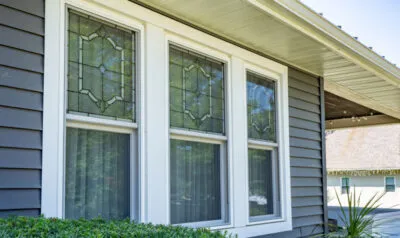
[IMAGE: A newly installed window with clean interior trim and natural light streaming through — source from HGE Photoshoot folder in Drive (folder ID: 1C5SVqY2gFCfLcaVqEdchzG5eBPDz49F8)]
Top Window Brands
No single brand wins every category. Here’s a look at five manufacturers and where each one fits.
Andersen
Andersen is probably the name you’ll encounter first. They offer a wide product range across multiple price tiers, from the budget-friendly 100 Series to the premium A-Series. Their Fibrex composite material is a proprietary blend of wood fiber and polymer. Andersen’s brand recognition is strong, but that name carries a price premium, and not every product line delivers the same level of performance. $$
Pella
Pella competes directly with Andersen in the mid-to-premium space and is known for between-the-glass blinds and shades, which reduce dust and allergen buildup. Their wood and fiberglass lines look good and offer solid customization. $$
Marvin
If you’re restoring a historic home or need custom replacement window shapes and sizes, Marvin is often worth the investment. Their Ultrex fiberglass frames are exceptionally durable. The trade-off is cost and lead time. For a standard double-hung replacement in a 1990s colonial, you may be paying for craftsmanship you don’t fully need. $$$
JELD-WEN
JELD-WEN occupies the value end of the spectrum. They offer vinyl and wood options at lower price points, making them accessible for whole-house replacement projects on tighter budgets. Quality is respectable for the price, though warranty coverage and glass packages typically don’t match the higher-tier brands. $
ProVia
ProVia has built a reputation for engineering quality that rivals or exceeds national brands such as Renewal by Andersen, at a more competitive price point. Home Genius Exteriors is a ProVia Premium Authorized Retailer, which means access to the full ProVia product catalog, factory-direct support, and warranty backing.
ProVia also offers extensive customization, including grid patterns, hardware finishes, and exterior color options. Installed cost for ProVia windows typically falls in the mid range: roughly $400 to $1,200 per window depending on product line, size, and configuration. $$
ProVia Product Lines: Endure™, EcoLite™, and Aspect™
ProVia offers three distinct product lines, each designed for different needs and budgets.
The ProVia Endure™ line is their flagship. It’s built for homeowners who want maximum energy performance and long-term durability without compromise. The Endure series features heavy-duty vinyl frames and the most advanced glass packages ProVia offers. Terms like frame, sash, and glass package are easier to evaluate once you know the different parts of a window. If you’re replacing windows in a home you plan to keep for decades, this is the line for you.
The ProVia EcoLite™ line hits the sweet spot for homeowners who want strong energy performance at a lower installed cost. It still delivers Energy Star-level performance, but trims some of the premium features found in the Endure series. For whole-house replacements where budget matters, the EcoLite line is hard to beat on value.
The ProVia Aspect™ line focuses on aesthetics and customization. It offers a wider range of exterior colors and interior woodgrain finishes. If your home’s curb appeal matters as much as energy savings, Aspect gives you design flexibility that most vinyl window lines can’t match.
ComforTech™ Glazing and INNERGY® Reinforcement
Two technologies set ProVia apart from most competitors. The ComforTech™ Glazing System combines multiple performance features into one glass package: low-E coatings, gas fills (argon or krypton), and warm-edge spacer systems working together. Instead of choosing individual upgrades à la carte, you get an integrated system engineered to maximize thermal performance as a unit.
INNERGY® Thermal Reinforcement replaces traditional metal reinforcement inside the vinyl frame with a patented composite material. Metal reinforcements in standard vinyl windows create thermal bridges, essentially conducting cold (or heat) right through the frame. INNERGY eliminates that weakness. It’s one of those details most homeowners never see, but it directly affects comfort near the window and long-term energy costs.
The Best Window Types for Every Room
Choosing the right window style for each opening affects ventilation and daily usability.
Double-Hung Windows
Double-hung windows are the most popular choice for bedrooms, living rooms, and hallways. Both sashes slide up and down, and most modern double-hungs tilt inward for easy cleaning. They work in almost any room and suit traditional home styles especially well.
Casement Windows
Casement windows hinge on one side and crank open outward, creating a wide opening that catches breezes effectively. They seal tighter than sliding designs because the sash presses against the frame when closed. These are best for kitchens (especially over sinks where reaching a sliding sash is awkward) and bathrooms.
Sliding and Horizontal Slider Windows
Sliding windows move horizontally on a track. They’re a good pick for wide openings where you want maximum glass area without the clearance a casement requires when it swings open. They’re most common in contemporary homes and along patios.
Bay and Bow Windows
Bay and bow windows project outward from the wall, adding interior space and dramatic curb appeal. Bay units typically combine three panels at angles; bow windows use four or more panels in a gentle curve. They’re ideal for living rooms and dining areas where you want a focal point and extra shelf space.
Picture Windows
Picture windows don’t open. They exist purely for unobstructed views and maximum natural light. Use them in rooms where ventilation comes from other windows but you want a wall of glass, like a stairway landing or a great room with a view.
Energy Efficient Replacement Windows
Energy efficiency is one of the best reasons to replace old windows. According to the U.S. Department of Energy, 25% to 30% of a home’s heating and cooling is lost through its windows: a significant chunk of your utility bill escaping through outdated glass and frames.
U-Factor, SHGC, and the NFRC Label
Every replacement window sold in the U.S. should carry a label from the National Fenestration Rating Council (NFRC). This label standardizes performance ratings so you can compare apples to apples across brands.
U-factor measures heat transfer. In the Mid-Atlantic and northern climates, look for a U-factor of 0.30 or lower. How easily a window hits that target is one of the practical differences between double pane vs. triple pane windows. The lower the number, the better the window insulates. SHGC measures how much solar heat passes through the glass. In hotter climates, a lower SHGC (below 0.25) blocks unwanted heat from the sun. In colder climates, a slightly higher SHGC lets beneficial solar warmth in during winter.
The NFRC label also includes air leakage and visible transmittance ratings. Together, these numbers tell you more about real-world performance than any marketing claim. The EPA’s Energy Star program uses NFRC ratings to set certification thresholds. Replacing old single-pane windows with Energy Star-certified models can cut household heating and cooling bills by up to 13%.
Comparing Window Frame Materials
Frame material affects price, insulation, and how much time you’ll spend on maintenance. Let’s compare vinyl, fiberglass, wood and composite:
| Material | Pros | Cons | Price Tier |
|---|---|---|---|
| Vinyl | Low maintenance, good insulation, affordable | Limited color options (but improving), can warp in extreme heat | Budget to mid tier |
| Wood | Classic appearance, excellent insulation, paintable | Requires regular painting/staining, susceptible to rot | Mid tier to premium |
| Aluminum | Strong, slim profiles, modern look | Poor insulator (conducts heat), prone to condensation | Mid tier |
| Fiberglass/Composite | Extremely durable, low expansion/contraction, strong insulation | Higher cost, fewer manufacturer options | Mid tier to premium |
For most homeowners in the Mid-Atlantic region, vinyl offers the best balance of performance and low maintenance. Fiberglass is worth the upcharge if you want a frame that won’t expand or contract with temperature swings. Aluminum works for a specific modern aesthetic but needs to be paired with high-performance glass to offset its thermal weakness.
Traditional windows look beautiful but require the most upkeep. If you aren’t committed to repainting or restaining every few years, wood frames will punish that neglect with peeling and eventual rot.
Why Installation Quality Matters as Much as the Window Brand
A $900 window installed incorrectly will underperform a $500 window installed by a skilled crew. This is the most underappreciated factor in window replacement.
Professional installers measure each opening individually. No two window openings in your home are exactly the same size, even if they look identical. Accurate measurements will have the new window fit snugly without gaps that compromise insulation and invite water intrusion.
After setting the window, proper sealing involves shimming, insulating around the frame with low-expansion foam, and flashing the exterior to prevent water penetration. Skip any of these steps and you’ll feel drafts, see condensation between panes sooner than expected, and potentially deal with mold behind the drywall.
Warranty Implications
Most manufacturer warranties require professional installation by an authorized dealer or certified installer. If an uncertified crew installs your windows, it may void the warranty entirely. This is one reason why you should always purchase replacement windows through a Premium Authorized Retailer like Home Genius Exteriors: so the warranty chain stays intact from factory to installation.
Ask any installer about their process before signing a contract. A reputable company will walk you through their measurement protocol, materials used for sealing, and cleanup procedures.
How to Choose the Best Windows for Your Home
After evaluating brands, materials, glass performance, and installers, here’s your checklist:
- Start with Energy Star certification as your baseline. Any window you consider should meet your climate zone’s Energy Star requirements at minimum.
- Match frame material to your lifestyle. If low maintenance is the priority, vinyl or fiberglass. If a certain aesthetic is the goal, wood or composite. If budget is tight, quality vinyl delivers excellent value.
- Check the NFRC label and compare U-factor and SHGC numbers across the specific models you’re considering, not just brand averages.
- Read the warranty carefully. Look for coverage on glass seal failure and whether coverage transfers if you sell the home.
- Prioritize installer quality. Get at least two quotes, ask about their installation process, and make sure they’re authorized by the window manufacturer.
- Budget realistically. Expect to spend $400 to $1,200 per window installed. Whole-house projects often qualify for volume pricing.
Don’t let brand loyalty override performance data. A lesser-known brand with superior engineering and certified local installation will outperform a household name installed by a general handyman every time.
Your Next Step Toward Better Windows
Choosing the best replacement windows for your home comes down to matching the right product, the right installer, and the right budget to your specific situation. No guide replaces a hands-on assessment of your current windows, your home’s air sealing, and your energy goals.
Contact Home Genius Exteriors for a free estimate to find out exactly where your home is losing energy and which window solutions make the most sense for your needs.
Frequently Asked Questions
What brand of replacement windows are the best?
It depends on your budget, climate, and priorities. Andersen, Pella, and Marvin are the most recognized names and cover a wide range of price tiers. ProVia is our recommendation for homeowners who want premium engineering without the national-brand markup. The installer matters as much as the brand, so buying through a certified dealer (like a ProVia Premium Authorized Retailer) protects your warranty and guarantees proper installation.
Are Pella or Andersen windows better quality?
Both are solid mid-to-premium brands and compete closely on most metrics. Andersen has a wider product range and strong name recognition. Pella is known for design details like between-the-glass blinds and competitive fiberglass options. The right choice depends on the specific product lines you’re comparing, your local dealer’s quality and your climate, not the brand name alone.
Should I choose full-frame replacement or insert windows?
Insert (pocket) replacements are typically faster and less disruptive when the existing window frame is sound. Full-frame replacement is the better fit if you have rot, water damage, or want to change the window size or configuration.
How do I know if my home needs new windows or just repairs?
If you see rotted frames, failed panes (fogging between the glass), or persistent drafts despite weatherstripping, replacement usually makes more sense than repeated fixes. If the issue is limited to hardware or minor air leaks, a targeted repair can be a cost-effective short-term solution.
Will replacement windows reduce outside noise?
Yes, but noise reduction depends more on glass construction than the frame alone. Ask about laminated glass and multi-pane configurations, and request sound ratings (STC) if reducing road or neighborhood noise is a priority.
What financing options are common for replacement windows?
Many homeowners use promotional financing or home equity options depending on credit and project size. Compare the APR, term length, total repayment, and whether the offer includes a deferred-interest clause that could increase costs later.
What should I ask during a window estimate to avoid surprises?
Confirm exactly what is included: disposal, trim work, rot repair allowances, and final inspection. Ask for the model-specific proposal in writing, including glass options, color, hardware, and projected start and completion dates.