Vinyl vs. Fiberglass Windows
Ask two different installers if vinyl or fiberglass windows are better, and you’ll likely get two different answers. One might say fiberglass, because it’s less affected by temperature and can be painted a different color years later. The other might say vinyl, because it’s more affordable and nearly every contractor knows how to install it.
Neither answer is wrong. Fiberglass’s advantages take decades to show, but vinyl’s are there on the day you buy. When you’re deciding between window materials, start with how long you plan to stay in the house.
Vinyl or Fiberglass: Which Should You Choose?
For most homeowners replacing windows, a high-quality reinforced vinyl unit is a better value. But if you’ve got the budget, fiberglass is the stronger material: it’s less sensitive to changes in temperature and it can be painted. However it’s harder to find, and fewer installers work with it.
Whether you choose vinyl or fiberglass, the specific product line and the quality of the installation affect performance more than the material itself.
What are Vinyl and Fiberglass Windows Made Of?
Vinyl is extruded PVC. Molten plastic is pushed through a metal plate with the frame’s shape cut into it, so the plastic comes out already correctly formed and hardens as it cools. It’s then cut and welded into a frame. The hollow chambers inside are why vinyl insulates so well, and a premium line reinforces them so the frame stays rigid.
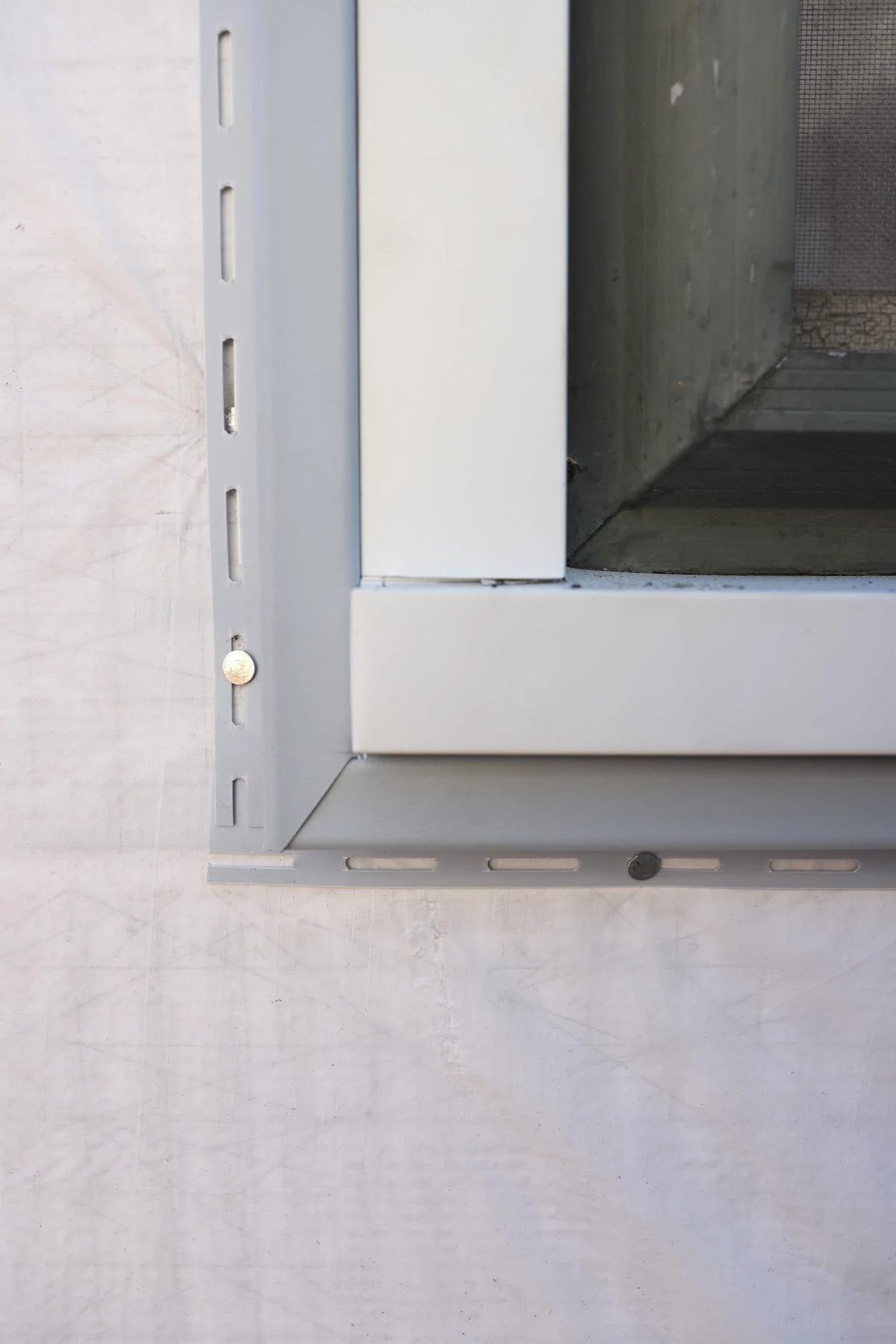
Fiberglass is pultruded. Glass fibers are pulled through a resin bath and a heated die, producing solid lengths of glass strands locked in resin. Glass fibers are strong and barely expand with heat, which is where fiberglass gets both its rigidity and its dimensional stability.
Vinyl vs. Fiberglass Windows
| Vinyl | Fiberglass | |
|---|---|---|
| Upfront cost | Lower | Higher |
| Thermal performance | Good, hollow chambers insulate | Good, less frame conduction |
| Expansion and contraction | Affected by temperature | Not affected much by temp. |
| Structural strength | Good, better when reinforced | Higher |
| Sightlines | Wider frames for the same glass | Slimmer frames possible |
| Paintable | Generally no, color is through the material | Yes |
| Dark colors | Limited, absorbs heat | Handles dark finishes better |
| Availability | Widely available, short lead times | Fewer product lines, longer waits |
| Installer familiarity | Nearly universal | Less common |
| Expected service life | Long | Generally longer |
Why Choose Fiberglass Windows
Less sensitive to temperature changes: Fiberglass expands and contracts far less than vinyl as temperature swings. Over years of cycling, less movement means less stress on the seals around the glass.
Stronger and slimmer: Fiberglass frames can be slimmer while keeping their strength, so you get more glass and less frame. On a large window, you get a visible difference.
They can be painted: Fiberglass takes paint, so you’re able to make a color change later. Vinyl’s color runs through the material, which means it never needs painting…but it also means you’re committing to that color.
Dark colors hold up better: Dark vinyl absorbs heat, and that heat is what makes it expand. Fiberglass handles dark finishes in full sun better.
Why Choose Vinyl Windows
They’re more affordable: This is the big one. Vinyl frames cost roughly $300 to $800 per window before installation, compared with $500 to $1,500 for fiberglass. On a whole-house project, that difference can fund a better glass package or several more windows.
They’re widely available: More manufacturers, more lines, shorter lead times, easier warranty service, and far more installers who work with it every day.
Low maintenance: No painting, ever. Fiberglass that has been painted eventually needs repainting.
Good insulation: Those hollow chambers trap still air, and still air insulates.
What Makes a Premium Vinyl Window Different from Cheap Vinyl
Vinyl’s cheapest frames are thin: they flex, they expand/contract with temperature, and they lose heat through chambers too large to keep the air inside still. But a premium reinforced vinyl line is different on all three counts.
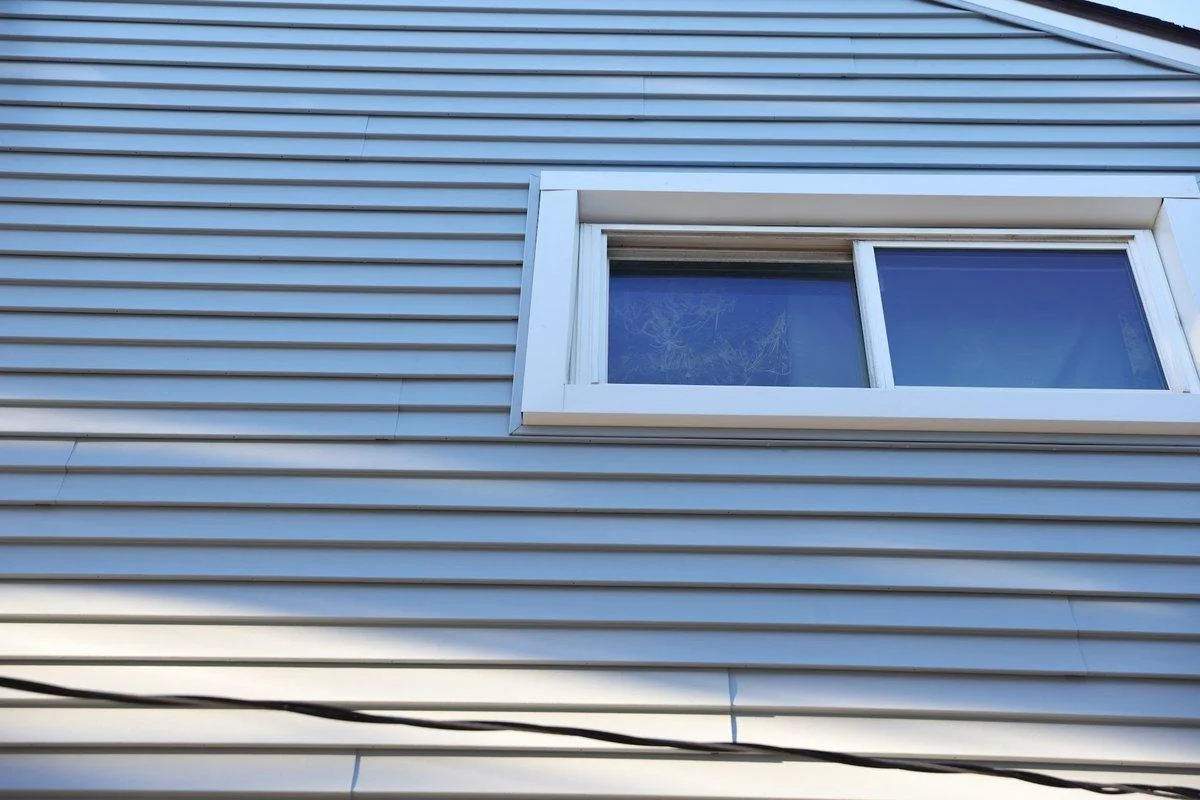
The specific answer is structural reinforcement inside the hollow chambers. Home Genius Exteriors installs ProVia windows, whose INNERGY thermal reinforcement is a composite with 700 times the insulating value of aluminum.
The traditional way to stiffen a vinyl frame was to drop an aluminum bar into the chamber, which added rigidity and a thermal bridge straight through the insulating cavity. A composite reinforcement adds the rigidity without the bridge. ProVia’s Endure line also fills the frame cavities with rigid graphite foam, which keeps the air inside from circulating.
“Vinyl” isn’t one product, so ask the contractor to explain which type they’re quoting.
Why Aren’t Fiberglass Windows More Popular?
If fiberglass is the stronger material, why does it hold such a small share of the market?
- Fiberglass windows cost more to make. Pultrusion is slower than extrusion and the raw materials cost more.
- Fewer manufacturers offer it, so fewer dealers carry it and fewer showrooms display it.
- Installers are less familiar with fiberglass as a result. They may install the products less confidently, and installation quality has a larger effect on a window’s performance than the frame material.
The market, more than the material, keeps fiberglass niche: it’s the harder window to buy, and the harder one to have someone service.
What Determines a Window’s Performance
Three things determine how a window performs in your house:
- The glass package. Most heat moves through the glass, not the frame, because the glass makes up the bulk of the window. Panes, coatings, gas fill, and spacer type determine the window’s energy efficiency. ProVia’s ComforTech glass and edge glazing system is graded for this reason, offering different R-values and U-factors rather than a single option.
- The installation. A high-performance window installed out of square, poorly insulated at the perimeter, or badly flashed will underperform a mid-range window installed properly.
- The product line. Manufacturers make good and bad windows in both materials. It isn’t as simple as comparing vinyl to fiberglass in the abstract sense.
Check the performance numbers. The key product criteria for certified windows vary by climate zone, and that’s the best way to compare two quotes: look at U-factor and Solar Heat Gain Coefficient for your zone, from either material.
Vinyl or Fiberglass Windows: Which Is Right for You?
Budget-driven, or a whole-house project: Vinyl. The savings across a whole house buy a better glass package, which does more for comfort than the frame material.
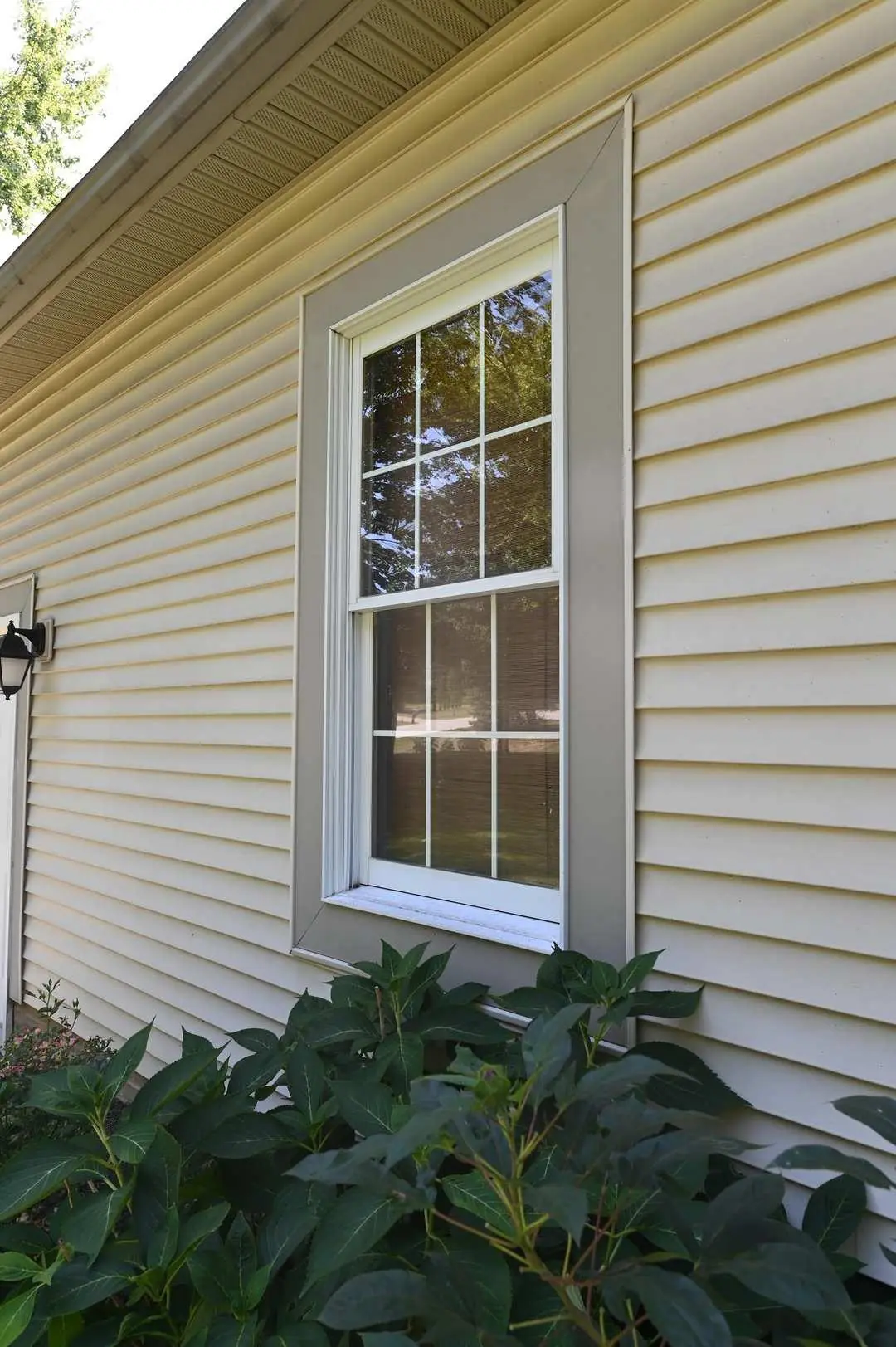
Staying a long time in a harsh climate: Fiberglass moves less with temperature over decades, though a premium reinforced vinyl line comes close.
You want a dark exterior color, or you might repaint: Fiberglass.
Large windows with slim sightlines: Fiberglass, where frame strength lets you have a larger glass-to-frame ratio.
You want it done soon, installed by people who work with that product regularly: Vinyl.
A historic home with specific requirements: Check your local rules before choosing anything.
Our Recommendation on Vinyl vs. Fiberglass Windows
You can’t go wrong with a premium reinforced vinyl window, fitted with the right glass for the local climate. Even better, vinyl comes at a low enough price to replace all windows on the house at once.
Whichever material you choose, the best replacement windows come from a good line installed correctly. A typical window lifespan is 20 to 40 years for vinyl and 30 to 50 for fiberglass, and the glass seal usually needs replacing before the frame does. On a whole house, window replacement cost is $5,000 to $18,000 for 10 to 15 windows, and vinyl costs less than fiberglass.
Home Genius Exteriors provides a free, no-obligation consultation. A Home Remodeling Expert measures your windows, walks through the glass options for your climate, and gives you a written quote. We install ProVia windows in vinyl and wood/vinyl configurations. Schedule your free consultation today.
Frequently Asked Questions
What are the downsides of fiberglass windows?
Cost is the main one, since fiberglass is more expensive than comparable vinyl. On top of that, fewer manufacturers make it, fewer dealers carry it, and lead times are longer as a result. Fewer installers work with it regularly, and installation quality affects performance more than frame material does. Painted fiberglass will also need repainting eventually, whereas vinyl never does.
What are the disadvantages of vinyl windows?
Vinyl can expand and contract with temperature, and a builder-grade vinyl frame can flex. Its color runs through the material, so it can’t be repainted later, and dark colors absorb heat. A premium reinforced vinyl window (like ProVia) handles the flex and the thermal movement; just choose the color up front.
What is the quality of ProVia windows?
ProVia makes vinyl windows, and they’re the line Home Genius Exteriors installs as a Premium Authorized Retailer. The Endure line reinforces its frames with INNERGY, a composite with 700 times the insulating value of aluminum, fills the frame cavities with rigid graphite foam, and takes ComforTech glass packages rated by U-factor. If you want vinyl’s price with less flex, ask about that line.
How much do vinyl windows cost vs. fiberglass windows?
Vinyl is the less expensive frame. A typical vinyl replacement window costs about $300 to $800 for the window, while fiberglass costs about $500 to $1,500 before installation. Glass package, size, and installation difficulty can change the installed price, so compare quotes line by line.