Replacing Windows in an Old House
Replacing windows in an old house often means working with frames that have shifted over the years and window panels painted shut under coat after coat of old paint. Those conditions change how each window comes out, what goes back in, and who’s allowed to do the work.
Older homes were framed, painted and trimmed to standards that no longer apply, and the replacement has to work around all of it. To plan the job, start with what sets an old house apart.
Table of Contents
- What Makes Replacing Windows in an Old House Different?
- Replace or Restore: Which Fits Your House?
- When to Repair vs. Replace Old or Historic Windows
- Two Ways to Replace Windows in an Old House
- Lead Paint and Replacing Windows in Older Homes
- Physical Challenges in an Old House
- Historic Districts, Homeowner Associations, and Permits
- How to Keep Your House’s Original Style
- Measurements and Code Checks Before Installation
- Why the Work Belongs With a Certified Contractor
- Schedule a Window Inspection for Your Old House
- Frequently Asked Questions
What Makes Replacing Windows in an Old House Different?
Replacing windows in an old house means working around frames that have settled out of square, original wood construction, hollow channels hidden behind the trim, and paint that may contain lead. The right approach for your house depends on each window’s condition and whether a historic district or homeowner association (HOA) has a say in what goes back in.
Replace or Restore: Which Fits Your House?
The answer can differ from one window to the next in the same house.
Replacement makes sense when the wood is rotted through, the window panels no longer stay open, or the glass is single-pane and you need better energy performance.
When restoration is the better choice
When the wood is sound, a window restoration specialist can strip the old paint, replace the broken ropes that hold the window panels up, reseal the glass, and add weatherstripping. In a pre-1978 home, that paint work falls under the federal lead-safe Renovation, Repair and Painting Rule, the same as a replacement, so hire a restoration firm that’s lead-safe certified.
A restoration also preserves the look of the house, which even the best replacement windows can’t fully copy. The thin wooden bars between the original glass panes are narrower than the grilles (the bars that divide the glass) on most modern windows.
Restoration keeps the original single-pane glass, though, so it can’t give you the insulation of a double-pane window.
Storm windows as a middle ground
A contractor can mount a storm window over the outside of each original. The second layer of glass and the air gap behind it cut drafts and make the room more comfortable, while the original panels stay in place.
Storm windows won’t fix a rotted sill or a frame that’s pulled away from the wall, though, and a historic review board may not approve them, because they change how the outside of the house looks.
When to Repair vs. Replace Old or Historic Windows
Condition of the frame and the window panels
A restoration specialist or window contractor checks the sill and the lower sides of the frame by pressing a screwdriver into the wood. If the wood is solid and the tool doesn’t sink in, the frame can likely be saved. If the specialist finds soft, spongy areas or sections that crumble under pressure, the rot has progressed too far for repair to make sense.
The specialist also checks the corners of each moving window panel, where its frame pieces are joined. A loose joint can be glued and pinned in the shop, but when the joints have separated and the wood around them has softened, the panel needs a full rebuild that can cost more than a new window.
Cost comparison over time
Professional window restoration costs $300 to $550 each, depending on the window’s age and condition, and a 16-window job costs $5,400 to $6,600. In a house more than 50 years old, restoration can cost two to three times as much, so ask for a replacement quote too before you decide.
Factor in ongoing care. Restored wood windows need repainting every few years and periodic resealing of the glass, and in a pre-1978 home that work goes to a lead-safe certified painter or restoration specialist. Replacement windows with vinyl frames need almost no upkeep. If you plan to stay in the house for years, ask the restoration specialist what that upkeep costs and add 20 years of it to the restoration price before you compare the two quotes.
Historic preservation requirements
If your home sits in a local historic district, the historic review board may require you to repair rather than replace original windows whenever repair is possible.
Many historic guidelines follow the Secretary of the Interior’s Standards for Rehabilitation, which say a property’s historic character should be preserved and its historic materials kept wherever possible. When a window is too deteriorated to repair, the Standards call for a replacement that matches the old one in design, color and texture and, where possible, in material.
Before you commit to replacement, get the board’s guidance in writing.
Two Ways to Replace Windows in an Old House
Once you’ve decided to replace, the next choice is how the new window goes in.
One method sets a new window inside the old frame and keeps the trim inside and out in place. The other, a full window replacement, removes everything down to the bare framing in the wall, then installs a new frame, new flashing (the waterproof barrier around the window), and new trim inside and out.
The two methods side by side
| Inside the old frame | Full window replacement | |
|---|---|---|
| What stays | Existing frame and trim, inside and out | Only the framing inside the wall |
| Best when | The existing frame is straight, solid, and free of rot | The frame is rotted, out of square, or water-damaged |
| Glass area | Slightly smaller (the new window fits inside the old frame) | Same as original or larger |
| Disruption | Lower; interior walls and exterior siding stay intact | Higher; trim removal, possible plaster or drywall repair |
| Insulation opportunity | Limited to the gap between the new window and the old frame | Full access to insulate around the window |
| Cost | Lower per window | Higher per window |
Both methods in one house
Ask your contractor to check the frame at every window before choosing one method for the whole house.
A solid upstairs frame can stay, with the new window set inside it, while a first-floor frame with a soft sill comes out in a full replacement. For both methods, the price depends on window replacement cost factors such as window size, frame material, and the amount of trim and framing repair.
Lead Paint and Replacing Windows in Older Homes
If your house was built before 1978, the year lead-based paint was banned for home use, the paint on or around your windows may contain lead.
Old paint on window panels and frames turns into lead dust easily, because the friction of opening and closing the window grinds it into fine particles.
The renovation, repair and painting rule
Under the U.S. Environmental Protection Agency’s (EPA) Renovation, Repair and Painting (RRP) program, any firm that performs, offers, or claims to perform work that disturbs paint in a home built before 1978 must become a lead-safe certified firm.
Your crew must also include at least one certified renovator who has completed the EPA’s training course, whether as the installer or as the person training the rest of the crew on site.
The rule requires specific lead-safe work practices during the work. Here’s what that looks like in your home:
- Plastic sheeting covers your floor and extends at least six feet from the window on the interior.
- Your crew seals the work area off from the rest of your house with plastic barriers and tape.
- Exterior ground below your window is also covered to catch debris.
- Your crew uses wet methods (misting surfaces before cutting or scraping) to keep dust down.
- All debris and plastic sheeting go into sealed bags for disposal.
- After the work is done, the certified renovator performs a cleaning check using wet wipes on your windowsills and surrounding surfaces.
How to verify your contractor is lead-safe certified
Ask for the firm’s federal lead-safe certification number before you sign a contract.
You can also search the EPA’s online database of certified firms by zip code. Look the firm up there to confirm their number.
Physical Challenges in an Old House
Beyond lead paint, an old house has physical problems that a newer home rarely has.
Frames that have settled out of square
Foundations shift and floors sag, turning window frames that were once perfectly rectangular into slightly lopsided shapes. A new window padded out to fit a badly warped frame won’t seal well, so your installer measures corner to corner, checks for twist, and sometimes rebuilds part of the framing in the wall before the new window goes in.
Hidden rot and moisture damage
Sills and the lower sides of the frame in older homes often have rot that you can’t see until the trim comes off. If your installer finds soft or crumbling wood behind the trim, that framing needs repair before the new window is set.
Plaster walls and fragile interior trim
Plaster walls take more care during a full replacement than drywall.
Plaster cracks easily when it’s bumped or pried, and plaster repair is a separate trade from drywall patching. Many older homes also have hand-milled interior trim that you can’t buy at a lumberyard, so a careful crew removes it in one piece and puts it back once the new window is in.
Hollow channels and insulation opportunities
Older windows with two panels that slide up and down were balanced by iron weights on ropes, hidden in hollow channels beside the frame.
Each window has two of them, one on each side, running from the sill to the top of the frame. In a house with 15 windows, that’s 30 open cavities in your exterior walls.
When the whole window comes out, your crew can fill those channels with insulation, which adds to the energy savings from new windows in an old house.
Historic Districts, Homeowner Associations, and Permits
If your neighborhood has rules about what you can change on the outside of a house, new windows may fall under them.
Historic district review boards
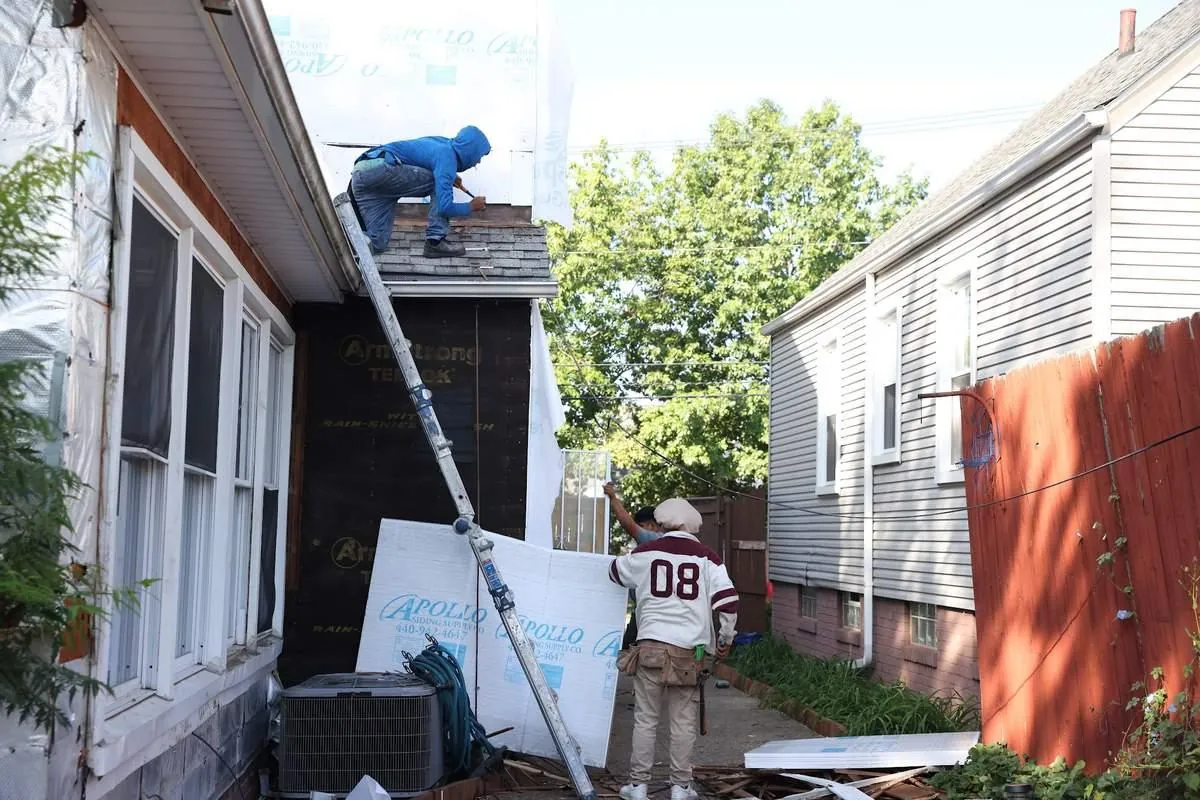
Historic review boards look at materials and proportions, and some require replacement windows to match the originals in grille pattern, window panel size and sometimes material.
The National Park Service’s wood window guidance explains how specialists judge a historic wood window’s condition and repair it.
Homeowner association rules
Even outside a formal historic district, your HOA may have restrictions on window styles or materials.
Some HOAs require a specific grille pattern or prohibit certain frame colors. Get written approval before the project starts.
Building permits for window replacement
Permit requirements vary by municipality.
Some towns require a permit for any window replacement. Others only require one if you’re changing the window’s size or converting it to a different type. Like-for-like replacements (same size, same location) often don’t need a permit, though some towns still require one.
Call your local building department and ask. Under the permit rules for siding replacement in Pittsburgh, for example, a home in a designated historic district may also need approval from the city’s Historic Review Commission before the permit is issued.
How to Keep Your House’s Original Style
New windows change how an old house looks from the street.
A flat window with no grilles looks out of place on a 1920s Colonial, while one with a matching grille pattern, frame color and trim fits in with the rest of the house.
Grille patterns that match the original
Original windows in older homes often had many small panes of glass, each held in place by its own wooden bar.
Modern replacement windows can mimic this look with grilles between the glass or with grilles applied to the outside of the glass.
Grilles between the glass sit inside the sealed glass, so they’re easy to clean, but they lack the shadow lines of a physical bar. Windows with a bar on both sides of the glass and a spacer between the panes, sold as simulated divided lights, come closest to the original look.
A historic review board may ask for bars on both sides of the glass on the windows that face the street.
Outside a historic district, grilles between the glass give you the look with less cleaning.
Frame materials and color matching
Vinyl replacement windows need little upkeep and insulate well, and vinyl now comes in more exterior colors than it used to, so ask your contractor which ones match your home’s existing trim.
If your historic district’s rules call for wood, you’ll need all-wood or clad windows (a wood interior with an aluminum or fiberglass shell outside). They cost more and need regular painting, but they meet the rules of review boards that don’t accept vinyl, and wood’s classic look puts it among the best replacement windows for an older home.
Trim style and proportions
A window’s exterior trim is as visible from the curb as the window itself.
Older homes typically have wider trim with decorative detail across the top of the window. If the whole window is coming out, ask your contractor to match the new trim to the trim on the rest of your house.
Older homes tend to have taller, narrower windows than newer houses, and a shorter, wider replacement changes how the whole front of the house looks.
Measurements and Code Checks Before Installation
Your installer measures every window on its own, because windows that look identical in an old house can differ by a quarter inch or more. Windows custom-sized to those measurements avoid the gaps and uneven fit that come with standard sizes.
Code and safety requirements
In a bedroom, the new window also has to work as an emergency exit (building codes call this egress), and some towns require it to meet today’s size rules even when the old one didn’t. The egress window requirements set the minimum size and sill height for a bedroom window, so your installer should confirm what your town requires before ordering.
Your installer should also check around each window for materials that may contain asbestos. Old loose-fill insulation called vermiculite, some types of caulk and some of the putty that holds old glass in place can contain it. If your installer finds any, a licensed asbestos professional tests and handles them before the window work continues.
Why the Work Belongs With a Certified Contractor
On one visit, the crew may have to repair rot, straighten a frame and keep lead dust out of your rooms, so hire a crew that’s ready for all three.
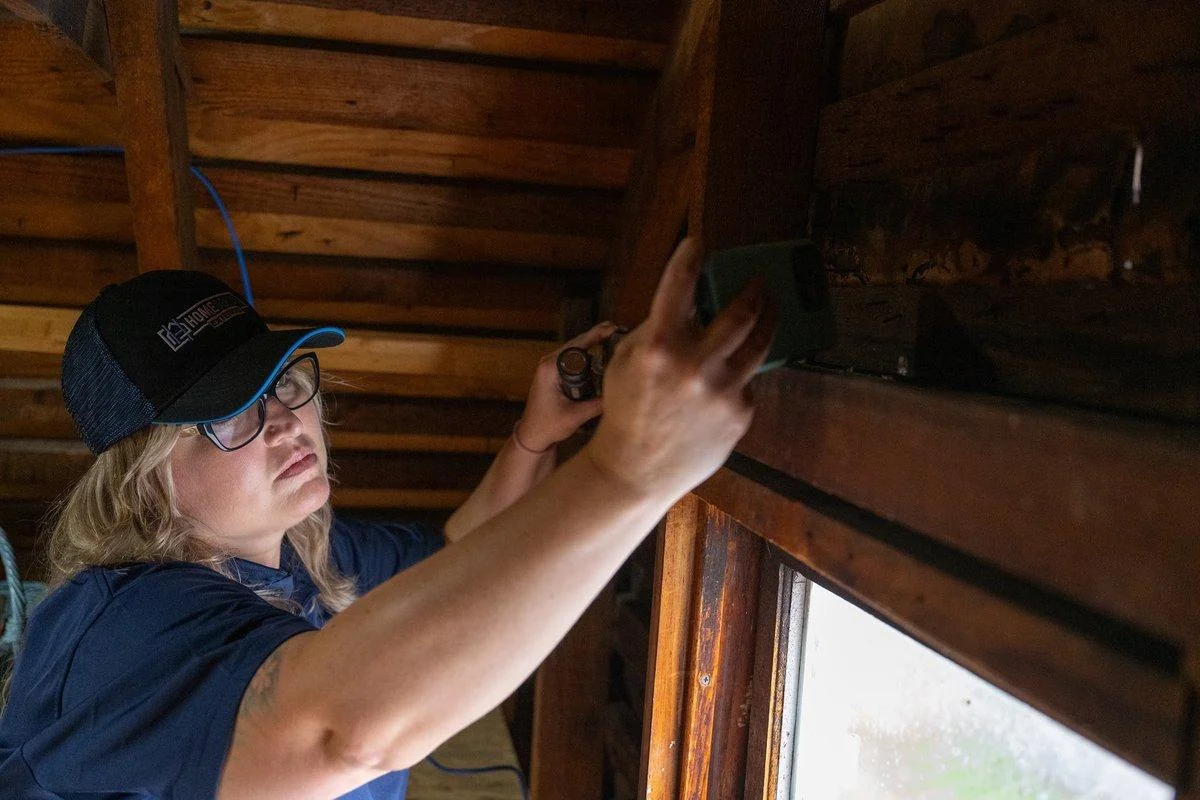
A lead-safe certified crew puts down the plastic sheeting and plans the cleanup the federal rules call for before the first window comes out.
When you compare contractors, ask whether each frame gets its own check before a method is chosen, how the crew protects plaster walls and original trim, and who repairs any rot they find.
Schedule a Window Inspection for Your Old House
Home Genius Exteriors provides free inspections, and their team can check each window’s frame and sill and tell you which ones need replacing. They’re EPA lead-safe certified and install ProVia vinyl windows in grille patterns that suit an older home, and their installation work is backed by the Genius Limited Lifetime Warranty on workmanship. Call today to schedule your window inspection.
Frequently Asked Questions
How much does it cost to replace a window in an old house?
Each window’s size and style set the base price, and an old house adds costs a newer home doesn’t have, like rot repair, straightening frames, and the plastic sheeting and cleanup required for lead-safe work. Ask for an itemized quote that lists those on separate lines so you can compare bids side by side.
Should you replace windows in an old house?
Replace the windows a specialist says are past repair and restore the rest, starting with the ones that face the street. A window contractor can add a storm window over each original you keep for better insulation.
What is the cheapest time of year to replace windows?
It depends on the contractor, so ask each one whether they offer shorter waits or lower prices in their slower months. In an old house, also ask how many days the lead-safe setup and any rot repair add to the schedule.
Do you need a permit to change existing windows?
The fastest answer is a call to your building department with the window sizes and locations in hand. Ask at the same time whether a historic district or homeowner association reviews the work separately, since that approval is independent of the permit.
Can rotted windows be repaired?
Often, when the rot is limited to one spot. A restoration specialist can cut out the soft section and splice in new wood, which costs less than rebuilding the whole window panel. A frame that’s soft along most of its length usually needs a full replacement by a window contractor.
What does it mean to replace a window without removing the frame?
It means the new window goes inside the existing frame, so the trim inside and out stays in place. It works only when the old frame is straight and free of rot, and the glass area comes out slightly smaller, so your installer checks each frame before quoting.
How hard is it to replace old windows?
In an old house, most of the work is behind the trim: rot repair, frames that have to be straightened, and paint that may contain lead. Under the federal Renovation, Repair and Painting Rule, any contractor who disturbs paint in a pre-1978 home must be lead-safe certified and have a certified renovator on the crew, so the whole replacement belongs with a window contractor who meets both rules.