Energy Efficient Windows Costs, Savings & Tax Credits
Most homeowners suspect their old windows are costing them money every month, but few realize just how much. Energy efficient windows can cut heating and cooling bills by up to $450 a year. Proper installation, climate-appropriate glass performance, and a warranty that holds up a decade from now are as important as the window itself.
How Much Do Energy Efficient Windows Cost?
Energy efficient windows cost $450-$1,100 per window installed. Pricing varies based on window style, frame material, and installation complexity, and the best replacement windows range from budget vinyl to premium fiberglass with advanced coatings.
| Window Type | Standard Window (Installed) | Energy Efficient Upgrade (Installed) | Cost Premium |
|---|---|---|---|
| Double-Hung (Vinyl) | $350-$550 | $500-$800 | $150-$250 |
| Casement (Vinyl) | $375-$600 | $550-$900 | $175-$300 |
| Double-Hung (Fiberglass) | $500-$750 | $700-$1,100 | $200-$350 |
| Picture Window (Vinyl) | $300-$500 | $450-$750 | $150-$250 |
| Triple-Pane Upgrade | N/A | Add $75-$150 per window | Varies |
For a full-house project replacing 15-20 windows, expect a total investment between $8,000 and $18,000 for quality energy efficient units, installed. That range reflects vinyl and fiberglass frames with double-pane low-E glass and argon fills. Triple-pane upgrades or wood frames push the upper end higher. Homeowners replacing single-pane windows can save $250-$450 per year on heating costs, with payback timelines ranging from 10 to 36 years depending on window age, condition, and heating source.
That wide payback range comes down to a few home-specific variables: your climate, your fuel source, and your windows’ current condition. Run the actual numbers for your own situation, rather than comparing sticker price to a vague promise of lower bills.
Many homeowners spread the cost of a window project through home improvement loans, HELOCs, or contractor financing. When you factor in lower monthly heating bills, the net monthly cost of financing a window replacement is often less than you might expect.
What Makes a Window Energy Efficient?
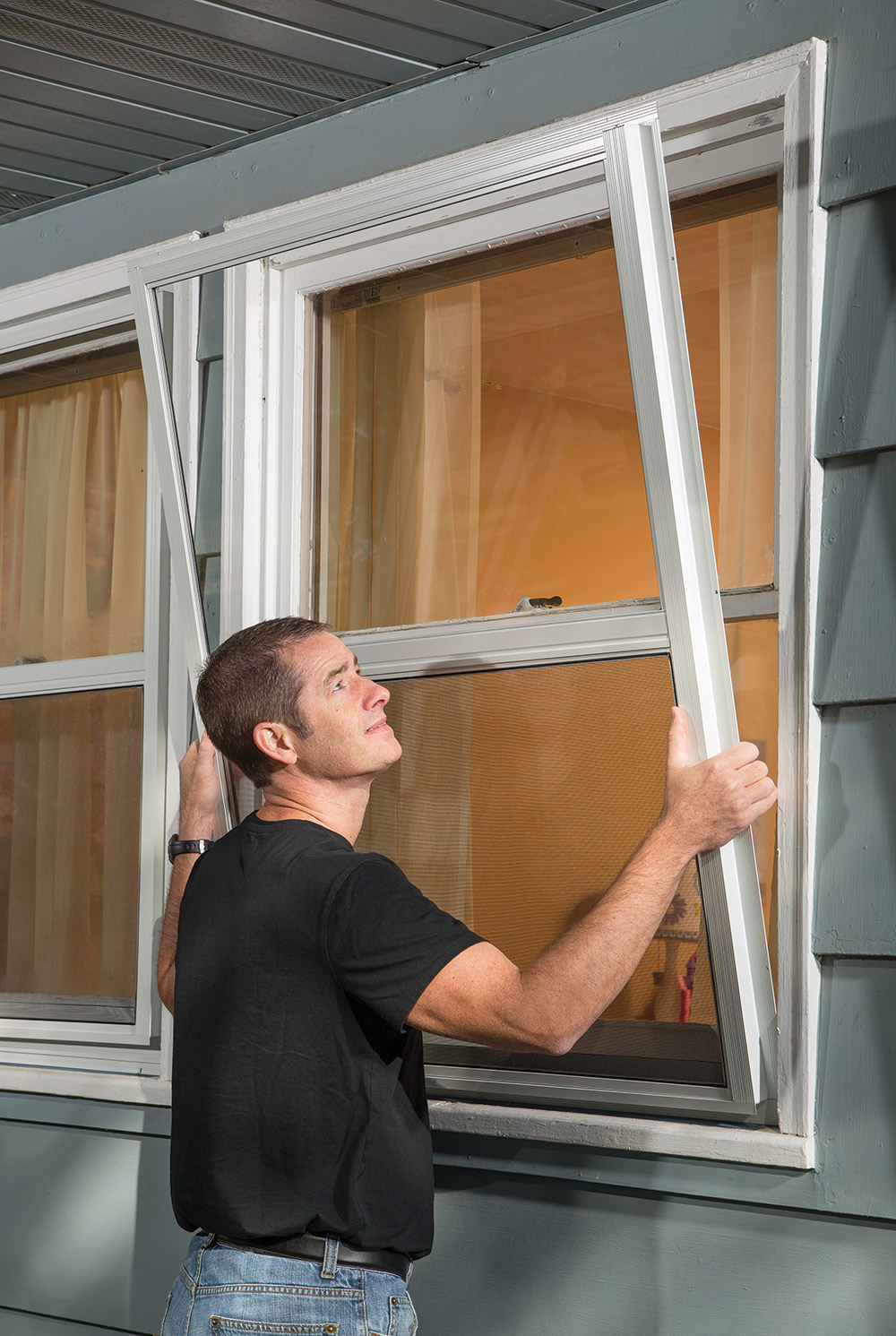
Before comparing prices, you should understand the performance specs that separate a high-performance window from a builder-grade one: U-factor and Solar Heat Gain Coefficient (SHGC).
U-factor measures how well a window resists heat transfer. Lower numbers mean better insulation. SHGC measures how much solar heat passes through the glass, and the ideal range depends on whether you spend more on heating or cooling. In heating-dominated climates, a moderate SHGC helps capture some passive solar warmth in winter without overheating in summer.
ENERGY STAR Version 7.0 Requirements
ENERGY STAR updated its window certification standards with Version 7.0, which has the most strict criteria the program has published so far. For the Northern climate zone, the requirement is now a U-factor of 0.22 or below. The North-Central zone requires a U-factor of 0.25 or below.
ENERGY STAR’s Most Efficient tier requires a U-factor of 0.20 or below. If you see windows advertised as “ENERGY STAR certified,” find out which tier they meet. Basic ENERGY STAR certification and Most Efficient certification are different things with different performance levels.
Low-E Coatings and Gas Fills
Low-emissivity (low-E) coatings are microscopically thin metallic layers applied to the glass that reflect infrared heat while letting visible light through. Most energy efficient windows include at least one low-E coating. Higher-end units use two or three coatings tuned for specific climate needs.
Between the glass panes, manufacturers inject argon or krypton gas instead of air. These inert gases conduct heat more slowly, improving insulation without adding weight. Argon fills are standard and affordable. Krypton is denser and performs slightly better but costs more, making it most common in triple-pane configurations where the gap between panes is narrower.
The Importance of Frame Materials
The frame contributes substantially to a window’s total thermal performance. Wood insulates well and looks great, but it needs regular upkeep and costs the most upfront. Aluminum is durable and slim, but it conducts heat readily. Without a thermal break added at extra cost, it works against the reason you’re buying energy efficient windows in the first place.
Vinyl avoids both problems: solid insulation, no upkeep, and the lowest price of the four. Fiberglass costs roughly 30-50% more, but its frame expands and contracts at nearly the same rate as the glass, so the seal holds up longer instead of failing early. That’s why vinyl and fiberglass typically provide the best return on investment for most homeowners.
Double-Pane vs. Triple-Pane Windows: Which Is Worth It?
Triple-pane windows’ U-factors are around 0.18-0.22, compared to 0.25-0.30 for good double-pane units. That’s a major improvement for homes in colder climates or those with large north-facing glass panes.
If you’re in a mixed climate (cold winters, hot summers), the added cost of $75-$150 per window rarely pays for itself through energy savings alone. Triple-pane makes sense if you value the comfort benefits: noticeably quieter interiors and warmer glass surfaces during cold winters. If budget is your primary concern, a high-quality double-pane window with low-E coatings and argon fill hits the efficiency sweet spot.
How Much Money Do Energy Efficient Windows Save Each Year?
Windows account for 25-30% of a home’s heating and cooling energy use. Replacing single-pane windows with ENERGY STAR certified units can reduce that window-related energy loss substantially, but your actual savings depend on what you’re replacing and how you heat your home.
Here’s how much you can save per year by upgrading your old windows to energy-efficient ones:
| Window & Heating Setup | Estimated Annual Savings | Notes |
|---|---|---|
| Single-pane → ENERGY STAR (cold climate, gas heat) | $250-$450 | Largest savings; old windows leak heavily |
| Single-pane → ENERGY STAR (cold climate, electric heat pump) | $200-$375 | Heat pumps are more efficient baseline |
| Clear double-pane → ENERGY STAR (cold climate, gas heat) | $100-$200 | Double-pane already blocks more heat, leaving less room to improve |
| Clear double-pane → ENERGY STAR (South, AC-dominant) | $75-$150 | Window upgrades help heating more than cooling, so AC-dominant homes save less |
| Severely leaky single-pane → ENERGY STAR (Zone 5-6, gas heat) | $350-$450 | Sits at the top of the range above |
These estimates assume a typical 2,000-square-foot home with 15-20 windows. Homes with more glass, older frames with failed seals, or significant air leakage will see savings at the higher end. A heating season stretching from November through March, with average lows well below freezing in January and February, means window efficiency has an outsized effect on annual energy bills compared to milder climates.
Tax Credits
The Inflation Reduction Act’s Section 25C Energy Efficient Home Improvement Credit previously covered 30% of the cost of qualifying windows, up to $600 per year. That federal credit no longer applies to new installations.
The credit was terminated under the One Big Beautiful Bill Act (OBBBA), signed into law on July 4, 2025. Only windows placed in service by December 31, 2025 are eligible. If you’re buying windows now, the federal 25C credit isn’t available for your purchase.
If you were counting on the credit as part of your budget planning, the net cost of a window project is now higher than it would have been in prior years, which makes it even more important to get accurate quotes and explore all available alternatives.
State-level and utility incentives are still in place in many areas and can partially offset costs:
- State green banks: Offers financing programs for energy efficiency projects, including favorable loan terms for qualifying homeowners.
- Utility rebate programs: Many utilities periodically offer rebates for energy-efficient home improvements. Check your utility’s website directly for current offerings.
- DSIRE database: Maintained by the N.C. Clean Energy Technology Center at N.C. State University, this is the most thorough tool for finding current state and local incentives by zip code.
Even without the federal tax credit, the combination of energy savings, comfort improvements, and contractor financing can still make replacement windows financially reasonable, especially when you need them for structural reasons.
Should You Replace or Upgrade Your Windows?
If your existing double-pane windows are structurally sound but underperforming, you can look at several lower-cost measures before opting for a full window replacement.
- Weatherstripping and caulking around existing frames costs $3-$8 per window and eliminates air leakage, which is often a bigger energy thief than the glass itself.
- Interior storm windows run $50-$150 per window and add an insulating air layer without full replacement.
- Low-E window films cost $15-$30 per window and reduce solar heat gain, though they don’t improve insulation.
These upgrades won’t match the performance of new ENERGY STAR windows, but if your budget is limited or your windows are less than 15 years old, try retrofitting first.
With full window replacement, the goal is maximizing return per dollar spent. That return depends on your existing window condition, your climate, and how long you plan to stay in the home.
How Energy Efficient Windows Improve Comfort
Energy savings get all the attention, but the day-to-day comfort improvements are what you’ll likely notice most. Cold spots near windows disappear because low-E glass stays warmer to the touch in winter, a difference you’ll notice during a long, cold heating season when older windows radiate cold into a room even when the furnace is running.
New windows stop condensation between panes, a telltale sign of seal failure. Drafty rooms become comfortable. Dual-pane windows cut exterior noise noticeably compared to single-pane glass, and triple-pane units cut even more. If you live near a busy road or flight path, this alone can justify the upgrade.
Reduced UV exposure protects furniture and flooring. Fewer drafts also mean better indoor air quality, with less dust infiltration.
Are Energy Efficient Windows Worth It?
Rather than relying on national averages, use these three factors to assess whether energy efficient windows make sense for your situation:
- Climate and heating source: If you live in a cold or mixed climate and heat with gas or oil, your savings potential is highest. The heating season here is long and cold enough that window efficiency pays dividends in ways that don’t apply in warmer markets. Mild-climate homeowners with efficient heat pumps will see the smallest returns.
- Current window condition: Replacing single-pane or failed-seal double-pane windows produces the biggest improvement. If your existing windows are less than 15 years old with intact seals, the energy payback stretches uncomfortably long. Consider retrofit options first.
- Budget and timeline: If you plan to stay in your home for 10 or more years and your windows need structural replacement anyway (rot, broken hardware, visible condensation between panes), the cost of upgrading to ENERGY STAR units is modest. If you’re upgrading purely for energy savings on otherwise functional windows, the ROI rarely justifies the expense on its own.
Energy efficient windows are almost always worth it when you already need new windows. They aren’t much more costly than standard replacements and you get immediate comfort benefits. Replacing functional windows solely to save on energy bills is harder to justify.
Find Out What Energy Efficient Windows Would Cost You
Home Genius Exteriors provides free inspections that pinpoint which upgrades will lower your energy bills the most, from glass type to installation quality. Our team can walk you through any tax credits and financing options that may apply to your project. Call today to schedule your inspection and get a detailed cost and savings estimate for your home.
Frequently Asked Questions
How do I know if I need full-frame replacement or insert (pocket) windows?
If your existing frames are square, solid, and free of rot, insert windows can be a faster, less disruptive option. Full-frame replacement is usually better when frames are damaged or out of plumb, or when you want to correct water issues and upgrade flashing for long-term durability.
What installation details matter most for energy performance?
Air sealing at the window opening prevents the same drafts and moisture problems it does anywhere else in the house, and it often matters more than small differences in glass specs. Ask your installer about low-expansion foam, backer rod and sealant at gaps, and sill pan flashing and how they’ll integrate with your existing weather-resistive barrier.
How can I compare window quotes fairly between different contractors?
Make sure every quote lists the exact manufacturer, series, and glazing package, plus the installation method and warranty coverage. Request an itemized scope (materials, labor, trim, disposal) so you can spot where a low price may signify corner cutting.
Is the federal 25C tax credit still available for windows?
The Section 25C Energy Efficient Home Improvement Credit was terminated by the One Big Beautiful Bill Act signed July 4, 2025. Only windows placed in service by December 31, 2025 qualify for that credit. For new purchases, check the DSIRE database for current state and utility incentives in your area, and ask your utility directly about any active rebate programs.
Are there financing options for window projects?
Look at unsecured home improvement loans, contractor financing, or HELOCs. Many states offer green bank financing programs with energy-focused rates for qualifying projects. Compare APR and term length, then weigh monthly payments against the comfort and maintenance benefits, not just projected utility savings. Ask Home Genius Exteriors about financing options when you get your estimate.
Will new windows increase home value or help with resale?
Replacement windows can improve curb appeal and buyer confidence, especially if the old units show condensation or poor operation. Value impact varies by market, so treat any resale lift as a bonus and prioritize windows when they solve visible condition issues or comfort complaints.
What should I look for in a window warranty and service policy?
Look for clear coverage on glass seal failure and frame integrity, plus whether labor is included or prorated over time. Confirm who handles service calls, the manufacturer or the installer, and get response-time expectations in writing before signing a contract.
Are there code or permit requirements for window replacement in my area?
Many municipalities require permits for replacement windows, especially if you’re changing openings or doing structural work. Your contractor should look into local requirements, handle filings, and make sure the windows meet applicable safety glazing and egress window requirements.