Vinyl vs Wood Windows
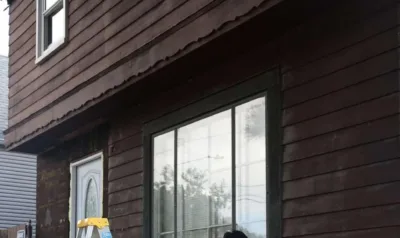
Vinyl vs wood windows is a choice between a window you take care of and one you can leave alone for decades. A wood frame can be sanded, patched and repainted any color for as long as you own the house, but someone has to keep up with that work. Vinyl needs only a wash, and its color is set at the factory.
Which one fits depends on the house and the household. A home in a historic district may be required to keep wood, and an owner who’d rather not book a painter every few years may prefer vinyl. For a typical replacement, though, one of the two is the usual starting point.
Table of Contents
- Should You Choose Vinyl or Wood Windows?
- How Wood and Vinyl Frames Behave Differently
- Vinyl vs Wood Windows: Cost Comparison
- Vinyl vs Wood Windows: Side-by-Side Comparison
- Which Material Is More Work to Maintain?
- Which Is More Energy Efficient, Wood or Vinyl?
- Appearance and Color: Wood vs Vinyl
- Repairs: Where Wood Has the Advantage
- Lifespan and Durability by Climate
- Do Historic Districts Require Wood Windows?
- What Are Wood-Clad Windows?
- Which Window Material Fits Your Home and Budget?
- Get a Professional Window Assessment
- Frequently Asked Questions
Should You Choose Vinyl or Wood Windows?
For most replacement projects, vinyl is the better value: it costs $300 to $800 per window installed against $600 to $1,800 for wood, and it never needs paint. Wood makes more sense for a historic home, or for an owner who wants the look of wood grain and will keep up with the repainting.
Here’s how vinyl and wood compare beyond the price:
- Cost of upkeep: wood needs repainting or restaining every 3 to 5 years, and vinyl needs a wash.
- Material behavior: wood swells and shrinks with humidity, while vinyl expands and contracts with heat.
- Repairability: a carpenter can patch a wood frame, and a damaged vinyl frame means a new window.
- Historic districts: a home in a locally designated district may be required to keep wood.
- Appearance: wood shows its grain and takes any paint color, and vinyl comes in woodgrain finishes and set factory colors.
How Wood and Vinyl Frames Behave Differently
Wood absorbs moisture from the air and gives it back as the air dries out, so a wood frame swells a little in humid months and shrinks in dry ones.
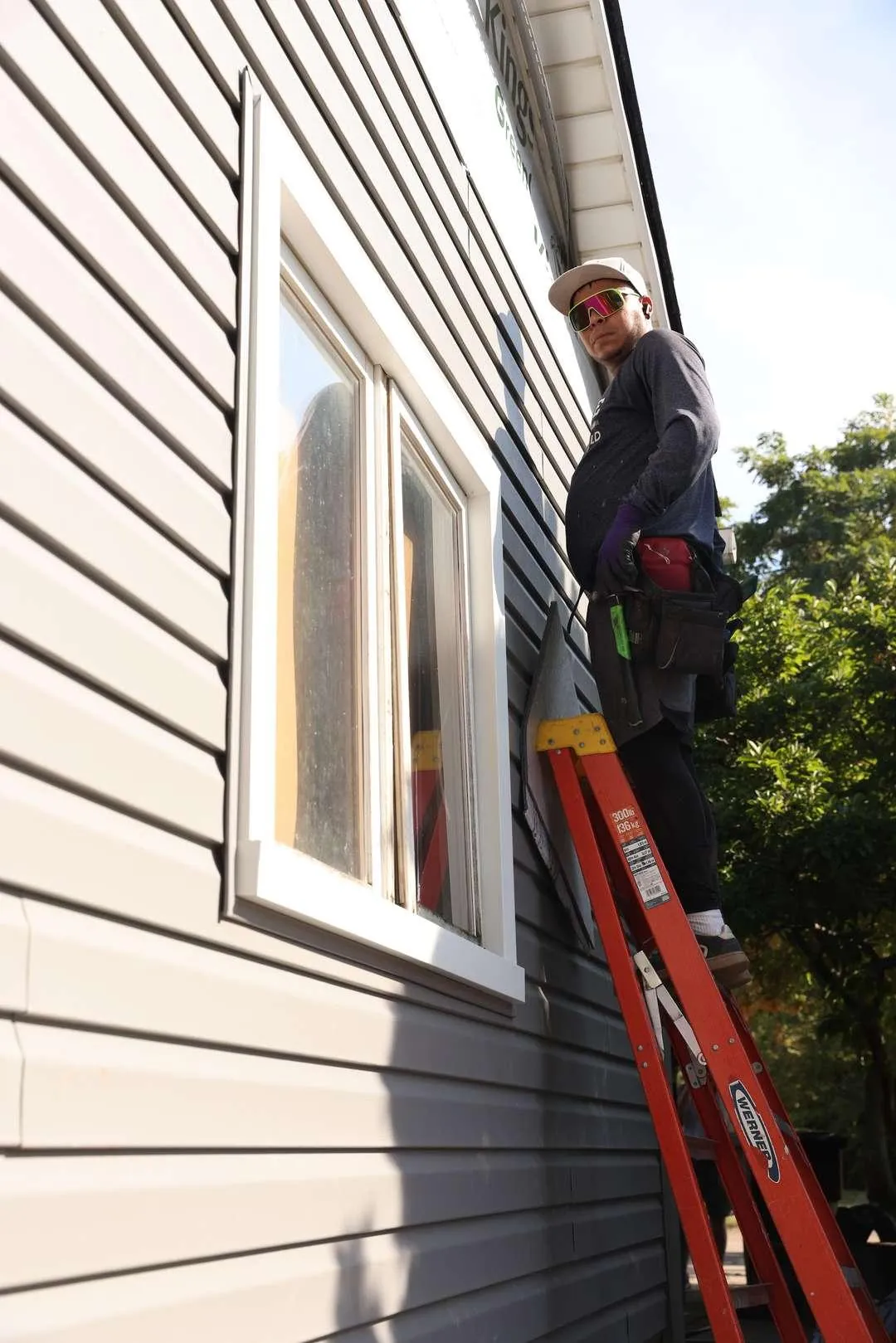
Vinyl frames, made of polyvinyl chloride (PVC), don’t absorb water, so humidity doesn’t change their size.
Temperature moves vinyl instead: a vinyl frame expands a little in summer heat and contracts in winter cold.
Vinyl vs Wood Windows: Cost Comparison
Installed cost for a whole house
Installed window replacement cost for a 15-window house comes to $4,500 to $12,000 in vinyl and $9,000 to $27,000 in wood, before the first repaint.
Upkeep costs over 20 years
A wood window keeps costing money after it’s installed, because its paint or stain has to be renewed.
Over 20 years, that’s four to six rounds of repainting or restaining for each wood window, and none for vinyl.
Vinyl vs Wood Windows: Side-by-Side Comparison
| Category | Vinyl Windows | Wood Windows |
|---|---|---|
| Installed Cost | $300 to $800 per window | $600 to $1,800 per window |
| Maintenance | Soap-and-water cleaning only | Repaint or restain every 3 to 5 years |
| Thermal Performance | Good; hollow chambers trap air | Strong; wood is a natural insulator |
| Lifespan | 20 to 40 years | 30 or more years with regular upkeep |
| Rot and Insect Risk | None | Present without upkeep |
| Appearance | Woodgrain finishes and factory colors | Natural grain and depth |
| Color Options | Factory colors only; most can’t be repainted | Any paint or stain color |
| Repairability | A damaged frame is replaced as a whole window | Individual components can be repaired |
| Historic District Compliance | Allowed in some districts | Typically required or preferred |
Which Material Is More Work to Maintain?
Once the windows are in, upkeep is the difference you’ll see every year.
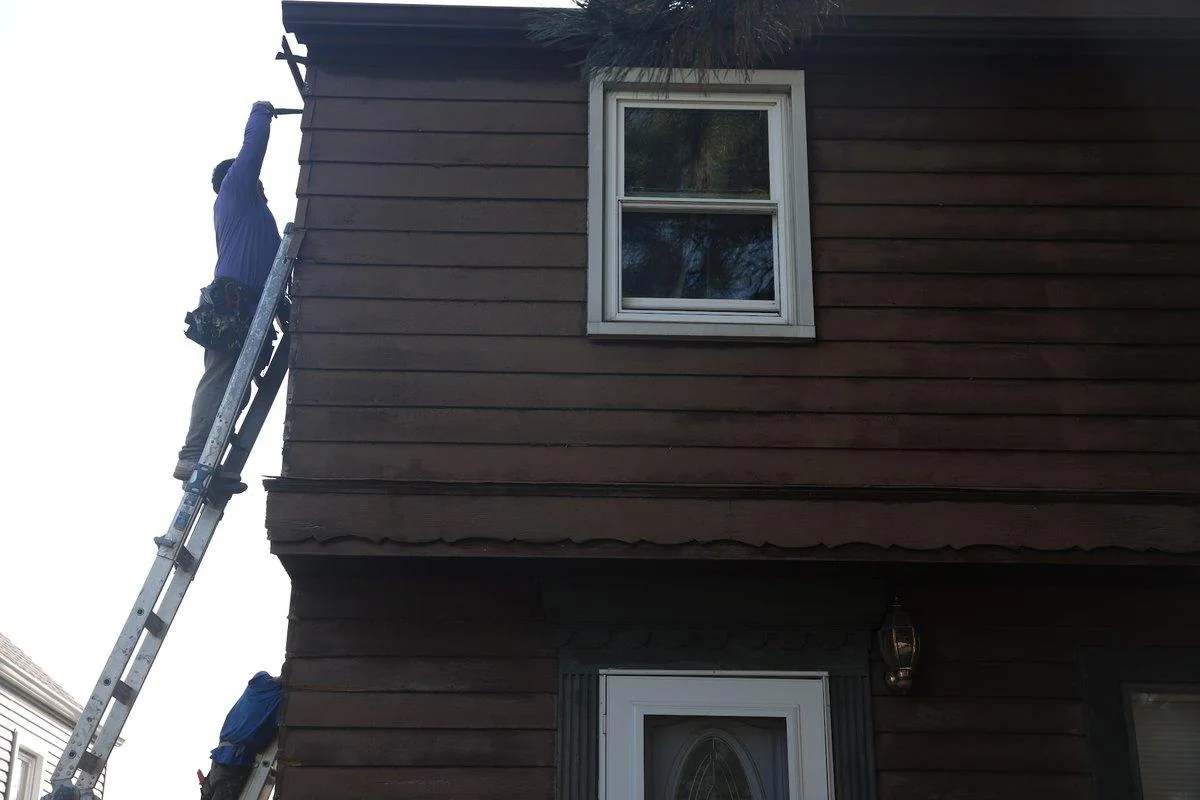
Wood upkeep schedule
Exterior wood needs repainting or restaining every three to five years. Between repaints, look for peeling paint, cracked caulk and soft spots, especially at the corners of the sill, where water collects. Rot caught early is a small repair, and rot caught late can mean replacing the whole window.
Bare wood soaks up moisture within days, so peeling paint is the sign to schedule a repaint right away.
Vinyl upkeep by comparison
Vinyl frames don’t need painting, staining, or sealing. An annual wash with mild detergent keeps them looking clean, and the material won’t rot or peel.
Small drain holes along the bottom of a vinyl frame let any rain that gets into the track run back outside.
Which Is More Energy Efficient, Wood or Vinyl?
Wood and vinyl both conduct little heat, which is why both insulate better than aluminum. Wood slows heat through the material itself, and a vinyl frame slows it with hollow chambers that trap air.
The glass changes a window’s insulation too: how many panes it has, the gas sealed between them, and whether it has a low-emissivity coating, a thin, clear metal layer that reflects heat. Triple panes bring the U-factor, a measure of how fast heat passes through, to about 0.18 to 0.22, against 0.25 to 0.30 for good double panes, and lower is better.
Many vinyl windows are stiffened with steel or aluminum bars inside the frame, and metal conducts heat straight through it. ProVia, a window and door manufacturer, builds two of its vinyl replacement window lines, Endure and Aspect, with INNERGY thermal reinforcement in place of the metal. INNERGY is a composite insert that insulates 700 times better than aluminum.
Every certified window has a label from the National Fenestration Rating Council (NFRC) that lists two numbers for comparing windows: the U-factor and the Solar Heat Gain Coefficient (SHGC), the share of the sun’s heat that comes through the glass. A lower U-factor is better in any climate. Homes in hot climates do better with a low SHGC, and homes in cold climates can use a higher one to gain winter warmth.
Look up a window’s ratings in the NFRC’s label database. Then compare its numbers with the targets for your climate zone. The federal energy-efficient window tax credit ended for windows installed after 2025, though some states and utilities may offer rebates.
Appearance and Color: Wood vs Vinyl
Up close, a stained wood frame shows its natural grain, and on an older home with original wood trim, wood windows match what’s already there.
Vinyl color options are limited but growing, and some lines, such as ProVia’s Aspect, offer a wider range of exterior colors and interior woodgrain finishes.
Color and the dark-vinyl limit
Most vinyl frames can’t be painted reliably, so the color you order is the color you keep.
Dark colors are limited on vinyl, too, because a dark frame absorbs more of the sun’s heat.
Wood, by contrast, can be painted any color, dark shades included, and repainted whenever you want a change.
Repairs: Where Wood Has the Advantage
A damaged wood window can often be repaired in place. A carpenter can cut out a rotted section and replace it with new wood, or swap out one broken piece, without taking out the whole frame. Wood windows on some century-old homes are still in use, kept that way by regular repainting.
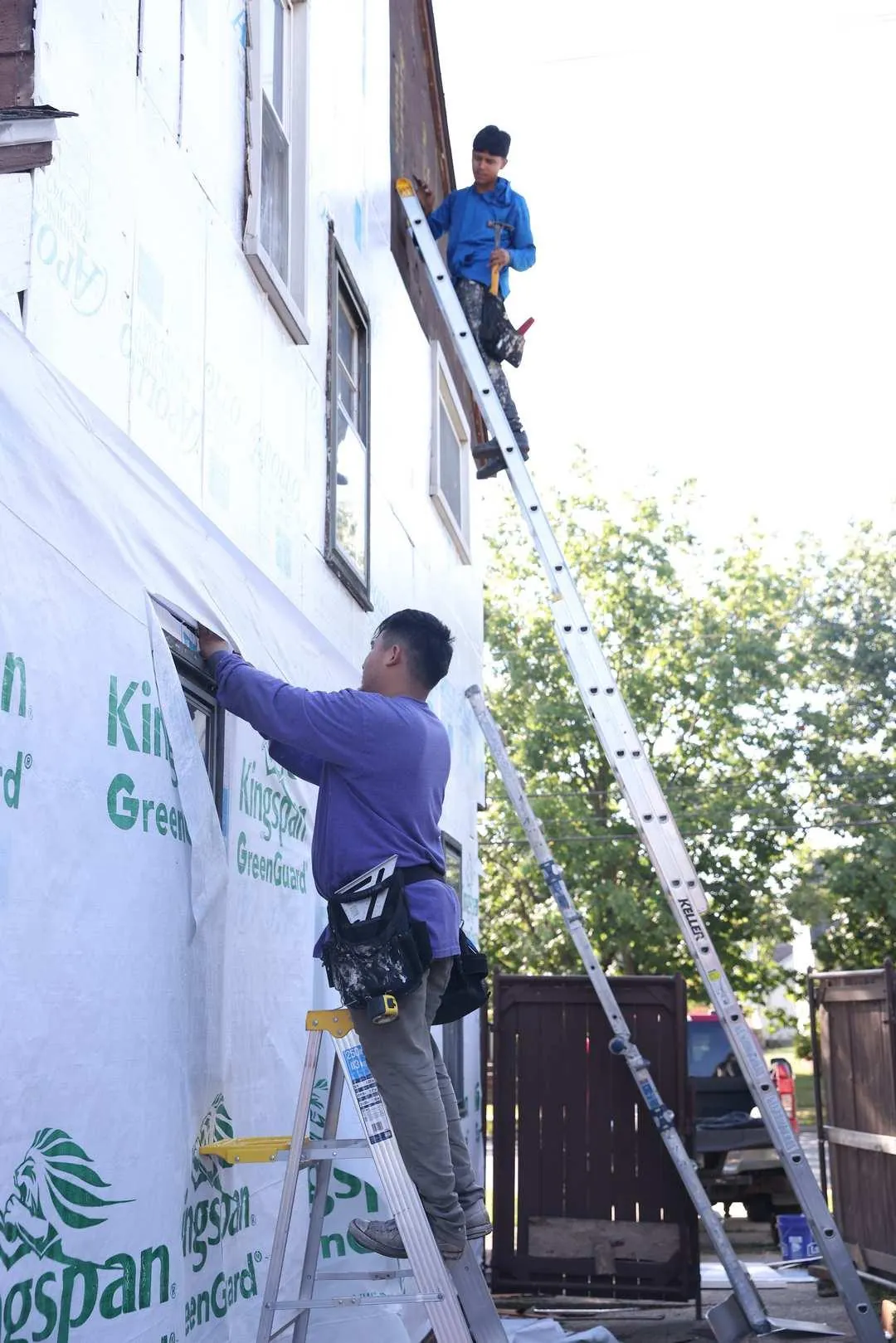
Vinyl can’t be patched that way, so a cracked or bent vinyl frame is replaced as a whole window, though the glass and the hardware can be replaced on their own.
Lifespan and Durability by Climate
With regular upkeep, wood has the longer window lifespan of the two: 30 to 50 years, and closer to 20 without that care.
Vinyl windows generally last 20 to 40 years, and the better-built lines last toward the top of that range.
How climate affects each material
Vinyl resists moisture well, an advantage in humid and coastal areas. Wood holds up in any climate with regular upkeep, and the climate affects how often it needs repainting.
Do Historic Districts Require Wood Windows?
If your house sits in a locally designated historic district, the choice may already be made for you. Some preservation commissions require replacement windows to match the original material, which can mean wood or wood-clad frames, wood windows with a weatherproof shell over the outside.
Before you assume wood is required, check your local rules. Some districts allow other materials when the window’s shape and proportions match the originals, and others don’t. Call your local preservation office before signing a contract, so you don’t order a window the commission won’t approve. If the original windows can be saved, the federal preservation briefs explain how to judge their condition and repair them.
What Are Wood-Clad Windows?
Clad windows have a wood frame on the inside and a shell of aluminum or vinyl on the outside, so the outside needs little maintenance.
Aluminum-clad vs vinyl-clad wood
Aluminum-clad wood windows cover the outside of the frame with painted aluminum. Aluminum on its own conducts heat, so the wood behind it does the insulating.
Vinyl-clad wood windows use a vinyl shell instead, which never needs paint.
Clad windows cost $800 to $2,000 per window installed, more than vinyl and a little more than all-wood windows.
Who should consider clad windows
A clad window suits a homeowner who wants wood on the inside without repainting the outside.
You pay extra for that wood interior. In rooms where curtains or blinds cover most of the frame, a vinyl window with an interior woodgrain finish costs less.
Which Window Material Fits Your Home and Budget?
Match the frame to your house and your plans:
- Historic district with strict preservation rules: wood or wood-clad.
- Older home with character but no historic designation: wood-clad for a wood interior, or vinyl with a woodgrain finish if budget and low upkeep come first.
- Budget-conscious project: vinyl, the lowest installed price of the three.
- A sale within five years: vinyl, which costs the least to install and needs no upkeep before you move.
- Long-term ownership with regular upkeep: wood, as long as you’ll keep up the repainting.
- Low appetite for maintenance: vinyl or vinyl-clad wood.
Fiberglass and composite frames are two more options among the best replacement windows. Both expand and contract less than vinyl with temperature changes, and both cost more. In a vinyl vs. fiberglass windows comparison, fiberglass is the stronger frame and the one you can paint. A house with wood siding has a second repaint schedule to keep, since the siding needs fresh paint or stain every 3 to 7 years.
Get a Professional Window Assessment
Disclosure: Home Genius Exteriors installs ProVia vinyl windows and doesn’t install wood windows.
Home Genius Exteriors provides free inspections to help you assess your current windows and understand which replacement options fit your home. Their team installs ProVia vinyl window lines, backed by the Genius Limited Lifetime Warranty on installation workmanship. Call today to schedule your free inspection.
Frequently Asked Questions
What are the downsides of wooden windows?
Wood costs more to buy, needs repainting or restaining every few years, and can rot where the paint has worn away. A wood-clad window keeps the wood look inside, with a shell that protects the outside.
How long does a vinyl window last?
Most vinyl windows last 20 to 40 years, and premium lines with welded corners and reinforced frames reach the top of that range. The glass and the frame are separate parts, so the glass can be replaced on its own without taking the frame out.
Does anyone make wood windows anymore?
Yes. Wood and wood-clad windows are still made and sold, mostly for historic homes and for homeowners who want wood on the inside. Vinyl is now the most common replacement window, because it resists moisture and needs little upkeep.
Should I replace my 30-year-old vinyl windows?
Usually, if more than one problem shows up at once, such as fog between the panes, drafts, a warped frame or a window that’s hard to open. A single problem, like a broken lock, can often be repaired for much less than a new window. A new window with coated glass will also insulate better than an early double-pane window.
Who has the best windows for the money?
For most replacement projects, vinyl gives the best value, since it costs less than wood or fiberglass and never needs paint. Home Genius Exteriors installs ProVia vinyl windows, including the Endure line, built for energy performance and durability, and the Aspect line, which comes in more exterior colors and interior woodgrain finishes.