Triple Pane Windows: Are They Worth the Extra Cost?
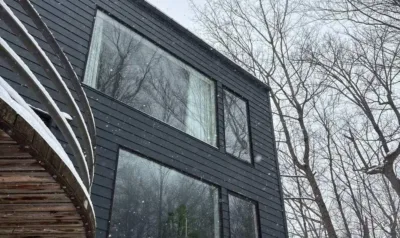
Somewhere on your window quote there’s a line for triple pane windows, and it costs more than the double pane option above it. What is it for? In basic terms, the third sheet of glass adds a second sealed, gas-filled gap in the window pane. This allows the window to hold heat better and lets less noise through. It helps your home stay warmer on the inside in winter, which can be important depending on where you live.
Whether the upgrade is worth it depends more on your climate and on which windows get the new glass than on the glass itself. The price gap is the place to start.
Table of Contents
- Is the extra cost of triple pane windows worth it?
- What changes with a third pane of glass
- Energy savings and noise in a laboratory test
- Condensation on the glass
- The rooms to upgrade first
- The installed cost of triple pane windows
- A payback estimate for your own windows
- Pros and cons of triple pane windows
- Questions to ask about your quote
- Compare triple pane and double pane windows with a free inspection
- Frequently Asked Questions
Is the extra cost of triple pane windows worth it?
The extra cost is worth it in extremely cold climates, in rooms that lose the most heat. The noise dampening effects may also be good for windows beside steady outside noise. In a mild climate, double pane glass with a Low-E (low-emissivity) coating, a thin metallic layer that reflects heat back toward the room in winter and back outdoors in summer, will get you most of the same result for less money. The cost of triple pane windows is $450 to $3,000 per window installed, against $400 to $2,000 for double pane, so compare the two prices for the same style and frame before you decide.
What changes with a third pane of glass
A double pane window has two sheets of glass with one sealed gap between them, usually filled with argon, a gas that traps heat better than regular air does. Triple pane windows add a third sheet and a second sealed gap, and the thin triple pane windows in the laboratory test below were filled with krypton, which slows heat more than argon. The third sheet also gets a second Low-E coating, where a double pane window usually has one. The coatings, the gas and the strip that holds the sheets apart make up the sealed glass unit, one of the parts of a window that sets its rating.
That rating is on the window’s label. The energy performance label from the National Fenestration Rating Council (NFRC) lists the U-factor, which measures how well the window keeps heat from escaping the room, and the lower the number, the better it insulates. On a national laboratory rating chart, double pane windows with clear glass sit between 0.6 and 0.5, the same glass with a Low-E coating between 0.4 and 0.3, and triple pane at 0.2. The coating alone lowers the U-factor from 0.5 to 0.3, so compare the two U-factors on your quote with each other, not with the clear glass you have now.
The same chart shows how much a window lowers a whole wall’s insulation. Insulation is sold by its R-value, where a higher number insulates better. A wall with R-30 insulation performs like an R-5 wall once single pane windows are cut into it, and like an R-16 wall with triple pane windows. Because the house holds its heat better, it can also run smaller heating and cooling equipment.
Energy savings and noise in a laboratory test
Windows only cover 10% of a typical home’s surface and yet can cause up to 30% to 40% of its winter heat loss.
In a laboratory test of thin triple pane windows in two matched test homes, the home with the new glass used 3% to 18% less energy on heating days, 12% on average, and 23% to 41% less on cooling days, 28% on average. The other home kept double pane windows with clear glass and aluminum frames. The triple pane home’s heating and cooling system also drew 17% less power at the winter morning peak and 33% less at the summer afternoon peak, and the savings changed from day to day with the outdoor temperature and the sunlight.
The same test measured sound. With a speaker set up outside the sliding glass door, the triple pane home let through 8 to 10 decibels less sound than the double pane home. If a busy road or a flight path is the reason you’re looking at the upgrade, that’s the number to compare with the price.
The extra coatings on a triple pane window also block more ultraviolet (UV) light, which slows the fading of furniture, floors and artwork near the glass.
Condensation on the glass
The room-side sheet of a triple pane window stays warmer in winter than the inner sheet of a double pane one, and warmer glass collects less moisture. In a field study by the same national laboratory, a homeowner whose windows frosted over on the inside every winter had them replaced with triple pane glass, and the condensation stopped. The label also lists a condensation resistance number, and the higher it is, the better the glass resists moisture, so ask for it on both options.
The rooms to upgrade first
You don’t have to put the third pane in every window. Start with the windows that get little direct sun: in the laboratory homes, the north- and east-facing rooms stayed the coolest on a winter afternoon.
Sun-facing windows work the other way. The label’s solar heat gain coefficient (SHGC) gives the share of the sun’s heat that passes through the glass. A south-facing window with a higher number brings in winter sun and covers part of the heating load, while a lower number keeps out summer heat on the sunny side of the house. Choose the glass by the direction each window faces, not only by the pane count.
On a set budget, put triple pane windows in the cold rooms and Low-E double pane windows in the rest, and match the frame color and style so the outside of the house looks consistent.
The installed cost of triple pane windows
Of the installed price, the window itself is $350 to $2,200, 70% to 75% of the total, and labor is $100 to $800 per window. Triple pane glass weighs 25% to 50% more than double pane glass, so a large window can take an extra installer. The frame material changes the price too: a vinyl frame is $250 to $1,500 installed, fiberglass $550 to $2,100 and wood $350 to $3,000. The window style changes it as well:
| Window style | Installed price per triple pane window |
|---|---|
| Single-hung | $350 to $2,000 |
| Casement | $400 to $1,500 |
| Picture | $450 to $1,500 |
| Double-hung | $450 to $3,000 |
| Slider | $440 to $2,800 |
| Bay | $2,000 to $6,000 |
Upper-floor windows, ones blocked by kitchen or bath fixtures and ones that need scaffolding take longer to install and cost more. A permit adds $50 to $300 on a small job, and painting the trim adds $25 to $150 per window. Frame material and the installation method change the total window replacement cost as much as the glass does.
The federal energy efficient window tax credit ended for windows installed after December 31, 2025, so the savings on your utility bill are the whole payback unless a state or utility rebate applies where you live.
Across the Mid-Atlantic and the Midwest, the double pane vs. triple pane windows choice tends to follow the climate zone: the third sheet is worth the higher price in a cold zone, and in a mixed zone it’s a closer call, which the payback estimate below helps you make.
A payback estimate for your own windows
Three steps turn the laboratory savings into a number for your house:
- Subtract the double pane price from the triple pane price for the same window style and frame. That’s the extra cost per window.
- Multiply your yearly heating and cooling bill by the share you expect to save. The laboratory averages are a starting point, and they will overstate the savings if your current windows already have a Low-E coating, because that test compared against clear glass.
- Divide the extra cost by the yearly savings. The result is the number of years before the upgrade has paid for itself.
It won’t be exact, but you should be able to see whether the extra cost comes back before you plan to move.
Pros and cons of triple pane windows
| Pros | Cons |
|---|---|
| Lower U-factor than a Low-E double pane window | Higher price per window |
| Quieter rooms beside a road or a flight path | Heavier glass, so large windows can need more installers |
| Less moisture on the room-side glass in winter | Smaller savings in a mild climate |
| Lower peak demand on the heating and cooling system | Longer payback where winters are short |
Questions to ask about your quote
Five questions put the triple pane and double pane options on equal footing:
- What is the U-factor on each option’s NFRC label?
- What is the price difference for the same window style and frame, per window and for the whole job?
- Which windows get the upgrade, and which stay double pane?
- What is the SHGC of each option for the windows that face the sun?
- What does the installation include? A complete installation covers removing the old window, flashing, insulation around the frame and air sealing.
Compare triple pane and double pane windows with a free inspection
Home Genius Exteriors provides free inspections for homeowners weighing the two options, and they install both double pane and triple pane windows from ProVia, the manufacturer behind every window they sell. As a ProVia Premium Authorized Retailer, they can source and install every style in the ProVia replacement windows catalog, and most ProVia window styles offer a triple pane glass option with a Low-E coating on two of the three sheets and argon in both gaps. They recommend triple pane mainly for very cold climates, and the inspection confirms which of your windows can take it. The team can walk you through the U-factor and the price on each option for your own windows. Call today to schedule your free inspection.
Frequently Asked Questions
What are the disadvantages of triple pane windows?
The window costs more, and the glass is heavier, so a large window can need a second installer. Where winters are short, the yearly savings are small and the extra cost takes longer to come back.
How much more do triple-pane windows cost compared to double-pane windows?
The two ranges overlap, so a triple pane picture window can cost less than a double pane bay window. The fair comparison is the same style and frame from the same installer. For a ten-window project, the installed total for triple pane windows is $4,500 to $30,000.
Will triple pane windows reduce condensation?
Yes, on the room side of the glass, because the inner sheet stays closer to room temperature. Moisture between the sheets is a different problem: it means the seal around the glass has gone, and the window needs repair or replacement whatever its pane count.
How can you tell if a window is triple-pane?
Check the order paperwork or the model number, which names the glass. With the window open, look at the edge of the glass for two of the strips that hold the sheets apart instead of one, or shine a light through the glass and count the reflections: a triple pane window shows three.
What is the average lifespan of triple-pane windows?
The frame material, the glass seal and the installation set how long windows last more than the pane count does, and the sealed glass unit often needs replacing before the frame does. Ask for the manufacturer’s warranty on the glass seal in writing; that is how long the maker expects the sealed unit to last.