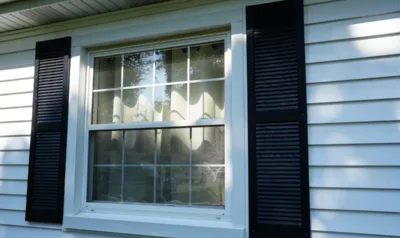
The Different Parts of a Window
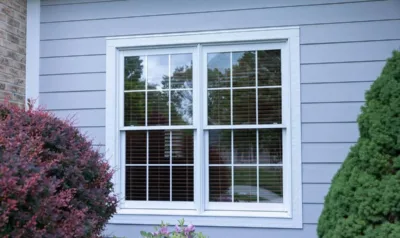
There are two reasons most homeowners have to look up the different parts of a window. Either somebody handed you a quote or a warranty full of words like stool, apron, and check rail, or something on your window stopped working and you need to know what to call it before you can get it fixed.
Either way, this list not only explains each part of a standard replacement window, it also pairs each part with common issues it can give you.
What Are the Parts of a Window?
A window’s components fall into four systems:
- The frame: The fixed outer structure attached to the house.
- The sash: The moving part that holds the glass.
- The glass package: The sealed unit of panes, spacer, and coatings that does the insulating.
- The hardware: What makes the window open, close, and lock.
A fifth group, the weather-management parts, is small, unglamorous, and causes most of the calls we get.
Parts of the Window Frame
The frame is what’s permanently fixed in the wall opening, and it has four key parts: the head, jambs, sill, and stool.
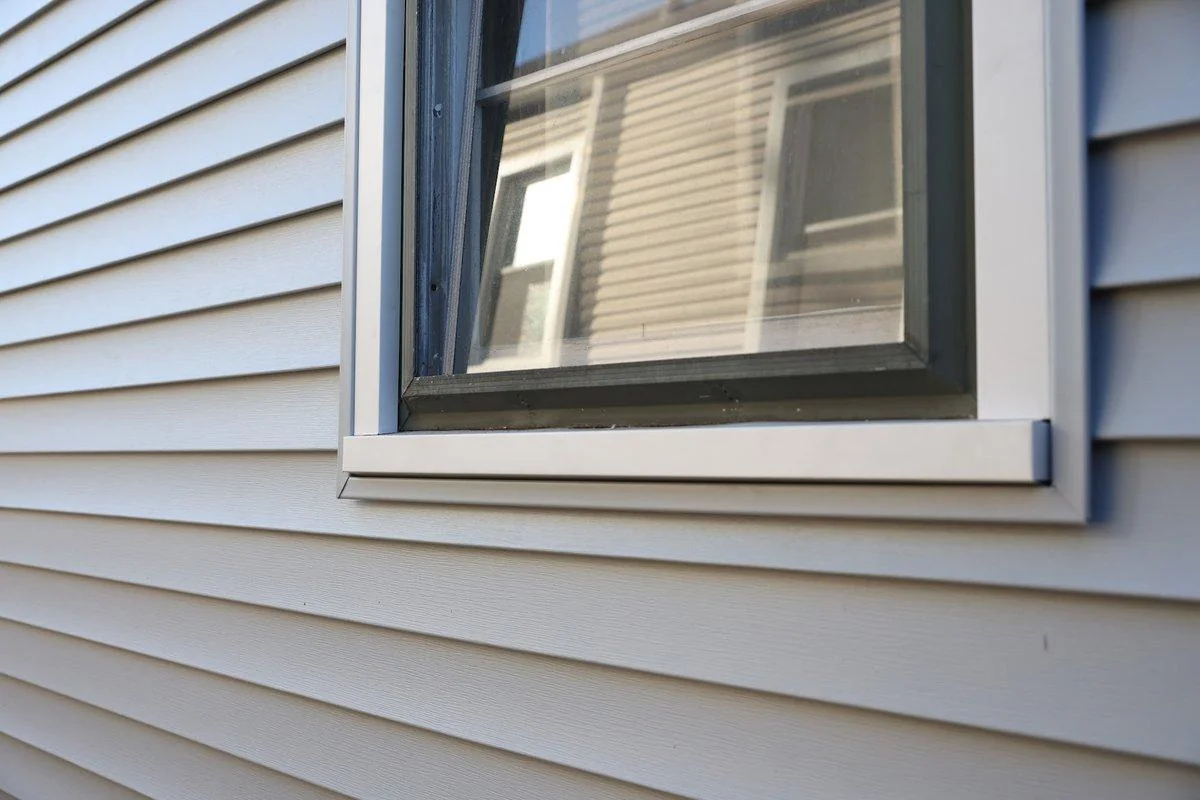
Head: The horizontal piece across the top.
Jambs: The vertical sides running from head to sill.
Sill: The bottom horizontal piece on the exterior, sloped so water runs away from the house rather than sitting against the glass.
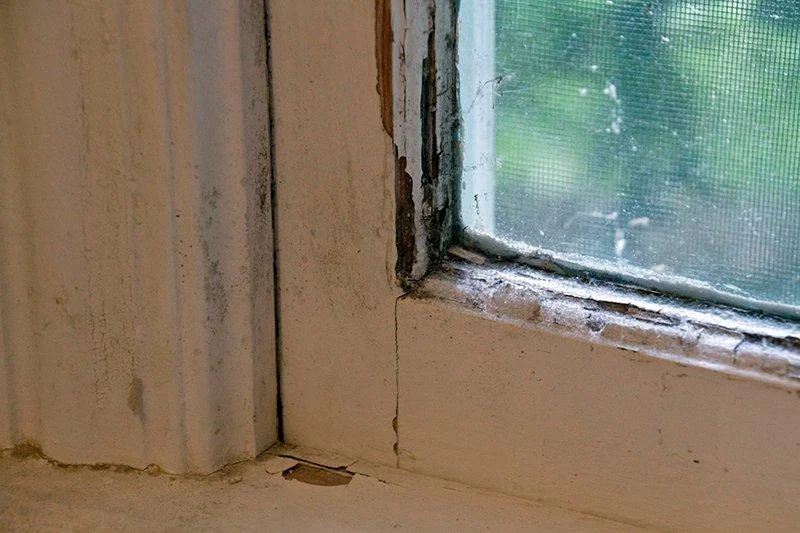
Stool: The interior ledge at the bottom, the part people call the windowsill. The sill is outside; the stool is inside.
Apron: The trim piece directly beneath the stool, finishing the wall below it.
Casing: The interior trim framing the window, and sometimes the exterior trim too. When someone asks what the trim inside the window frame is called, this is it.
Nailing fin: A flange around the outside of a window on a new build that fastens it to the sheathing and gets covered by siding. Replacement windows usually don’t have one, which is one reason why a replacement window can go into an existing opening without stripping the exterior.
Signs of frame trouble
Soft, spongy, or discolored wood at the bottom corners of the jambs and around the sill is rot, and it means water has been getting in for a while. Rot in the frame doesn’t require a repair on a vinyl window, but it’s a significant repair on a wood one. A frame that has gone out of square (which you’ll notice as a door-like gap that’s wider at one corner than the other) usually means the house has settled and the window will never seal right without being reset.
Parts of the Window Sash
The sash is the assembly that holds the glass and moves.
Stiles: The vertical sides of the sash.
Rails: The horizontal top and bottom pieces.
Check rail, or meeting rail: Where the two sashes of a double-hung window meet in the middle. A casement has no check rail, which is one reason a casement seals better.
Muntins and grilles: The narrow bars dividing the glass into smaller panes. On old windows, muntins held separate pieces of glass. On modern windows, they’re usually decorative grilles applied to the surface or sealed between the panes.
Sash lock and keeper: The latch on the check rail and the plate it catches. The lock isn’t only security; on a double-hung it pulls the two sashes tight against each other, which is what completes the weather seal. A window that feels drafty with the lock open and fine with it closed is behaving normally.
Signs of sash trouble
A sash that won’t stay up, drops on its own, or is hard to lift has a balance problem. A sash that’s swollen and sticking is usually due to wood absorbing moisture. Racked or separated sash corners on an older window mean the corner joints have separated, and at that point you’ll need a new sash or a new window.
Parts of the Glass Package
This is where a modern window does its insulating work.

Pane: A single sheet of glass.
Glazing: Both the glass itself and the act of installing it. Double-pane glass means two panes, triple-pane means three.
Insulated glass unit, or IGU: Two or more panes sealed together as a single factory-made assembly with a gap between them. The IGU is a component, and it can be replaced on many windows without replacing the whole unit.
Spacer: The bar around the perimeter that holds the panes apart and carries the seal. Warm-edge spacers use lower-conducting materials to reduce heat loss at the edge of the glass, which is where it’s the worst.
Gas fill: Argon or krypton between the panes instead of air. Both conduct heat more slowly than air does.
Low-E coating: A microscopically thin metallic layer on the glass that reflects heat while letting light pass through. The target surface changes whether it’s mainly keeping heat in or keeping solar heat out, which is why the right glass in a cold climate differs from the right glass in a hot one. The published criteria for residential windows vary by climate zone for exactly this reason.
Signs of glass trouble
Condensation or a permanent haze between the panes, which no amount of cleaning can fix, means the IGU seal has let go and the gas fill is gone. That window has lost most of its insulating advantage. On many windows the glass unit alone can be replaced, which is far cheaper than a new window.
Condensation on the room-side surface is a different thing entirely and usually means high indoor humidity rather than a malfunctioning window.
Window Hardware Parts
Balances: The spring or coil mechanism hidden in the jambs of a hung window that counterweights the sash so it stays where you put it. This is the most commonly replaced window part.
Operator, or crank: The geared mechanism that pushes a casement or awning sash open. If gears strip, the crank will spin without moving the sash.
Hinges: The pivoting arms that carry a casement or awning sash.
Rollers and tracks: The wheels under a sliding sash and the channel that guides them.
Tilt latches: The catches at the top of a double-hung sash that release it to tilt inward for cleaning.
Signs of hardware trouble
Almost all window hardware is repairable. Balances, operators, latches, and rollers are replaceable parts on most windows made in the last few decades, and a hardware problem by itself is rarely a reason to replace a window.
The exception is availability: on a discontinued line or an off-brand window, the part may not exist anymore.
Window Weatherstripping, Seals, and Weep Holes
Small, cheap, and responsible for most complaints.
Weatherstripping: The replaceable, compressible seal between sash and frame. It hardens and flattens with age, and that’s a common cause of a draft on a window that otherwise looks fine.
Glazing bead: The strip holding the glass into the sash. If it’s loose or missing, the glass isn’t properly retained.
Sealant joint: The caulk line where the window meets the wall on the outside. This is maintenance, not a permanent component, and a cracked one lets water into the wall rather than into the room, which is why it can do damage before anyone notices.
Weep holes: Small slots along the bottom of the exterior frame that drain water out of the sill track. Homeowners sometimes see them, assume they’re letting air in, and caulk them shut, which traps water inside the frame and does exactly the damage the holes exist to prevent. If water pools in the track or overflows into the room during heavy rain, the first thing to check is whether the weep holes are blocked with dirt, paint, or caulk.
Window Screen Parts
The screen has its own vocabulary because it’s a separate assembly: the frame (usually aluminum), the mesh or screen cloth, the spline (the flexible cord pressed into a groove to hold the mesh taut), and the pull tabs or clips that hold it in the window. Rescreening is a cheap repair, which involves replacing the spline and mesh.
Parts of a Window: Problems, Symptoms, and Fixes
| Part | Problem | Usual fix |
|---|---|---|
| Balance | Sash won’t stay up or is hard to lift | Replace the balance |
| Crank operator | Handle turns but the sash doesn’t move | Replace the operator |
| Rollers and track | Slider drags or jumps the track | Clean the track, replace rollers |
| Weatherstripping | Draft you can feel with the window shut | Replace the weatherstripping |
| Weep holes | Water pools in the track or spills inside | Clear them out, never seal them |
| IGU seal | Fog or haze between the panes | Replace the glass unit, sometimes the window |
| Sash lock | Window won’t pull tight, feels drafty | Adjust or replace the lock and keeper |
| Sealant joint | Exterior caulk cracked or missing | Re-seal, and check the wall below for damage |
| Frame (rot) | Soft or crumbling wood at the sill or jamb corners | Replace the window |
| Frame (out of square) | Uneven gap around the sash, won’t seal | Reset or replace the window |
Hardware and seal issues can typically be repaired, while frame damage means a window replacement. Glass can go either way, depending on the window.
When to Replace Your Windows
At some point the sensible move is a new window rather than a fourth repair on an old one. That’s usually when the frame is damaged, when parts for that line are no longer made, or when you’re repairing several windows a year. A window in good condition should reach its service life.

Home Genius Exteriors provides free, no-obligation inspections where one of our Home Remodeling Experts can tell you whether you need a repair or replacement. Schedule your free inspection today.
Frequently Asked Questions
What are the parts of a window frame?
The frame is the fixed outer structure and has a head across the top, jambs down each side, and a sill along the bottom exterior. Inside, the stool is the ledge at the bottom, the apron is the trim beneath it, and the casing is the trim surrounding the opening. New-construction windows also have a nailing fin, a flange that fastens the unit to the sheathing behind the siding.
What are the 5 parts of a window and their functions?
The frame holds the window in the wall, the sash holds the glass and moves, the glass package does the insulating, the hardware makes it open and lock, and the weatherstripping seals the gap between sash and frame. There’s also the weep holes, which drain water out of the sill track and can cause problems when they’re blocked.
What are the parts of a window screen?
The screen is a separate assembly with four parts: the frame, usually aluminum; the mesh, also called screen cloth; the spline, a flexible cord pressed into a groove around the frame to hold the mesh taut; and the pull tabs or clips that hold the screen in the window. Rescreening replaces the mesh and the spline together.
What are the exterior parts of a window called?
From outside you see the sill, the sloped piece at the bottom that sheds water; the exterior casing or brickmold that trims the opening; the head and jambs of the frame; the sash holding the glass; and the weep holes along the bottom of the frame that drain the sill track. On a new-construction window, a nailing fin also sits hidden behind the siding.