Wood Siding Types: Costs, Durability & Maintenance
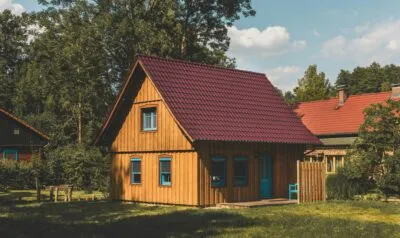
Most homeowners fall in love with the look of wood siding long before they understand what it takes to maintain it. The rich grain of cedar clapboard or the bold vertical lines of board and batten can transform a home’s curb appeal overnight. But choosing among the many wood siding types available today requires more than aesthetic preference. You need to weigh durability against your local climate, balance upfront cost with long-term maintenance, and decide whether real wood is worth the commitment compared to modern engineered alternatives.
This guide breaks down major wood siding styles, compares costs and lifespans side by side, and gives you a realistic maintenance schedule so you can make a final decision. Whether you’re building new or replacing aging siding, the goal here is simple: help you pick the right material for your home, your budget, and your tolerance for upkeep.
What Is Wood Siding and When Does It Make Sense?
Wood siding refers to any exterior cladding made from natural lumber, cut and milled into profiles that overlap or interlock to shed water. It has been the dominant siding material in North America for centuries, and up until fairly recently, nothing else has replicated the warmth and texture of real wood.
Wood isn’t the right fit for everyone. It requires periodic refinishing, can be vulnerable to moisture and insects, and costs more to maintain over its lifetime than fiber cement siding or vinyl siding. If you’re the kind of homeowner who prefers a “set it and forget it” exterior, wood will frustrate you.
Advantages of Real Wood Siding
Wood siding offers genuine design versatility that synthetic materials struggle to match. You can paint it, stain it, or let it weather to a silver-gray patina. Individual damaged boards are easy to replace without disturbing the rest of the wall, which keeps long-term repair costs manageable.
From a sustainability perspective, wood has a smaller environmental footprint than many alternatives. It’s renewable, recyclable, and produces less greenhouse gas during processing.
Disadvantages of Wood Siding
Moisture is wood’s biggest enemy. Without proper flashing, a drainage plane behind the siding, and regular sealing, rot can develop within a few years in humid climates. Termites and carpenter ants also target untreated softwoods. And while wood’s upfront material cost is competitive, the lifetime maintenance expense often exceeds the initial investment. You should factor in repainting or restaining every 3 to 7 years, depending on your climate and finish type.
Wood Siding Types: Profiles, Patterns, and Best Uses
The term “wood siding” covers a wide range of profiles. Each one sheds water differently, creates a distinct shadow line, and suits certain architectural styles better than others. Here’s what you need to know about the most common options.
Clapboard and Lap Siding
Clapboard siding consists of long, horizontally installed boards that taper from a thicker bottom edge to a thinner top. Each board overlaps the one below it, creating an effective water-shedding profile. This is the classic New England look, and it works beautifully on Colonial, Cape Cod, and traditional homes.
Clapboard typically runs $5 to $10 per square foot installed, depending on wood species. Cedar clapboard sits at the higher end, while pine costs less but requires more frequent maintenance. If your home has a historic or traditional architectural style, clapboard is a good call.
Shiplap Siding
Shiplap gained massive popularity as an interior design trend, but it originated as exterior siding. Each board has a rabbet (notch) cut into the top and bottom edges so they interlock with a slight reveal. The result is a clean, tight-fitting wall with subtle shadow lines.
Exterior shiplap performs well in moderate climates but can trap moisture behind the overlap in very humid or rain-heavy regions. It runs roughly $6 to $12 per square foot installed. Shiplap is great for modern farmhouse and contemporary designs, but clapboard or board and batten are better if you live in a coastal area with heavy driving rain.
Board and Batten Siding
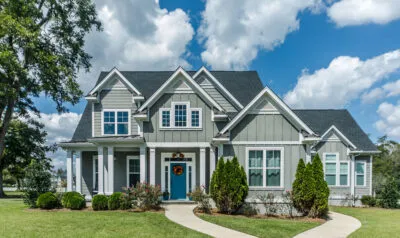
Board and batten uses wide vertical boards with narrow strips (battens) covering the seams between them. It creates bold, vertical lines that make homes appear taller. This profile is a staple of farmhouse architecture and works exceptionally well on gable ends or as an accent treatment.
Expect to pay $7 to $14 per square foot installed. The vertical orientation actually helps water drain efficiently, making board and batten a solid performer in rainy climates. Installation is slightly more complex than horizontal profiles because you need consistent spacing and plumb lines across the entire wall.
Shingles, Shakes, and Log Siding
Wood shingles are machine-cut for a uniform look, while shakes are hand-split for a rougher, more rustic texture. Both install in overlapping rows and excel on Craftsman, cottage, and coastal homes. They cost $8 to $16 per square foot installed, and their layered profile naturally sheds water when properly maintained.
Log siding mimics the look of a log cabin using half-round or quarter-round profiles milled from solid wood. It’s the most expensive option at $10 to $20+ per square foot and requires aggressive maintenance. Unless you’re specifically going for a rustic cabin aesthetic, log siding adds unnecessary cost and upkeep for most homeowners.
Wood Siding Cost Comparison
Price varies based on wood species, profile complexity, and your regional labor market. The table below provides typical installed cost ranges to help you budget realistically. These figures assume professional installation on a standard two-story home.
| Siding Type | Installed Cost (per sq ft) | Lifespan | Maintenance Level |
|---|---|---|---|
| Clapboard / Lap | $5 – $10 | 20 – 40 years | Moderate |
| Shiplap | $6 – $12 | 20 – 35 years | Moderate |
| Board and Batten | $7 – $14 | 20 – 40 years | Moderate to High |
| Shingles / Shakes | $8 – $16 | 25 – 50 years | High |
| Log Siding | $10 – $20+ | 25 – 50 years | High |
Keep in mind these are material and labor costs only. You’ll also need to budget for primer, paint or stain, and potentially new housewrap or flashing. Homeowners weighing full replacement should also consider the cost of siding replacement vs siding repair before committing to a complete overhaul. A professional siding replacement estimate shows the full cost before you commit.
How to Choose the Right Wood Siding for Your Climate
Your region should heavily influence which wood siding type you choose. A profile that performs well in the dry Southwest may fail within a decade in the humid Mid-Atlantic.
Humid and Rainy Climates
Moisture-rich environments demand wood species with natural rot resistance, such as cedar or redwood. Profiles with positive drainage, like clapboard and board and batten, outperform tight-fitting options like tongue and groove in these regions. Proper ventilation behind the siding is non-negotiable: you need a drainage plane and a minimum ¼-inch rainscreen gap to prevent moisture from being trapped against the sheathing.
Cold and Freeze-Thaw Climates
In northern states, wood siding faces repeated freeze-thaw cycles that can crack paint and open joints. Oil-based stains tend to outperform latex paint in these conditions because they penetrate the wood rather than sitting on the surface. Cedar shingles have a better track record in cold climates thanks to their natural insulating properties and ability to handle moisture movement.
For Midwest and Northeast homeowners, factors like ice dam potential and snow load also matter. In the upper Midwest, Michigan and Ohio homes face particularly aggressive freeze-thaw cycles that affect both species selection and finish longevity.
Wood Siding Maintenance
Maintenance is where wood siding gets real. Skip it, and you’ll face rot, peeling, and structural damage. Stay on top of it, and your siding can last decades.
Paint vs. Stain vs. Natural Weathering
Paint provides the best UV and moisture protection but creates a film that eventually cracks and peels, requiring scraping before reapplication. Semi-transparent stain penetrates the wood and wears away gradually rather than peeling, making touch-ups easier. Solid-body stain splits the difference, offering more color coverage than semi-transparent while still penetrating somewhat.
Natural weathering (no finish at all) works on certain species like cedar and cypress. The wood turns a silver-gray over time and can give rustic character to the right home. However, unfinished wood is more susceptible to checking, splitting, and moisture absorption, so only take this approach if you’re using a naturally durable species and you genuinely like the weathered look.
Recommended Maintenance Timeline
- Annually: Inspect all walls for cracking, peeling, mildew, or insect damage. Clean siding with a garden hose (avoid pressure washers on softwood).
- Every 3–5 years: Restain with semi-transparent stain, or touch up painted surfaces and spot-prime bare wood.
- Every 5–7 years: Full repaint if using paint, or reapply solid-body stain.
- Every 10–15 years: Replace any boards showing signs of rot, check caulk at all trim junctions, and evaluate flashing condition.
Skipping even one maintenance cycle in a humid climate can cascade into expensive repairs. Cupping, warping, and fungal growth accelerate quickly once the finish fails.
Wood Siding vs. Engineered Wood vs. Fiber Cement
Real wood isn’t the only option for homeowners who prefer the classic wood look. Engineered wood (like LP SmartSide) and fiber cement (like James Hardie) mimic the look of natural wood with significantly less maintenance.
Engineered wood siding uses wood strands bonded with resin and treated with zinc borate for insect and moisture resistance. It costs $4 to $9 per square foot installed, holds paint well, and lasts 20 to 30 years. It’s a strong middle ground between real wood’s beauty and vinyl’s low maintenance. However, it lacks the natural grain variation of solid wood, and cut edges must be sealed immediately to prevent moisture infiltration.
Fiber cement costs $6 to $13 per square foot installed and lasts 30 to 50 years with minimal upkeep. It resists fire, insects, and rot, so it’s no surprise that fiber cement siding is growing in popularity. While fiber cement is heavy, requires specialized cutting tools, and doesn’t have wood’s warmth up close, it’s an excellent alternative to homeowners seeking the wood look without the upkeep.
If maintenance is your primary concern, fiber cement or engineered wood will serve you better than natural wood siding.
Choosing the Right Wood Siding for Your Home, Budget, and Climate
Choosing between wood siding types comes down to three questions: How much maintenance are you willing to do? What specific needs do you have thanks to the local climate? And what look do you actually want to live with for the next 20 to 40 years?
Clapboard and board and batten remain the most versatile performers across climates and architectural styles. Shingles and shakes reward patient homeowners with unmatched character. However, engineered wood and fiber cement deserve serious consideration if you want the wood look without the upkeep.
Whatever direction you lean, working with an experienced siding contractor makes the difference between a 15-year installation and a 40-year one. While Home Genius Exteriors doesn’t install wood siding for many of the reasons mentioned in this article, we regularly work with first class materials like fiber cement. Call today for a free inspection and estimate to find the right siding solution for your home.
Frequently Asked Questions
How do I estimate how much siding material I need for my home?
Measure the exterior wall area (length times height for each wall) and subtract large openings like windows and doors. Add 10 to 15 percent for waste, especially for shingles, shakes, and complex gables. A contractor can verify measurements and account for trim, corners, and starter courses.
What wood species are best if I want a specific look (clear, knotty, rustic)?
If you want a clean, uniform appearance, ask for clear or select grades with minimal knots, commonly available in cedar and some pine options. For a rustic style, knotty grades create more character but can require extra prep to reduce sap bleed and uneven absorption. Your supplier can show grade samples so you can approve the look before ordering.
Can I install wood siding over existing siding, or should I remove the old material first?
Sometimes you can reside over an existing layer, but it depends on whether the current surface is flat, structurally sound, and free of trapped moisture issues. Full tear off is often the safer choice if there is rot, unevenness, or unknown water damage because it allows proper detailing at flashing and penetrations. A site inspection is the best way to determine the right approach.
What are the biggest installation details that prevent water damage in wood siding?
Prioritize correct flashing at windows, doors, roofs, and deck ledgers, plus careful detailing around penetrations like hose bibs and vents. Maintain proper clearances above roofing, grade, and hard surfaces to prevent wicking and splash back. Using corrosion-resistant fasteners and following manufacturer nailing patterns also helps avoid splitting and future leaks.
How do I choose between face-nailing and hidden-nailing for wood siding?
Hidden nailing can create a cleaner look on some profiles, but it can reduce holding power if not designed for it. Face nailing is often more secure and easier to service, and it can be visually subtle when nails are placed consistently and filled correctly. Your installer should follow the specific nailing method recommended for the profile and wood thickness.
What should I look for in a contractor’s warranty and workmanship standards for wood siding?
Ask whether the warranty covers labor as well as materials, and get clarity on exclusions like moisture intrusion from adjacent components (roofing, windows, gutters). Request proof of manufacturer certifications (if applicable), written scope details (prep, flashing, sealing), and photos of similar projects. A strong warranty is most valuable when the contract spells out the installation standards that it’s based on.
How can I keep wood siding looking consistent over time, especially after spot repairs?
Save the original finish information (brand, color code, sheen) and keep a small amount of matching stain or paint for touch-ups. When replacing boards, expect natural color variation, using a primer and test patches can help blend new material with weathered surfaces. Scheduling periodic cleaning helps reduce uneven discoloration from pollen, algae, and pollution.