Cost of Siding Replacement vs Siding Repair: Which Is Worth It?
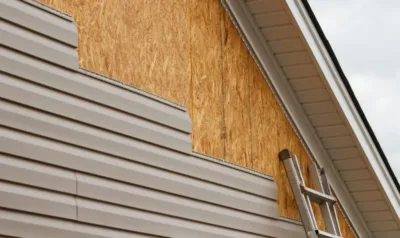
When your home’s siding starts to crack, warp, or show signs of wear, it’s easy to assume the fix will be simple. But once you start researching your options, many homeowners quickly realize the decision isn’t just about fixing what’s visible—it’s about choosing between siding repair and full siding replacement, and understanding what each option really costs over time. While repair may seem like the cheaper solution at first, it doesn’t always address underlying issues like moisture intrusion, insulation gaps, or aging materials that can quietly drive up future expenses.
That’s why comparing the cost of siding replacement vs siding repair requires more than just looking at the initial price tag. Factors like how old your siding is, the extent of the damage, energy efficiency, curb appeal, and even resale value all play a role in determining which option delivers the best return. If you’re still gathering information, the Home Genius Exteriors blog offers additional homeowner resources to help you understand exterior upgrades before making a decision.
Average Siding Costs by Type
| Siding Type | Repair Cost (per sq. ft.) | Replacement Cost (per sq. ft.) | Lifespan | Best For |
| Vinyl | $2–$6 | $5–$14 | 20–40 years | Budget-friendly homes, quick repairs |
| Fiber Cement | $4–$10 | $8–$18 | 30–50 years | Durability, resale value |
| Engineered Wood | $4–$8 | $7–$16 | 20–30 years | Wood look with lower maintenance |
| Wood (Cedar) | $6–$12 | $10–$20 | 20–40 years | Historic or high-end homes |
| Aluminum | $3–$7 | $6–$12 | 30–40 years | Moisture-prone climates |
| Stucco | $8–$20 | $10–$25 | 50+ years | Southwest & modern exteriors |
| Brick Veneer | $10–$30 | $15–$40 | 75+ years | Long-term, low-maintenance homes |
Siding Repair vs Siding Replacement: The Quick Answer
- Siding repair is usually cheaper upfront and works best for small, localized damage.
- Siding replacement costs more initially but often delivers better long-term value, fewer repairs, and improved curb appeal.
This decision mirrors what homeowners face when weighing roof repair vs replacement—small fixes can work temporarily, but repeated repairs often signal a larger issue.
Cost of Siding Repair
Siding repair focuses on fixing damaged sections rather than removing everything. This option is common after storms, minor water damage, or isolated wear. For a deeper breakdown of typical repair pricing and what drives it, check this siding repair cost guide from This Old House.
When Siding Repair Makes Sense
Siding repair is usually the better choice if:
- Damage is limited to one area
- Siding is less than 10–15 years old
- There’s no moisture damage underneath
- You want a short-term, budget-friendly fix
This approach is similar to repairing just a section of a roof—it works best when the surrounding materials are still performing well.
Cost of Siding Replacement
Siding replacement involves removing old siding and installing brand-new materials across the home. While more expensive upfront, it can solve recurring issues permanently. If you want current ballpark pricing ranges, here’s a helpful siding replacement cost guide from This Old House.
If you’re exploring full-service options, Home Genius provides professional siding replacement designed to improve durability, efficiency, and curb appeal.
When Siding Replacement Is Worth It
Full replacement is usually the smarter choice if:
- Damage is widespread or recurring
- Siding shows rot, warping, or mold
- Repairs no longer blend with existing siding
- Energy bills are rising due to poor insulation
- You want to improve resale value
Siding Replacement and Home Value
If resale value matters, siding replacement is often a strong investment. The 2025 Cost vs. Value Report consistently shows vinyl and fiber cement siding replacement among the top exterior projects for return on investment nationwide.
This is why many homeowners also evaluate reroofing vs roof replacement—doing a full upgrade once can outperform repeated partial fixes.
Hidden Costs Homeowners Often Miss
When comparing siding replacement vs siding repair costs, it’s important to consider what’s happening behind the siding. Even small gaps can allow moisture intrusion, which may lead to mold or structural damage.
The U.S. Environmental Protection Agency (EPA) emphasizes that moisture trapped inside exterior walls is one of the most common causes of long-term home damage, especially when exterior materials are aging.
Material choice matters here as well. For example, homeowners considering fiber cement often ask whether it resists moisture, which is covered in whether fiber cement siding is waterproof.
Energy Efficiency: Replace Once, Upgrade Smart
One underrated advantage of replacement is that it’s the perfect time to improve insulation and air sealing. The U.S. Department of Energy specifically notes insulation upgrades as a smart move when exterior siding is removed—see their home insulation guidance.
For an even more technical deep dive on adding insulation during re-siding, Pacific Northwest National Laboratory has a great explainer on adding exterior insulation with re-siding.
Material Performance and Longevity
Different siding materials age at different rates. Manufacturer guidance from brands like James Hardie shows that fiber cement siding can last decades when properly installed and maintained, while vinyl siding lifespan depends heavily on climate exposure.
If you’re unsure how close your siding is to the end of its life, how long siding lasts provides a helpful benchmark.
Choosing the Best Siding for Your Climate
Climate plays a major role in whether repair or replacement makes sense. Local weather, humidity, and temperature swings all impact siding performance. These guides can help narrow your options:
- Best siding for Michigan homes
- Best siding for Delaware homes
- Best siding for South Carolina homes
- Best siding for Maryland homes
Final Verdict: Repair or Replace?
If you’re dealing with minor, isolated damage, siding repair is often the most cost-effective solution. But if your siding is older, inefficient, or showing recurring problems, replacement typically provides better protection, lower long-term costs, and increased home value.
Get a Professional Assessment
At Home Genius Exteriors, we evaluate your siding honestly and help you decide whether repair or replacement makes the most financial sense.
Contact Home Genius Exteriors to schedule a free siding inspection and get real pricing for your home.
Frequently Asked Questions
How does siding material impact the environmental sustainability of my home?
Siding materials vary in their environmental footprint, with options like fiber cement and engineered wood often offering more sustainable manufacturing processes and recyclability compared to vinyl or aluminum. Choosing eco-friendly siding can contribute to reducing your home's overall carbon footprint.
What maintenance practices can extend the lifespan of different types of siding?
Regular cleaning, prompt repair of minor damages, and applying protective finishes where applicable are key maintenance practices that help prolong siding life. For instance, wood siding benefits from periodic sealing or painting, while vinyl may just require cleaning to prevent mildew.
Are there financing options available for siding replacement projects?
Many contractors and home improvement lenders offer financing plans or home equity loans specifically designed for exterior upgrades, including siding replacement. Exploring these options can make costly projects more affordable through manageable monthly payments.
How can siding choices affect my home's energy efficiency beyond insulation?
Certain siding materials have inherent insulating properties or can reflect solar radiation better than others, which helps regulate indoor temperatures. Additionally, combining siding with energy-efficient barriers or radiant barriers can optimize your home's overall energy performance.
What are the common signs that indicate underlying structural problems behind damaged siding?
Signs such as persistent moisture, mold growth, wood rot, or warping suggest potential structural damage beneath siding. Observing these symptoms warrants professional inspection to prevent further deterioration and costly repairs.
How does local building code influence siding installation and replacement?
Building codes often dictate standards for siding materials, installation methods, and fire resistance to ensure safety and durability. Compliance with local regulations may affect material choice and installation processes, so consulting local codes is essential before starting a project.
What role does siding color play in home maintenance and energy savings?
Lighter-colored siding tends to reflect sunlight, keeping homes cooler in warmer climates and potentially reducing cooling costs, whereas darker colors can absorb heat, beneficial in colder regions. Color choice also impacts UV damage resistance and the frequency of cleaning required.