How Long Does Siding Last?
The lifespan of siding depends primarily on the material used, with most options lasting anywhere from 20 to over 100 years. While vinyl, wood, and aluminum siding typically last 20–40 years, more durable choices like fiber cement can last 30–50 years, and brick can endure for a century or more.
Climate, installation quality, and maintenance also play critical roles in determining how long siding will perform effectively. Understanding these differences helps homeowners make informed decisions that balance aesthetics, budget, and long-term value.
Average Lifespan by Siding Material
Not all siding is created equal when it comes to longevity. Here’s a look at how long you can expect different types of siding to last under typical conditions:
- Vinyl Siding: 20–40 years
- Wood Siding: 20–40 years (with regular upkeep)
- Aluminum Siding: 20–40 years
- Fiber Cement (Hardie Board): 30–50+ years
- Stucco: 50–80 years
- Brick: 100+ years
- Stone Veneer: 30–75 years
As you can see, materials like brick and stucco can last for generations, while vinyl and wood tend to have shorter service lives, especially in challenging environments.
Fiber Cement Siding: The Durable All-Star
Fiber cement siding, including the well-known Hardie Board, is among the most popular choices for homeowners who want a balance of longevity, weather resistance, and style. Its typical lifespan ranges from 30 to 50 years or more with proper installation.
Made from Portland cement, sand, cellulose fibers, and proprietary additives, fiber cement resists rot, fire, insects, and moisture. It performs exceptionally well in nearly every climate and only requires occasional painting and caulking to stay in top condition.
Vinyl, Wood, and Aluminum Siding: Lifespan and Trade-Offs
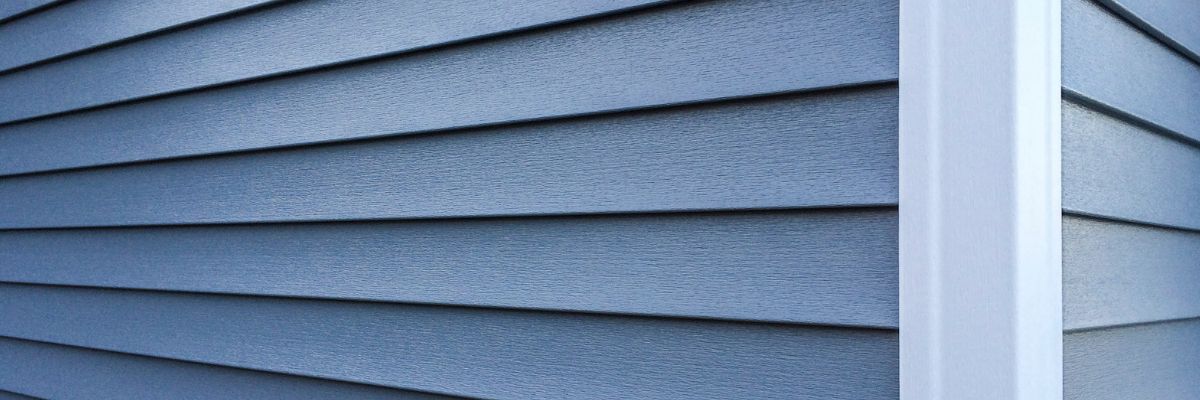
Vinyl siding remains one of the most affordable options. It typically lasts 20 to 40 years, especially in cooler or moderate climates. It’s easy to install and requires minimal maintenance, but it’s vulnerable to fading, cracking, and warping in extreme heat or under intense sun exposure.
Wood siding offers timeless beauty but comes with a trade-off—higher maintenance. Natural wood must be regularly painted, stained, or sealed to prevent rot and insect damage. With diligent care, it can last up to 40 years, but without proper upkeep, its lifespan may be cut in half.
Aluminum siding, once popular in coastal and humid climates, also offers a 20–40 year lifespan. It’s resistant to moisture and insects but prone to denting and offers less insulation than newer options.
Stucco, Brick, and Stone Veneer: Long-Term Performers
Stucco siding, typically used in Southwestern and Mediterranean-style homes, can last 50 to 80 years. When applied correctly and maintained, it offers excellent moisture resistance and energy efficiency, though it can crack in regions with frequent freeze-thaw cycles.
Brick is one of the most durable siding options available. It’s not uncommon for well-built brick homes to last over 100 years. Brick offers exceptional insulation, low maintenance, and a classic aesthetic—but at a much higher upfront cost.
Stone veneer, though not quite as long-lasting as full stone, is a solid performer with a lifespan of 30 to 75 years depending on installation quality and exposure. It gives the look of natural stone at a more manageable weight and cost.
Factors That Affect Siding Lifespan
Regardless of the material, several external factors influence how long siding actually lasts on your home:
1. Installation Quality
No matter how durable the siding material, poor installation will dramatically shorten its life. Proper flashing, sealing, and spacing are essential—especially for wood and fiber cement. Always hire experienced, certified installers to ensure your siding performs as intended.
2. Climate Conditions
Harsh climates take a toll on siding. Areas with frequent rainfall, hurricanes, snow, or intense sun require materials that resist moisture, UV radiation, and thermal expansion. For example, fiber cement performs well in nearly all environments, while wood struggles in humid or wet regions.
3. Maintenance Practices
Maintenance matters. Wood needs staining or sealing every few years. Fiber cement benefits from repainting every 7–15 years. Even vinyl should be cleaned annually to prevent mold buildup. Regular inspection and timely repairs can add years to any siding’s lifespan.
4. Exposure Orientation
The sides of your home facing south or west receive more sunlight and weather exposure. Siding in these areas often fades faster or becomes more brittle. Using UV-resistant materials and applying protective finishes helps counteract this effect.
Best Siding by Climate Zone
Here’s a climate-based look at which materials perform best in different regions:
Hot & Sunny Climates
- Best Materials: Fiber cement, brick, metal
- Why: These materials resist UV rays and don’t warp or melt in high heat.
Cold & Snowy Climates
- Best Materials: Fiber cement, insulated vinyl, brick
- Why: They offer good thermal performance and resist freeze-thaw damage.
Humid & Rainy Climates
- Best Materials: Fiber cement, vinyl, engineered wood
- Why: These materials resist mold, moisture, and rot better than natural wood.
Coastal Areas
- Best Materials: Fiber cement, aluminum, metal
- Why: These are resistant to salt air, high winds, and humidity.
Dry/Mild Climates
- Best Materials: Wood, engineered wood, fiber cement
- Why: Less moisture means less risk of rot, so more materials are viable.
Mixed Climates
- Best Materials: Fiber cement, engineered wood
- Why: These materials handle a wide range of weather patterns effectively.
Siding Lifespan and Climate Suitability Table
| Siding Material | Best Climates | Lifespan | Maintenance | Key Benefits |
| Fiber Cement | All climates | 30–50+ years | Low | Fire-, rot-, and pest-resistant |
| Vinyl | Moderate, cold | 20–40 years | Very low | Budget-friendly, color options |
| Engineered Wood | Cold, mild | 20–40 years | Moderate | Wood look, improved durability |
| Aluminum | Coastal, humid | 20–40 years | Low | Lightweight, corrosion-resistant |
| Wood | Dry, mild | 20–40 years | High | Classic appearance, customizable |
| Stucco | Dry, warm | 50–80 years | Low | Great insulation, smooth finish |
| Brick | All climates | 100+ years | Very low | Durable, energy-efficient |
| Stone Veneer | All climates | 30–75 years | Low | High-end appearance, lighter than stone |
Final Thoughts: What Siding Lasts the Longest?
If longevity is your top priority, brick siding is unmatched. For a balance of durability, cost, and versatility across climates, fiber cement siding is the best choice for most homeowners. Vinyl remains the go-to option for those on a tight budget, while wood appeals to those who value aesthetics and don’t mind the upkeep.
Choosing the right siding involves more than comparing numbers on a lifespan chart—it means considering your climate, long-term goals, and maintenance tolerance. With the right choice, your home’s siding can protect and enhance your investment for decades to come.
Looking to choose siding that will stand the test of time? Contact Home Genius Exteriors for expert guidance and installation. Our team can help you select the best siding for your home’s climate, style, and budget—whether you’re leaning toward fiber cement, vinyl, or another durable material. With professional craftsmanship and personalized recommendations, Home Genius ensures your home stays protected and beautiful for decades to come.
Frequently Asked Questions
What are the environmental considerations when choosing siding materials?
Some siding materials, like fiber cement and brick, are more environmentally friendly due to durability and low maintenance, reducing waste over time. Additionally, selecting locally sourced or recyclable materials can further minimize environmental impact.
How does siding insulation affect home energy efficiency?
Siding materials with built-in insulation, such as insulated vinyl or brick, can improve a home's thermal performance by reducing heat loss or gain, leading to lower energy bills and enhanced comfort.
What are common warning signs that siding needs repair or replacement?
Look for cracking, warping, fading, mold or mildew growth, and water infiltration behind the siding. Timely addressing these issues can prevent more extensive damage to the home’s structure, whether the fix ends up being a repair or a full siding replacement.
How do installation errors impact siding performance over time?
Incorrect installation can lead to poor sealing, water intrusion, and reduced durability regardless of the material used, often resulting in premature deterioration and increased maintenance costs.
Can combining different siding materials enhance a home's exterior?
Yes, combining materials like brick with fiber cement or wood with stone veneer can add visual interest, highlight architectural features, and optimize performance by leveraging the strengths of each material.
What maintenance practices can extend the life of less durable siding materials?
Regular cleaning, timely repainting or sealing, addressing minor damages promptly, and protecting siding from excessive moisture and UV exposure can significantly prolong its lifespan.
How does siding color choice affect its durability and home comfort?
Lighter colors reflect more sunlight, helping to keep homes cooler in hot climates and reducing fading, whereas darker colors may absorb heat but can create a striking aesthetic suitable for cooler regions.