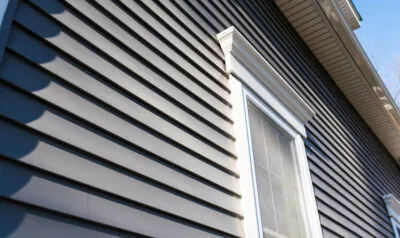
How Long Does Fiber Cement Siding Last?
With proper care and maintenance, fiber cement siding can last between 50 to 100 years, making it a superior choice for homeowners seeking long-term protection and aesthetic appeal. This guide explores the key factors influencing its lifespan, manufacturer warranties, maintenance requirements, and comparisons to other siding materials.
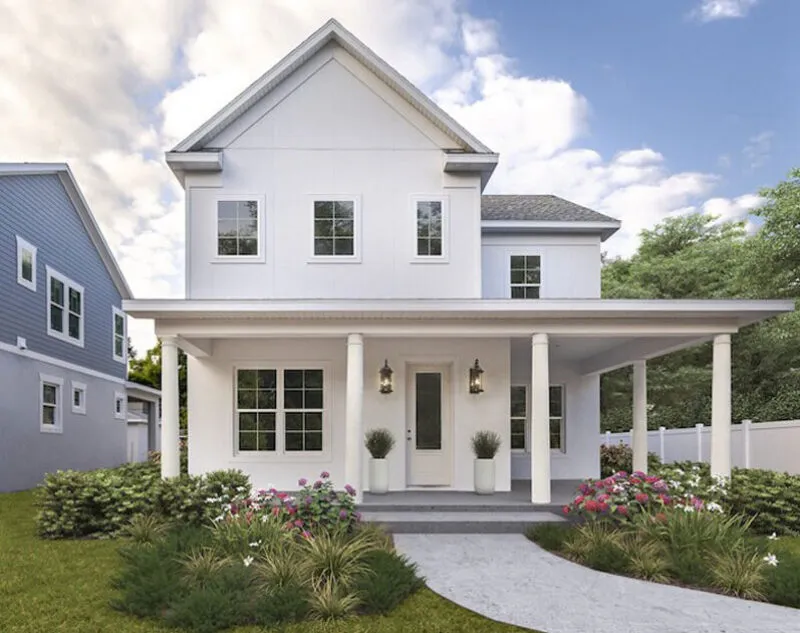
Manufacturer Warranties and Expected Lifespan
Most major fiber cement siding brands, including James Hardie, offer warranties for 30 years. While these warranties provide homeowners with confidence in the product’s durability, real-world performance often exceeds these timelines. In optimal conditions, fiber cement siding can last up to 100 years, making it a one-time investment for many homeowners.
| Brand | Warranty Coverage | Expected Lifespan |
| James Hardie | 30 years | 50 to 100 years |
| Nichiha | 30 years | 50 to 100 years |
| Allura | 30 years | 50 to 100 years |
Factors Influencing Fiber Cement Siding Longevity
Several factors contribute to the exceptional durability of fiber cement siding. Understanding these elements can help homeowners maximize their siding’s lifespan and maintain their home’s exterior effectively.
Material Composition
Fiber cement siding is composed of a blend of Portland cement, sand, cellulose fibers, and water. This unique composition gives it superior resistance to rot, pests, moisture, and fire, making it one of the most durable siding options available. Unlike wood, which can suffer from insect damage and decay, or vinyl, which can warp in extreme temperatures, fiber cement remains stable and structurally sound for decades.
Installation Quality
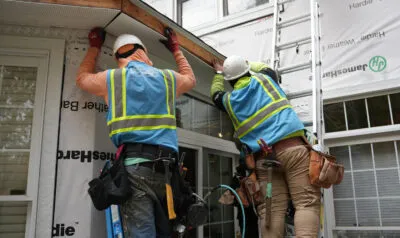
Proper installation is critical for ensuring that fiber cement siding performs as expected. Improper installation techniques, such as inadequate sealing, flashing, or fastening, can lead to issues like moisture infiltration, which may shorten the siding’s lifespan. Homeowners should always work with certified contractors who have experience with fiber cement installation to avoid costly mistakes and ensure longevity.
Climate Adaptability
Fiber cement siding is designed to withstand diverse climates, from hot and humid regions to freezing temperatures. Unlike vinyl, which can become brittle in cold weather or warp under intense heat, fiber cement remains stable. Many manufacturers, such as James Hardie’s HardieZone® system, produce siding specifically formulated for different weather conditions, ensuring optimal performance based on climate factors like humidity, temperature swings, and UV exposure.
| Climate Condition | Fiber Cement Siding Performance |
| Hot & Humid | Resists swelling, mold, and rot |
| Cold & Snowy | Withstands freezing and thawing cycles |
| High Wind | Strong impact resistance and secure attachment |
| Dry & Sunny | UV-resistant and fade-resistant coatings |
Proper Maintenance for Maximum Lifespan
Although fiber cement siding is low maintenance, periodic upkeep is necessary to ensure it remains in excellent condition for decades. Homeowners should follow these best practices to extend the life of their siding:
Regular Cleaning
- Wash siding once or twice a year using a garden hose and a soft brush.
- Avoid using high-pressure washers, as excessive force can damage the protective coating.
- Remove dirt, mildew, and grime buildup with mild soap and water.
Sealing and Caulking
- Check caulking and sealants around windows, doors, and joints every few years.
- Reapply caulking in any gaps to prevent moisture penetration.
Repainting
- Pre-painted fiber cement siding (such as James Hardie’s ColorPlus® Technology) lasts 15+ years before requiring repainting.
- Unpainted fiber cement siding should be painted every 7–10 years to maintain its protective coating.
- Use high-quality exterior paint to prevent peeling, cracking, and fading.
Comparison to Other Siding Materials
Fiber cement siding offers one of the longest lifespans compared to other popular siding materials. Homeowners looking for a durable and cost-effective investment should consider how it compares in longevity and maintenance needs.
| Siding Type | Average Lifespan | Maintenance Requirements |
| Fiber Cement | 50 to 100 years | Low; repainting every 15+ years |
| Vinyl | 20 to 40 years | Low; occasional cleaning |
| Wood | 15 to 100+ years | High; frequent painting and sealing |
| Aluminum | 20 to 40 years | Moderate; prone to denting and fading |
| Stucco | 50 to 80 years | Moderate; periodic sealing and repairs |
Why Fiber Cement Siding is a Long-Term Investment
For homeowners seeking a siding material that will protect their home for decades, fiber cement is a superior option. Here’s why:
Unmatched Durability
- Resistant to rot, pests, fire, and extreme weather.
- Does not warp, crack, or fade like wood and vinyl.
- Can withstand high winds and heavy impact better than many alternatives.
Enhanced Energy Efficiency
- Provides better insulation than vinyl siding, reducing heating and cooling costs.
- Works well with additional insulation to improve energy efficiency.
Aesthetic Appeal
- Mimics the look of real wood while requiring far less maintenance.
- Available in a variety of textures, colors, and styles.
- Pre-painted options resist fading and eliminate the need for frequent touch-ups.
Frequently Asked Questions
What are the environmental impacts of fiber cement siding compared to other materials?
Fiber cement siding is considered more environmentally friendly than vinyl because it uses natural materials like cement and cellulose fibers, and it lasts longer, reducing the need for frequent replacement and waste generation.
How does fiber cement siding perform in terms of fire resistance?
Fiber cement siding is highly fire-resistant due to its composition of cement and sand, making it a safer option for homes in fire-prone areas compared to wood or vinyl siding.
Can fiber cement siding be customized or painted after installation?
Yes, fiber cement siding can be painted or customized with a variety of colors and textures, allowing homeowners to update their home's appearance long after installation.
How does fiber cement siding affect home insurance premiums?
Due to its durability and fire resistance, fiber cement siding can potentially lower home insurance premiums as it reduces the risk of damage from weather, pests, and fire.
What are common installation mistakes to avoid with fiber cement siding?
Common mistakes include improper sealing, inadequate flashing, and incorrect fastening, all of which can lead to moisture damage and reduce the siding's lifespan.
How does fiber cement siding impact a home's resale value?
Fiber cement siding often increases a home's resale value due to its long lifespan, low maintenance needs, and aesthetic appeal, making it attractive to potential buyers.
Is fiber cement siding suitable for all architectural styles?
Yes, fiber cement siding is versatile and available in many styles and finishes, making it suitable for a wide range of architectural designs from traditional to modern.
Final Thoughts
Fiber cement siding is one of the most durable, low-maintenance, and long-lasting siding materials available. With a lifespan of 50 to 100 years, it outperforms other siding options in terms of longevity, resistance to damage, and overall value. While it requires proper installation and periodic maintenance, its durability and aesthetic appeal make it an excellent investment for homeowners looking for a long-term exterior solution.
For the best results, professional installation is key. Home Genius Exteriors specializes in high-quality fiber cement siding solutions, ensuring expert craftsmanship and long-lasting protection for your home. Our team provides top-tier materials, precision installation, and personalized recommendations to help you maximize the benefits of fiber cement siding.
Contact Home Genius Exteriors today to schedule a consultation and upgrade your home with durable, beautiful, and weather-resistant fiber cement siding.