What Is Lap Siding? Types, Costs & Installation
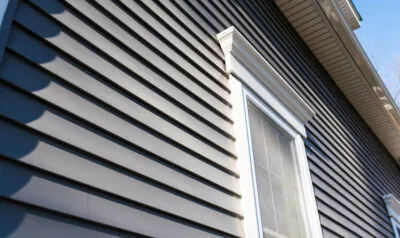
Most homeowners have seen lap siding on hundreds of houses without ever knowing its name. Those long, horizontal planks that overlap each other like shingles on a roof? That’s lap siding, and it’s been protecting American homes since the Colonial era.
Whether you’re replacing worn-out cladding or building from scratch, learn why this style works, what it costs, and which material fits your climate and you’ll have a major advantage when you’re speaking with contractors.
What Is Lap Siding?
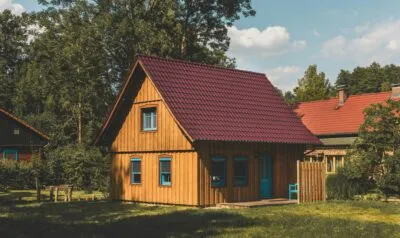
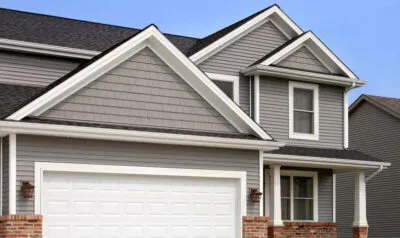
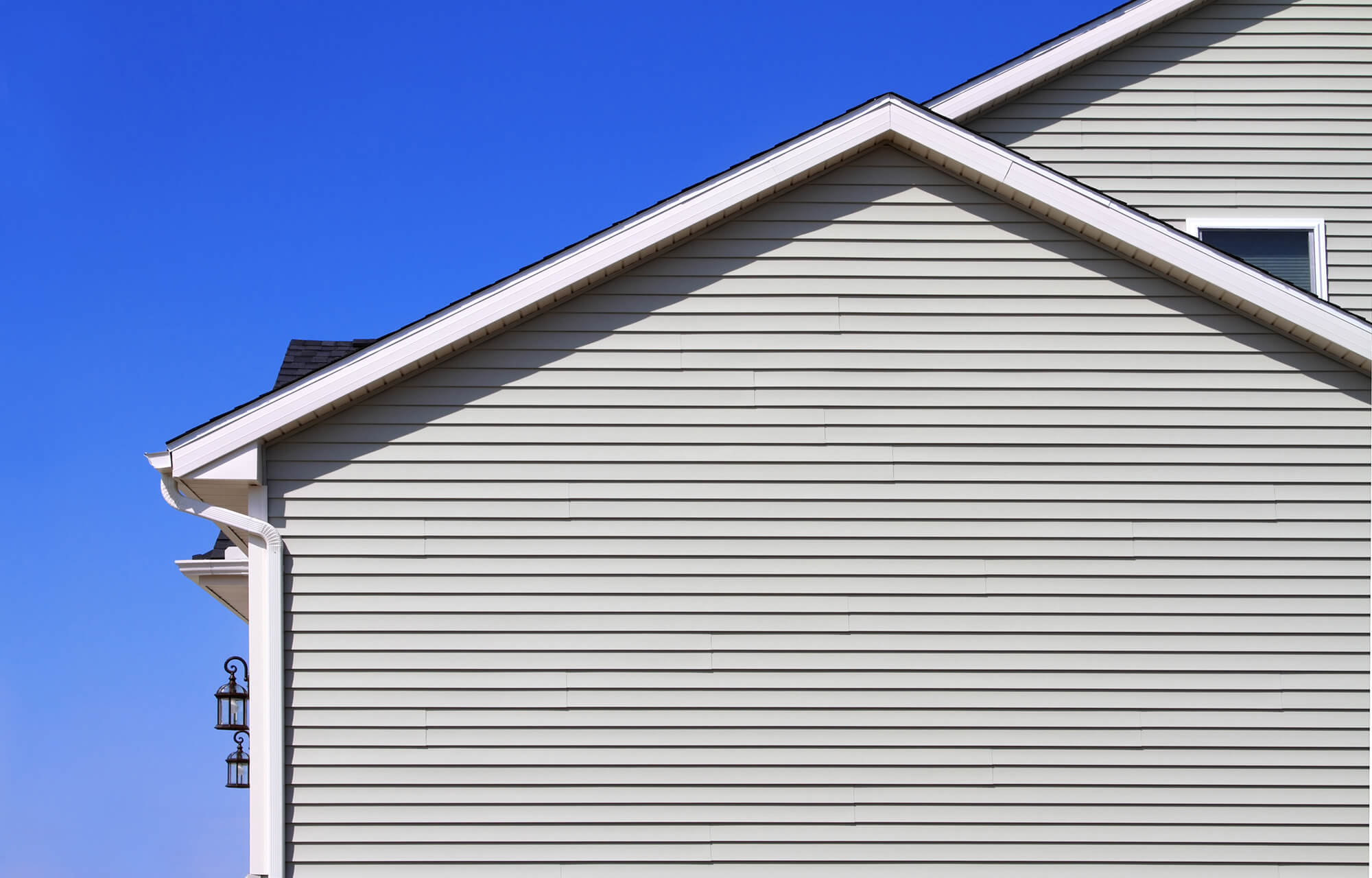
Lap siding is a horizontal cladding system where each plank overlaps the one below it, creating a weather-tight barrier that sheds rain and resists wind-driven moisture. The overlap, typically between 1 and 1.25 inches, acts like a series of tiny awnings. Water hits the face of a plank, runs downward, and drips off the bottom edge before it ever reaches the seam.
This overlapping design also resists wind uplift. Because each course locks against the one below, gusts can’t easily peel planks away from the wall sheathing. Paired with a moisture barrier (house wrap) underneath, the system creates two layers of defense against water intrusion.
How is Lap Siding Different from Vertical and Panel Siding
Vertical board-and-batten siding channels water straight down, which works well but offers less wind resistance at the seams. Panel systems like stucco or large-format fiber cement sheets eliminate most seams altogether but can crack if the foundation settles. Lap siding strikes a middle ground: it handles thermal expansion through dozens of small overlapping joints rather than relying on a few rigid ones.
Types of Lap Siding
All lap siding overlaps horizontally, but profile shape dramatically changes the shadow lines, visual depth, and architectural feel. Here are the most common styles you’ll encounter.
Clapboard Siding
Clapboard (also known as bevel in certain applications) is the original lap siding. Each plank is wedge-shaped, thicker at the bottom and tapering to a thin edge at the top. This creates a subtle shadow line that gives Colonial, Cape Cod, and Craftsman homes their signature look. If your neighborhood has pre-1950 houses, you’re almost certainly looking at clapboard.
Modern clapboard comes in fiber cement and vinyl versions that replicate the tapered profile without the splitting and warping issues of traditional wood. It’s the safest choice if you want a classic aesthetic that won’t clash with surrounding homes.
Dutch Lap Siding
Dutch lap adds a concave curve or notch at the top of each plank, producing a deeper, more dramatic shadow line than standard clapboard. Historically popular in the Mid-Atlantic states, this profile gives homes a slightly more ornate appearance.
Dutch lap is worth considering if your home has a flat facade that needs visual depth. The shadow it casts makes the siding look more three-dimensional, especially on larger wall surfaces. However, that concave groove can collect dirt and moisture in humid climates, so you’ll need to clean it more often than a flat-faced profile.
Shiplap, Channel Lap, and Nickel Gap
Shiplap planks interlock with a rabbet joint rather than overlapping, creating a flush face with a tiny reveal line between courses. Channel lap features a deeper groove that creates a pronounced channel shadow. Nickel gap is essentially shiplap with a deliberate small gap (about the width of a nickel) between boards.
These profiles lean modern and work well on farmhouse and contemporary homes. They’re less forgiving of uneven wall surfaces, though, because the flush face highlights any waviness in the sheathing underneath.
Lap Siding Materials: Cost, Durability, and Maintenance
The profile gives you the look. The material determines how long it lasts, what you’ll spend, and how much weekend time you’ll sacrifice on upkeep. Here’s how the four main options compare.
| Material | Cost per Sq Ft (Installed) | Lifespan | Maintenance Level |
|---|---|---|---|
| Vinyl | $4.50–$8.00 | 20–40 years | Low (occasional wash) |
| Fiber Cement | $8.00–$14.00 | 30–50 years | Moderate (repaint every 10–15 yrs) |
| Engineered Wood | $6.00–$10.00 | 20–30 years | Moderate (repaint every 8–12 yrs) |
| Natural Wood | $8.00–$16.00 | 20–40 years | High (stain/paint every 4–7 yrs) |
Vinyl Siding
Vinyl lap siding costs the least upfront and never needs painting. It’s the go-to for budget-conscious projects. The downsides? It can crack in extreme cold, warp in direct heat, and the color selection, while improving, still looks like plastic up close. If resale value matters and you’re in a neighborhood with fiber cement or wood, vinyl may hurt your home’s competitive position.
Fiber Cement Siding
James Hardie’s HardiePlank dominates this category for good reason. Fiber cement siding resists fire, rot, termites, and hail. It holds paint beautifully and offers the most convincing wood-grain textures. Keep in mind the weight: each plank is extra heavy, which could increase labor costs and rules out most DIY installations.
Natural Wood and Engineered Wood Siding
Real cedar or redwood lap siding delivers unmatched warmth and character. Nothing else looks quite like it. But wood siding requires more attention than most other types of siding: staining or painting every few years, annual inspections for rot, and constant vigilance against woodpeckers and carpenter bees.
Engineered wood splits the difference. It’s made from treated wood strands bonded with resin, so it resists moisture and insects better than solid lumber while still accepting paint and stain. Keep in mind that warranty coverage varies significantly by manufacturer, so read the fine print on moisture damage exclusions.
Lap Siding Pros and Cons
Lap siding may be extremely popular, but it isn’t perfect for every situation. Here’s what actually matters from a homeowner’s perspective.
What lap siding does well:
- Excellent water shedding thanks to the overlap design
- Available in every price range from budget vinyl to premium wood
- Works with nearly every architectural style
- Individual damaged planks can be replaced without removing entire sections
Where lap siding falls short:
- Horizontal seams can trap moisture if installed without proper flashing
- More labor-intensive to install than vertical panels (more cuts, more fasteners)
- Shows dirt and algae streaks more than flat panel systems in shaded areas
If your home sits in a coastal zone with heavy salt spray, you might get better longevity from a panel system. Homeowners looking into the best siding for coastal homes often find that material choice matters more than profile choice in those environments.
How Much Does Lap Siding Cost?
Homeowners shopping for new lap siding should expect costs to vary significantly by material. For a typical 2000-square-foot home (roughly 1500 square feet of exterior wall), expect these ballpark ranges for a full re-side including tear-off and labor:
- Vinyl: $4,500–$18,000
- Fiber cement: $7,500–$21,000
- Engineered wood: $4,500–$21,000
- Natural wood: $4,500–$22,500 (higher for cedar)
Keep in mind ancillary costs. Permits typically run $30–$200 depending on your municipality. Starter strips, J-channel, corner trim, and vent cut-outs add 5–8% to your total. Missing these line items in your initial budget is a common reason projects go over cost.
DIY vs. Hiring a Professional
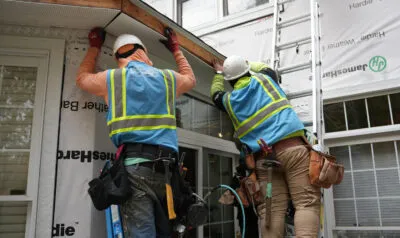
Vinyl lap siding is the only material that qualifies as a reasonable DIY project, and only if you have experience with exterior trim work. Fiber cement requires specialized cutting tools (and creates silica dust that requires respiratory protection). Natural wood needs precise spacing for expansion, and mistakes void most warranties.
Professional installation typically adds $2–$5 per square foot but protects your manufacturer’s warranty. 93% of homeowners planning renovations intend to hire professionals, so make the safest call and know that poor installation causes more siding failures than poor materials.
How to Choose Lap Siding Based on Climate, Style, and Maintenance Tolerance
Narrowing your options comes down to three factors: your climate, your architectural style, and how much maintenance you’re willing to do.
Start with climate. If you live in a region with harsh winters and freeze-thaw cycling, fiber cement or engineered wood handles the expansion and contraction best. Homeowners weighing the best siding for Ohio homes or the best siding for Michigan should prioritize materials rated for temperature extremes.
Match the profile to your architecture. Clapboard suits Colonial and traditional homes. Dutch lap adds dimension to flat-fronted ramblers and split-levels. Shiplap looks great on modern farmhouse and contemporary builds. When in doubt, drive around the neighborhood and note what the best-maintained homes around you use.
Be honest about maintenance. If you won’t repaint every five years, skip natural wood. If you hate the idea of power washing, avoid Dutch lap’s concave groove. Vinyl requires the least attention, but it arguably delivers the lowest curb appeal. Most homeowners land on fiber cement as the best balance between effort and appearance.
Your Next Step Toward Better Siding
Lap siding remains one of the most versatile and proven exterior cladding systems available. Whether you’re drawn to the deep shadow lines of Dutch lap or the clean simplicity of standard clapboard, the material you pair with that profile determines your long-term satisfaction. Prioritize climate performance, honest maintenance expectations, and neighborhood context over chasing the lowest price per square foot.
When you’re ready to move from research to action, Home Genius Exteriors provides free inspections and estimates backed by Platinum Preferred Contractor certification from Owens Corning. Our team walks you through material options specific to your region and handles installation from start to finish with world class labor and materials warranties. Call today for a free inspection and estimate to find the right lap siding solution for your home.
Frequently Asked Questions
How can I tell if my current lap siding needs repair or a full replacement?
Look for recurring issues like persistent interior drafts near exterior walls, soft or spongy spots around windows, and widespread paint failure that returns quickly after touch-ups. If problems are isolated to a few areas, repairs may be enough, but repeated moisture symptoms across multiple elevations usually mean a full siding replacement is more cost-effective.
What color and finish choices help lap siding stay looking clean longer?
Mid-tone colors and low-sheen finishes tend to hide dust, pollen, and minor surface marks better than very dark or very light shades. In humid or shaded areas, consider algae-resistant coatings or finishes designed to reduce staining.
How does insulation factor into a lap siding project?
Re-siding is a good time to evaluate added exterior insulation, such as rigid foam, because it can improve comfort and reduce thermal bridging. Your contractor should confirm that the wall assembly still manages moisture correctly and that trim details are adjusted so windows and doors look properly finished.
What questions should I ask a contractor before moving forward with an estimate?
Ask who will supervise the crew, what wall repairs are included versus billed as change orders, and how they will handle flashing at windows, doors, and penetrations. Also request proof of insurance, a written workmanship warranty, and a clear cleanup and disposal plan.
What is the best time of year to install lap siding?
Spring through early fall is typically ideal because temperatures are stable and weather delays are less common. In colder months, installation can still be done, but scheduling may be slower and certain sealants or paints may have temperature requirements.
How do I compare warranties between siding materials and brands?
Focus on what is covered (materials only versus labor), how coverage changes over time (prorated versus non-prorated), and what exclusions apply (improper ventilation, moisture issues, or unapproved fasteners). Request the full warranty document and confirm that the installer meets any certification requirements needed to keep it valid.
Will new lap siding affect my home insurance or appraisal value?
Some insurers may offer better rates for impact-resistant or fire-resistant exterior upgrades, depending on local risk factors and policy rules. For resale, appraisers and buyers often respond positively to updated exteriors, especially when documentation shows professional installation and transferable warranties.