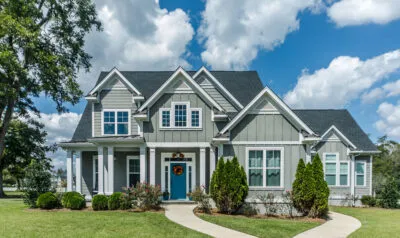
Types Of House Siding: A Complete Comparison Guide
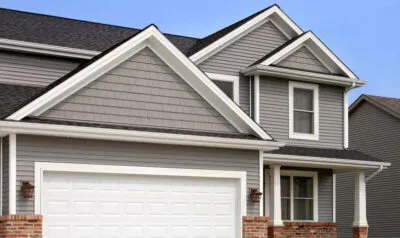
Most homeowners don’t think about their siding until something goes wrong. A hailstorm punches through aging vinyl, moisture creeps behind warped wood planks, or the neighbor’s fresh fiber cement makeover suddenly makes your exterior look ten years older. It’s a good idea to learn about the different types of siding before you reach that breaking point.
This guide breaks down every major siding material on the market today, from budget-friendly vinyl to premium natural stone. No material is perfect for every situation, and we’ll tell you exactly where each one falls short.
How to Choose the Best Siding for Your Home
The “best siding” depends on four factors that are unique to your situation: your climate, your budget (both upfront and long-term), how much maintenance you’re willing to do, and the architectural style of your home. Longevity is one of the clearest ways to compare those options, and how long siding lasts varies widely by material.
Budget: Upfront Cost vs. Total Cost of Ownership
This is where most homeowners get tripped up. Vinyl siding costs a fraction of fiber cement to install, but when you factor in a 50-year ownership timeline, fiber cement ends up being the most cost-effective choice. A material that costs $3 per square foot but needs replacement in 20 years may actually cost more than a $9 material that lasts 50 years with minimal upkeep. Run the same math when you compare the cost of siding replacement against a simple repair. Overall siding replacement cost, not just the material price tag, gives you a clearer picture before you commit.
How Climate and Region Shape Your Siding Choice
A siding material that thrives in Arizona can fail dramatically in Michigan. Freeze-thaw cycles crack rigid materials without proper expansion joints. Coastal salt air corrodes metal and degrades certain wood species within a decade. High-humidity zones require materials with strong moisture resistance to prevent mold and rot behind the wall assembly.
Maintenance Tolerance and Lifestyle
Be honest with yourself here. If you know you won’t repaint or restain every five to seven years, natural wood siding will punish you for it. Your answer to “how much weekend time will I spend on upkeep?” should carry real weight in this decision.
Vinyl Siding
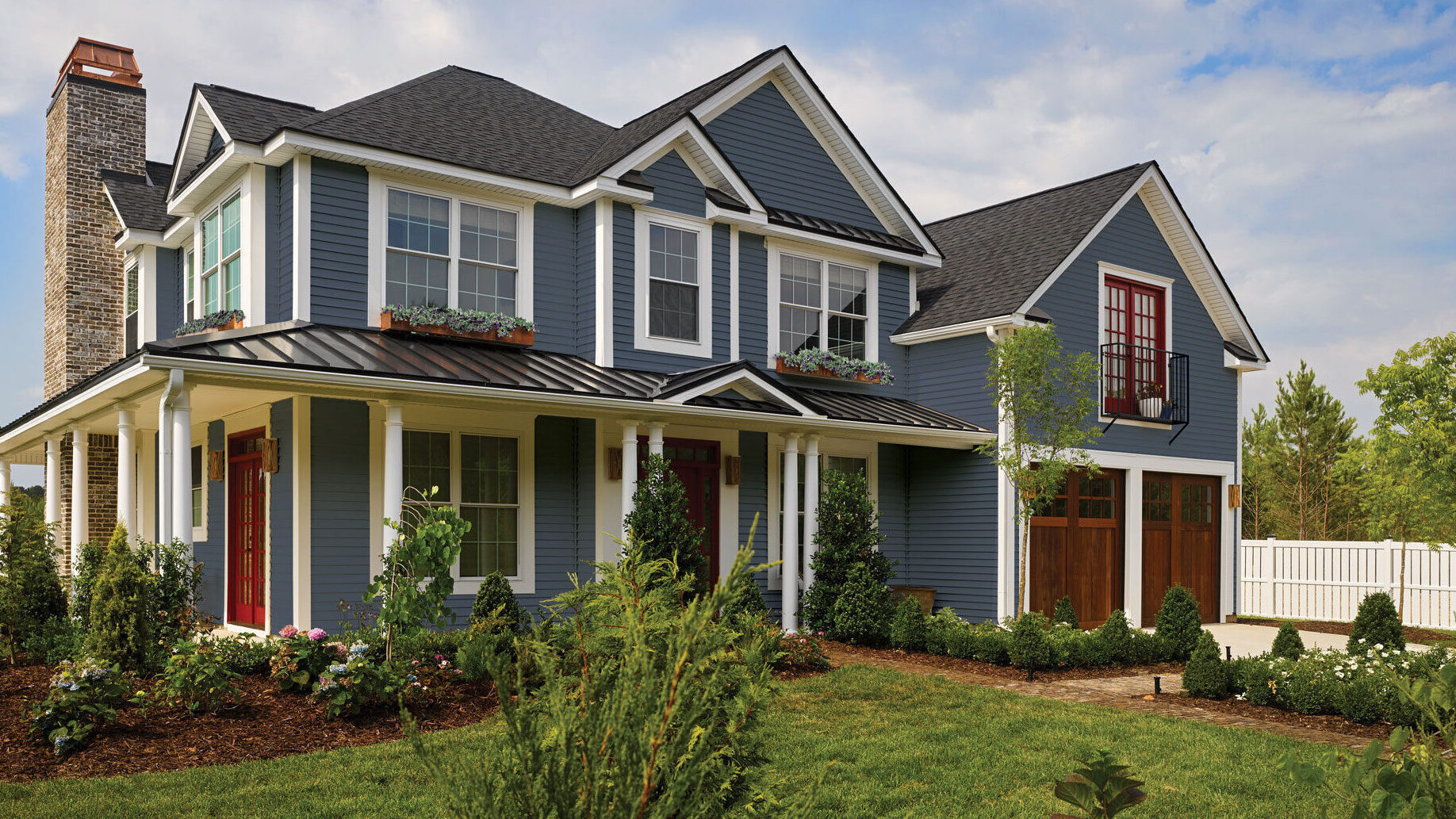
Affordable and Low Maintenance
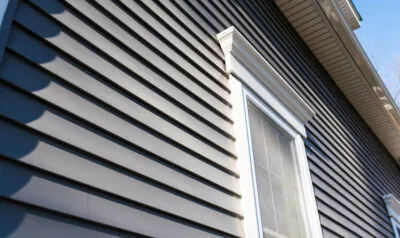
Vinyl is the most popular siding material in the United States, and for good reason. Its price is a big part of that, and vinyl siding cost varies with the profile and thickness you choose. It delivers the lowest installed cost of any mainstream option, typically running $3 to $8 per square foot. A full vinyl re-side on an average home usually falls between $5,000 and $15,000.
However, vinyl can crack in extreme cold and warp or melt near high-heat sources like grills. Color options have expanded dramatically, but fading remains an issue over 15 to 20 years, especially with darker shades.
Vinyl is the best fit for budget-conscious homeowners in moderate climates who prioritize low maintenance. If you live in an area prone to extreme temperature swings or wildfire risk, look elsewhere.
- Lifespan: 20 to 40 years
- Maintenance: Occasional power washing; no painting required
- Fire resistance: Melts rather than burns; low fire rating
- Best for: Starter homes, rental properties, and budget-driven projects
Fiber Cement Siding
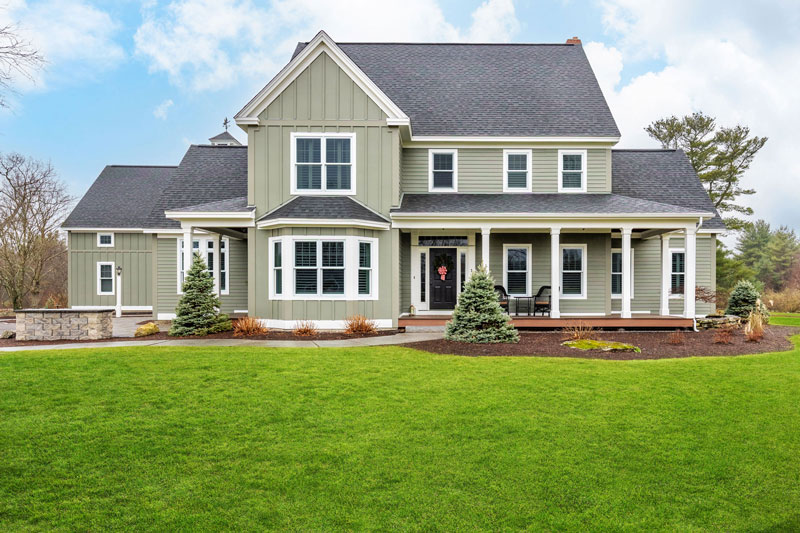
Durable and Fire Resistant
Fiber cement siding has become the go-to recommendation for homeowners who want long-term value without the maintenance burden of wood. Check how long fiber cement siding lasts before comparing it to the upfront cost. Made from a mixture of cement, sand, and cellulose fibers, it resists fire, rot, termites, and impact damage. The full ingredient list, covered in what Hardie Board is made of, explains why it holds up so well. Installed costs typically range from $6 to $13 per square foot. If you’re deciding between the two, a closer look at Hardie board vs. vinyl siding breaks down how that cost gap plays out over time.
Manufacturers like James Hardie now offer factory-applied finishes with regional climate formulations. Fiber cement products consistently rank among the top ROI projects in annual Cost vs. Value reports.
Weight is one of the only downsides of fiber cement, while vinyl is lighter, and how long vinyl siding lasts depends more on sun and temperature exposure. The material is heavy, which means installation costs run higher. It also requires professional cutting that generates silica dust, a serious respiratory hazard without proper equipment.
Factory finishes last 15 to 20 years, but when repainting time arrives, the process requires more prep work than vinyl. That said, for most homeowners willing to invest in professional installation, fiber cement delivers the best balance of longevity, aesthetics, and weather resistance across the widest range of climates.
- Lifespan: 40 to 50+ years
- Maintenance: Repaint every 15 to 20 years; periodic caulk inspections
- Fire resistance: Non-combustible; excellent fire rating
- Best for: Primary residences, high-value remodels, and wildfire-prone regions
Wood Siding
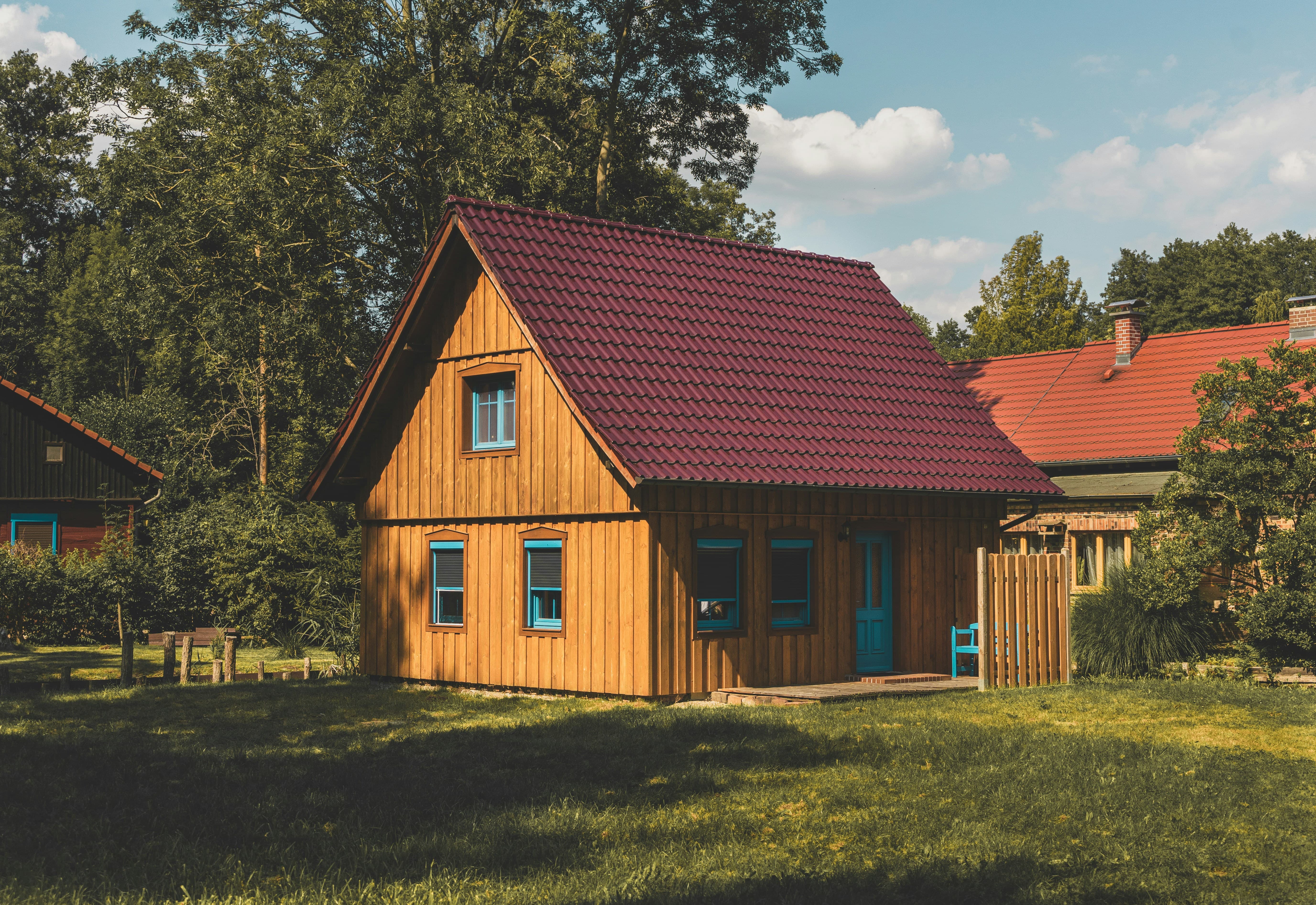
Naturally beautiful but high maintenance
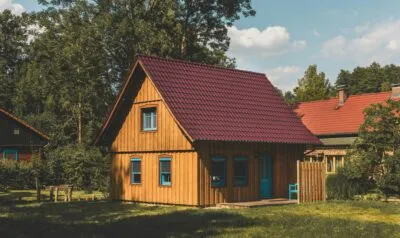
Nothing perfectly matches the warmth and character of real wood siding. Cedar, redwood, and pine offer grain patterns and depth that manufactured materials can’t quite replicate up close, no matter how advanced the embossing technology gets. Installed costs for quality wood siding range from $8 to $14 per square foot, depending on species and profile.
Pre-staining services and modern treatments have stretched re-stain cycles from every three years to every six or seven years, cutting lifetime maintenance costs by roughly 40%. Sometimes builders will pair cedar accents on upper stories or gable ends with fiber cement or engineered wood on lower, high-exposure walls to give homeowners the wood look with less maintenance.
If you’re in a high-humidity zone or an area with heavy termite pressure, wood siding creates an ongoing battle you may not win. The material also carries significant fire risk unless treated with fire-retardant coatings, which add cost and require reapplication.
Natural wood makes sense only for homeowners who genuinely enjoy exterior maintenance and value that authentic aesthetic above all else. For the rest of us, engineered wood or fiber cement with wood-grain textures offers 80% of the look at a fraction of the upkeep. In states like Virginia, where humidity, heat, and even freeze cycles combine, material selection is especially consequential.
Other Types of Siding: Metal, Stucco, Brick, Stone, and Engineered Wood
Beyond the big three, several other materials serve specific needs and architectural styles well.
Engineered Wood
Engineered wood (like LP SmartSide) combines real wood fibers with resins and binders to create a product that looks like wood but resists moisture and insects far better. At $4 to $9 per square foot installed, it slots between vinyl and fiber cement on cost. It’s lighter than fiber cement, making it more DIY-friendly, though professional installation still produces better results.
Metal Siding: Steel and Aluminum
Steel and aluminum siding excel in commercial applications and modern residential designs. Steel runs $5 to $12 per square foot and delivers exceptional fire resistance and durability. Aluminum works well in coastal home environments because it won’t rust, though it dents more easily than steel. Neither material requires painting, but scratches on steel panels can invite corrosion if left untreated.
Stucco
Traditional stucco (a cement-based plaster) costs $6 to $10 per square foot and lasts 50 to 80 years in dry climates. It’s not a good choice for regions with heavy rainfall or freeze-thaw cycles, where trapped moisture causes cracking and delamination. If you’re in the Southwest or a Mediterranean-climate area, stucco is hard to beat. Anywhere else, proceed with caution.
Brick and Stone Veneer
Full brick ($10 to $20+ per square foot) and natural stone ($15 to $30+) represent the premium tier of siding materials. Both last 75 to 100+ years and require virtually zero maintenance beyond occasional mortar repointing. Stone veneer and manufactured stone offer similar aesthetics at roughly half the cost of natural stone, making them viable accent options for homeowners who can’t justify full coverage.
Comparing Types of Siding
This side-by-side breakdown consolidates the key decision factors for every major siding type. Use it as a quick reference when narrowing down your options.
| Siding Type | Installed Cost (per sq ft) | Lifespan | Maintenance Level | Fire Resistance | Best Climate |
|---|---|---|---|---|---|
| Vinyl | $3–$8 | 20–40 years | Low | Poor | Moderate/Cold |
| Fiber Cement | $6–$13 | 40–50+ years | Low-Medium | Excellent | All climates |
| Wood (Cedar) | $8–$14 | 20–40 years | High | Poor (untreated) | Dry/Moderate |
| Engineered Wood | $4–$9 | 25–40 years | Medium | Moderate | Moderate/Cold |
| Steel | $5–$12 | 40–60 years | Low | Excellent | All (not coastal) |
| Aluminum | $4–$8 | 30–50 years | Low | Good | Coastal/Humid |
| Stucco | $6–$10 | 50–80 years | Low-Medium | Excellent | Dry/Arid |
| Brick | $10–$20+ | 75–100+ years | Very Low | Excellent | All climates |
| Stone/Stone Veneer | $15–$30+ / $8–$15 | 75–100+ years | Very Low | Excellent | All climates |
Best Siding by Climate
Before you choose new siding, consider what’s best suited to your local climate.
Cold Climates (Freeze-Thaw Zones)
Insulated vinyl and fiber cement perform best where temperatures swing between extremes. When properly installed, both handle freeze-thaw expansion without cracking. Avoid stucco in these regions.
Hot, Humid, and Coastal Regions
Aluminum siding resists salt corrosion better than any other metal option. Fiber cement also performs well in humidity since it won’t rot or attract pests. Wood is the worst choice for these environments unless you commit to aggressive maintenance schedules. Vinyl holds up reasonably well but can warp under intense, sustained heat.
Wildfire-Prone Areas
Fiber cement, brick, stone, and steel are your only responsible options in wildfire zones. Vinyl melts, wood burns, and even engineered wood comes with risk. Many fire-prone municipalities now require non-combustible exterior materials in their building codes, so check local requirements before committing to a material.
Warranties and Common Mistakes
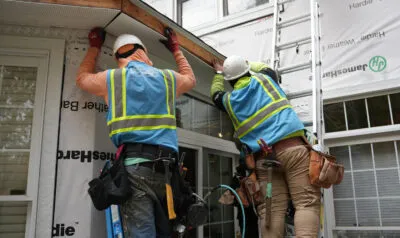
Even the best siding material fails when installed poorly, and installation quality directly affects how waterproof fiber cement siding is over time. Professional installation typically adds 50 to 65% of total project cost, but it’s one area where cutting corners backfires badly.
Warranties vary dramatically across siding types. Vinyl typically carries 20 year to lifetime limited warranties, but read the fine print. “Lifetime” often means prorated coverage that pays less as the material ages. Fiber cement warranties from major manufacturers run 30 to 50 years and tend to offer better coverage.
Improper installation voids nearly every manufacturer warranty, which is the single strongest argument for hiring experienced installers. Even handy homeowners can make mistakes.
These are three of the most common siding mistakes:
Layering new siding over old: This traps moisture, hides rot, and voids most warranties. Always remove existing siding and inspect the sheathing underneath before installing new material.
Ignoring the moisture barrier: Siding alone doesn’t waterproof your home. A proper weather-resistant barrier (housewrap) between the sheathing and siding prevents water intrusion that causes mold, rot, and structural damage.
Choosing material based on curb appeal alone: That gorgeous natural cedar looks incredible for three years. If you’re not prepared for the maintenance commitment, you’ll resent the choice by year five. Match material to your realistic maintenance behavior, not your aspirational version of home ownership.
Your Next Step: Picking the Right Siding With Confidence
The best types of siding for your home come down to an honest assessment of your climate, budget, maintenance tolerance, and aesthetic goals. Fiber cement wins the overall value proposition for most homeowners. Vinyl is the best budget pick in the short term. And premium materials like brick and stone deliver generational durability for those who can afford the investment.
Don’t rush this decision. A siding project shapes your home’s appearance, energy efficiency, and protection for decades. Get a professional assessment of your current exterior condition, local code requirements, and material options before committing.
Ready to start your siding project? Call Home Genius Exteriors today for a free inspection and estimate. Our team will evaluate your home’s specific needs, walk you through material options in person, and deliver an installation backed by industry-leading warranties. Make the Genius choice for your home’s exterior.
Frequently Asked Questions
How do I estimate how much siding material my home needs before requesting quotes?
Start with your home’s exterior square footage (wall area) by measuring perimeter times wall height, then subtract large openings like garage doors and picture windows. Add 10 to 15% for waste, cuts, and future repairs, especially for complex layouts or specialty profiles. If this feels like too much work, contact a siding company that provides free estimates.
Should I replace my gutters, trim, or fascia during a siding project?
It often makes sense to address gutters, fascia, soffits, and exterior trim at the same time because access is easiest when the walls are opened up. Bundling the work can also reduce labor overlap and helps make sure water management details integrate cleanly with the new siding system.
What color and finish choices help siding look newer for longer?
Lighter and mid-tone colors typically show fading, dust, and heat-related stress less than very dark shades. Matte or low-sheen finishes also hide surface waviness and minor scuffs better than high-gloss looks, which can emphasize imperfections in sunlight.
How can I tell if my home needs sheathing repairs before new siding goes on?
Common warning signs include soft spots around windows and doors, bubbling paint on trim, interior staining near exterior walls, or visible sagging areas. A contractor should confirm by removing targeted sections and checking for rot, moisture damage, and fastener holding strength.
What should be included in a siding contractor bid so I can compare quotes fairly?
Ask for line items covering tear-off and disposal, substrate repairs allowances, flashing details, trim scope, ventilation changes, and exact product names (including thickness and accessories). A clear workmanship warranty, project timeline, and payment schedule should also be spelled out in writing.
Can new siding improve resale value even if I do not plan to stay long-term?
Yes, exterior updates can lift buyer perception because siding signals overall home care and reduces perceived future maintenance. The best approach is choosing a material and color scheme that fits neighborhood expectations and looks cohesive with roof, windows, and landscaping.
What maintenance routines help maximize siding lifespan without major effort?
Do a quick seasonal walkthrough to check caulk lines, clear debris near the foundation, and confirm sprinklers are not soaking the walls. Gentle cleaning and prompt spot repairs around penetrations (hose bibs, vents, light fixtures) prevent small water issues from becoming expensive hidden damage.