Why Replace Your Roof And Siding At The Same Time
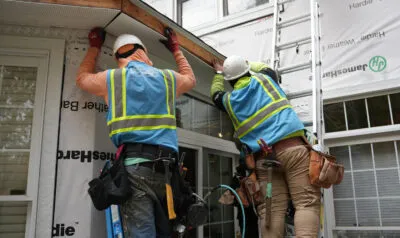
A 15-year-old roof and faded siding rarely fail on the same Tuesday, but they age on remarkably similar timelines. Homeowners weighing roofing and siding projects often treat each as a separate line item, scheduling one repair this year and the other “whenever the budget recovers.” That staggered approach feels safer. But in practice, it usually costs more in the long run, takes longer, and leaves your home’s exterior mismatched for years.
Most homeowners don’t realize that the timing of a roof replacement can dramatically affect what they spend on siding, and vice versa. The two projects share labor, scaffolding, and structural touchpoints that disappear once one is finished without the other. That overlap is worth considering before you commit to either project on its own.
How Your Roof and Siding Work Together
Most homeowners think of the roof and siding as separate components, like swapping out a dishwasher independently of the kitchen counters. The reality is more interconnected. Your roof’s drip edge channels water away from the fascia. Siding panels overlap with flashing at the roofline to prevent moisture intrusion behind walls.
When you replace only the roof, installers work around existing siding, which limits how thoroughly they can install new flashing and underlayment at critical junction points. Do siding alone, and the crew has to tie new panels into aging roofing materials that may only last another few years. Either way, you compromise the waterproofing integrity where the two systems meet to protect your home.
Why Flashing and Water Management Matter
The single biggest source of exterior water damage is the seam where roof meets wall. Replacing both systems simultaneously lets crews install continuous flashing, housewrap, and ice-and-water shield in the correct sequence without working around deteriorating materials.
This is something you can’t replicate as effectively with two separate projects spaced years apart.
Signs It’s Time to Replace Your Roof and Siding (Together)
Not every home needs both projects at once. But certain conditions make a combined replacement the obvious choice.
If your roof is 18 to 22 years old and your siding shows cupping, warping, or paint failure in multiple areas, their remaining lifespans overlap enough that doing both now prevents a second mobilization within five years.
Similarly, if you’ve noticed rising energy bills despite adequate insulation, aging siding and worn roofing materials may both be contributing to thermal loss.
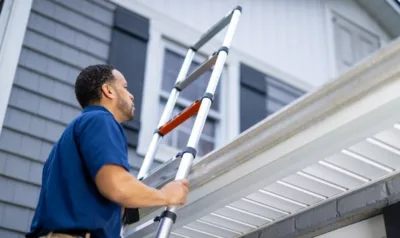
You don’t need a professional inspection to start evaluating. Grab a ladder (and a spotter) and check these indicators on each system.
Roof warning signs:
- Granule loss visible in gutters or at downspout discharge
- Curling or buckling shingles, especially on south-facing slopes
- Daylight visible through roof boards from the attic
- Multiple previous patch repairs
Siding warning signs:
- Warped or bubbling panels (moisture is likely trapped behind them)
- Soft spots when you press firmly with a screwdriver
- Fading that no longer responds to power washing
- Caulk failure around windows and trim joints
If you see three or more indicators on each list, a combined project deserves serious consideration. For borderline roof issues, decide if you need roof repair vs replacement before you move ahead with a full tear-off.
How Much Does Roof and Siding Replacement Cost
Cost, especially the baseline roof replacement cost, is typically the first question every homeowner asks. The table below gives you realistic ballpark figures for a 2,000-square-foot home. Actual prices vary by region, material grade, and labor market conditions in your area.
| Project Scope | Typical Cost Range | Key Cost Driver |
|---|---|---|
| Roof replacement only (asphalt shingles) | $8,500–$15,000 | Roof pitch and layer removal |
| Siding replacement only (vinyl) | $7,000–$14,000 | Square footage and trim complexity |
| Siding replacement only (fiber-cement) | $15,000–$25,000 | Material weight and labor intensity |
| Combined roof + vinyl siding | $14,000–$26,000 | Bundled labor savings of 8–12% |
| Combined roof + fiber-cement siding | $21,000–$36,000 | Premium materials, single mobilization |
Where Bundled Savings Actually Come From
The 8–12% savings on a combined roof and siding replacement bid isn’t a marketing gimmick. It stems from real cost reductions that contractors pass along. Scaffolding gets set up once instead of twice. Dumpster rental covers one project window. Permit fees often overlap. Bundling roofing and siding into a single phase cuts scaffolding setup, dumpster rental, and crew mobilization costs. These are all savings that compound on larger projects.
On a $30,000 combined project, a 10% bundled discount saves you $3,000.
How to Pay For a Combined Roof and Siding Replacement
The best part about replacing your roof and siding at the same time isn’t just the cost savings, but the impact it’ll make on your home’s resale value, especially if you’re planning to sell within five to ten years.
Fiber-cement siding replacements average a 113.7% return, and asphalt roof replacements consistently rank among the top five exterior projects for recouped value. Doing both amplifies curb appeal immediately, which translates directly to buyer perception and appraisal figures.
How to Finance a Roof and Siding Replacement
A combined project means a larger upfront commitment, so financing may be the solution if you’re tight on funds. Home equity lines of credit (HELOCs) typically offer the lowest interest rates for exterior renovations. Many contractors also offer promotional financing with deferred-interest windows of 12 to 18 months.
If you’re weighing the cost of siding replacement vs siding repair, keep in mind that financing a full replacement often makes more sense than paying cash for a repair now and financing a replacement in three years when material costs have risen further.
One caveat: if your roof still has 8+ years of life and your siding is the only urgent need, don’t let bundled savings pressure you into replacing a perfectly functional roof early. The math only works when both systems are within a few years of end-of-life.
Choosing a Roofing and Siding Contractor You Can Trust
A combined project needs a contractor who handles both trades at a high level. Plenty of roofers subcontract siding work to crews they’ve never vetted, and the reverse happens just as often. That disconnect leads to finger-pointing when something goes wrong at the junction between the two systems.
Ask the following questions before you sign on with a contractor:
- Do your own crews handle both the roofing and siding installation, or do you subcontract either trade?
- What manufacturer certifications do you hold, and how do they affect my warranty coverage?
- Can you provide a single, itemized quote that breaks out roof and siding costs separately?
- What is the project sequence, and who manages day-to-day scheduling?
- How do you handle weather delays without charging additional mobilization fees?
- What does your warranty cover for labor, and how long does it last?
Manufacturer certifications matter more than most homeowners realize. An Owens Corning Platinum Preferred Contractor designation, for instance, unlocks extended warranty options that standard installers can’t offer. Home Genius Exteriors holds this certification for roof replacement and brings the same crew-managed approach to siding replacement, meaning one point of contact manages your entire exterior project from start to finish.
What to Expect During a Combined Roof and Siding Project
A combined project adds a few days to the roof replacement process. Here’s what you can expect:
A Typical 10–14 Day Timeline
Days 1–2: The roofing crew strips old shingles, inspects decking for rot, replaces damaged sheathing, and installs underlayment and new shingles. The roof goes first because siding ties into the completed roofline.
Days 3–4: Brief overlap period. The roofing crew finishes ridge caps and cleanup while the siding crew begins removing old panels on the opposite side of the house.
Days 5–10: Siding installation, including housewrap, new flashing at all roof-to-wall junctions, panel installation, and trim work. This phase takes longer because siding involves more linear footage and detail work around windows and doors.
Days 11–14: Final inspections, gutter reinstallation or replacement, touch-up caulking, and full debris cleanup. Your contractor should walk you through every completed area before final payment.
Yes, you can live in your home during the entire project. Make sure you prepare for a full roof and siding replacement. This includes noise from 7 a.m. to 5 p.m. on workdays. Plan to keep vehicles out of the driveway during active roofing days when debris is falling, and expect other similar disruptions.
Your Next Step Toward a Brand New Exterior
Replacing roofing and siding together saves money, protects your home’s most vulnerable junction points, and delivers a cohesive look that boosts both curb appeal and resale value. The key is timing. When both systems are within a few years of failure, the combined approach wins on nearly every metric.
If your home shows the warning signs outlined above, the next step is getting a single, itemized estimate that covers both systems. Home Genius Exteriors provides free inspections and bundled quotes for roof and siding replacement projects, with transparent line-item pricing so you see exactly where every dollar goes. Call today for a free inspection and estimate to find out whether a combined project is the right move for your home.
Frequently Asked Questions
Do I need to replace my gutters or fascia when I replace both roof and siding?
Not always, but it’s smart to evaluate them at the same time because they interact with water runoff and edge details. If gutters are undersized, sagging, or the fascia shows rot, replacing or upgrading them during the project can prevent rework and help the new exterior perform as intended.
What material combinations work best when replacing a roof and siding together?
The best pairing depends on climate, maintenance preference, and architectural style, not just budget. Ask your contractor to recommend combinations that balance durability and color harmony, and to confirm that venting, trim systems, and accessories are compatible with the specific products you choose.
How can I compare bids fairly for a combined roof and siding project?
Require every contractor to quote the same scope, including tear-off details, disposal, trim, ventilation changes, and any wood replacement allowances. Then compare warranty terms, installation standards, and who is responsible for inspection scheduling, not just the price.
What permits, HOA approvals, or inspections might be required?
Many municipalities require permits and inspections for exterior envelope work, and HOAs often require color and material approvals before materials are delivered. Your contractor should confirm local requirements in writing, handle submissions when possible, and build approval timelines into the schedule.
How do I protect landscaping and outdoor property during demolition and installation?
Ask about tarping, plywood walk paths, debris netting, and where dumpsters and material pallets will be placed before work begins. If you have delicate plants or hardscape, request a pre-project photo walk-through and a clear plan for daily cleanup and nail sweeps.
Are there ways to improve ventilation and indoor comfort during a combined exterior project?
Yes, this is an ideal time to evaluate attic intake and exhaust ventilation, bathroom fan exhaust routing, and any blocked soffit pathways. Upgrading these components can reduce moisture risk and help HVAC systems run more efficiently, especially in homes with persistent hot or cold upstairs rooms.
What should I document in the contract to avoid surprises on a combined project?
Make sure the agreement spells out exact materials, colors, accessory brands, and a defined change-order process with pricing. It should also include how hidden damage is handled, the payment schedule tied to milestones, and what closeout deliverables you will receive (final inspection sign-offs and warranty paperwork).