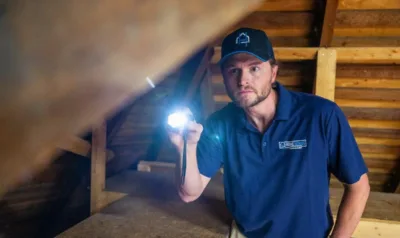
Common Roofing Problems: How To Identify and Fix Them
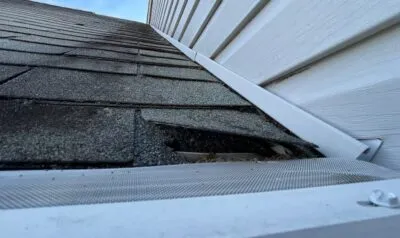
Most homeowners don’t think about their roof until a brown stain creeps across the ceiling or a shingle lands in the yard after a storm. By that point, what started as a minor issue has snowballed into an expensive repair. Knowing how to recognize common roofing problems before they escalate is the difference between a $200 patch and a $10,000 replacement.
Roofs fail in patterns. Manufacturers design shingles to last twenty to thirty years, but real-world lifespans depend on variables that most homeowners never account for. Roof slope (or pitch) matters. So does the quality of the original installation and the local climate. A south-facing slope in Phoenix takes a beating that a north-facing slope in Seattle never sees. A roof installed over an existing layer of shingles traps heat differently than one installed on bare decking. These variables determine which problems show up first, how fast they progress, and whether a small issue stays small or turns into something that swallows a weekend and a paycheck.
Here’s how to identify roofing problems early and how to get them repaired as soon as possible.
Early Warning Signs of Roof Damage You Shouldn’t Ignore
If you notice dark stains on your ceiling or walls, the most likely culprit is a roof leak, often caused by failed flashing around chimneys, vents, or skylights. Granules collecting in your gutters or at the base of downspouts point to aging shingles that are losing their protective coating. And if you see a visible sag or dip along your roofline, you could be dealing with a structural issue that requires immediate professional attention.
A good habit is to walk your property every few months and look up. You’re checking for missing or curled shingles, dark patches of moss or algae, and any area where the roofline looks uneven. Make sure you’re familiar with the different parts of a roof and what they look like when healthy so you don’t miss something critical.
Roof inspections from the ground or through an attic hatch are always safer than walking on shingles, especially on steep pitches or wet surfaces. It’s especially dangerous if your roof sits near power lines, if the pitch exceeds 6:12, or if you see visible structural sagging. Falls from residential roofs account for a significant portion of home improvement injuries each year.
A pair of binoculars and a bright day will reveal most problems without putting you at risk. If you want to be absolutely sure you don’t miss anything, hire a professional.
The Most Common Roofing Problems
Not every roof issue demands the same response. Some you can address over a weekend. Others require a licensed contractor and possibly an insurance claim. Learning to recognize signs of a bad roofing job also helps you evaluate whether your roofing components were installed correctly in the first place.
Here’s a breakdown of the problems you’re most likely to encounter.
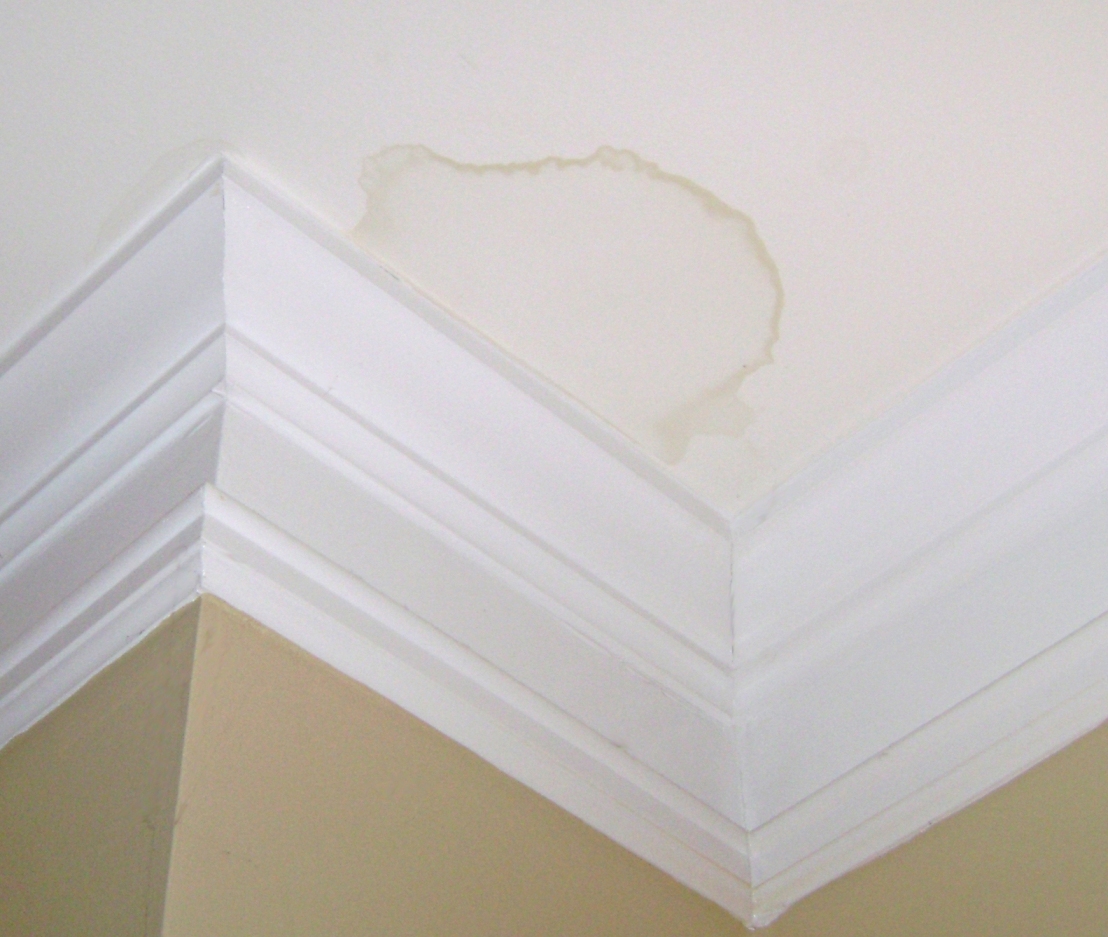
Roof Leaks and Water Intrusion
How to spot it: Water stains on ceilings, damp attic insulation, mold growth, or peeling paint near the roofline. Leaks often appear far from their actual source because water tends to travel along rafters and sheathing before dripping down.
For a temporary fix, you can apply roofing cement or a tarp over the suspected entry point during dry weather. However, permanent leak repair typically requires identifying and replacing damaged flashing, sealing penetration points, or replacing compromised shingles. Tracing a roof leak through attic inspection is more systematic than it sounds and often leads directly to the source.
Typical cost: $150–$700 for minor repairs. Major leak repair involving structural damage can run $1,000–$3,500+.
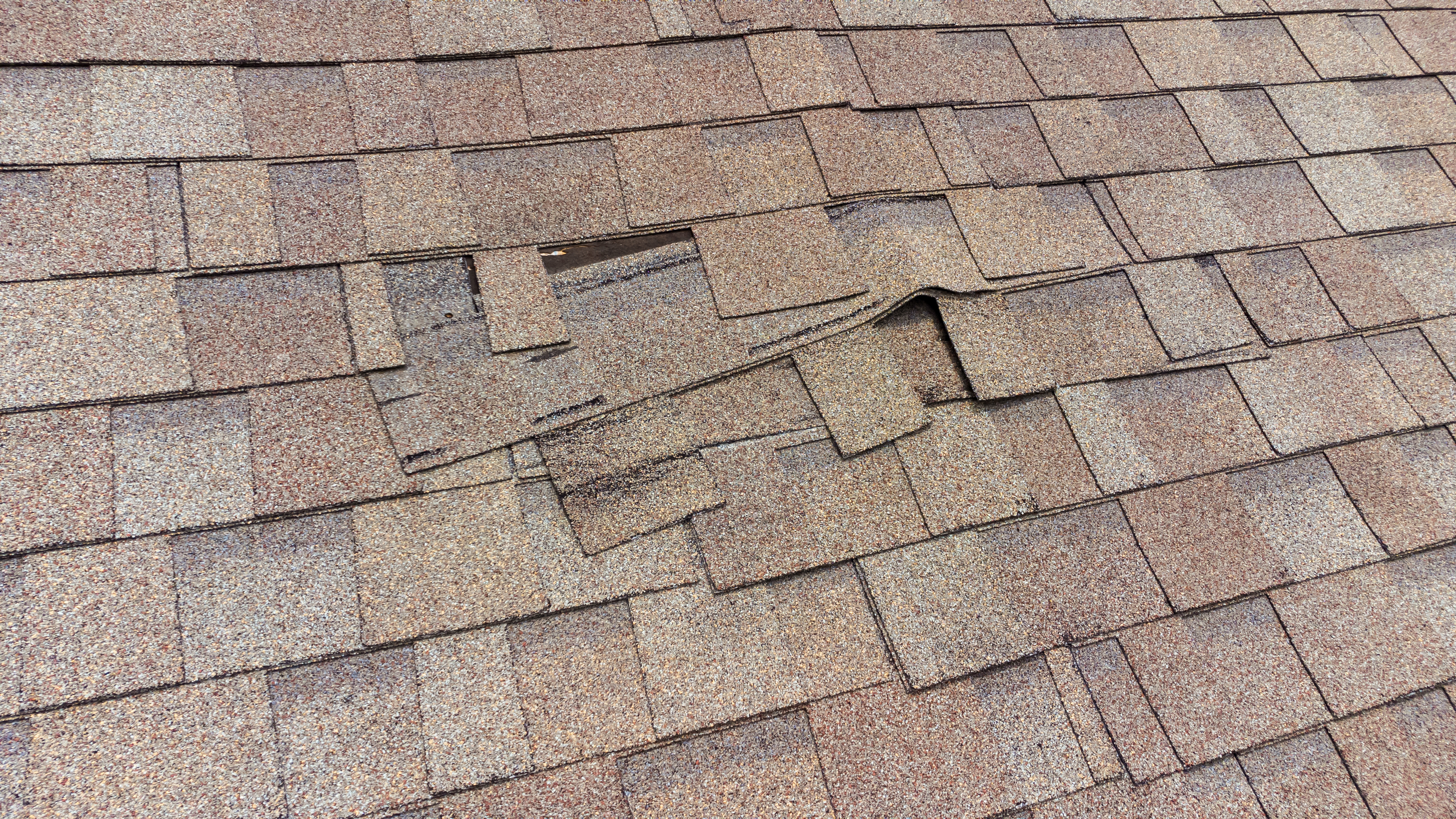
Roof Shingles damaged and in need of repair
Missing or Damaged Shingles After Storms
High winds and hail damage can trigger the need for spot shingle replacement. You’ll spot bare patches on the roof, shingles in the yard, or exposed underlayment. Even a few missing shingles compromise your roof’s water barrier and leave the decking vulnerable to rot.
Replacing a handful of shingles is one of the simplest and least expensive roof repairs. The whole job takes about an hour per small section. That said, if storm damage is widespread, document the damage with photos for your insurance claim before any temporary repairs, and always hire a professional.
Typical cost: $100–$300 for a few shingles. Full slope replacement runs $1,000–$3,000.
Sagging Roofline
A sagging roofline is never just cosmetic. It signals a potential failure in the rafters, trusses, or decking underneath, often caused by prolonged water damage, excessive snow load, or undersized framing.
If you notice even a slight bow or dip, call a structural engineer or experienced roofing contractor immediately. Temporary shoring can prevent collapse while a permanent repair plan takes shape. Depending on the severity, repairs may involve sistering new rafters alongside damaged ones, replacing decking, or in worst-case scenarios, a partial roof rebuild. Ignoring a sag for even one season can escalate repair costs dramatically and create a safety hazard.
Typical cost: $1,500–$8,000+ depending on the extent of structural damage.
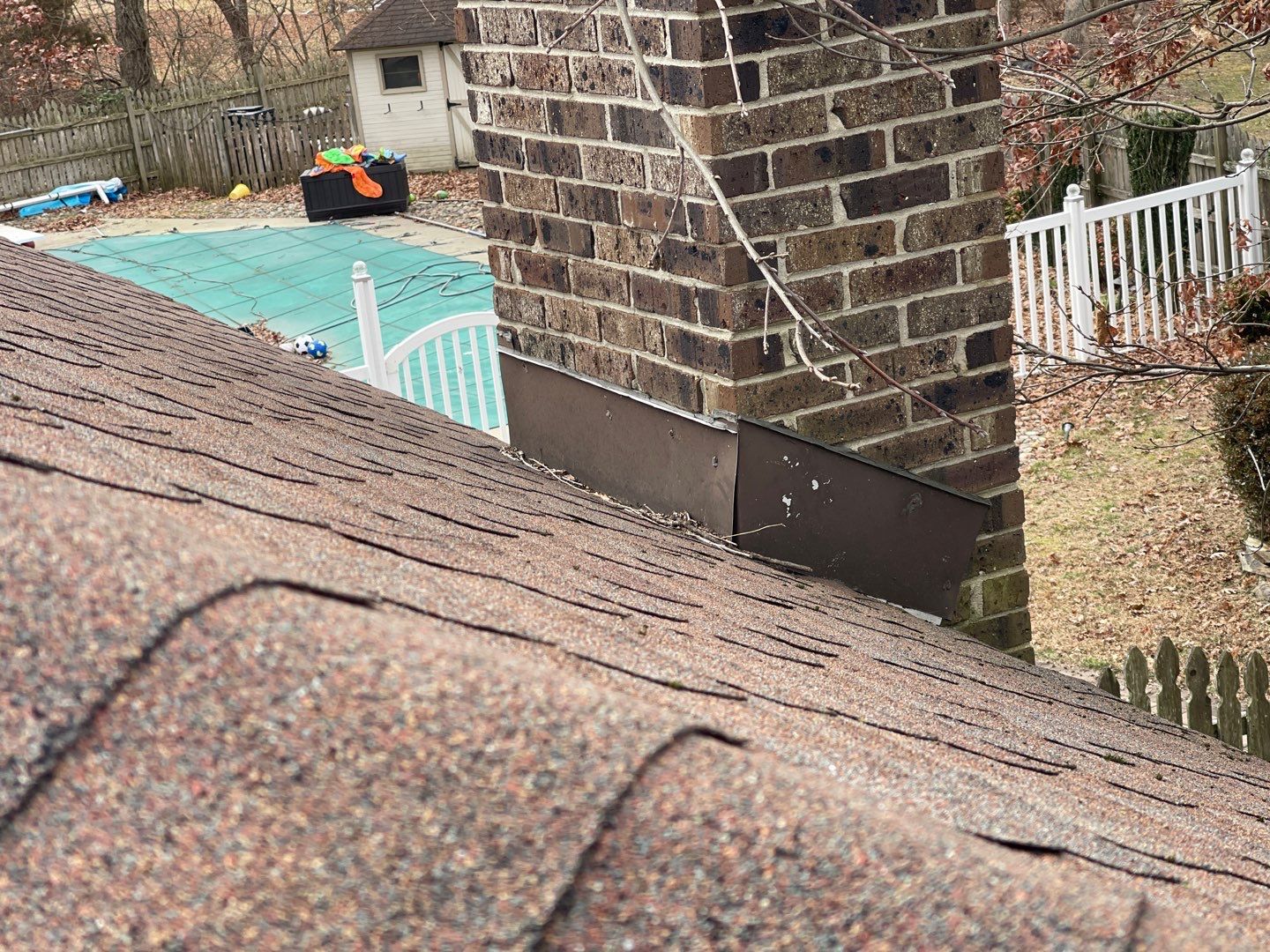
Flashing Failures Around Chimneys, Vents, and Skylights
Flashing is the metal (usually aluminum or galvanized steel) that seals transitions around chimneys, vents, skylights, and where different roof planes meet. When it corrodes, lifts, or separates, water finds its way in fast. Flashing failure is one of the leading causes of roof leaks, and it’s frequently missed during casual inspections because the damage hides under shingle edges.
Resealing minor gaps with roofing caulk can temporarily fix the issue (emphasis on temporarily). For sections that have corroded or pulled away significantly, replacement is necessary. This job requires precise bending and fitting, so you’ll need to call in the pros.
Typical cost: $200–$600 per area.
Granule Loss on Asphalt Shingles
Some granule loss is normal on new roofs during its first year. On older roofs (15+ years old), accelerating granule loss means the shingles are nearing end of life. You’ll notice bare, dark patches on shingles and an accumulation of sandy material in gutters.
There’s no fix for granule loss short of shingle replacement. If it’s isolated to a small area, you can replace those shingles. If it’s widespread, start planning for a reroof and consider upgrading to impact-resistant shingles rated for your climate zone.
Typical cost: Budget $5,000–$15,000+ for a full asphalt shingle replacement, depending on roof size.
Poor Ventilation and Moisture Damage
This one is sneaky. Inadequate attic ventilation traps heat and moisture, which accelerates shingle deterioration from the inside, warps decking, and promotes mold growth. Warning signs include ice dam formation in winter, an unusually hot attic in summer, and moisture or frost on the underside of roof sheathing.
Improving ventilation usually involves adding ridge vents, soffit vents, or powered attic fans. The long-term damage from neglect far exceeds the inconvenience of waiting. Many homeowners overlook how ventilation connects to other problems, and common roof maintenance myths lead many homeowners to delay the exact fixes that would stop the damage.
Typical cost: $300–$1,500 for ventilation improvements.
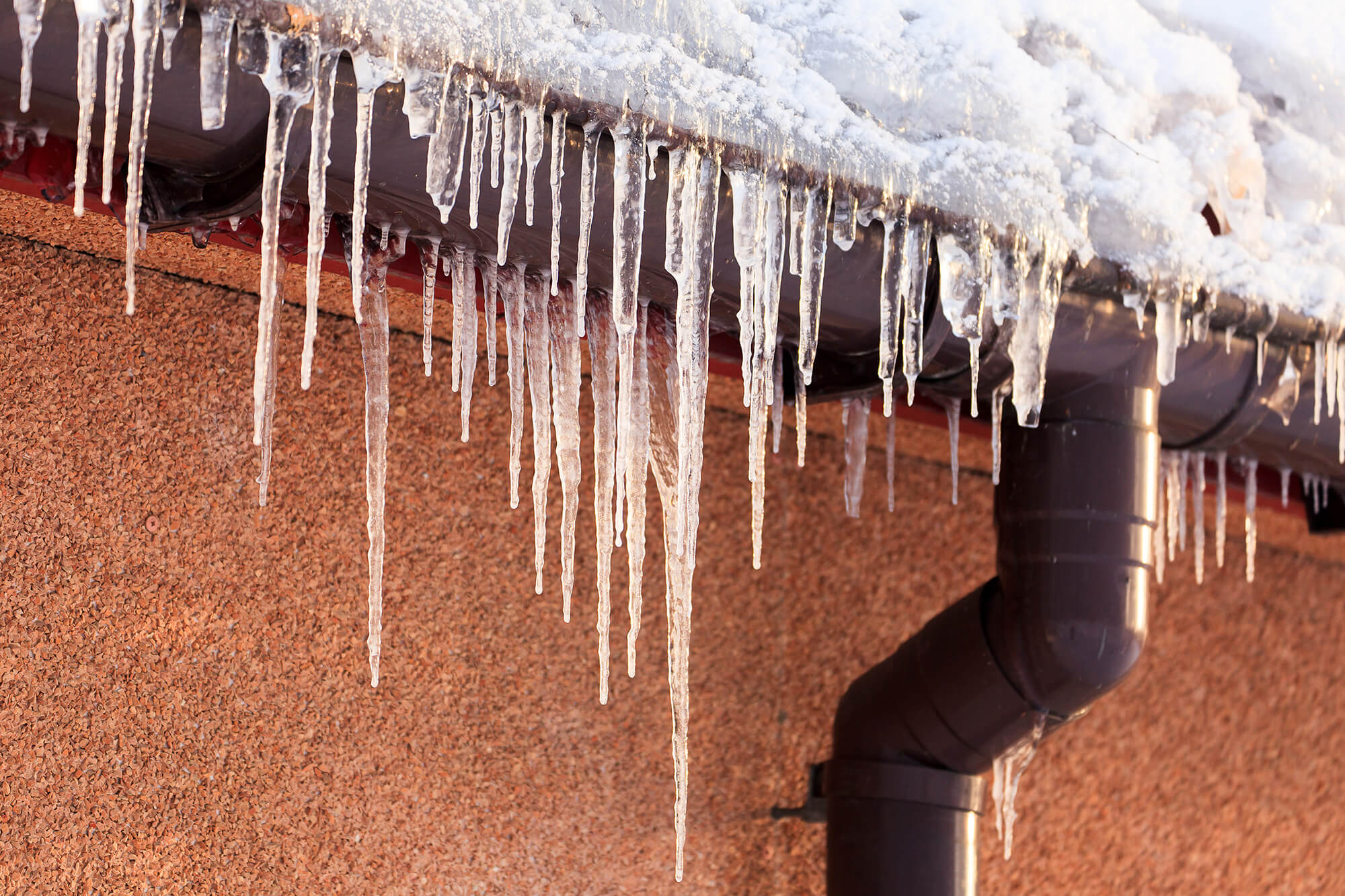
Ice Dams in Cold Climates
Ice dams form when heat escaping through the roof melts snow at the peak, which then refreezes at the eaves where the roof surface is colder. The resulting ice ridge traps water, which backs up under shingles and into your home. Prevention is the real fix here: proper insulation, adequate ventilation, and sealed attic bypasses stop the heat loss that causes ice dams in the first place.
Typical cost: $500–$2,000 for insulation and ventilation upgrades that prevent recurrence. Emergency ice dam removal runs $400–$800 per visit.
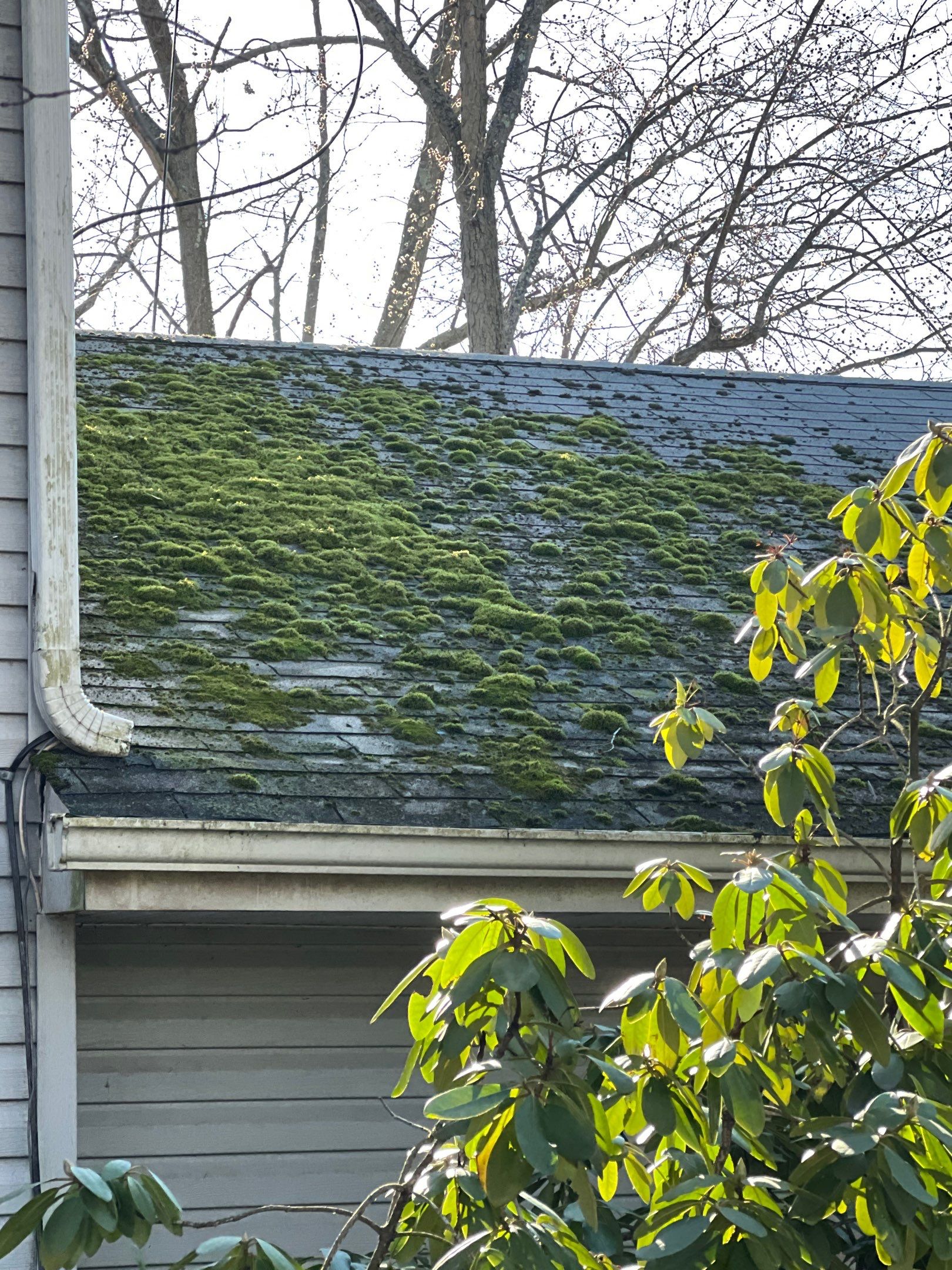
Moss and Algae Growth
Moss and algae thrive on shaded, north-facing roof slopes with trapped moisture. Algae (those dark streaks) is mostly cosmetic, but moss has a root system that lifts shingle edges and holds moisture against the roof surface, accelerating decay.
Algae removal usually involves a 50/50 bleach-water solution sprayed on a cool, overcast day. For moss, gentle removal with a soft brush followed by zinc or copper strip installation along the ridge prevents regrowth. Never pressure wash shingles. It strips granules and voids most shingle warranties.
Typical cost: $200–$600 for professional cleaning. Zinc strips cost $50–$100 for materials.
The Most Common Roofing Problems
| Problem | Urgency Level | Typical Cost Range | Risk if Ignored |
|---|---|---|---|
| Active Roof Leak | Emergency | $150–$3,500+ | Structural rot, mold |
| Sagging Roofline | Emergency | $1,500–$8,000+ | Potential collapse |
| Missing Shingles | High | $100–$3,000 | Water intrusion, deck rot |
| Flashing Failure | High | $200–$600 | Chronic leaks |
| Ice Dams | Moderate–High | $500–$2,000 | Interior water damage |
| Poor Ventilation | Moderate | $300–$1,500 | Premature aging, mold |
| Granule Loss | Low–Moderate | $5,000–$15,000+ | UV damage, shingle failure |
| Moss/Algae | Low | $50–$600 | Shingle degradation |
Any sagging, widespread storm damage, active leaks affecting multiple areas, or work that requires accessing steep slopes calls for a licensed contractor. The same applies if your roof is more than 20 years old. What looks like a single problem often masks systemic deterioration that only a trained eye will catch.
If storm damage is involved, document everything with photos and video before making temporary repairs. Contact your insurance company promptly. Most homeowners’ policies cover sudden wind and hail damage, though they won’t cover wear-and-tear issues like gradual granule loss or long-neglected moss. Your contractor can often help navigate the claims process.
How to Prevent Common Roofing Problems
Prevention costs a fraction of repair. This seasonal roof maintenance checklist ties directly to the problems covered above and helps you catch issues before they escalate. Roof leak repairs range from temporary tarping to permanent flashing replacement depending on the source and severity.
Spring and Summer
- Inspect the roof from the ground with binoculars for missing, cracked, or curling shingles
- Check gutters and downspouts for granule buildup (a sign of shingle aging)
- Trim tree branches hanging within 6 feet of the roof surface
- Look for moss or algae growth and treat early
Fall and Winter
- Clear leaves and debris from gutters, valleys, and around flashing
- Inspect attic for signs of moisture, daylight penetration, or inadequate insulation
- Check that all vents are clear and functioning properly
- After major storms, do a visual inspection for missing shingles or displaced flashing
Sticking to this schedule catches most problems while they’re still cheap to fix. A $200 flashing reseal in October prevents a $3,000 interior water damage repair in February.
Protect Your Home by Acting on What You’ve Learned
Every common roofing problem covered here shares one trait: it gets more expensive the longer you wait. Whether you’re dealing with a few missing shingles or a ventilation issue that’s been quietly aging your roof for years, the best time to act is before the next storm, not after.
If your inspection reveals anything beyond a simple cosmetic fix, work with a certified roofing contractor to make sure the job gets done right and stays covered under warranty. Home Genius Exteriors provides thorough inspections and backs every project with extensive labor and material warranties that most competitors can’t match.
Call today for a free inspection and estimate. Our team will identify exactly what your roof needs, walk you through your options, and help you make the smartest decision for your home and budget. Schedule your free roof inspection with Home Genius Exteriors and get ahead of future roofing problems.
Frequently Asked Questions
How often should I schedule a professional roof inspection if I haven’t noticed any obvious problems?
A routine inspection once per year is a solid baseline for most homes, with an extra check after major weather events. If your area sees frequent hail, high winds, or heavy snow, a biannual schedule can catch small issues before they become disruptive.
What should I ask a roofing contractor before signing a repair or replacement contract?
Ask about licensing, insurance, workmanship warranty terms, and who will be on site managing the crew. Also request a written scope that specifies materials, ventilation plan, cleanup, and how unexpected roof decking repairs or change orders are handled.
How can I tell whether a roof issue is covered by homeowners insurance?
Coverage typically depends on whether the damage was sudden and accidental versus a gradual deterioration. Your adjuster will look for a clear event date, documentation, and whether maintenance was reasonable, so keep records and photos whenever you spot changes.
What roof material upgrades should I consider if my home is in a high-wind or hail-prone area?
Look for products like shingles with strong wind ratings and impact classifications, and confirm the full system (underlayment, starter strips, ridge cap, and fastening pattern) meets the manufacturer specs. In many cases, investing in higher-rated materials can reduce storm-related repairs over time.
Are solar panels safe for my roof, and how do I avoid leaks after installation?
Solar can be roof-safe when mounts are flashed correctly and installed by an experienced crew that coordinates with a roofer. If your roof is near the end of its service life, it’s often better to replace the roof first to avoid paying for panel removal and reinstallation later.
What is the best way to choose a reputable roofing company and avoid scams after a storm?
Prioritize local companies with a verifiable address, strong reviews across multiple platforms, and clear documentation of licensing and insurance. Be cautious of high-pressure tactics, large upfront payments, or anyone who refuses to put scope, materials, and warranty terms in writing.
How should I prepare my home and property before roof repair work begins?
Move vehicles away from the driveway, protect attic items from dust, and secure fragile wall hangings since vibration can travel through framing. It also helps to identify outdoor power outlets, clear access to the work area, and communicate any concerns about landscaping or pets ahead of time.