Hail Damage On Your Roof: Repair And Prevention
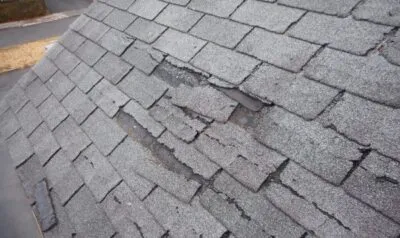
A single hailstorm can undo a decade of reliable roof performance in under twenty minutes. Hail damage on a roof often hides in plain sight, disguised as minor cosmetic wear that quietly escalates into leaks, structural rot, and five-figure repair bills. The difference between catching it early and discovering it too late usually comes down to knowing exactly what to look for and what to do next.
Most homeowners assume hail damage is obvious: dented gutters, cracked windows, dings on the car parked in the driveway. But asphalt shingles can experience less obvious wear, showing up as small bruises where the granular surface has been knocked loose, exposing the asphalt mat underneath to UV rays and moisture. These soft spots, often no larger than a quarter, can take six to eighteen months to fail visibly, by which point the warranty window may have closed and the insurance claim deadline passed.
Knowing how to spot impact marks, granule loss, and fractured mat fibers within days of a storm is what separates a covered repair from an out-of-pocket disaster. Whether last night’s storm rattled your nerves or you’re preparing for hail season, use this guide as your start-to-finish playbook.
How Hail Damages Different Types of Roofing Materials
Not all roofs respond to hail the same way. Your roofing material determines what kind of damage you’ll see, how urgent repairs are, and whether your insurance company considers it cosmetic or functional.
Hail on Asphalt Shingles
Asphalt shingles absorb hail impact by losing granules, the sandpaper-like coating that protects the underlying asphalt from UV degradation. A single hit from a one-inch hailstone can knock loose enough granules to expose the fiberglass mat underneath. Over time, these exposed spots crack and curl, letting water penetrate the roof deck.
Fresh hail bruises on asphalt shingles often feel soft to the touch but look nearly identical to normal aging from the ground. That’s why adjusters press a finger into suspected impact sites. A hail bruise compresses the mat beneath the surface, while a blister (caused by trapped moisture during manufacturing) stays firm and rounded.
Hail on Wood Shake, Metal, and Tile
Wood shake splits along the grain when struck by hail. These cracks differ from natural weathering splits because they’re sharp-edged and often have visible impact points where the hailstone landed. Ignoring them invites water directly into the underlayment.
Metal roofing dents rather than cracks. While dents on steel panels rarely cause leaks, they compromise the finish coating and accelerate corrosion in that spot. Tile and slate roofs chip or shatter on impact. Even hairline fractures in clay tile allow moisture intrusion that worsens through freeze-thaw cycles.
| Roofing Material | Typical Hail Damage | Leak Risk | Repair Urgency |
|---|---|---|---|
| Asphalt Shingles | Granule loss, bruising, cracking | High (exposed mat degrades fast) | Within 1–2 weeks |
| Wood Shake | Splits along grain, impact marks | High (direct water entry) | Immediate |
| Metal Panels | Dents, finish coating damage | Low (unless seams are affected) | Moderate |
| Clay/Slate Tile | Chips, cracks, shattered pieces | Moderate to High | Within days |
Hail Damage Roof Inspection Checklist
Your first instinct after a hailstorm might be to grab a ladder. Resist it. The National Roofing Contractors Association urges homeowners to stick to ground-level visual inspections and leave all roof climbing to licensed professionals.
Here’s a ground-level inspection sequence you can follow immediately after the storm passes:
- Check your yard and hard surfaces first. Look for dented gutters, dings on outdoor AC units, and pockmarks on deck railings or patio furniture. These confirm hail size and severity before you even look up.
- Examine gutters and downspouts. Excessive granule accumulation (more than light dusting) in gutters signals shingle damage above. Dented gutter runs confirm large hail.
- Inspect siding and window trim. Hail rarely hits only the roof. Cracked vinyl siding or chipped window frames corroborate roof-level damage.
- Use binoculars on the roof surface. Look for dark spots (exposed shingle mat), visible cracks in tile, or dents on metal panels and roof vents.
- Photograph everything with timestamps. Capture wide shots and close-ups of each damage point. Include a coin or ruler for scale next to dents.
Structured photo documentation after a storm gives adjusters the evidence they need to evaluate claims accurately. Taking an extra ten minutes with your phone camera can save you weeks of back-and-forth with your carrier.
Hail Damage vs. Normal Wear: What Adjusters Actually Look For
This is where many claims get denied. Insurance companies distinguish between functional damage (which compromises the roof’s ability to keep water out) and cosmetic damage (which affects appearance but not performance). Understanding the difference strengthens your position.
A hail bruise has a random impact pattern with no uniformity. Press the dark spot, and the underlying shingle mat feels soft or fractured. Bruises also show granule displacement radiating outward from the impact center.
Blisters look similar, but form due to trapped moisture during manufacturing. They’re typically uniform, rounded, and the mat beneath feels intact. Mechanical damage from foot traffic or fallen branches follows linear patterns and usually appears near roof edges or under trees.
Adjusters also check for a random scatter pattern across the entire roof surface. Hail doesn’t hit one section neatly. If damage clusters only along one edge, the adjuster may attribute it to wind-driven debris instead.
Roof Hail Damage Insurance Claims
Roof repair and replacement costs reached nearly $31 billion in 2024, an increase of almost 30% since 2022. Your claim is competing for attention in a massive pipeline. Thorough documentation gives you an edge.
ACV vs. Replacement Cost Policies
Actual Cash Value (ACV) policies pay the depreciated value of your roof. A 15-year-old roof on a 25-year shingle gets roughly 40% of replacement cost. Replacement Cost Value (RCV) policies cover the full cost of a new roof minus your deductible, regardless of age. Check your declarations page before filing.
Most homeowners don’t realize their policy type until after the adjuster visit. If you carry ACV coverage on an older roof, the payout may barely cover materials. That’s worth knowing before you decide whether filing makes financial sense, especially if your deductible is high relative to the damage.
Working with Insurance Adjusters Effectively
Schedule a professional roof inspection before the adjuster arrives. Having an independent damage report gives you leverage if the adjuster’s assessment seems low. Be present during the adjuster’s visit, walk the property together, and point out every item you’ve documented.
If you disagree with the initial assessment, you have options. Request a re-inspection, hire a public adjuster (they typically charge 10–15% of the settlement), or invoke your policy’s appraisal clause. Don’t accept the first number if the evidence supports more.
Repair vs. Full Roof Replacement After Hail: Making the Right Call
Minor damage to a newer roof often warrants spot repairs. But the decision isn’t always straightforward, and deciding between roof repair vs replacement depends on several factors working together.
If damage covers less than 30% of the roof surface and the shingles are under ten years old, targeted repairs usually make sense. You can repair just a section of a roof when surrounding shingles remain structurally sound and color-matched replacements are available.
Full roof replacement becomes the better option when damage is widespread, the roof is past its midlife point, or local building codes require it. Some jurisdictions trigger full replacement when repairs exceed 25% of the roof area, and code upgrades (like adding ice-and-water shield) can push costs significantly higher.
| Factor | Favors Repair | Favors Full Replacement |
|---|---|---|
| Damage Extent | Under 30% of roof surface | Over 30% or multiple slopes affected |
| Roof Age | Under 10 years | Over 15 years |
| Insurance Payout | Below deductible threshold | RCV policy covering full replacement |
| Code Requirements | No upgrade triggers | Substantial damage threshold met |
How Much Does it Cost to Fix Hail Damage?
Spot repairs for hail-damaged asphalt shingles generally run $350–$1,200 depending on accessibility and the number of affected shingles. A full asphalt shingle replacement on a standard 2,000-square-foot home typically costs $8,000–$15,000. Metal roof dent repair ranges from $500–$2,000, while clay tile replacement can reach $20,000+ for full re-roofing due to material and labor costs.
Avoid Storm-Chasing Scams and Choose a Contractor You Can Trust
Within 48 hours of a major hailstorm, unfamiliar trucks may start canvassing neighborhoods. Some of these contractors do quality work. Many do not. Here are the roofing red flags that separate predatory operators from legitimate professionals:
- They pressure you to sign an Assignment of Benefits (AOB) immediately, transferring your insurance claim rights to them before you’ve even filed.
- They offer to “waive your deductible” as an incentive. This is insurance fraud in most states.
- No local address, license number, or verifiable references. They disappear after collecting payment.
- They demand large upfront deposits before any work begins.
A trustworthy contractor provides a written estimate, carries local licensing and insurance, and welcomes your questions. Look for manufacturers’ certifications as a quality signal.
How to Prevent Hail Damage
You can’t control the weather, but material choices matter. Class 4 impact-resistant shingles (rated under UL 2218 testing) withstand two-inch hailstones without cracking. Many insurance carriers offer 10–28% premium discounts for Class 4 shingles, which can offset the higher upfront cost within a few years.
Standing-seam metal roofing also performs well in hail-prone regions, though it dents more visibly than impact-resistant asphalt. If you’re in a high-risk area and your roof is due for replacement, the upgrade conversation is worth having. A seasonal roof inspection before storm season also catches existing vulnerabilities like loose flashing or aging sealant that hail would exploit.
Regular gutter maintenance matters too. Clogged gutters trap hail melt and debris against the roof edge, accelerating rot in fascia boards and eave areas that are already vulnerable to impact damage.
Protect Your Roof Before the Next Storm Hits
Hail damage hides under granules, behind dented flashing, and inside bruised shingle mats that don’t show leaks for months. The homeowners who come out ahead are the ones who inspect early, document thoroughly, and bring a qualified contractor into the conversation before filing their claim.
If you suspect hail damage or want a professional assessment before storm season, the Home Genius Exteriors team documents damage to insurance-ready standards and walks you through every option, from targeted repairs to full replacement. Call today for a free inspection and estimate so you’re never guessing about the condition of your roof.
Frequently Asked Questions
How soon should I contact my insurance company after a hailstorm?
Review your policy for reporting deadlines and notify your provider as soon as you can, even if you’re still gathering documentation. Early notice helps preserve your claim rights and makes it easier to schedule inspections while storm-related demand is high.
Will my homeowners insurance premium increase if I file a hail damage claim?
A single weather-related claim does not always raise your premium, but pricing can change based on carrier rules and broader storm losses in your area. Ask your provider how claims affect renewal rates, deductibles, and eligibility before you decide to file.
What is a separate wind and hail deductible, and how does it work?
Some policies use a wind and hail deductible that is calculated as a percentage of your home’s insured value rather than a flat dollar amount. Confirm whether your deductible is percentage-based, when it applies, and how it is calculated so you can estimate out-of-pocket costs.
Can I file a claim if my roof isn’t leaking yet?
Yes, insurance typically focuses on whether a covered event caused damage, not whether a leak has started. The key is to document storm timing and roof condition, then get a professional assessment that ties the damage to the hail event.
What should I do if my insurer says the damage is cosmetic but I disagree?
Request the specific policy language used to classify the damage and ask for the adjuster’s written scope. You can then provide a contractor’s report, request escalation or a supplemental review, and keep all communication in writing for clarity.
How do I evaluate roofing warranties after hail-related repairs or replacement?
Ask for both the manufacturer warranty (materials) and the workmanship warranty (installation), including what voids coverage. Make sure the contract specifies registration steps, transferability, and whether ventilation or underlayment requirements must be met.
What is the safest way to protect my home temporarily if shingles are missing after a storm?
Use a licensed roofer for emergency tarping or temporary patching, since improper materials or installation can cause additional damage and safety risks. Keep receipts and photos of any emergency mitigation, as many policies require reasonable steps to prevent further loss.