How To Remove Moss And Algae From Your Roof
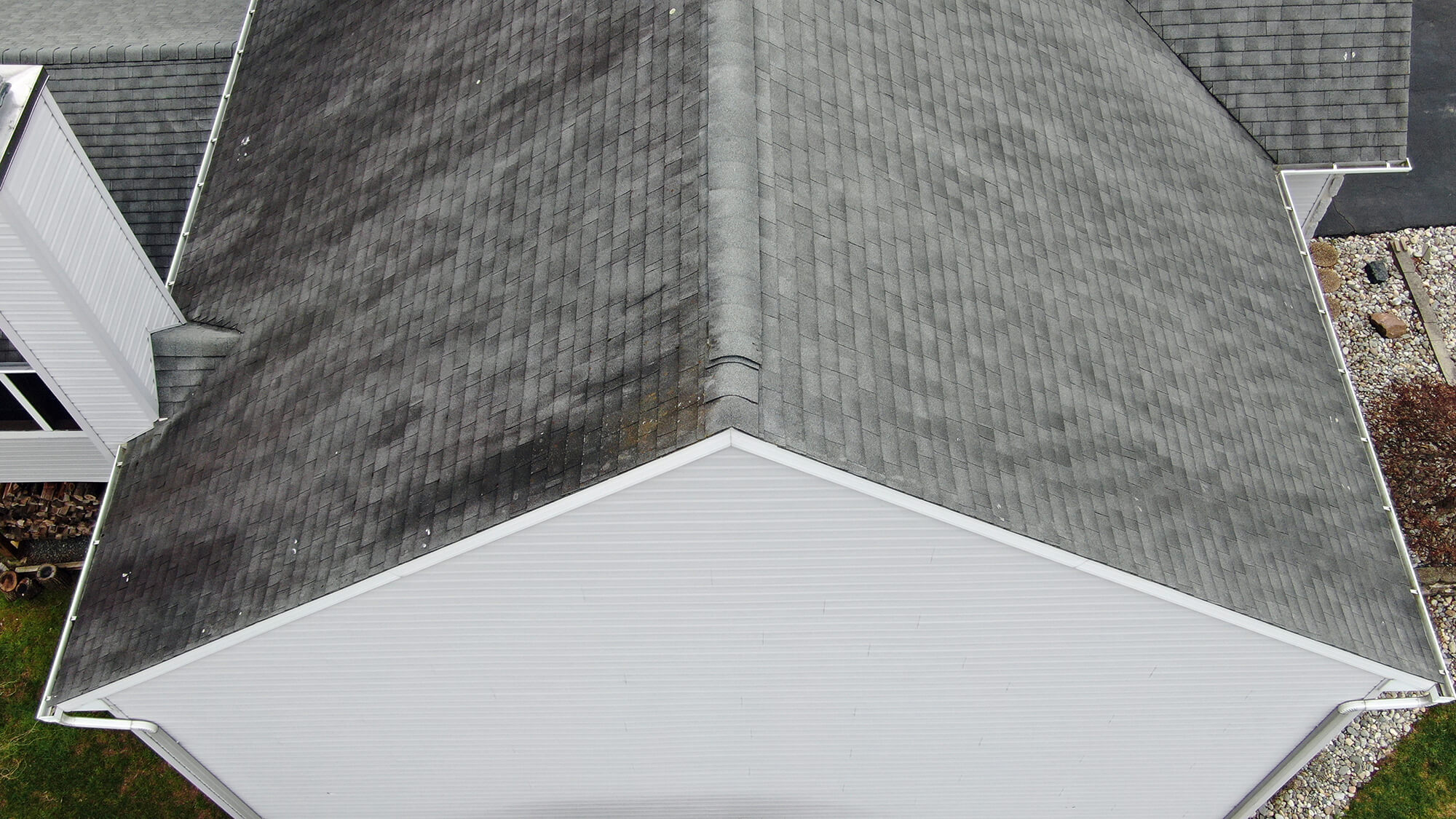
Those dark streaks creeping across your shingles aren’t just ugly. Left alone, roof algae eats away at the granules that protect your home from UV damage and moisture, quietly shortening the life of a roof that cost thousands to install. Roof algae removal is one of the most cost-effective ways to preserve your investment, yet most homeowners either ignore the problem or try to tackle it using methods that cause more harm than good.
Do you need to grab a garden sprayer or pick up the phone? Once you identify what’s actually growing on your roof, hire a pro to remove it safely and make sure it doesn’t come back.
How to Identify Algae, Moss, and Mold on Your Roof
Before you mix a single drop of cleaning solution, you need to identify the organism you’re dealing with. Each one looks different, behaves differently, and responds to different treatments. Misidentification leads to wasted effort and sometimes roof damage.
Roof Algae: The Cause Behind Those Black Streaks
Gloeocapsa magma is the blue-green algae responsible for those dark, streaky stains running down asphalt shingles. It feeds on the limestone filler in shingles and thrives in humid climates with partial shade. The stains often start on the north-facing side of the roof, where moisture lingers longest.
Algae growth is flat and film-like. You won’t feel any raised texture if you run your hand across it.
Moss, Mold, and Lichen: What Each One Does to Your Roof
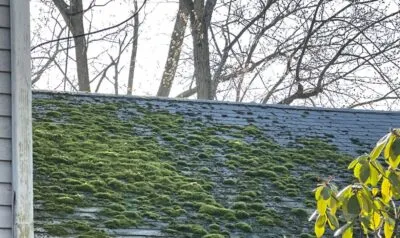
Moss is the thick, green, spongy growth that lifts shingle edges and traps moisture underneath. It’s far more structurally damaging than algae because its root-like structures (rhizoids) dig into roofing material. Mold appears as fuzzy black or gray patches, typically in areas with persistent dampness and poor airflow. Lichen, a stubborn combo of algae and fungus, looks like light-colored crusty patches and is the hardest to remove.
If you notice shingle edges curling or lifting, moss is usually the cause. In that case, you may need to evaluate whether it makes sense to replace damaged roof shingles before cleaning. Average roof repair cost for that kind of damage depends on how much decking needs replacing.
What Causes Algae and Moss Growth on Roofs
Understanding root causes prevents you from fighting the same battle every year. Three conditions create the perfect environment for biological growth.
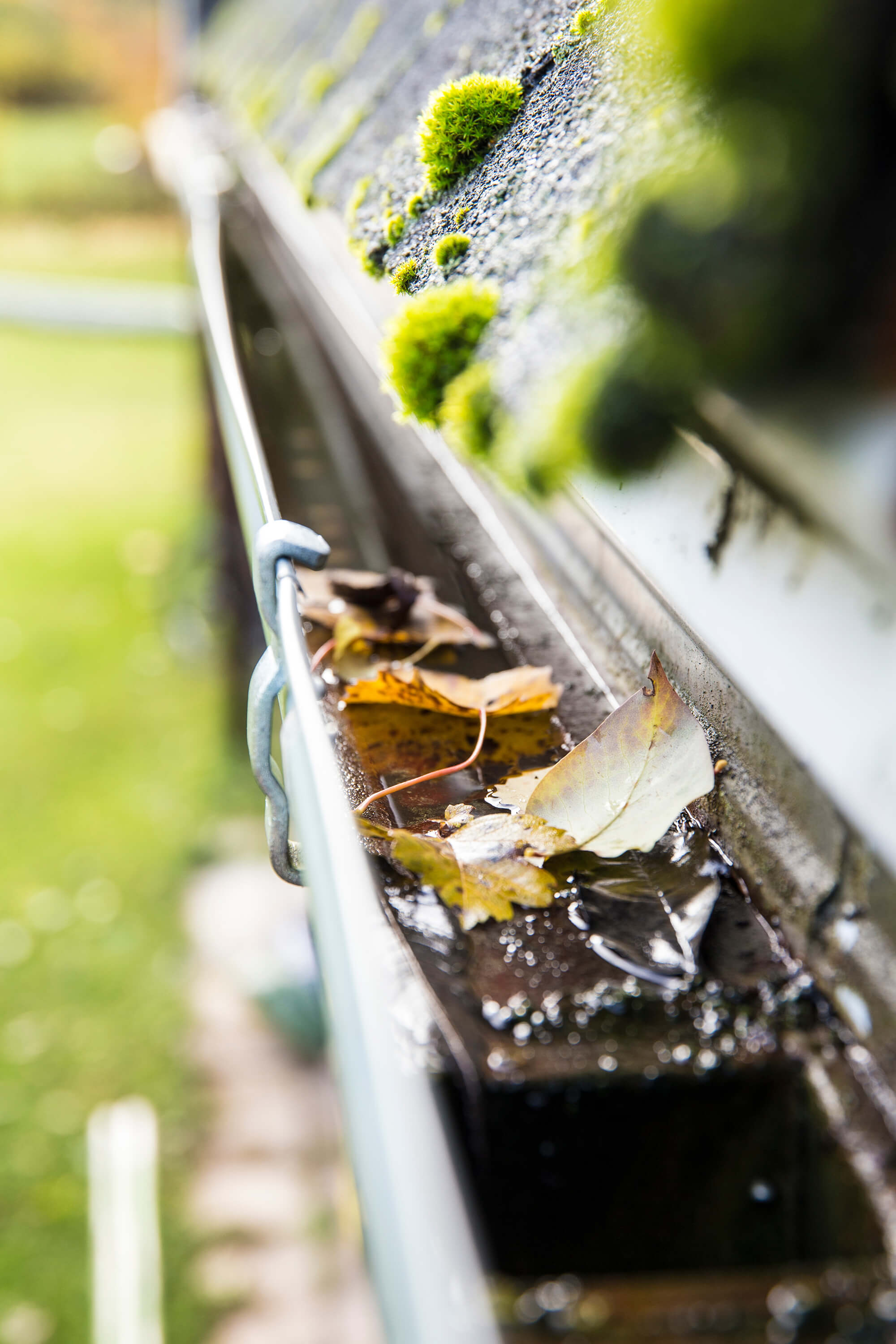
Moisture and shade are the biggest drivers of algae and moss growth on your roof. Overhanging tree branches block sunlight and drop organic debris that retains water on your shingles. Poor attic ventilation compounds the problem by trapping warm, moist air that migrates upward.
Humidity and climate play a role too. Homeowners in the Southeast, Pacific Northwest, and Great Lakes states deal with these issues far more frequently than those in arid climates.
Finally, your shingle composition matters. Older asphalt shingles contain more limestone filler, which is essentially a food source for algae.
Roof Algae Removal
This is the section that matters most. Follow these steps carefully, because the wrong technique voids warranties and accelerates shingle deterioration.
We don’t recommend trying to remove algae from the roof yourself. These tips are to give you an idea of what to expect from a roofing pro while they perform the cleaning work.
Safety First: Gear and Conditions
Never climb onto a wet roof. Wait for a dry, overcast day with calm winds. Overcast skies keep cleaning solutions from evaporating too quickly, giving them time to work. Necessary gear may include:
- Non-slip rubber-soled shoes rated for roof work
- Safety harness and rope anchored to a secure point (required for roofs steeper than 6/12 pitch)
- Chemical-splash goggles and rubber gloves when handling bleach solutions
- Garden hose with spray nozzle (never a pressure washer)
Algae Cleaning Solution: What Works and What Doesn’t
The Asphalt Roofing Manufacturers Association (ARMA) recommends a 50:50 mix of household bleach (sodium hypochlorite) and water, with a few drops of liquid dish soap to help the solution cling. This is the standard soft-wash approach that most shingle manufacturers approve.
Vinegar-based solutions are gentler on plants but far less effective on established algae. Commercial roof-cleaning sprays from brands like Wet & Forget or Spray & Forget work well for light staining, though they take weeks or months to show full results. Oxygen bleach (sodium percarbonate) offers a middle ground: safer for landscaping but requiring longer dwell times.
One thing to avoid entirely: never use a pressure washer on asphalt shingles. High-pressure water strips granules, voids most manufacturer warranties, and creates entry points for water. This is bad advice that still circulates on DIY forums.
How to Remove Algae From Your Roof
- Protect your landscaping. Soak plants, shrubs, and grass below the roofline with plain water. Cover sensitive plants with plastic sheeting. Wet them again after you finish.
- Apply the solution from the bottom up. Use a pump sprayer to coat a manageable section (roughly 10×10 feet). Working upward prevents the solution from running under shingles you haven’t treated yet.
- Let it sit for 15–20 minutes. Don’t let it dry completely. Reapply if sections start drying before time is up.
- Rinse gently with a garden hose from the top down. Direct water flow with the shingle grain, never against it. Low pressure only.
- Repeat for stubborn areas. Heavy staining may require a second application. Dark streaks often lighten gradually over several weeks after treatment.
Set realistic expectations. Your roof won’t look brand new the day you clean it. Most algae stains fade noticeably over 2–4 weeks as rain washes away dead organisms. If stains persist after two treatments, the discoloration may be permanent granule loss, not living algae.
How to Prevent Roof Algae and Moss Growth
Removal solves today’s problem. Prevention keeps you off the roof next year. Here are some strategies to keep your roof free of moss and algae for the long term.
Zinc and Copper Strips
Metal strips installed along the roof ridge release trace amounts of zinc or copper every time it rains. These ions create an environment hostile to algae and moss. Zinc strips cost $15–$30 per roll and last 10–20 years. Copper is more effective but more expensive at $50–$100 per roll.
Install them just below the ridge cap so runoff carries the ions down the entire roof face. This is one of the most reliable passive prevention methods available.
Algae-Resistant Shingles
If you’re due for a replacement, algae-resistant shingles contain copper granules that inhibit growth for 10–15 years. When that day comes, a full roof replacement is the easiest point to switch to algae-resistant shingles. Major manufacturers like Owens Corning offer these as standard options. Home Genius Exteriors, an Owens Corning Platinum Preferred Contractor, installs these shingles with exceptional warranty coverage that protects both materials and labor.
Beyond shingle selection, ongoing maintenance makes a significant difference. Trim tree branches back at least 6 feet from the roof surface. Keep gutters clean so water drains properly instead of pooling. Inspect your roof twice a year, ideally in spring and fall, and address small moss patches before they spread.
When to Call a Roofing Professional
Call a pro when you notice any of these signs:
- Moss has lifted or cracked shingle edges
- You see signs of a roof leak in your attic or ceilings
- Your roof is over 20 years old and hasn’t been inspected recently
- Algae or moss returns within months of cleaning
- You’re uncomfortable working at height or on steep slopes
Recurring growth often signals an underlying ventilation or drainage issue that cleaning alone won’t fix. A qualified roofer can diagnose whether you need spot repairs, improved ventilation, or a full replacement.
Protect Your Roof Before Algae Takes Over
Roof algae and moss are more than cosmetic nuisances. They trap moisture, degrade shingles, and reduce your home’s curb appeal at exactly the wrong time. The good news is that safe removal is straightforward when you use the right methods and skip the pressure washer. Pair a thorough cleaning with prevention strategies like zinc strips or algae-resistant shingles, and you shouldn’t face this problem again for years.
If your roof shows signs of damage beyond surface staining, Home Genius Exteriors provides free roof inspections and estimates. Our team handles everything from soft-wash cleaning to full replacements backed by Platinum Warranties. Call today for a free inspection and estimate to find out exactly what your roof needs.
Frequently Asked Questions
Will roof-cleaning chemicals harm my gutters, flashing, or downspouts?
Most roof-safe cleaners can affect bare metals or accelerate corrosion if they are left to sit. Pre-wet metal surfaces, keep runoff moving with a controlled rinse, and avoid prolonged contact with aluminum, galvanized components, and uncoated fasteners.
How do I protect my landscaping during roof cleaning beyond just covering plants?
Block off areas where downspouts discharge. Redirect downspouts temporarily into gravel or a safe drainage area, then do a final ground-level rinse where solution may have splashed.
What should I do if algae stains remain after cleaning but the growth is gone?
Some discoloration can be embedded in the shingle surface or reflect wear rather than active growth. If the roof is clean to the touch and streaks persist, consider a professional evaluation to confirm the staining is cosmetic and not a sign of material breakdown.
How often should I schedule roof cleaning as part of routine home maintenance?
The right cadence depends on shade, tree cover, and local weather patterns. Many homeowners do a visual check every season and plan cleaning on an as-needed basis when staining first appears, rather than waiting for heavy buildup.
Can I clean algae or moss off non-asphalt roofs like metal, tile, or cedar shake?
Yes, but the safest products and techniques vary widely by material and coating. Because some cleaners can stain tile, strip protective finishes, or dry out wood shakes, it’s best to follow the roof manufacturer guidelines or use a contractor who specializes in that roof type.
Is it safe to clean a roof if I have solar panels or skylights installed?
It can be, but you need to prevent chemical overspray and avoid walking or placing equipment near fragile edges. Use targeted application methods, shield panel frames and skylight seals, and hire a professional who can carefully step around mounting hardware.