Roof Cleaning 101: When And How To Do It
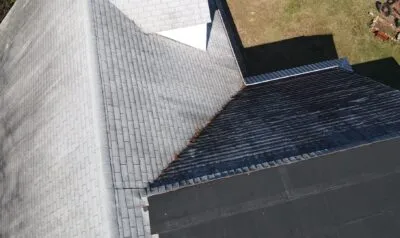
A roof covered in black streaks and moss patches does more than hurt your curb appeal. Left unchecked, that biological growth traps moisture against your shingles, accelerates material decay, and can shave years off a roof that should still have plenty of life left. Roof cleaning is one of the most overlooked maintenance tasks homeowners face, yet it carries some of the highest returns in terms of protecting your investment.
The tricky part is that cleaning a roof isn’t as straightforward as power-washing a driveway or scrubbing down siding. The wrong approach can strip protective granules, void manufacturer warranties, and damage the very surface you’re trying to preserve, turning a maintenance job into an expensive lesson. Knowing what’s actually growing up there, why it’s there, and how to deal with it without making things worse is the difference between extending your roof’s life and quietly cutting it short.
Why Should You Clean Your Roof?
Roof cleaning is the process of removing algae, moss, lichen, mold, and accumulated debris from your roof’s surface. Those dark streaks you see on asphalt shingles? That’s Gloeocapsa magma, a type of blue-green algae that feeds on the limestone filler in shingles. Moss, on the other hand, grows in thick mats that lift shingle edges and allow water to penetrate underneath.
The damage goes beyond cosmetics. Moss and algae retain moisture, which breaks down roofing materials over time. Roof algae also absorbs more heat from the sun, which can raise attic temperatures and drive up cooling costs in summer months.
How Roof Cleaning Extends Lifespan and Protects Home Value
A well-maintained roof can last its full rated lifespan, whether that’s 20 years for three-tab asphalt shingles or 50+ years for slate. Neglecting biological growth often means replacing a roof five to ten years earlier than necessary. Regular maintenance and cleaning are among the most cost-effective ways to extend roof performance.
There’s a financial incentive too. Appraisers and home inspectors flag visible algae and moss as deferred maintenance, which can lower your home’s market value or complicate a sale. Some homeowner insurance policies even require evidence of regular roof upkeep to maintain full coverage.
How To Clean Your Roof
Not every roof should be cleaned the same way. The method you choose depends on your roofing material, the severity of the growth, and how much risk you’re willing to accept. Here’s how the three main approaches compare.
| Method | How It Works | Best For | Risk Level | Cost Range (per sq ft) |
|---|---|---|---|---|
| Soft Wash | Low-pressure spray (under 1,000 PSI) with biodegradable cleaning solution | Asphalt shingles, clay tile, slate | Low | $0.30–$0.75 |
| Pressure Wash | High-pressure water (1,500–3,000+ PSI) to blast debris away | Metal roofing, concrete tile (with caution) | High | $0.20–$0.60 |
| Chemical Treatment | Applied solution (sodium hypochlorite or copper sulfate) kills organisms over days | Preventative maintenance, light growth | Low–Medium | $0.15–$0.40 |
When You Should Never Pressure Wash Your Roof
Pressure washing is the wrong choice for most residential roofs. High-pressure water strips the protective granules off asphalt shingles, cracks clay and slate tiles, and can force water beneath flashing and underlayment. If a contractor suggests pressure washing your shingled roof, that’s a roofer red flag worth paying attention to.
Pressure washing has a narrow window of appropriate use. Metal roofs and certain concrete tiles can tolerate it when handled by someone who understands PSI settings and spray angles. For everything else, soft washing delivers better results with a fraction of the risk.
Why Soft Washing Is the Standard for Most Homes
Soft wash roof cleaning uses a mix of sodium hypochlorite (essentially diluted bleach), a surfactant, and water, applied at low pressure. The chemical does the heavy lifting by killing algae and moss at the root. The low pressure keeps your roofing material intact.
Results aren’t always instant. Moss and algae removal may take a few weeks as heavy algae can take time to fully detach and wash away with rain. That’s normal and actually preferable to blasting organisms off mechanically, which often damages the surface underneath.
How Much Does Roof Cleaning Cost?
The cost of roof cleaning depends on several variables working together. Roof size is the biggest factor, but pitch, story height, the severity of the growth, and your local labor market all play a role.
| Roof Size (sq ft) | Soft Wash Estimate | Pressure Wash Estimate |
|---|---|---|
| 1,000 | $300–$750 | $200–$600 |
| 1,500 | $450–$1,125 | $300–$900 |
| 2,000 | $600–$1,500 | $400–$1,200 |
| 3,000 | $900–$2,250 | $600–$1,800 |
Remember, do not let a contractor pressure wash your shingled roof (and don’t attempt to do it yourself). Only soft wash unless you have a metal roof or specific concrete tiles that can handle high pressure cleaning. Regular cleaning is far less expensive than typical roof repair cost for damage caused by trapped moisture under moss and algae.
Factors That Can Make Roof Cleaning Cost More
A steep-pitch roof (8:12 or higher) requires specialized safety equipment and takes longer to clean, which can add 20–40% to the base price. Multi-story homes add similar surcharges because of ladder setup complexity and fall risk. If your roof has heavy moss accumulation or years of neglected growth, expect the contractor to charge more for additional treatment applications.
Regional labor rates can also bump up costs. Coastal areas with persistent humidity problems tend to have more roof cleaning providers, which can drive competitive pricing. But those same climates may require more frequent cleaning, so you’re paying less per visit but more often over the roof’s life.
How to Clean Your Roof Safely
It’s extremely difficult (and risky) to attempt to clean a roof yourself. Falls from roofs account for a significant number of injuries each year, and one in three construction fall fatalities.
Even on simple, single story roofs, proper safety gear is non-negotiable:
- A roof harness system rated for your weight, anchored to a secured ridge point
- Non-slip footwear designed for roof surfaces
- Chemical-resistant gloves and eye protection when handling sodium hypochlorite solutions
- A spotter on the ground at all times
Your roof cleaning contractor will also need to protect landscaping and manage chemical runoff. They should wet down plants thoroughly before and after application, and cover sensitive garden beds with plastic sheeting. Sodium hypochlorite will damage foliage it contacts directly.
A qualified contractor carries liability insurance, understands which chemical concentrations work for your specific roofing material, and owns the safety equipment to do the job without damaging your property. The same criteria that apply to any major roof hire help you vet roof cleaning candidates: licensing, insurance, method transparency, and references from recent jobs.
Ask any potential provider three things: whether they use soft wash or pressure wash, what concentration of cleaning solution they apply, and whether they carry proof of insurance. Request before-and-after photos from recent jobs. Walk away from anyone who can’t answer confidently.
How Often Should You Clean Your Roof?
Climate drives cleaning frequency more than any other factor. Homes in hot, humid regions like the Southeast may need roof cleaning every one to two years. Homes in the Pacific Northwest, where moss thrives in cool, damp conditions, often fall on the same schedule. In drier climates, you might stretch cleanings to every three to five years.
The smartest approach combines visual inspections with scheduled maintenance. If you prepare your roof for summer with a thorough inspection each year, you’ll catch early growth before it becomes a costly problem. Preventative zinc or copper strip installations along the ridge line can also slow algae regrowth between cleanings.
Signs Your Roof Needs Attention Now
Don’t wait for a scheduled date if you notice black streaks spreading across your shingles, moss mats thickening along valleys and north-facing slopes, or granule buildup in your gutters. Visible lichen (those crusty, light-colored patches) is especially urgent because lichen roots penetrate deeper into roofing material than algae or moss.
Sometimes cleaning isn’t enough. If shingles are curling, cracking, or missing significant granule coverage, the damage may have progressed beyond what cleaning can address. In those cases, you may need to prepare for a roof replacement. A full roof replacement also gives the crew a chance to check the decking underneath. Don’t confuse common roof maintenance myths with reality: cleaning extends life, but it can’t reverse structural deterioration.
Protect Your Roof Before Small Problems Become Big Expenses
Roof cleaning isn’t glamorous, but it’s one of the highest-return maintenance tasks you can check off your list as a homeowner. A few hundred dollars spent on soft washing today can prevent thousands in premature replacement costs down the road. Match your cleaning method to your roof material, stick to a schedule based on your climate, and never compromise on safety.
If your roof is due for cleaning, or if you’ve spotted signs of growth and want a professional assessment, Home Genius Exteriors can help. As an Owens Corning Platinum Preferred Contractor, we bring the expertise and equipment to handle any roof type safely and effectively. Call today for a free inspection and estimate so you can stop worrying and start protecting the roof over your head.
Frequently Asked Questions
Will roof cleaning void my roofing warranty?
It can if the method or chemicals used conflict with your manufacturer’s care guidelines. Before scheduling service, review your warranty terms and ask the contractor to confirm their process aligns with your roof brand and material requirements.
How long should I wait after roof cleaning before painting, sealing, or installing solar panels?
Wait until the roof surface is fully dry and any residue has been rinsed away, which can take a couple of days depending on weather and shade. For solar, coordinate with the installer so mounting and electrical work do not disturb freshly treated areas.
What questions should I ask a roof cleaning company beyond method and insurance?
Ask how they protect gutters, downspouts, and exterior surfaces, and whether they provide a written scope of work with clear exclusions. You should also confirm their plan for plants, pets, and runoff control, plus what kind of post-cleanup inspection they perform.
Is it safe to clean a roof if I have rainwater harvesting or sensitive landscaping?
Yes, but you need extra precautions like temporarily disconnecting or diverting downspouts, and keeping collection systems isolated until the roof is fully rinsed. Let the contractor know upfront so they can adjust containment and flushing steps to protect soil and water storage.
Can roof cleaning help with indoor air quality or allergy concerns?
Cleaning can reduce the amount of organic material that may shed spores or particles around vents, gutters, and roof edges. It’s not a substitute for attic ventilation or addressing existing mold inside the home, but it can be a helpful part of an overall prevention plan.
What maintenance should I do after cleaning to keep the roof looking better longer?
Trim back overhanging branches to increase sunlight and airflow, and keep gutters clear so water doesn’t back up onto roof edges. Periodic gentle rinsing of heavy debris (from the ground with a hose) can also reduce buildup between professional cleanings.
How do I document roof cleaning for resale or insurance purposes?
Save the invoice, the scope of work, and dated before-and-after photos, and keep any contractor warranty or service notes. A basic maintenance log with dates and provider details makes it easier to show consistent upkeep during inspections or policy reviews.