Metal Roof Maintenance Guide to Prevent Rust and Leaks
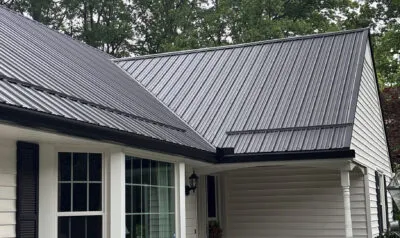
A single loose fastener on a metal roof can let in enough moisture to rot the decking beneath it in one wet season. That’s the frustrating reality of metal roof maintenance: the roof itself can last 40 to 70 years, but only if you stay ahead of the small problems that snowball into expensive ones. Most homeowners install metal and assume it’s “set it and forget it.” It’s not.
Whether your metal roof is brand new or two decades old, this guide will help you protect your investment and avoid the repair bills that catch neglectful homeowners off guard.
Why Metal Roof Maintenance Protects Your Investment
Metal roofs earn their reputation for durability, but that durability has conditions. For example, if you compare metal roofing vs. asphalt shingle roofing, you’ll see that a metal roof has an inherently longer lifespan, but it depends on proper care.
UV exposure degrades protective coatings. Thermal expansion and contraction loosen fasteners over time. Trapped debris holds moisture against panel surfaces and accelerates corrosion. Without routine care, a roof rated to last half a century could need major intervention in under 20 years.
Annual maintenance typically runs $200 to $600, depending on roof size and accessibility. A single leak repair caused by neglected fasteners or corroded flashing often costs $500 to $1,500. A full panel replacement on a section of roof can exceed $5,000. You’re spending a little now to avoid spending a lot later.
Warranty Protection Often Depends on Upkeep
Here’s something many homeowners miss: most manufacturer warranties require documented maintenance. Skip your inspections or use the wrong cleaning products, and you could void the warranty entirely. Keep a maintenance log with dates, photos, and notes on what you addressed. That documentation becomes invaluable if you ever need to file a warranty claim or sell the home.
Metal Roof Maintenance: Seasonal Inspection and Rust Prevention
A structured schedule prevents the “I’ll get to it later” mindset that causes small issues to compound. Here’s how to break your year into manageable maintenance windows.
| Timing | Key Tasks | DIY or Pro? |
|---|---|---|
| Spring | Full visual inspection, clean debris from valleys and gutters, check for winter damage to fasteners and seams | DIY-friendly |
| Summer | Clean algae or mildew growth, inspect coating for chalking or fading, check sealant at penetrations | Pro recommended |
| Fall | Clear leaves and branches, inspect and clean gutters, recheck fastener tightness before winter | DIY possible with proper safety precautions |
| Winter | Monitor for ice dams, check attic for condensation or leak signs, avoid walking on icy panels | Ground-level only |
| After Major Storms | Inspect for dents, lifted panels, displaced flashing, or clogged drainage | Pro recommended |
Spring and fall carry the heaviest workload. Storm inspections are non-negotiable, especially after hail or high winds.
Metal Roof Inspection Checklist
A thorough inspection covers more than the surface of the roof. You need to check the roof itself, the attic below it, and the components connected to it. Here’s what to look for.
Exterior Inspection Points
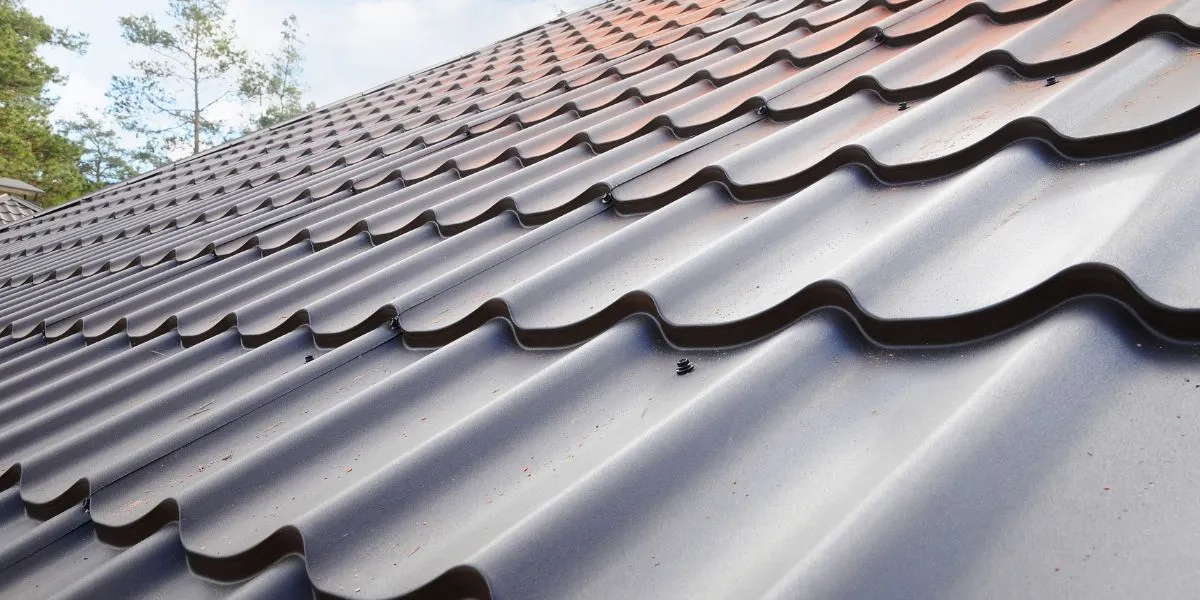
- Fasteners: Look for backed-out screws, missing rubber washers, or rust staining around fastener heads. Exposed-fastener roofs need this check most.
- Seams and overlaps: On standing seam roofs, inspect the seam locks for separation. On exposed-fastener panels, check lap joints for lifting.
- Flashing: Examine flashing around chimneys, vents, skylights, and wall transitions. Sealant deterioration here is the top source of leaks.
- Panel surface: Look for scratches that expose bare metal, dents from debris, or areas where the coating appears chalky or faded.
- Valleys and transitions: Debris collects in valleys and blocks drainage. Clear buildup and check for corrosion underneath.
Interior and Attic Checks
Daylight visible through the roof deck signals a serious problem. Water stains on rafters, insulation, or ceiling drywall below the roofline indicate active or past leaks. Also check for condensation on the underside of the metal panels, which usually points to a ventilation issue rather than a leak.
Note: Understanding roof components and their functions can sharpen your inspection eye considerably.
How to Clean Your Metal Roof
Dirt, algae, tree sap, and bird droppings don’t just look bad. They trap moisture and accelerate coating breakdown. But aggressive cleaning does more harm than the grime itself. Here are the safest methods and products to use on your metal roof.
Approved Cleaners for Metal Roofs
A simple mix of ¼ cup dish soap per gallon of water handles most surface dirt. For mildew and algae, add ½ cup of white vinegar or use a commercially available metal roof cleaner labeled safe for painted panels. Avoid bleach-based products, ammonia, or any solvent that could strip the factory coating.
Apply with a soft-bristle brush or a low-pressure sprayer. If you use a pressure washer, keep PSI below 1,200 and maintain at least a 12-inch distance from the surface. High pressure forces water under seams and panel laps, creating leaks where none existed before.
Stain-Specific Cleaning Techniques
Tree sap responds well to rubbing alcohol applied with a soft cloth. Bird droppings should be soaked with soapy water for 10 minutes before gentle scrubbing, since dried droppings are acidic enough to etch coatings if scrubbed dry. Rust stains from adjacent metal components (like an old chimney cap) require a non-abrasive rust remover formulated for painted metal.
Always rinse the roof thoroughly after cleaning, working from ridge to eave so dirty water doesn’t pool in seams.
Rust Prevention and Treatment for Metal Roofs
Rust rarely appears overnight. It starts at scratches, cut edges, or areas where the protective coating has worn thin. Catching it early makes the difference between a $30 touch-up and a $3,000 panel replacement.
Early warning signs include orange or brown discoloration around fasteners, along cut edges, or at any point where dissimilar metals contact each other (galvanic corrosion). If you installed copper flashing against steel panels, for instance, that junction will corrode faster than any other spot on the roof.
Treating Minor Rust Spots
Sand the rusted area with 150-grit sandpaper until you reach clean, bright metal. Wipe the area with a degreaser and let it dry completely. Apply a rust-inhibitive primer designed for metal roofing, then top-coat with a color-matched metal roof paint. Two thin coats outperform one thick coat.
For roofs with widespread coating failure, a full elastomeric roof coating provides a second skin that extends service life by 10 to 15 years. Make sure your contractor has experience with metal roofs since uneven application can create ponding areas that trap water.
Standing Seam Roofs vs. Exposed Fastener Roofs
These two roof styles fail differently, and your maintenance priorities should reflect that. Treating them identically is a common mistake.
Exposed fastener roofs use screws driven directly through the panel face. Every fastener is a potential leak point. Rubber washers compress over time, back out with thermal cycling, and eventually fail. Plan to inspect every visible fastener annually and budget for washer replacement every 10 to 15 years.
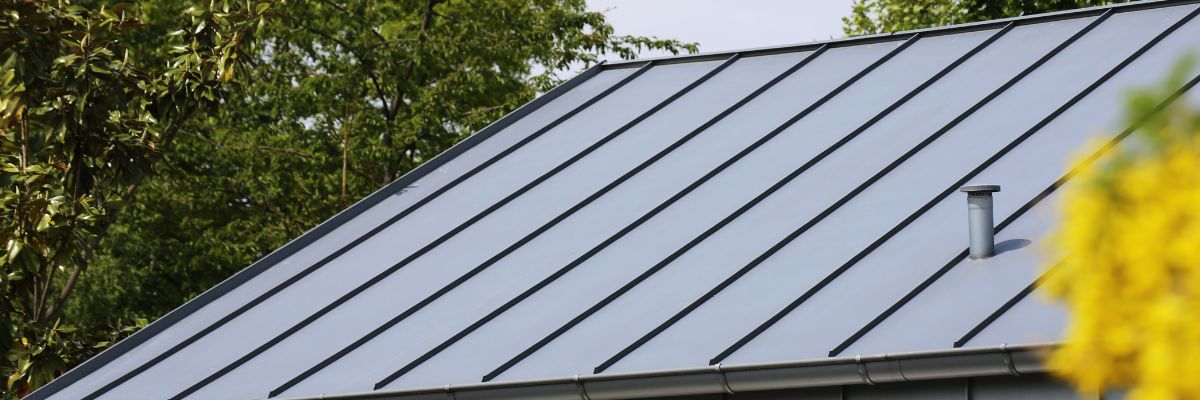
Standing seam roofs hide their fasteners beneath interlocking seams, so fastener failure is far less common. Their weak points are sealant joints at transitions and the seam locks themselves. Focus your inspection on seam integrity, especially at the ridge and eave, and on any sealant applied at penetrations. Standing seam systems cost more upfront but require less ongoing fastener maintenance.
Common Mistakes That Shorten Your Metal Roof’s Lifespan
Even well-intentioned homeowners make errors that accelerate wear. Avoid these, and your roof will reward you with decades of leak-free performance.
- Pressure washing at high PSI: Anything above 1,200 PSI risks forcing water under panel laps and stripping protective coatings.
- Walking on panel ribs: You shouldn’t be walking on your roof, but contractors should step in the flat area between ribs, close to where the panel meets the decking. Stepping on ribs dents or crimps them.
- Using incompatible metals: Copper gutters on a steel roof, or aluminum flashing on galvanized steel, creates galvanic corrosion at the contact point.
- Over-tightening fasteners: Crushing the rubber washer causes it to fail faster. Snug is enough.
- Ignoring gutter maintenance: Clogged gutters cause water to back up under the roof edge, rotting fascia and softening the decking. Clean gutters at least twice a year.
One area that’s particularly easy to neglect: where the roof meets walls or dormers. These transition zones collect debris, hold water, and are the first spots where sealant fails. They deserve extra attention during every inspection.
Keep Your Metal Roof Performing for Decades
Metal roof maintenance isn’t complicated, but it is non-negotiable. A seasonal checklist, the right cleaning products, and a sharp eye for early rust or loose fasteners will keep your roof performing at its best for 40 years or more. The key is consistency: small efforts twice a year prevent the large, expensive problems that catch passive homeowners by surprise.
If your roof is overdue for an inspection, or you’ve spotted issues you’re not comfortable addressing yourself, Home Genius Exteriors can help. Our certified roofing professionals handle everything from routine metal roof care to full recoating and panel replacement. Call today for a free inspection and estimate and take the guesswork out of protecting your home’s most important exterior surface.
Frequently Asked Questions
What should I do if I find a small scratch or paint chip but no rust yet?
Clean the spot, let it fully dry, then apply a manufacturer-approved touch-up paint or coating to seal exposed metal. Addressing bare spots early helps prevent oxidation and preserves the roof’s appearance.
How do I prevent snow guards from causing leaks on a metal roof?
Choose a snow-retention system designed for your roof profile and avoid mixing attachment methods that are not approved by the roof manufacturer. Installation quality matters, so have a qualified metal roofing pro confirm placement, fastening method, and seal compatibility.
How can I tell whether a ceiling stain is from a roof leak or an HVAC or plumbing issue?
Trace the stain location relative to vents, bathrooms, and HVAC lines, since water often travels along framing before it shows up inside. If the stain grows after rain or snowmelt, the roof is most likely the issue. If it appears during humid periods or AC use, condensation or HVAC drainage may be the culprit.
What should a professional metal roof inspection report include?
A good report documents findings with dated photos, prioritizes issues by urgency, and notes likely causes plus recommended fixes. It should also include clear scope language so you can compare bids and keep maintenance records organized.
How do I choose the right contractor for metal roof maintenance or repairs?
Look for contractors with metal roof-specific experience, proof of insurance, and clear warranty terms for both labor and materials. Ask what products they use (sealants, coatings, fasteners) and confirm they follow manufacturer requirements to avoid warranty conflicts.