What Is Roof Decking? Materials, Signs of Damage & Replacement
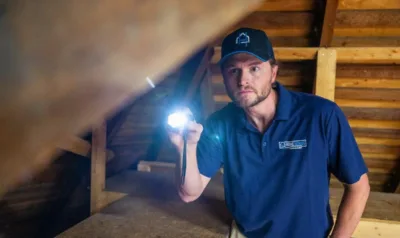
Your roof handles rain, wind, snow, and sun every single day, yet the layer doing most of the structural heavy lifting sits completely hidden from view. Roof decking is the flat surface nailed directly to your rafters or trusses, and every shingle, tile, or membrane you see from the street depends on it for support. When this layer fails, everything above it fails too.
Roof decking sits in a blind spot for most homeowners. It’s hidden under shingles, underlayment, and flashing, so you almost never see it. But because it’s the foundation that everything else is fastened to, when a roofer says your decking needs to be replaced, you’re not talking about a minor add-on. It involves tearing off the entire roof surface, pulling up damaged boards or panels, and installing new ones before anything else can go back on. It’s labor-intensive, material-heavy, and it changes the scope and cost of a roofing project significantly.
The more you understand about what roof decking is, how it’s built, and what causes it to fail, the easier it becomes to have educated conversations with your contractor.
What Is Roof Decking?
Roof decking, also called roof sheathing, is the layer of flat boards or panels fastened directly to your home’s rafters or trusses. It forms the foundation of your entire roofing system. Underlayment goes on top of it, and shingles or other finish materials go on top of that.
Without solid decking, shingles have nothing to grip. Underlayment can’t seal properly. And the structural integrity of the whole roof is compromised. Think of it like subfloor in your house: you never see it, but if it rots, your hardwood buckles and your tile cracks.
In residential roofing, the terms “roof decking” and “roof sheathing” are used interchangeably. You’ll hear contractors say both, and they mean the same structural layer. The only real distinction shows up in commercial construction, where “decking” sometimes refers to corrugated metal panels. For homeowners, don’t worry about this one.
Types of Roof Decking Materials
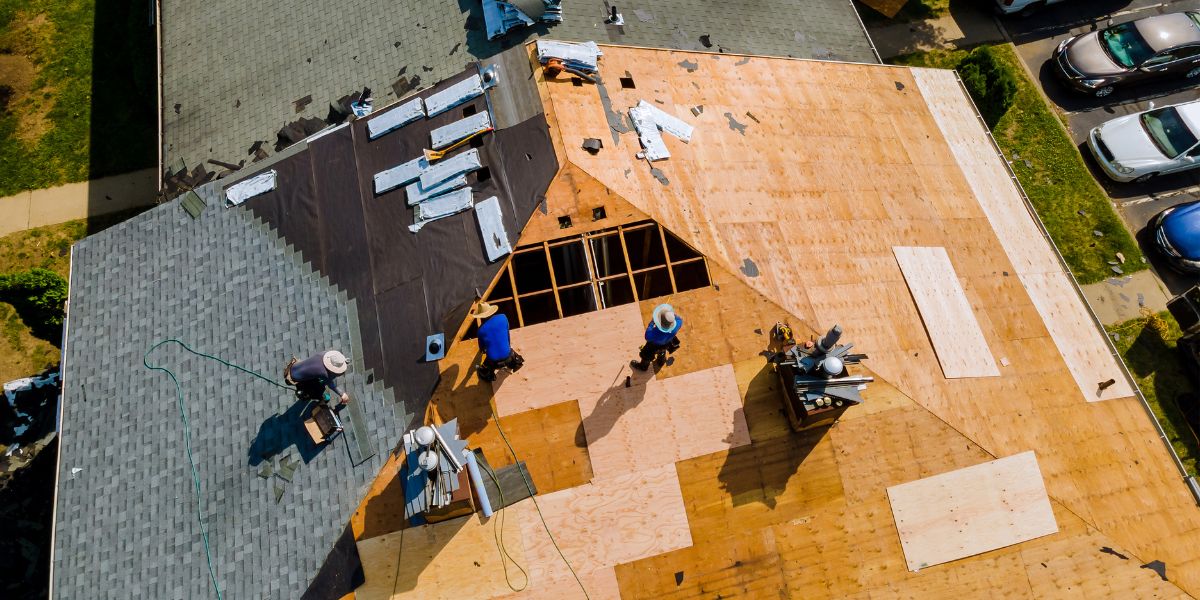
Most residential roofs use one of three decking materials: Oriented Strand Board (OSB), plywood (CDX), or wood planks. Each has trade-offs in cost, moisture resistance, and durability, so the “best” choice depends on your climate and budget.
| Material | Cost (per 4×8 sheet) | Moisture Resistance | Lifespan | Best For |
|---|---|---|---|---|
| OSB (Oriented Strand Board) | $18–$30 | Low to moderate | 20–30 years | Budget-conscious projects in dry climates |
| Plywood (CDX) | $35–$55 | Moderate to high | 30–40+ years | Humid or coastal regions, long-term durability |
| Wood Planks (1×6 or 1×8) | $1.50–$3.00/linear ft | Varies by species | 30–50+ years | Older homes, historic restorations, wood shake roofs |
OSB: The Budget Standard
OSB dominates new construction because it’s cheap and consistent. Builders love it for uniform thickness and predictable performance. However, OSB swells when exposed to sustained moisture, and once it swells, it doesn’t return to its original shape. If your attic has ventilation problems, OSB is the first material to show damage.
Plywood: Worth the Extra Cost
CDX plywood costs roughly twice as much as OSB, but it handles moisture significantly better. It dries out faster and retains structural strength even after getting wet. If you plan to stay in your home for another 15+ years, plywood wins. The upfront cost difference shrinks when you factor in longevity.
Wood Planks: The Old-School Option
Plank decking was the standard before engineered panels existed. You’ll find it on homes built before the 1970s. Individual boards (typically pine or fir) are nailed across rafters with small gaps between them. Planks still work well under wood shake roofs, but they’re uneven and make it harder to install modern membrane underlayments. Most roofers will recommend switching to plywood or OSB during a full roof replacement.
How Roof Decking Connects to Your Structural Frame, Underlayment, and Shingles
Roof decking is the middle layer in a system that includes framing below and weatherproofing above. Here’s the stack from bottom to top:
- Rafters or trusses provide the structural skeleton
- Roof decking creates the flat nailing surface
- Underlayment (felt paper or synthetic) adds a moisture barrier
- Shingles, metal panels, or tiles protect against weather
When decking deteriorates, it creates a domino effect. Nails pull loose from soft wood, shingles lift in high winds, and underlayment can’t maintain a waterproof seal. Poor attic ventilation accelerates all of this by trapping moisture against the decking’s underside. If you’ve been weighing roof repair vs replacement, the condition of your decking is often the deciding factor.
Signs Your Roof Decking Is Failing
Damaged decking doesn’t always announce itself with a dramatic leak. Most of the early warning signs are subtle, and you’ll catch them from inside your attic before they show up on the roof’s exterior.
Sagging Roofline and Soft Spots
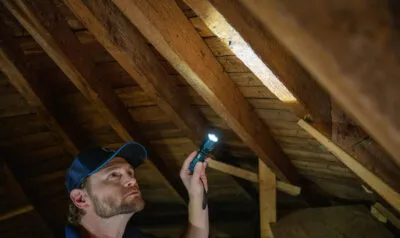
Walk your attic carefully along the joists and press up on the decking between the rafters. If the wood gives under light hand pressure or feels spongy, it’s lost structural integrity. From outside, a visible dip or wave in the roofline is a red flag that requires immediate professional inspection.
Water Stains, Mold, and Active Rot
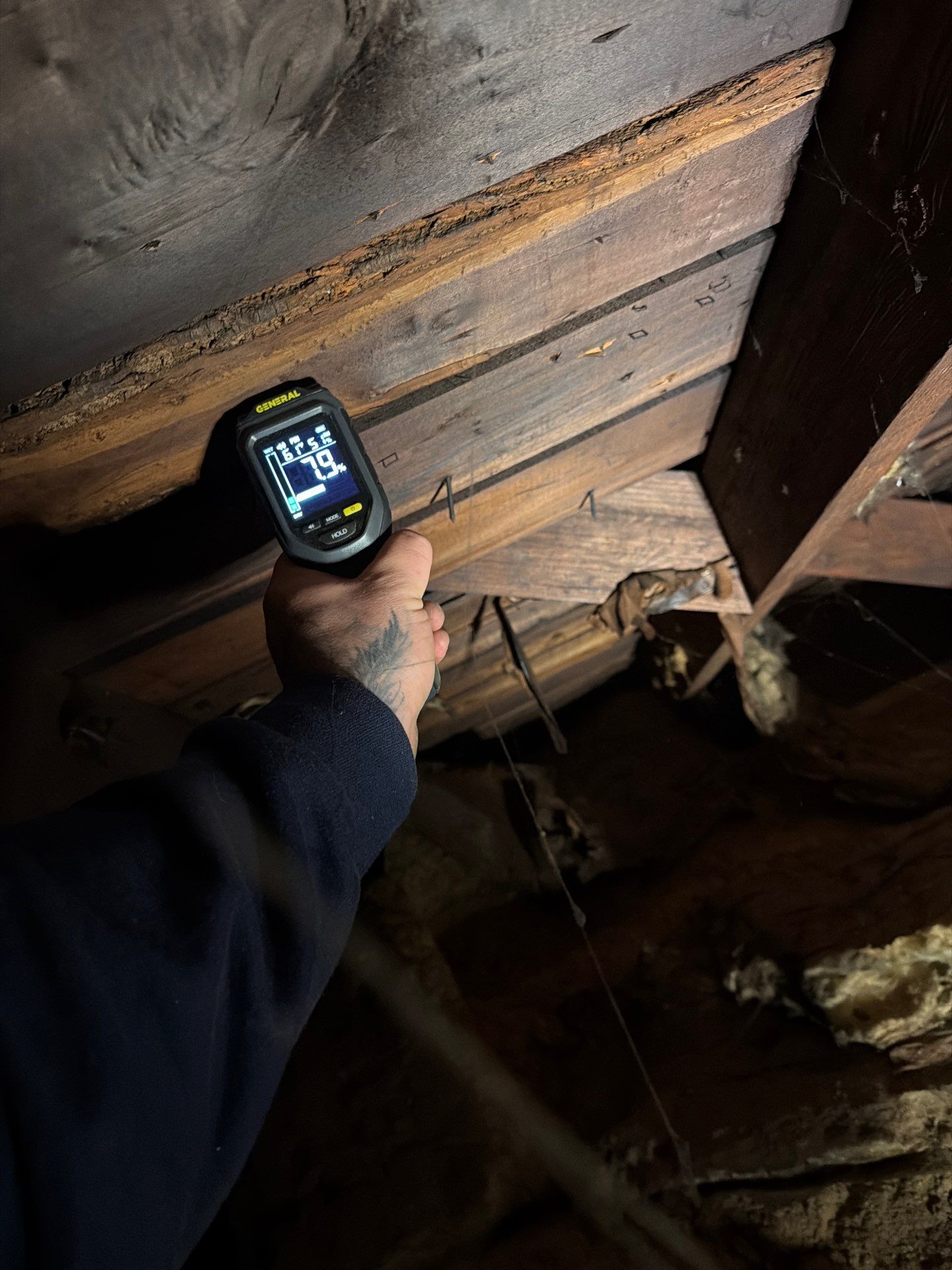
Dark stains on the underside of decking boards indicate past or ongoing water intrusion. If you see fuzzy mold growth or smell a musty odor, moisture has been present long enough to compromise the wood. Probe stained areas with a screwdriver. If the wood crumbles or feels soft, rot has set in and that section needs replacement.
Daylight Visible Through Boards
Any pinpoints of light coming through your roof deck mean gaps exist. On older plank decking, small gaps are normal by design. But on sheet decking (OSB or plywood), visible light means something has shifted, cracked, or deteriorated. This signals both a structural concern and a likely leak path.
Other warning signs include curling or buckling shingles (caused by uneven decking underneath) and an unexplained spike in energy bills from lost insulation effectiveness. If you identify decking problems early, you’ll have a better idea of when to replace your roof.
Should You Repair or Replace Your Roof Decking?
Not every damaged board means you need an entirely new deck. But the wrong call here can cost you thousands down the road.
Spot repair makes sense when damage affects less than 15–20% of the total deck area, and the rest of the wood is solid. Your roofer cuts out the bad sections and fastens new decking panels to the rafters in their place.
Full redecking is the better move when damage is widespread, when your existing decking is plank-style and you’re switching to architectural shingles, or when the roof is old enough that leaving marginal decking in place is a gamble. If you’re already tearing off all shingles, the incremental cost to redeck is far less than doing it separately in five years.
What Does it Cost to Replace Roof Decking?
Decking replacement costs vary based on material choice, roof size, and how much of the existing deck needs to come off. Here’s what you should budget for.
| Cost Factor | Typical Range |
|---|---|
| OSB decking (materials only) | $0.70–$1.10 per sq ft |
| CDX plywood (materials only) | $1.20–$2.00 per sq ft |
| Labor (install new decking) | $2.00–$4.00 per sq ft |
| Tear-off and disposal | $1.00–$2.50 per sq ft |
| Full redeck (1,500 sq ft roof, plywood) | $5,000–$10,000 total |
These numbers vary by region. Coastal areas and markets with high labor costs run toward the upper end.
What Drives Your Quote Higher
Steep roof pitches (8/12 or above) increase labor costs because they require additional safety equipment and slower installation. Accessibility matters too. A roof with no staging area or tight lot lines means more manual material handling. Additionally, local building codes for roof replacement may require thicker decking (5/8″ instead of 7/16″) or specific nailing schedules that add cost.
Questions to Ask Your Roofer Before They Touch the Decking
Decking work happens after shingles come off, which means you’re already committed to the project. The time to get clarity is before you sign the contract, not once the crew is on your roof.
- “What’s your per-sheet charge for decking replacement?” Get this in writing. Some contractors quote $75 per sheet; others charge $150+. Know the number upfront.
- “How many sheets do you estimate need replacing?” A good contractor can give a range based on attic inspection.
- “Will you show me damaged decking before replacing it?” Reputable companies document damage with photos or invite you to see it.
- “Are you using OSB or plywood?” If they don’t specify, ask. Some contractors default to OSB without telling you, even if plywood is the better option for your climate.
The difference between a trustworthy contractor and a problematic one often comes down to transparency. Home Genius Exteriors, as an Owens Corning Platinum Preferred Contractor, documents the conditions of the roof before and during tear-off and walks homeowners through any needed replacements before proceeding. That level of accountability protects you from surprise charges and makes sure your new roof has a solid foundation.
Protect Your Investment from the Deck Up
Roof decking is the silent backbone of your entire roofing system, and ignoring its condition puts every layer above it at risk. Whether you need a spot repair or a full redeck, the smartest move is getting a professional inspection before small problems become emergencies. Matching the right material to your climate, asking tough questions about cost breakdowns, and verifying damage in person keeps your project on budget and your home protected.
Call Home Genius today for a free inspection and estimate to find out exactly where your roof stands and what it needs to keep performing for decades.
Frequently Asked Questions
Do I need a building permit to replace roof decking?
Many municipalities require a permit when structural roof components are replaced, especially if you are redecking large areas. Your roofer typically pulls the permit, but you should confirm who is responsible and ask for the permit number before work begins.
How does redecking affect my roof warranty or homeowners insurance?
Manufacturer warranties often depend on proper installation over an approved substrate, so documentation of materials and fastening can matter later. For insurance, keeping photos, invoices, and permit records can help support a future claim related to storm damage or leaks.
What decking thickness should I choose, 7/16 inch or 5/8 inch?
Thickness depends on rafter or truss spacing, local code, and the type of roofing you are installing. If your framing is 24 inches on center or you want a stiffer roof deck, 5/8 inch panels are commonly chosen to reduce flex and improve nail hold.
Can roof decking be replaced without removing all the shingles?
In most cases, no, because decking is beneath the underlayment and roofing material. Limited repairs are sometimes possible from the attic for very small sections, but they are usually a temporary solution and can be difficult to seal correctly.
How long does a decking replacement typically take?
Spot replacements can often be completed the same day as tear-off, while a full redeck may add a day or more depending on roof size, complexity, and weather. Ask your contractor how they plan to keep the home dry overnight if work spans multiple days.
What is the difference between H-clips and blocking, and do I need either?
H-clips are panel edge supports used between rafters or trusses to stiffen sheathing seams, while blocking uses added lumber for stronger backing. Whether you need them depends on code, panel thickness, and span, and a good roofer should specify this in the scope of work.
What paperwork should I request after decking work is completed?
Ask for a final invoice that lists decking type, thickness, number of sheets replaced, and any code-required upgrades. Also request photo documentation, permit sign-off (if applicable), and warranty registration details for both materials and workmanship.