Board And Batten Siding: Types, Costs & Installation
Most homeowners hear “board and batten” and picture a rustic farmhouse or a barn somewhere in the countryside. That image isn’t wrong, but it’s only a sliver of what this siding style actually does for a home today. What started as a practical way to seal gaps between wide planks has evolved into one of the most versatile exterior cladding options on the market, available in materials that would have been unimaginable a century ago.
Before deciding whether this style fits a particular home, it helps to understand what’s actually under the surface: how the system is built, what it’s made of now, and why it has held its place in residential design for so long. The choices a homeowner makes today look very different from the ones a farmer made in 1880, even though the visual result can be nearly identical.
What Is Board and Batten Siding?
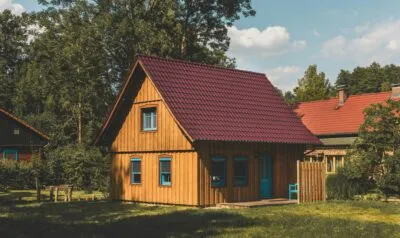
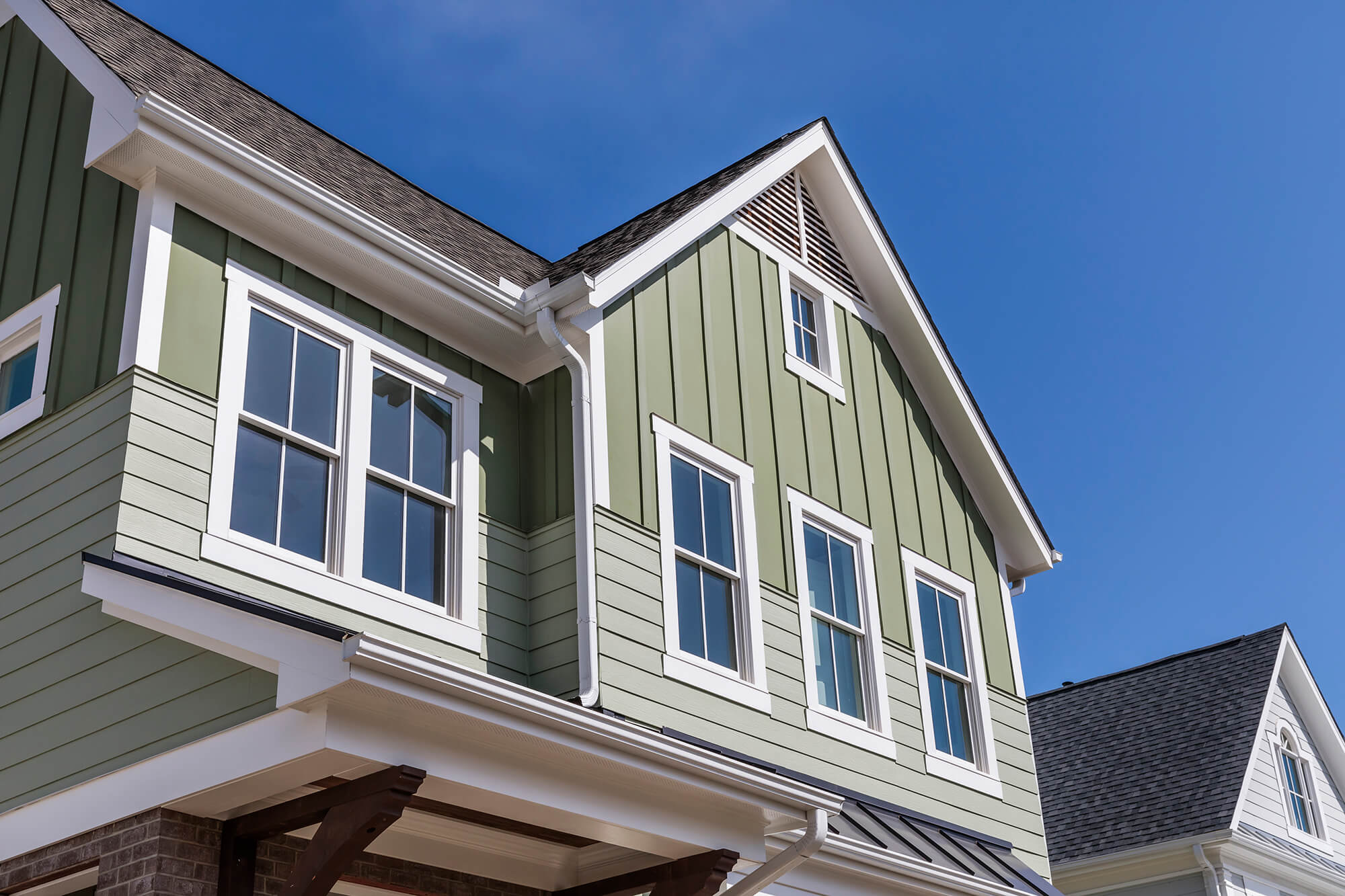
Board and batten siding uses alternating wide boards and narrow strips (battens) arranged vertically. The wide boards sit flat against the wall sheathing, and the narrower battens cover the seams between them. This creates a repeating pattern of shadow lines that gives the exterior a strong sense of depth and dimension.
The design dates back to Scandinavian and early American construction, where builders used the technique to weatherproof simple wood structures. Wide planks were expensive to mill perfectly, so gaps between them were inevitable. Battens solved this problem cheaply and effectively.
Vertical siding draws the eye upward, making homes appear taller. That visual trick is one reason architects continue designing board and batten exteriors for everything from modern farmhouses to coastal retreats. The shadow lines also hide minor imperfections in wall surfaces better than flat horizontal siding.
Unlike trends that fade within a decade, this style has held appeal for over 200 years. Its staying power makes it a safer long-term investment for curb appeal and resale value.
Board and Batten Siding Materials
Your choice of material changes the cost, durability, and maintenance demands of board and batten dramatically. Here’s how the main options stack up.
Natural Wood
Cedar and redwood are the traditional choices for board and batten siding. They deliver unmatched texture and warmth, and other materials can’t quite replicate the grain patterns of real wood up close. The trade-off is significant maintenance: expect to repaint or restain every 5 to 7 years, and watch for rot and insect damage in humid climates. If you live near the coast, you’ll want to weigh these demands carefully since choosing the best siding for coastal homes requires materials that can handle salt air and moisture.
Vinyl
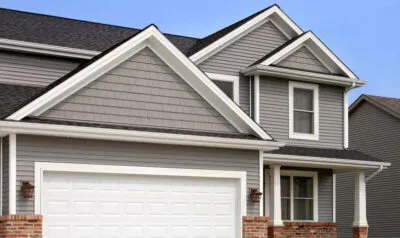
Vinyl dominates the residential siding market. Board and batten profiles in vinyl have improved considerably, though the shadow lines are shallower than real wood, and the difference is obvious up close. On the plus side, vinyl siding resists rot, never needs painting, and costs significantly less upfront.
Vinyl siding is the go-to choice for budget-conscious projects where you want the board and batten profile without the ongoing upkeep. Just be honest with yourself about whether the slightly less authentic look will give you the results you want.
Fiber Cement
Fiber cement siding hits a sweet spot between wood’s aesthetics and vinyl’s low maintenance. Compare it against the other types of siding before you choose board and batten. Most fiber cement products extend the repaint cycle from the typical 5–7 years with wood to 15 years or more. James Hardie’s installation guide for board and batten siding covers the precision details (flashing, fastening, and gap management) that keep fiber cement installations performing as warranted.
The downside? Fiber cement is heavy. Installation requires more labor, and not every contractor has experience handling it correctly. It’s also more expensive than vinyl, though the reduced maintenance often makes up the difference over a 20-year window.
Engineered Wood and Metal
Engineered wood products offer better dimensional stability than natural lumber at a lower price point. They resist splitting and hold paint well, though they don’t match fiber cement’s moisture resistance in very wet climates.
Metal board and batten represents an underrated but unique alternative. Steel and aluminum profiles work exceptionally well in hail-prone and wildfire-risk areas, and modern finishes look nothing like the corrugated barn panels you might imagine. Metal panels resist cracking, warping, and pests and typically need nothing more than periodic washing to maintain their finish.
How Much Does Board and Batten Siding Cost?
Budget is where most homeowner research starts. Here’s a breakdown by material, including installed costs.
| Material | Cost Per Sq Ft (Installed) | Estimated Total (1,500 Sq Ft Home) | Lifespan |
|---|---|---|---|
| Natural Wood (Cedar) | $6 – $12 | $9,000 – $18,000 | 20 – 40 years |
| Vinyl | $3 – $7 | $4,500 – $10,500 | 20 – 30 years |
| Fiber Cement | $8 – $14 | $12,000 – $21,000 | 30 – 50 years |
| Engineered Wood | $5 – $10 | $7,500 – $15,000 | 25 – 35 years |
| Metal (Steel/Aluminum) | $7 – $13 | $10,500 – $19,500 | 40 – 60 years |
These ranges reflect national averages. Regional labor rates, wall complexity (lots of windows and trim details drive costs up), and whether old siding needs removal all affect your final number.
Hidden Costs to Budget For
Don’t forget housewrap or weather-resistant barriers, flashing around windows and doors, corner trim, and paint or stain for wood products. These extras typically add $1 to $3 per square foot to any board and batten project. If your home requires structural sheathing repairs, that cost sits outside these estimates entirely.
How to Install Board and Batten Siding
Exterior board and batten installation follows a different process than the interior accent walls you might see on social media. Getting the details right matters far more when you’re building a weather barrier for your home.
Preparation and Moisture Management
The wall sheathing gets wrapped with a weather-resistant barrier first. Your installer should then apply flashing tape around every window, door, and penetration. Skipping or rushing this step is the single biggest cause of moisture intrusion problems. Proper flashing alone prevents the majority of board and batten failures.
Furring strips or a rainscreen gap between the barrier and the boards allow airflow and drainage behind the siding. This detail is especially important in humid regions.
Board Placement and Batten Attachment
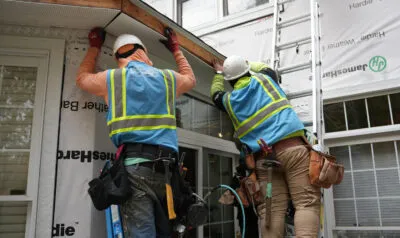
Wide boards go up first, fastened vertically with corrosion-resistant nails or screws driven into wall studs. Spacing between boards typically ranges from 1/2 inch to 1 inch. The battens then cover each seam, nailed through the center so the underlying boards can expand and contract with temperature changes.
A common mistake is nailing battens through both edges, which locks the boards in place and causes buckling. Experienced installers know to allow that movement, and this is one of many reasons to never attempt DIY siding installation.
Board and Batten vs. Other Siding Styles
How does the board and batten profile compare to other common exterior siding styles?
| Feature | Board and Batten | Horizontal Lap Siding | Shake/Shingle |
|---|---|---|---|
| Visual Effect | Vertical lines, adds height | Traditional horizontal lines | Textured, cottage-style |
| Installation Complexity | Moderate to high | Moderate | High |
| Maintenance Level | Varies by material | Varies by material | High (wood); Low (synthetic) |
| Best Fit Styles | Farmhouse, modern, coastal | Colonial, Craftsman, ranch | Cape Cod, coastal, cottage |
| Cost Range (Installed) | $3 – $14/sq ft | $3 – $12/sq ft | $6 – $15/sq ft |
Board and batten generally costs a bit more than horizontal lap in the same material because vertical installation requires more precise stud-finding and alignment. The payoff is a distinctive look that sets your home apart on a street full of horizontal clapboard.
Which Architectural Styles Work Best with Board and Batten Siding
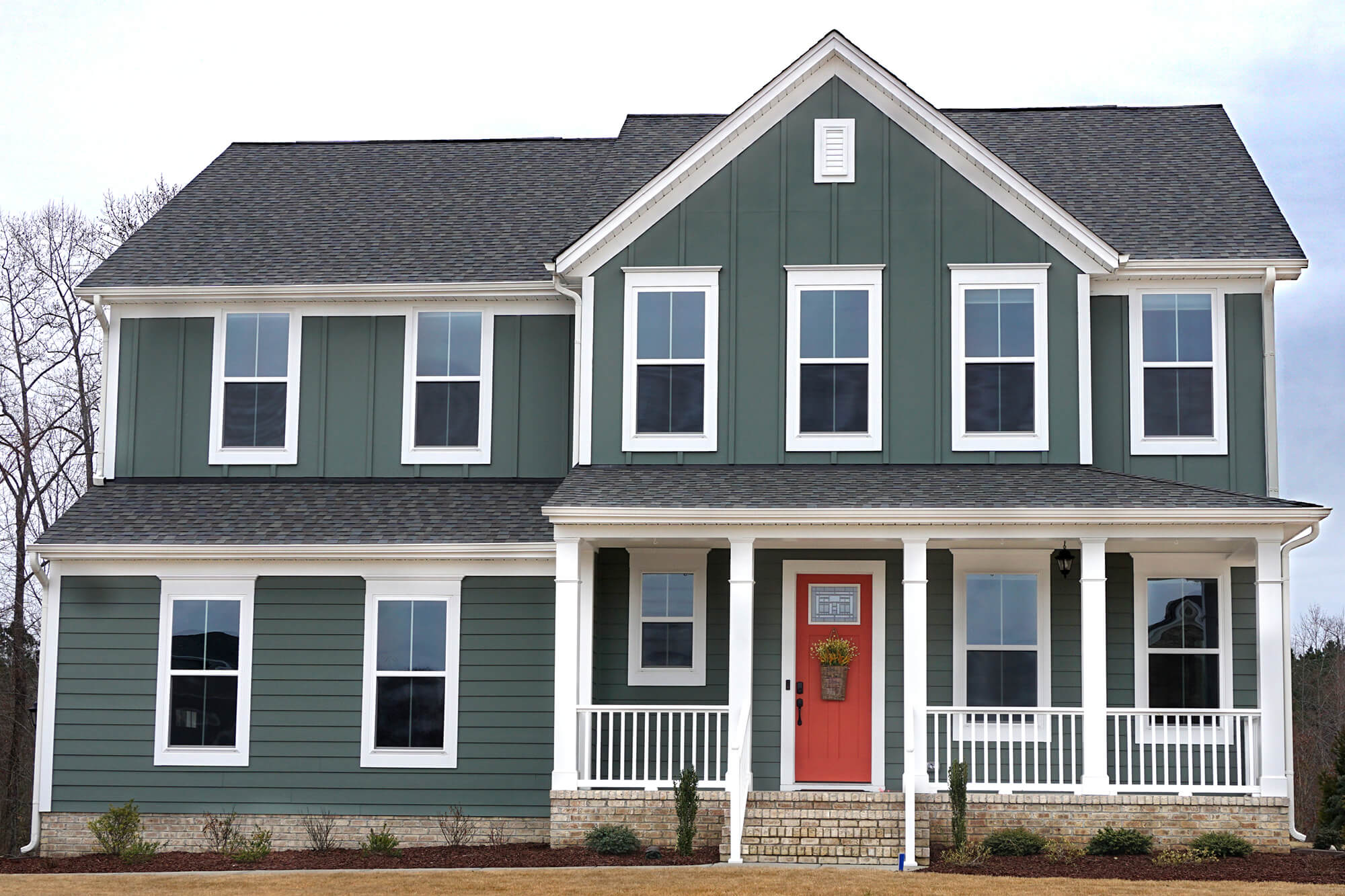
This siding profile works across a surprisingly wide range of architectures. Modern farmhouses pair naturally with it. Vertical lines on a dark exterior with clean trim create that Instagram-ready look without any gimmicks.
Coastal homes benefit from the vertical orientation because it sheds rain more efficiently than horizontal profiles. Contemporary and minimalist designs use wide-board, narrow-batten proportions to create a sleek, almost Scandinavian feel. Even traditional Colonials can incorporate board and batten as an accent on gable ends or dormers for added dimension.
One style that warrants caution: Victorian homes. The ornate detailing of Victorian architecture tends to clash with board and batten’s clean vertical lines. Stick with clapboard or fish-scale shingles for those.
Board and Batten Maintenance by Material and Long-Term Value
Your maintenance burden depends almost entirely on material choice. Wood requires the most attention: inspections twice a year, repainting every 5 to 7 years, and prompt repair of any cracked or rotting boards. Vinyl and metal require almost nothing beyond occasional washing.
Fiber cement sits in the middle. You’ll repaint eventually, but that 15-plus-year cycle makes it manageable. The energy efficiency gains from properly installed board and batten assemblies also contribute to long-term savings, especially when an air gap behind the siding improves insulation performance.
Investing in durable, distinctive siding now positions your home well, whether you plan to sell soon or stay for decades.
Ready to Plan Your Board and Batten Siding Project?
Choosing board and batten comes down to balancing your budget, your tolerance for maintenance, and the look you want to achieve. Vinyl delivers the profile at the lowest cost. Fiber cement and metal offer the best long-term value. Natural wood provides unmatched character but requires ongoing care.
Whatever material you lean toward, professional installation makes the difference between a siding project that performs for decades and one that develops moisture problems within a few years. Home Genius Exteriors specializes in siding installations backed by comprehensive warranties covering both labor and materials. Our crews handle everything from moisture management and flashing to precise batten alignment, so you get results done right the first time.
Call Home Genius Exteriors today for a free inspection and estimate to find out exactly what board and batten siding will cost for your home and which material makes the most sense for your climate and budget.
Frequently Asked Questions
Do I need building permits to install board and batten siding?
Many municipalities require permits when you replace exterior cladding, especially if you’re changing materials or modifying wall assemblies. Check with your local building department early, because permit requirements can affect timelines, inspections, and the documentation your contractor must provide.
How do I choose board and batten widths and spacing for the right look?
Start with the scale of your home. Larger elevations typically look best with wider boards, while smaller facades can feel overwhelmed by oversized proportions. Ask your installer to mock up one wall section (or use a rendering) to compare a few board and batten ratios before ordering materials.
Can board and batten siding be installed over existing siding?
Technically, but it depends on the condition and flatness of the existing surface and whether moisture control details can still be properly integrated. In many cases, a full tear-off is the safer choice to address hidden rot, improve attachment, and avoid trapping moisture behind the new cladding.
What colors and finishes work best with board and batten exteriors?
The vertical profile highlights light and shadow, so matte or low-sheen finishes often look more refined and hide minor surface irregularities. Consider coordinating siding color with high-contrast trim, roofing, and gutters to avoid a mismatched exterior palette.
How can I make board and batten more energy efficient beyond the siding itself?
Pair the project with air sealing around penetrations, upgraded window and door trim details, and continuous exterior insulation where practical. A contractor can also run a blower door test before and after to confirm whether envelope improvements are delivering measurable results.
What should I look for in a contractor quote for board and batten siding?
A strong quote clearly lists scope items like tear-off, substrate repairs, trim packages, disposal, and any ventilation or drainage components, not just the siding line item. It should also specify product lines, fasteners, installation standards, and warranty terms in writing.
How do warranties typically work for board and batten siding systems?
Most projects involve separate warranties for materials and labor, and coverage can vary based on whether the installer is certified by the manufacturer. Ask how claims are handled, what maintenance is required to keep coverage valid, and whether the warranty is transferable to a future homeowner.