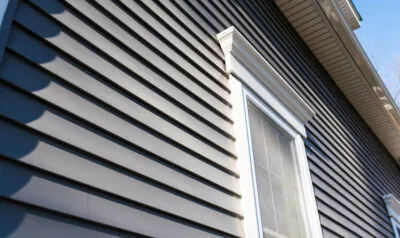
How Long Does Vinyl Siding Last?
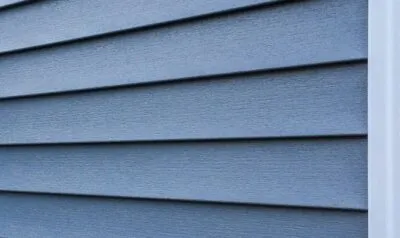
On average, vinyl siding lasts between 20 to 40 years, but its actual lifespan depends on several factors, including the quality of materials, installation standards, climate conditions, and maintenance practices.
In some cases, with proper care, vinyl siding can last up to 60 years. Understanding these key factors can help homeowners maximize the longevity of their siding investment.
Quality of Materials
The quality of vinyl siding plays a significant role in how long it lasts. High-quality vinyl siding, particularly from premium brands, is designed to be more durable and resistant to fading, cracking, and warping. It often comes with UV-resistant coatings that help protect against sun damage so the color remains vibrant over time. Lower-grade vinyl, on the other hand, is more susceptible to wear and tear and may require replacement sooner.
| Quality Level | Expected Lifespan |
|---|---|
| Standard Vinyl Siding | 20–30 years |
| High-Quality Vinyl Siding | 30–40 years |
| Premium Vinyl Siding | 40+ years |
Installation Quality
Proper installation is critical for the longevity of vinyl siding. If installed incorrectly, siding panels may become loose, buckle, or warp due to temperature changes and structural shifting. Poor installation can also lead to moisture infiltration, which can cause mold and damage to the home’s underlying structure. Hire a qualified contractor to install the siding correctly, allowing it to expand and contract naturally with temperature fluctuations.
Climate and Weather Conditions
The environment where a home is located can significantly impact how long vinyl siding lasts. Harsh weather conditions such as strong winds, hail, and excessive sunlight can shorten its lifespan, while homes in moderate climates tend to experience fewer siding-related issues.
| Climate Condition | Impact on Vinyl Siding Lifespan |
|---|---|
| Mild Climate | Longer lifespan (40+ years) |
| Hot and Sunny Climate | Risk of fading and warping |
| Cold Climate | Increased brittleness and cracking |
| High Wind and Storm Areas | Potential for impact damage |
Homeowners in areas with extreme temperatures or frequent storms should consider impact-resistant vinyl siding or additional weatherproofing measures to prolong durability.
Maintenance Practices
Regular maintenance maximizes the lifespan of vinyl siding. While vinyl is a low-maintenance material compared to wood or fiber cement, neglecting upkeep can lead to discoloration, warping, or premature wear. By following a few simple maintenance steps, homeowners can make sure their siding stays in excellent condition for decades.
Routine Cleaning
Over time, dirt, pollen, and mildew can accumulate on vinyl siding, especially in shaded or humid areas. Regular cleaning helps preserve its appearance and prevent buildup that can lead to staining.
- Frequency: Wash your siding at least once or twice a year, preferably in the spring and fall.
- Cleaning Method: Use a garden hose, a soft brush, and a mild detergent or a mixture of vinegar and water to remove dirt and grime. Avoid using harsh chemicals or abrasive scrubbers that may damage the siding.
- Pressure Washing: If using a pressure washer, keep it on a low setting and direct the spray downward to prevent water from seeping behind the panels.
Regular Inspections
Conducting routine inspections allows homeowners to detect minor issues before they become costly repairs. Vinyl siding is durable, but exposure to the elements can cause small cracks, loose panels, or warping over time.
- What to Look For: Check for cracks, gaps, loose or warped panels, and discoloration. Inspect areas around windows, doors, and corners where siding is more prone to damage.
- Frequency: Inspect the siding at least once a year and after severe storms or extreme temperature changes.
- Moisture Checks: Look for signs of moisture infiltration, such as bubbling or mold growth, which could indicate that water is getting behind the siding.
Immediate Repairs
Timely repairs help maintain the integrity of the siding and prevent small issues from escalating into major damage. Ignoring even minor cracks or loose sections can lead to moisture infiltration, pest infestations, or insulation problems.
- Replacing Damaged Panels: If a panel is cracked or broken, replace it as soon as possible to prevent further damage. Vinyl siding is designed for easy replacement, making this a straightforward fix.
- Reattaching Loose Panels: Vinyl expands and contracts with temperature changes. If panels become loose due to improper installation or severe weather, reattach them so they stay secure.
- Sealing Gaps: If gaps appear between siding panels or around trim, use a weatherproof sealant to prevent water infiltration and improve energy efficiency.
How Long Can Vinyl Siding Last with Proper Care?
While the average lifespan of vinyl siding is 20 to 40 years, well-maintained siding in favorable climates can last up to 50 or even 60 years. The key to longevity is choosing high-quality materials, choosing professional installers, and following a consistent maintenance routine.
| Maintenance Level | Expected Lifespan |
|---|---|
| Minimal Maintenance | 20–30 years |
| Regular Cleaning & Inspections | 30–40 years |
| Meticulous Care & Favorable Climate | 50–60 years |
How Vinyl Siding Compares to Other Siding Materials
Vinyl is one of the most widely used siding materials, but it’s not your only option. If you’re weighing a replacement or deciding between types of siding, here’s how vinyl stacks up against the alternatives on lifespan and cost.
| Material | Typical Lifespan | Relative Cost |
|---|---|---|
| Vinyl | 20-40 years | $ |
| Engineered wood | 20-30 years | $ |
| Wood | 20-40 years | $-$$ |
| Fiber cement | 30-50 years | $$ |
| Metal | 40-70 years | $$ |
| Brick / stone | 50-100+ years | $$$ |
Fiber cement siding and metal siding both outlast standard vinyl, but they come with higher upfront costs and more demanding installation requirements. Wood siding offers natural aesthetics but requires ongoing painting and sealing that vinyl does not. Engineered wood sits in a similar price range but generally carries a shorter warranty and is more susceptible to moisture damage.
For most homeowners, vinyl hits a practical sweet spot: low maintenance, competitive pricing, and a lifespan that comfortably covers a typical mortgage.
Signs That Your Vinyl Siding Needs Replacing
Vinyl siding is designed to last for decades, but over time, exposure to the elements and general wear can lead to deterioration. Don’t wait too long to plan your siding replacement because your home’s structural integrity, energy efficiency, and curb appeal depend on it. Here are the key signs that indicate it’s time for a replacement:
1. Cracks, Warping, or Buckling
If you notice cracks, warping, or buckled panels, this is a sign that your siding has been compromised. Warping can occur due to prolonged exposure to extreme temperatures, while cracks can develop from impact damage, such as hail or debris. Even small cracks can allow moisture to seep behind the siding, leading to mold growth and structural issues.
2. Fading or Discoloration
While vinyl siding is designed to be fade-resistant, prolonged exposure to direct sunlight can cause colors to fade over time. If your siding looks significantly faded or has an uneven appearance, it may be a sign that the protective coating is wearing down, leaving it more vulnerable to the elements. Severe fading often indicates the siding is nearing the end of its lifespan.
3. Mold, Mildew, or Rot
Moisture buildup behind siding panels can lead to mold, mildew, or even rot in the underlying structure of your home. If you notice dark stains, green or black mold spots, or a musty smell, it may indicate water damage behind the siding. In some cases, power washing or professional cleaning can help, but persistent mold issues often mean the siding is no longer providing adequate protection.
4. Increased Energy Bills
If your heating and cooling costs have risen without a clear explanation, your siding may no longer be insulating your home effectively. Damaged or aging vinyl siding can allow air leaks, reducing energy efficiency and making it harder to maintain a comfortable indoor temperature. If insulation upgrades or sealing drafts don’t resolve the issue, new siding may be necessary.
5. Peeling Paint or Loose Wallpaper Inside the Home
Surprisingly, issues inside your home can also signal siding problems. If paint or wallpaper starts peeling or bubbling on interior walls, it may indicate moisture seeping through the exterior walls due to compromised siding. This is a strong sign that your siding is no longer acting as a protective barrier against the elements.
6. Pest Infestations
Gaps, cracks, or holes in siding can create entry points for insects and small rodents. If you’re noticing increased pest activity around your home, particularly in attics or walls, damaged siding could be to blame. Replacing compromised panels can help prevent further infestations.
7. Outdated Appearance or Home Value Concerns
Even if your siding is still functional, outdated or worn siding can negatively impact your home’s curb appeal. If you’re planning to sell your home or simply want a refreshed exterior, upgrading to new vinyl siding with modern styles and colors can enhance its value and aesthetic appeal.
Should You Repair or Replace your Vinyl Siding?
One damaged panel doesn’t mean you need to throw in the towel on your home’s entire exterior. The decision comes down to how widespread the damage is, how old the siding is, and whether moisture has already made its way behind the surface.
Siding repair makes sense when:
- The damage is limited to a few isolated panels
- The siding is under 15 years old and otherwise in good condition
- The issue is cosmetic (minor fading, surface scuffs, or a single cracked panel)
- There’s no sign of moisture behind the wall
Fully replace your siding when:
- Damage is widespread (if more than 25-30% of the surface needs attention, full replacement is more cost-effective than patching)
- The siding is 20+ years old and showing multiple failure signs at once
- There’s confirmed moisture in the wall sheathing or insulation
- Energy bills have risen noticeably and the siding is the probable cause
The hidden cost of delaying replacement is moisture. Once water gets behind siding and into the sheathing or framing, you’re no longer just replacing siding: you’re dealing with structural damage. When the signs are there, acting earlier is almost always cheaper.
If you’re seeing widespread damage or the siding is past its prime, Home Genius Exteriors can assess whether siding repair or replacement is the right call.
Get a Free Vinyl Siding Estimate
Vinyl siding is a long-lasting and cost-effective option for homeowners, but its durability depends on the quality of the materials, how it was installed, and how well it’s maintained. By investing in quality materials, hiring experienced installers, and staying on top of routine upkeep, you can keep your vinyl siding in excellent condition for decades.
Ready to explore siding options or want a repair assessment for your home? Home Genius Exteriors is here to help. Contact us to schedule a free inspection.
Frequently Asked Questions
What are some environmental benefits of choosing vinyl siding for my home?
Vinyl siding is recyclable and requires less frequent replacement than other materials, reducing waste. Its insulating properties also improve energy efficiency, lowering heating and cooling demands over time.
How does vinyl siding compare to other siding materials in terms of maintenance?
Vinyl siding generally requires less maintenance than wood or fiber cement. It does not need painting or sealing. Regular cleaning and annual inspections are enough to keep it in optimal condition.
Can vinyl siding be customized to match my home’s architectural style?
Vinyl siding is available in a wide range of colors, textures, and profiles, and can mimic wood grain or other finishes. Customization options accommodate most architectural styles.
Are there eco-friendly options within vinyl siding products?
Some manufacturers offer siding made with recycled materials or reduced-VOC formulations, balancing durability with environmental responsibility.
What impact does siding color have on the performance of vinyl siding?
Darker colors absorb more heat, which increases the risk of warping or fading in hot climates. Lighter colors reflect sunlight and tend to hold up better over time in warm regions.
Is vinyl siding suitable for homes in areas prone to fires?
Vinyl siding is combustible. In fire-prone regions, review local building codes and consider fire-resistant alternatives before committing.
How can I improve the energy efficiency of my vinyl siding installation?
Installing insulating foam backing or choosing insulated vinyl siding products enhances thermal performance and reduces energy costs.