Double-Hung vs Single-Hung Windows
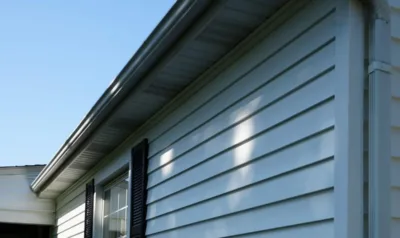
A quote for new windows can list “double-hung” on some lines and “single-hung” on others, with a different price next to each one and no explanation for the gap. From the sidewalk, the two look the same.
The difference is in which part of the window moves, and it changes how you clean the glass, how a room airs out on a humid day and how much you pay per window. That’s why many homeowners choose room by room instead of picking one style for the whole house.
Is a Double-Hung or Single-Hung Window Better?
Neither style wins in every room. A double-hung window costs more per unit but lets you open the top and bottom and clean both sides of the glass from inside, which pays off on upper floors, in kitchens and bathrooms, and around small children. A single-hung window costs less and still performs well anywhere the outside glass is easy to reach, so most homes end up with a mix of both.
What’s the Difference Between a Double-Hung and a Single-Hung Window?
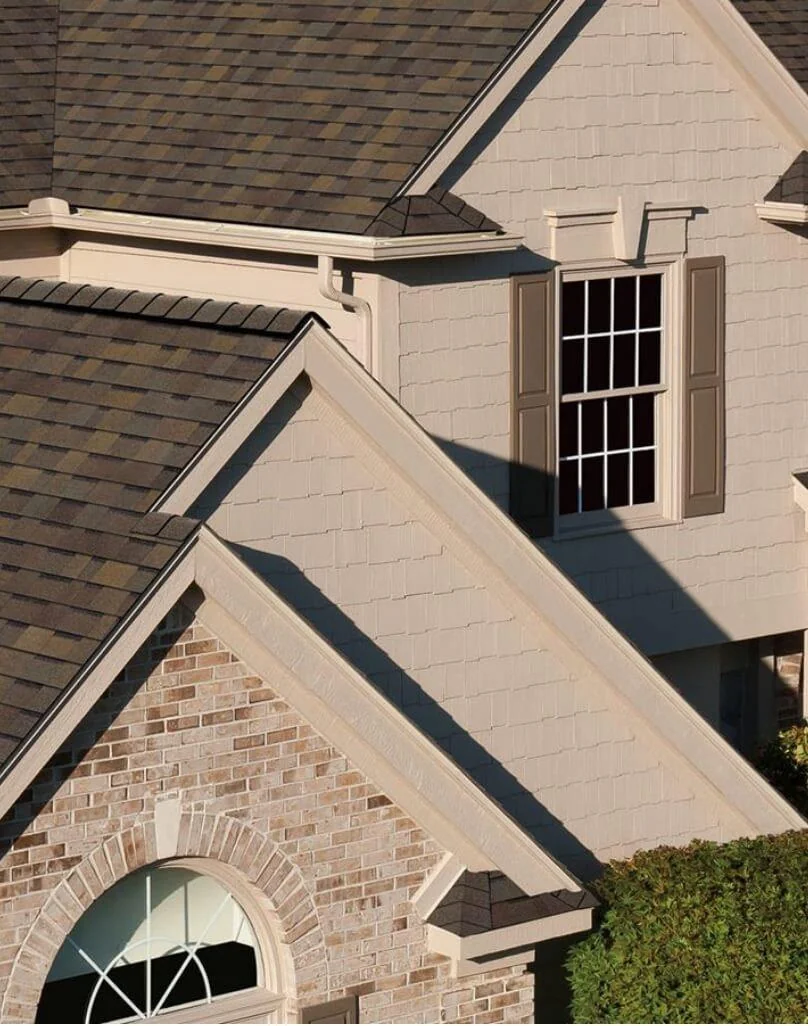
Both window types have two framed glass panels, called sashes, stacked one above the other, and both look identical from outside the house. The difference is which panel moves.
On a single-hung window, only the bottom panel slides up to open. The top panel is fixed in the frame and never moves, so reaching its outside face means cleaning it from outside the house.
On a double-hung window, both panels move. You can raise the bottom, lower the top, or open both at the same time. Most double-hung windows sold today also tilt each panel inward on a pivot, so you can clean the outside of the glass while standing inside the room. That tilt-in feature is the main reason double-hung is the standard pick for second-story windows.
Double-Hung vs Single-Hung Windows: Cost, Airflow and Upkeep Compared
| Category | Single-Hung | Double-Hung |
|---|---|---|
| Which panel opens | Bottom only | Both, independently |
| Cost per window, installed | Lower | Higher |
| Airflow | Enters low, one direction | Enters low, exits high |
| Outside glass cleaning | From outside only | From inside, with tilt-in panels |
| Hardware to maintain | One sash to maintain | Two sashes to maintain |
| Common fit | Ground-floor rooms, large window runs | Upper floors, kitchens, baths, historic styles |
Cost per window
Window replacement costs by type are $250 to $700 for a single-hung window and $300 to $1,000 for a double-hung window. That puts the double-hung premium at $50 to $300 per window. On a 15-window replacement, choosing double-hung throughout instead of single-hung adds $750 to $4,500 to the job, before frame material and glass package add more to the total window replacement cost. On a 20-window project split evenly between the two styles, upgrading half the order to double-hung adds roughly $500 to $3,000 to the job compared with an all-single-hung order, a smaller jump than most homeowners expect.
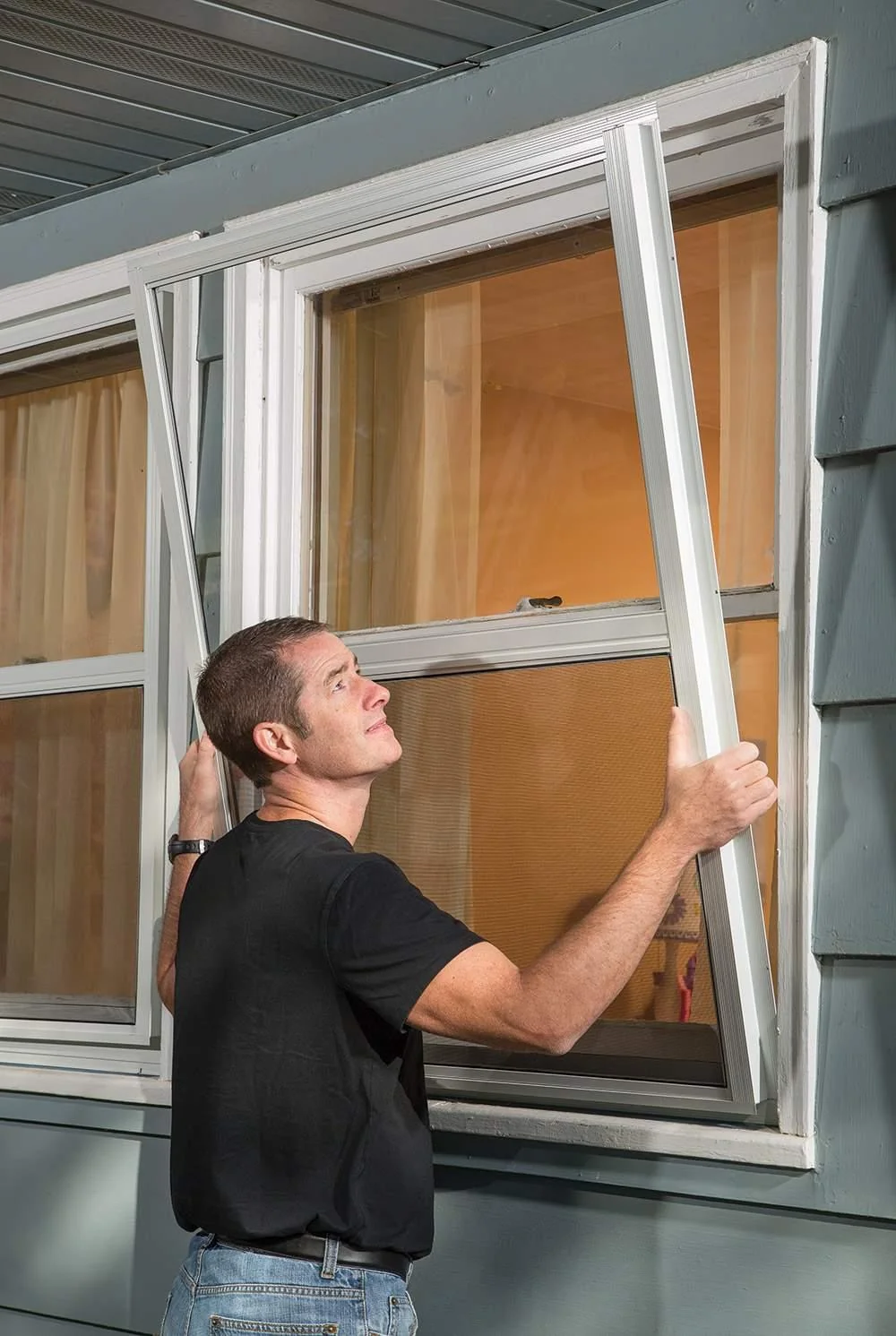
Because the two styles look the same from outside, you can put double-hung windows in the rooms that need the tilt-in panels and the extra airflow, and single-hung windows everywhere else.
Airflow
Open a single-hung window and air comes in from the bottom, in one direction. Open both panels of a double-hung window and warm air moves out through the top while cooler air comes in through the bottom, a circulation pattern called the stack effect. In a kitchen or bathroom where humidity builds up quickly, that in-and-out circulation clears the room faster than a window that only opens from one side. In a bathroom without a strong exhaust fan, that two-way airflow also helps keep mold from building up on grout and drywall.
Energy efficiency and air leakage
A single-hung window has one fewer moving panel than a double-hung window, so there’s one less seal that can let air through as it ages. In practice, the gap between a well-built double-hung and a well-built single-hung is small: whether you choose double-pane or triple-pane glass, plus the frame material, affects your heating and cooling bill more than which panel moves. The Department of Energy’s window efficiency guidance explains the U-factor, solar heat gain and air leakage ratings on every window’s National Fenestration Rating Council (NFRC) label. Energy-efficient window costs and savings follow the glass package and the frame material, not the hung style, so upgrading either one costs about the same whether the window is single-hung or double-hung. The air-leakage rating isn’t required on every efficiency label, so compare the U-factor and solar heat gain numbers between the specific models on your quote, not just the style.
Long-Term Cleaning and Upkeep
A double-hung window’s tilt-in panels let you reach both sides of the glass from inside the room. A single-hung window’s fixed top panel has to be cleaned from outside, which is easy on the ground floor and takes a ladder on the second story.
Both styles rely on a spring-loaded mechanism, called a balance, to hold each panel in place when it’s open partway. A single-hung window has one; a double-hung window has two, so there’s more hardware to adjust or replace over the decades. A window’s frame material and installation quality have more to do with how long replacement windows last than whether it’s single-hung or double-hung.
Security
A fixed top panel on a single-hung window can’t be forced open from outside, which some homeowners count as a small security advantage on ground-floor rooms. On a double-hung window, you can open only the top panel, which lets air in while the bottom panel stays closed and locked. Either lock engages a metal pin into the opposite sash, which is the detail a home inspector checks, not the glass or the frame.
Does a Different Hung Style Still Fit?
Single-hung and double-hung windows of the same width and height fit the same hole in the wall. A style change on a replacement almost never means reframing anything, because both styles come from the manufacturer in matching standard sizes.
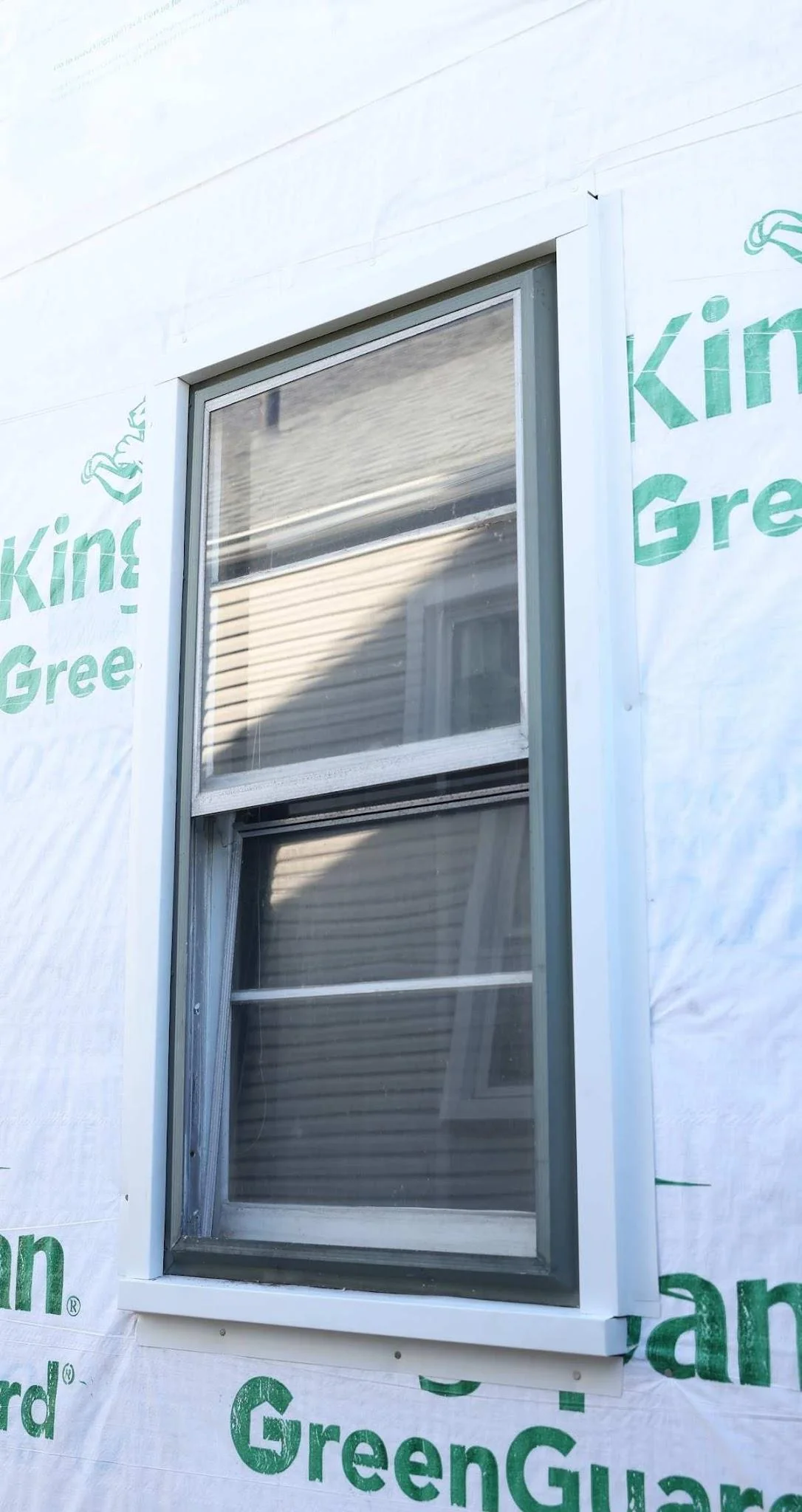
What can change is how much trim and filler material the crew needs to finish around the new window, and that depends on the product line’s frame design, not on which panel opens. Manufacturers build both styles to the same standard width-and-height charts, so switching styles on a replacement is usually just a different window in the same spot.
The one case where size changes the math is a custom or oversized window, like one set over a stairwell or built into a non-standard run of windows. On those, ask whether the estimate assumes a standard size or a custom one. A custom frame costs more than a standard one whichever style you pick, and that cost can get credited to the wrong line on a quote that lists style and size on separate rows. When a quote mixes styles across the same wall or room, check that the sash color, the grille pattern and the glass tint match between the single-hung and double-hung units sitting next to each other. Manufacturers build both styles from the same product line to order, so two separate style orders from that line keep the look consistent, and ask to see a sample of each configuration before the crew starts.
Wind and Storm Resistance
A single-hung window’s top sash never opens, so it keeps one continuous seal instead of a weatherstripped joint where the two sashes would otherwise meet, and that’s one less place for wind-driven rain to get through during a storm. A double-hung window’s extra seal there holds up fine in normal weather and still performs in a storm as long as the weatherstripping is in good shape, so a double-hung window on a wall exposed directly to the weather needs that seal checked and replaced sooner than one on a sheltered wall. That extra seal is part of what the $50 to $300 premium on a double-hung window buys, along with the airflow and the cleaning access. A cracked or compressed strip of weatherstripping at that seam is a low-cost swap during a routine inspection, not a reason to replace the window.
When a Double-Hung Window Is Worth the Higher Price
A few situations make the double-hung premium an easy call:
- Second-story and other hard-to-reach windows. Outside glass gets cleaned from inside, which skips the ladder every time.
- Kitchens and bathrooms. Venting from the top and bottom at once clears cooking steam and shower humidity faster than a window that only opens at the bottom. The same two-way venting helps a room above a covered porch or an attached garage roof, where summer heat collects and the lower sash alone can’t clear it.
- Homes with small children. You can open only the top panel and leave the bottom locked, so a room gets fresh air without leaving a low window a child could climb through.
- Historic and historic-style homes. Double-hung is the original window style in most older American houses, so matching it keeps the look consistent, and some historic districts require it.
When a Single-Hung Window Saves You Money
Single-hung makes more sense once the double-hung advantages don’t apply to the room:
- Ground-floor windows you can already reach. If a step stool gets you to the glass, the tilt-in feature isn’t buying you anything.
- Rental units and budget-driven replacements. The lower cost per window keeps the project affordable without giving up energy performance.
- A long run of matching windows, like a wall of eight or ten in a living room or finished basement, where the per-window savings add up fastest. The same math favors single-hung in a second home or rental visited only a few times a year, where the tilt-in convenience goes mostly unused.
You can mix both styles in the same house. Put double-hung on the second floor and in the kitchen, single-hung everywhere else, and nobody looking at the house from the street will see a difference.
Single-Hung or Double-Hung: How to Decide Room by Room
Ask three questions about each window on your quote:
- Can you reach the outside glass from the ground? If not, choose double-hung.
- Does the room need better airflow for cooking or moisture? If so, choose double-hung.
- Is it a child’s bedroom or another room where a low, open window is a safety concern? If so, choose double-hung.
A “no” to all three means single-hung still works, for less money.
How to Tell Which Window Style You Already Have
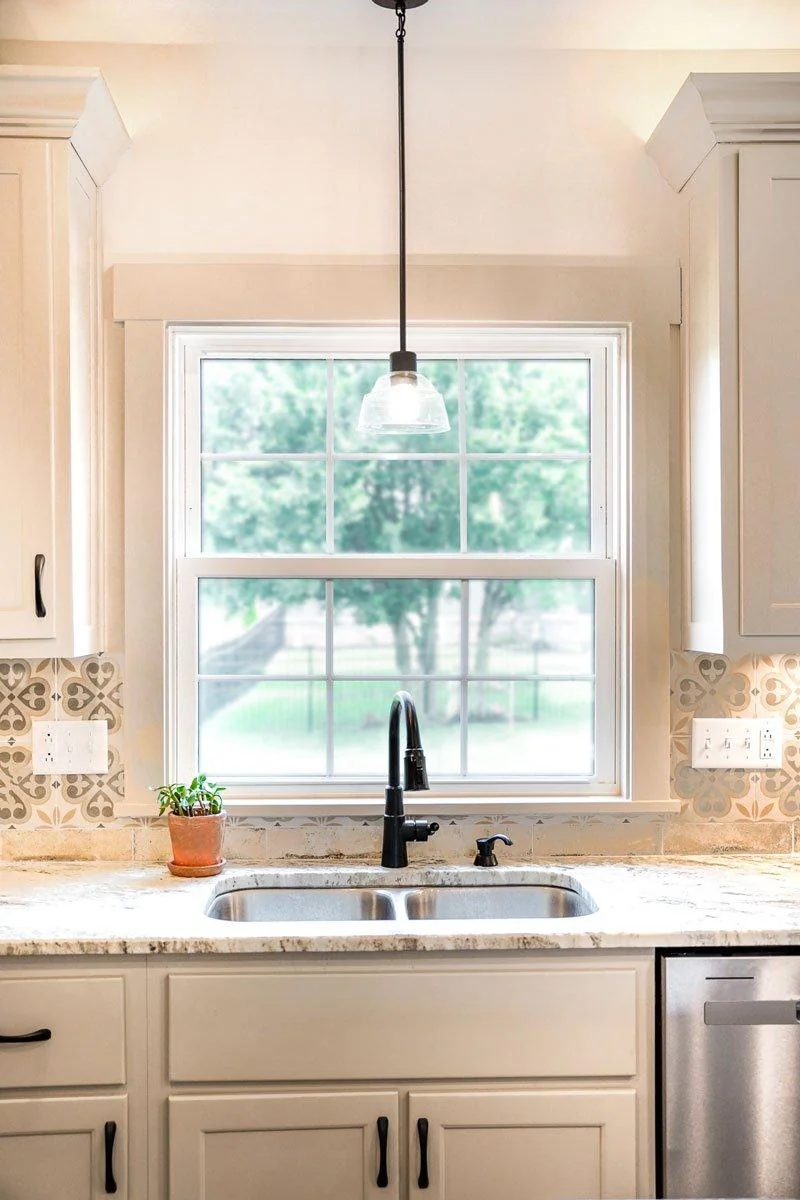
Both styles look the same from the street, so the easiest way to tell them apart is from inside the room. Try to push the top sash upward. On a single-hung window, it won’t move, and there’s no lock or latch near the top frame, because the top sash is fixed in place. On a double-hung window, the top sash slides and tilts the same way the bottom one does, and most models have a small tilt-latch on each side of the upper sash as well as the lower one. If a quote lists more double-hung windows than expected, this check confirms whether the contractor upgraded a room, or whether that room was already double-hung. Count how many of each style the house already has before the visit, so that count can be checked against what the written quote lists.
Get the Right Windows for Every Room
Home Genius Exteriors installs ProVia’s Endure and EcoLite window lines, and both are available in single-hung and double-hung configurations, so you’re not choosing between brands, only between styles. Their team can walk through your home room by room and recommend the configuration that fits each one. Every installation is backed by the Genius Limited Lifetime Warranty, which covers the workmanship.
Home Genius Exteriors provides free inspections for homeowners planning a window replacement. Call today to schedule yours and get a room-by-room recommendation along with your quote.
Frequently Asked Questions
Do single-hung windows tilt in for cleaning?
No. A single-hung window’s top panel stays fixed in the frame, so only the bottom panel tilts in for cleaning. That top pane only gets cleaned from outside, which is part of the tradeoff for the lower price.
What are the disadvantages of double-hung windows?
They cost more per window than single-hung. That price covers the second sash, its own lock and the tilt-in pivots that let you clean it from inside.
What are the disadvantages of single-hung windows?
The fixed top panel can’t tilt in, so reaching its outside face on an upper floor means a ladder or hiring it out. A single-hung window also can’t vent from the top, so it can’t move air in and out like a double-hung window can in a steamy kitchen or bathroom.
What are the best replacement windows for the money?
The best replacement windows for a given room depend on what that room needs, not on price alone. A single-hung window is the lower-cost pick anywhere the outside glass is already easy to reach. A double-hung window costs more, and the extra cost buys tilt-in cleaning and two-way airflow in the rooms that benefit from them.