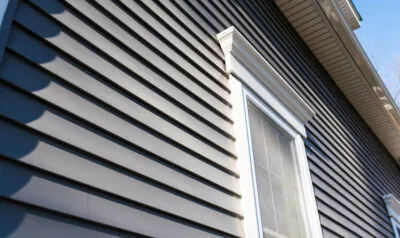
What Is Clapboard Siding? Types, Costs & Installation
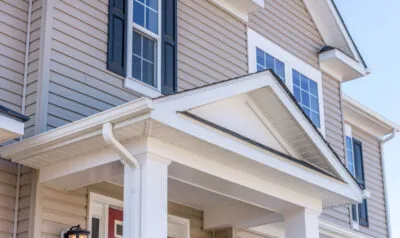
Walk down any older street in New England and you’re looking at clapboard siding (probably without realizing it). The style has been wrapping North American homes for more than 400 years, which is part of why it gets confused with nearly every other horizontal siding profile on the market.
If you’ve been researching siding, you’ve probably seen “clapboard,” “lap,” and “bevel” used almost interchangeably. They’re related, but they’re not all the same thing, and the difference can mean thousands of dollars and decades of performance on your home’s exterior. Clapboard is one of the most popular types of siding, and for good reason.
What Is Clapboard Siding?
Clapboard siding consists of long, wedge-shaped boards installed horizontally with each board overlapping the one below it. The boards are thicker at the bottom edge and taper to a thin top edge, which tucks beneath the course above. This overlapping design creates a natural drainage plane that sheds rainwater away from the wall sheathing.
The term “clapboard” dates back to colonial New England, where settlers split logs into thin, tapered planks to protect timber-framed structures. Over centuries, the profile became synonymous with classic American architecture. You’ll see it on Cape Cods, Colonials, and Craftsman-style homes across the Northeast and Mid-Atlantic.
Clapboard, Lap, and Bevel Siding: What’s the Difference?
People use “clapboard,” “lap siding,” and “bevel siding” almost interchangeably, and honestly, the distinctions are slim. All three describe horizontal boards that overlap. The real difference is in the profile: traditional clapboard is radially sawn from a log, producing a natural taper. Bevel siding is mill-cut to a uniform taper. Lap siding is the broadest term and covers any horizontal siding that overlaps, including vinyl and fiber cement products that mimic the clapboard look.
For practical purposes, if you’re shopping at a building supply store, “clapboard” almost always means the tapered wood profile. Everything else gets called “lap siding” regardless of material.
Types of Clapboard Siding
The material you choose determines your upfront cost, how much maintenance you’ll deal with, and how long the siding lasts. Here’s an overview and comparison of what’s available.
Wood Clapboard Siding
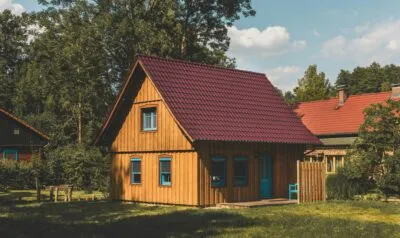
Cedar and pine are the most popular wood species for clapboard. Western red cedar resists rot naturally and can last 40 to 50 years with proper maintenance. White pine is cheaper upfront but requires more frequent painting and is more susceptible to moisture damage in humid regions. Hemlock and cypress fill niche roles depending on your location.
Wood clapboard gives off authenticity that no manufactured product truly replicates. But be realistic about the commitment: you’re looking at repainting or restaining every 5 to 7 years, plus annual inspections for rot and insect damage. If you love the look but hate the upkeep, keep reading.
Vinyl Lap Siding
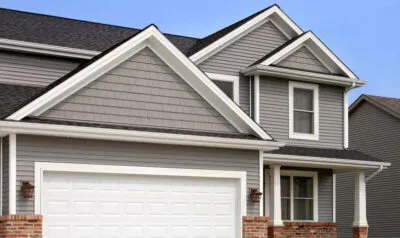
Vinyl lap siding mimics the clapboard profile at a fraction of the price. It dominates new construction for good reason. Vinyl siding is the most common siding material for single family homes. That popularity stems from low maintenance requirements and competitive pricing.
The downside? Vinyl can buckle in extreme heat, and cheaper products look obviously synthetic up close. You can technically paint it with vinyl safe exterior paint, but it may not last long, especially in certain climates.
Fiber Cement Clapboard
Fiber cement (James Hardie is our pick of brands) offers the best middle ground between wood aesthetics and low maintenance. It resists rot, fire, and insects. It holds paint far longer than wood, typically 15+ years before recoating. The tradeoff is weight and installation complexity, which can increase labor costs.
Fiber cement is the best choice for most homeowners who want the clapboard look without the maintenance burden. The one caveat: in freeze-thaw climates, improper installation can allow moisture behind the boards, leading to cracking. This makes installer quality especially important.
How Much Does Clapboard Siding Cost?
Cost varies widely based on material, your region, and who you hire. Here’s what you can realistically expect to pay:
| Material | Material Cost (per sq ft) | Installed Cost (per sq ft) | Lifespan |
|---|---|---|---|
| Pine Clapboard | $1.50 – $3.00 | $4.00 – $7.00 | 20 – 30 years |
| Cedar Clapboard | $3.00 – $6.00 | $6.00 – $11.00 | 40 – 50 years |
| Fiber Cement Lap | $2.00 – $5.00 | $6.00 – $12.00 | 30 – 50 years |
| Vinyl Lap | $0.75 – $2.50 | $3.00 – $7.00 | 20 – 40 years |
| Engineered Wood | $2.00 – $4.00 | $5.00 – $9.00 | 25 – 30 years |
For a typical 1,500-square-foot home with roughly 1,200 square feet of siding area, total installed costs range from about $3,600 for basic vinyl to $13,200 for premium cedar. These figures don’t include removal of old siding, which adds $1,000 to $3,000 depending on the existing material.
Keep in mind that the cheapest option rarely delivers the best long-term value. Maintenance drives about 64% of exterior envelope projects. Choosing a low-maintenance material upfront can save you thousands in repainting and repair costs over 20 years.
Clapboard Siding Installation: Step-by-Step Process and Common Mistakes
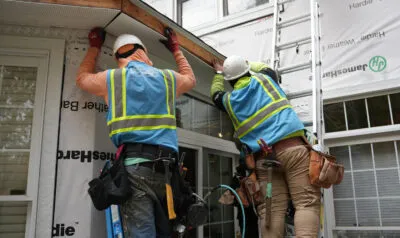
Every clapboard installation follows the same basic progression. First, the installer applies a weather-resistant barrier (housewrap) over the sheathing. Next comes flashing around windows, doors, and wall penetrations. A starter strip establishes the angle for the first course at the bottom of the wall.
From there, boards go up one course at a time, each overlapping the one below by at least 1 to 1.25 inches. Installers use a story pole (a marked measuring stick) to keep courses level across long wall runs. Finally, trim pieces cover corners, joints, and transitions.
Mistakes That Lead to Expensive Siding Failures
The most common failure point is ignoring thermal expansion. Vinyl and composite boards expand and contract with temperature swings. Nailing them too tightly causes buckling. Fastening through the center of the hem slot and leaving room for movement is the detail that separates problem-free installations from those that start buckling or popping within the first year or two.
Skipping the drainage plane behind the siding is the other critical error. Without a gap for airflow and water drainage, moisture gets trapped against the sheathing and causes rot. This is especially true for wood clapboard in humid or coastal climates.
Should You DIY Clapboard Siding?
In theory, vinyl clapboard may seem like the most DIY-friendly option. The boards are light, snap together with interlocking edges, and require only basic tools. However, an amateur has a high risk of making some of the installation mistakes mentioned above. Trying to install vinyl siding yourself is a gamble, and the money you save up front may not be worth the costs in repairs later.
Wood and fiber cement absolutely require professional installation. Fiber cement requires specialty cutting tools (and generates silica dust that requires respiratory protection). Wood clapboard requires precision to avoid gaps that invite water infiltration. Perhaps most importantly, DIY installation often voids manufacturer warranties. If your siding replacement involves fiber cement or wood, the cost of professional installation pays for itself in warranty protection alone.
How Long Does Clapboard Siding Last?
Maintenance requirements vary so dramatically across materials that they should influence your choice as much as upfront cost does.
Wood clapboard needs the most attention. Plan on scraping and repainting every 5 to 7 years, caulking gaps annually, and replacing any boards showing signs of rot. In coastal or high-humidity areas, you may need to stain or seal even more frequently.
Fiber cement clapboard needs repainting roughly every 12 to 15 years. Annual maintenance is limited to washing the surface and inspecting caulk joints. It won’t rot or attract termites, which eliminates two of wood’s biggest headaches.
Vinyl clapboard requires almost nothing beyond occasional power washing. However, cracked or warped panels need full replacement since vinyl can’t be patched effectively. If you live in New Jersey or Maryland, where humidity and temperature swings stress siding materials, factor these replacement costs into your long-term budget.
How to Decide If Clapboard Siding is Right for Your Home
Not every home or climate suits clapboard equally well. Consider these variables:
Climate fit: Wood clapboard performs best in dry to moderate climates. In humid, coastal, or extreme freeze-thaw regions, fiber cement or vinyl siding handles moisture cycling more reliably. If you insist on real wood in a wet climate, commit to a rainscreen installation with proper ventilation gaps behind the boards.
Architectural style: Clapboard looks most natural on traditional American home styles: Colonial, Cape Cod, Craftsman, and Farmhouse. On modern or contemporary homes, wider reveal exposures (6 inches or more) can bridge the gap between classic and current aesthetics.
Budget reality: If your budget is tight and you want a clapboard look, vinyl lap siding delivers acceptable results at the lowest cost. If your budget allows $8 to $12 per square foot installed, fiber cement gives you the most balanced combination of appearance and durability. Wood clapboard makes sense when historical accuracy matters more than convenience.
The bottom line: clapboard siding in any material remains one of the most popular and proven exterior cladding choices.
Your Next Step Toward Better Siding
Clapboard siding offers a time-tested profile with enough material variety to fit nearly any budget and climate. The key is matching the right material to your specific situation rather than defaulting to the cheapest or most familiar option. Spend time comparing lifecycle costs, not just sticker prices.
When you’re ready to move forward, Home Genius Exteriors can help you evaluate your options with a professional eye. Our team specializes in siding installation backed by comprehensive warranties that protect your investment for years. Call today for a free inspection and estimate and find out exactly what your home needs.
Frequently Asked Questions
What reveal (exposure) should I choose for clapboard siding?
Most homeowners choose a 4 to 6 inch exposure for a classic look, while wider exposures can make a home feel more modern and reduce the number of seams. Your best option depends on wall height, window proportions, and how much shadow line you want the facade to show.
Can clapboard siding improve energy efficiency or sound control?
Siding alone has limited insulation value, but pairing a siding project with continuous insulation or insulated sheathing can help to reduce drafts and thermal bridging. For noise, denser materials and added wall assemblies typically perform better than siding changes by themselves.
How do I evaluate a siding contractor before signing a contract?
Ask for proof of licensing and insurance, recent local references, and a clear scope that includes flashing details, water management, and cleanup. It also helps to confirm who handles permits, whether the crew is subcontracted, and what workmanship warranty is included in writing.
What should be included in a detailed clapboard siding estimate?
A strong estimate itemizes material brand and thickness, trim and accessory lines, fasteners, underlayment components, and any carpentry repairs that may be discovered. It should also specify disposal fees, timeline, payment schedule, and exactly how change orders are priced.
Do I need a building permit to replace clapboard siding?
Many municipalities require a permit for re-siding, especially if you are changing materials, altering sheathing, or making repairs that affect the wall assembly. Check local rules early because permit requirements can influence inspection steps, scheduling, and documentation needed for warranties.
How does clapboard siding affect home resale value and curb appeal?
A well-executed clapboard look can boost curb appeal because it reads as a classic, high-quality profile in many neighborhoods. Resale impact is strongest when the color palette, trim details, and installation quality match the home’s architecture and the local market’s expectations.
What color and finish choices work best for clapboard siding?
Lighter colors tend to highlight shadow lines and can reduce visible fading, while darker colors can look striking but may show dust, chalking, or heat-related wear sooner depending on the material. Coordinate siding color with roof tone, stone or brick elements, and trim contrast to avoid a flat facade.