How Long Do Metal Roofs Last?
Metal roofs often last between 50 and 70+ years, depending on the specific product, type of metal and local conditions.
| Material/Panel Type | Expected Lifespan |
| Galvalume®-coated Steel Panels | 40–60+ years |
| Aluminum Panels | 40–60+ years |
| Standing Seam (Advantage-Lok II) | 50–70+ years |
| Copper/Zinc (for reference) | 80–100+ years |
Here’s a closer breakdown:
- Galvalume®-coated steel panels typically offer a service life of 40–60 years, with many installations surpassing 70 years under real-world conditions. Galvalume® combines the strength of steel with the corrosion resistance of aluminum and zinc, making it one of the most durable roofing materials available.
- Aluminum panels also provide 40–60 years of reliable protection. Aluminum’s natural corrosion resistance makes it ideal for coastal or high-moisture environments where salt air can rapidly deteriorate other materials.
- Premium standing seam profiles, such as Advantage-Lok II, often push roof lifespans toward the 60–70+ year range. The watertight design and robust coating systems protect against extreme weather and aging.
When properly installed and maintained, a Home Genius Exteriors metal roof can easily outlast multiple generations of traditional asphalt shingle roofs.
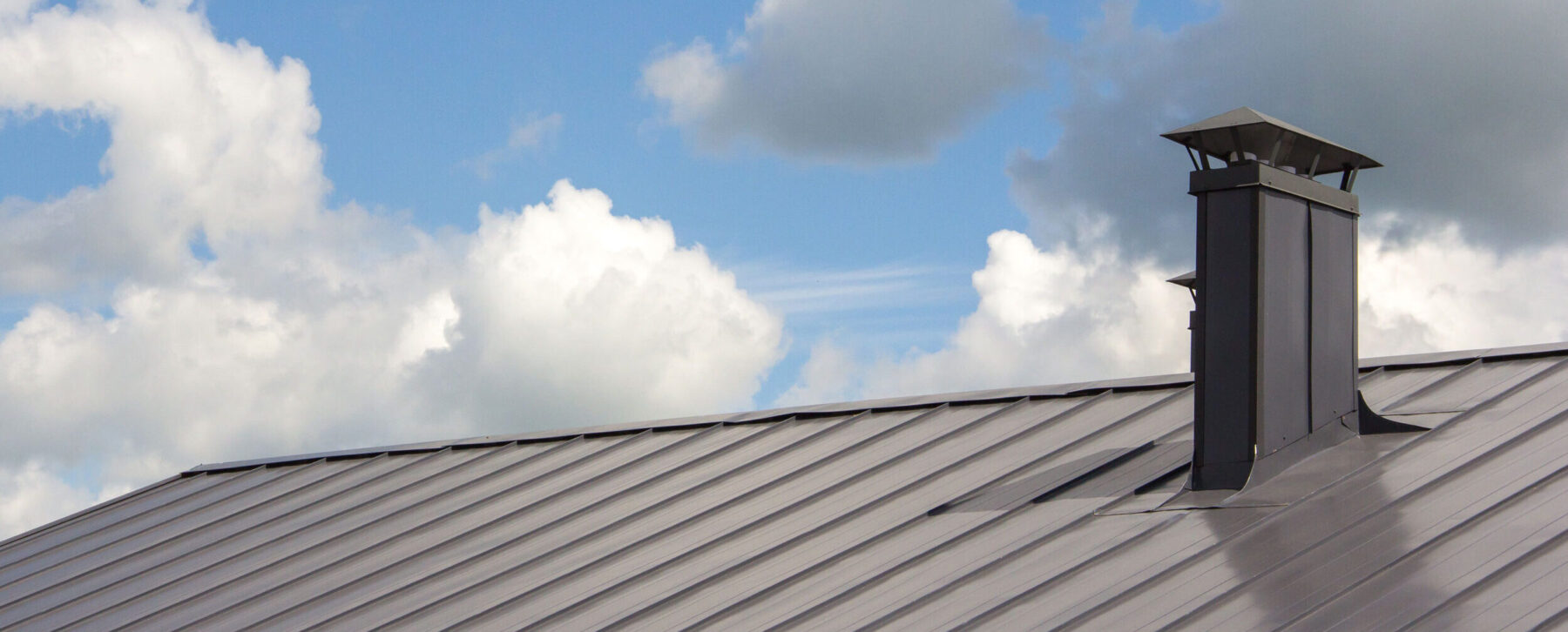
Why Metal Roofs Last So Long
Several key factors contribute to the remarkable longevity of metal roofs from Home Genius Exteriors:
Corrosion Resistance
The Galvalume® coating on our steel panels offers superior protection against rust, corrosion, and general weathering. This triple-layer alloy forms a durable barrier, ensuring the underlying steel remains structurally sound for decades. In addition, advanced paint systems such as Signature® 200 and Signature® 300 provide further defense, maintaining aesthetic appeal while shielding against environmental wear.
Impact and Fire Resistance
Home Genius Exteriors’ metal roofing systems hold some of the highest UL ratings for both fire and wind resistance. Metal roofs are non-combustible, providing peace of mind against wildfire risks. They are also highly impact-resistant, standing up to hail, falling debris, and severe weather events better than most other roofing materials.
Low Maintenance
One of the major advantages of metal roofing is how little upkeep it requires. Thanks to corrosion-resistant materials and high-performance coatings, metal roofs need very few repairs or touch-ups over their lifetime. Annual inspections and occasional cleaning are generally all that’s needed to keep your roof in top condition.
Energy Efficiency
Metal roofs installed by Home Genius Exteriors are designed with energy savings in mind. Reflective coatings help deflect sunlight, significantly reducing heat absorption. This can lower cooling costs and, more importantly, reduce thermal stress on the roof system itself. By minimizing the expansion and contraction cycles caused by temperature changes, the materials stay more stable and last longer.
Key Factors Affecting The Lifespan Of Your Metal Roof
Several key factors influence the lifespan of a metal roof, which can last anywhere from 40 to 70 years or more when properly installed and maintained. The most important considerations include:
- Metal Type and Coating: Premium metals like aluminum, zinc, and copper last longer than bare steel. Protective coatings such as Galvalume or galvanized finishes prevent rust and corrosion.
- Installation Quality: A professional installation with proper fasteners, underlayment, and flashing ensures weather resistance and structural integrity. Poor installation can lead to leaks and premature wear.
- Climate and Environment: Roofs exposed to coastal salt air, heavy snow, or acidic rain require corrosion-resistant materials and coatings to maintain their lifespan.
- Maintenance Practices: Regular inspections, cleaning debris from valleys and gutters, and addressing scratches or loose fasteners help extend roof longevity.
- Paint System and Finish: High-quality paint systems like Kynar 500 or PVDF protect against UV fading, chalking, and oxidation, keeping the roof’s appearance and performance intact for decades.
- Roof Slope and Ventilation: Proper pitch and attic ventilation reduce moisture buildup and heat retention, preventing structural damage over time.
By selecting the right materials, ensuring professional installation, and maintaining the roof periodically, homeowners can maximize the performance and lifespan of their metal roof for decades.
Panel Styles and Their Durability
Home Genius Exteriors offers a wide variety of metal roofing styles, each engineered for longevity and beauty:
- MasterRib® Panels: Popular for residential and light commercial applications, these panels combine classic looks with rugged strength, using high-quality Galvalume® steel.
- 5V Panels: This traditional, charming profile is often used for historic or coastal homes and offers the same impressive corrosion resistance and long service life.
- 7/8″ Corrugated Panels: Known for their strength and versatility, corrugated panels are ideal for areas that face heavy snow loads or harsh weather.
- Advantage-Lok II (Standing Seam) Panels: Offering a sleek, modern look, Advantage-Lok II standing seam panels use concealed fasteners and watertight seams to provide maximum weather protection and durability, extending the roof’s lifespan to the upper end of the range.
Each style is constructed with heavy-gauge steel or aluminum and finished with robust paint systems, ensuring decades of reliable performance and minimal aesthetic fading.
Key Factors for Maximizing Your Metal Roof’s Lifespan
While the materials themselves are engineered for longevity, getting the most out of a metal roof still depends on a few important factors:
Professional Installation
Proper installation is absolutely critical for maximizing the lifespan of a metal roofing system. Home Genius Exteriors employs certified professionals who follow strict installation protocols, ensuring panels are correctly fastened, flashed, and sealed to resist wind uplift, leaks, and long-term wear.
Regular Inspections
Even though metal roofs require minimal maintenance, annual inspections are highly recommended. These inspections can catch small issues—such as loose fasteners, minor sealant wear, or accumulated debris—before they become significant problems. Promptly addressing any concerns will help your roof achieve (or even exceed) its expected service life.
Takeaway
Metal roofing has a typical lifespan ranging from 50 to 70 years or more, metal roofs outperform traditional asphalt options by decades, delivering superior protection, energy savings, and aesthetic value over time.
Thanks to advanced materials like Galvalume® steel and premium aluminum, protective coatings like Signature® 200 and 300, and professional installation by certified experts, your new metal roof will offer reliable, low-maintenance performance for generations.
If you’re ready to invest in the last roof you may ever need, contact Home Genius Exteriors today. Our team will guide you through your metal roofing options and help you choose the perfect style and material for your home.
Schedule your free consultation now and experience the Home Genius difference—where exceptional quality and peace of mind are built into every roof we install.
Metal Roofing Durability FAQs
How long does a metal roof last?
A properly installed and maintained metal roof can last 50 to 70 years or more. Premium metals like aluminum, zinc, and copper may last even longer, often outlasting traditional asphalt shingles two to three times over.
What factors affect the lifespan of a metal roof?
The lifespan of a metal roof depends on factors such as metal type, protective coating, installation quality, climate exposure, paint system, and ongoing maintenance. Coatings like Galvalume or Kynar 500 protect against corrosion and fading, while professional installation ensures long-term weather resistance.
Are metal roofs resistant to harsh weather?
Yes. Metal roofs are engineered to withstand extreme weather, including high winds, hail, heavy snow, and rain. Many systems are rated for wind speeds up to 140 mph and offer excellent performance against fire, impact, and temperature fluctuations.
Do metal roofs rust over time?
Modern metal roofing materials include protective coatings that prevent rust and corrosion. Galvanized and Galvalume steel roofs, as well as aluminum and copper systems, provide long-term protection even in humid or coastal climates when properly maintained.
Does a metal roof require a lot of maintenance?
No. Metal roofs require very little maintenance compared to other roofing materials. Occasional cleaning, debris removal, and inspection of fasteners or sealants help extend their lifespan and maintain appearance for decades.
Frequently Asked Questions
What are the environmental benefits of choosing a metal roof?
Metal roofs are often made from recyclable materials and can be fully recycled at the end of their lifespan, reducing landfill waste. Their energy-efficient coatings also help decrease cooling costs, lowering overall energy consumption.
How do metal roofs perform in terms of noise during rain or hail?
Metal roofs can be noisier than asphalt shingles during rain or hail, but proper insulation and underlayment installation significantly reduce sound transmission, making interior noise comparable to other roofing types.
Are metal roofs suitable for all architectural styles?
Yes, metal roofs come in a variety of styles, colors, and finishes that can complement everything from modern to traditional home designs, offering versatility without sacrificing durability.
Can a metal roof be installed over an existing roof?
In many cases, metal roofs can be installed over existing roofing materials, which can save time and labor costs. However, the existing roof's condition and local building codes must be evaluated before proceeding.
What warranty options are typically available for metal roofing systems?
Metal roofing manufacturers and installers often provide warranties that cover material defects and workmanship, generally ranging from 30 to 50 years, ensuring long-term protection and peace of mind.
How does a metal roof impact home resale value?
Due to their durability, energy efficiency, and aesthetic appeal, metal roofs can increase a home's resale value by attracting buyers looking for low-maintenance and long-lasting roofing solutions.
What are the common signs that a metal roof needs repairs or replacement?
Look for issues such as loose or damaged panels, rust spots, poor sealing around fasteners, or water leaks. Early detection through routine inspections helps address problems before extensive damage occurs.