Emergency Roof Tarp: What to Do Right After Storm Damage
Water is coming through a ceiling, or a branch has torn a hole in the roof, and more rain is in the forecast. An emergency roof tarp is a heavy waterproof sheet that a roofing crew fastens over the damage to keep rain out until the roof can be repaired.
You’ll want the hole covered before the next rain. But right after a storm, the roof is wet, slick and sometimes weakened underneath, and that changes who should be the one putting on the tarp.
Table of Contents
- Who should put up an emergency roof tarp?
- Emergency or not: a checklist for storm damage
- Why you shouldn’t climb onto a storm-damaged roof
- What’s included in a professional emergency roof tarp
- What to do while you wait for the roofing crew
- The lifespan of an emergency roof tarp
- The cost of an emergency roof tarp
- Insurance coverage for storm damage
- What to confirm when you call a roofer
- Get a free roof inspection after storm damage
- Frequently Asked Questions
Who should put up an emergency roof tarp?
A roofing crew should put up an emergency roof tarp, not you. Call a roofer as soon as you see water coming in, and use the wait for the work you can do safely from the ground and indoors: photographing the damage, moving your belongings away from the leak and catching the water.
Emergency or not: a checklist for storm damage
After some storm damage you’ll want a crew within hours, and other damage can wait for a scheduled inspection. Call a roofer right away when:
- Water is dripping or running through a ceiling or wall.
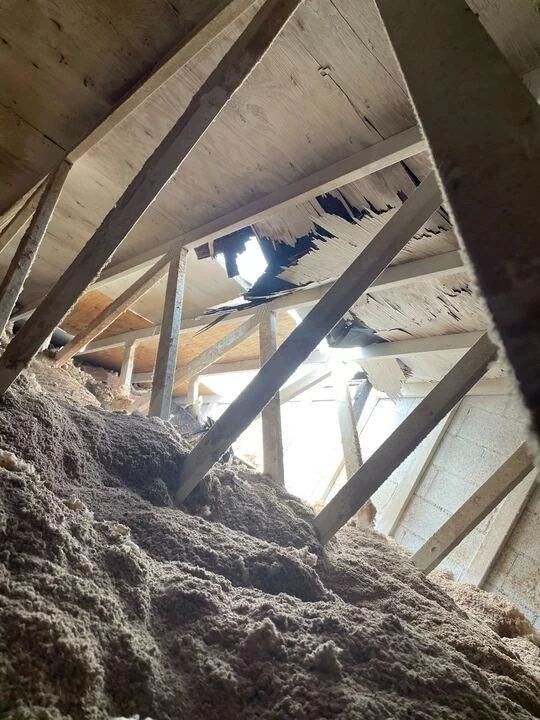
- You can see a hole in the roof, or daylight coming into the attic through the roof.
- Shingles are missing over a bedroom or living area, and the layer underneath is showing.
- A tree or a large branch has landed on the roof.
- The metal strips that seal the roof around a chimney or vent have pulled loose, and more rain is coming.
You can wait for a scheduled inspection when:
- Blown debris left scuff marks, but no shingles are torn or missing.
- The gutters or roof vents have dents, a sign of hail damage on a roof, but the ceiling below is dry.
A dry ceiling today doesn’t mean the roof came through undamaged, though. Stains from wind damage to a roof can take days to show, so check the ceilings and upper walls under the damage again over the next week. Fresh stains mean water is getting in, and it’s time to call a crew.
Why you shouldn’t climb onto a storm-damaged roof
Stay off a storm-damaged roof, even for a quick repair. Without the harnesses and other safety systems roofers work with, the risk of falling during roof repair after a storm is too great.
After a storm, the shingles are wet and slippery, and loose shingles make it easy to trip. The roof’s structure may be weakened, too, and a badly damaged roof can give way under a person’s weight. Downed power lines near the house add the risk of electrocution.
Falls, including falls from roofs and ladders, are the leading cause of construction worker deaths on the job. When a roof is too damaged to walk safely, a drone roof inspection can photograph every square foot of it in half an hour with nobody on a ladder.
What’s included in a professional emergency roof tarp
On a professional roof tarping visit, the crew starts by looking at the damage from a ladder, in a safety harness or with a drone. They photograph the damage before any debris comes off the roof, so you have a record of what the storm did. Then they measure the damaged area and choose a tarp large enough to reach a few feet past the damage on every side. Where the roof allows, the tarp also runs over the peak of the roof, so rain rolls off it instead of working under its top edge.
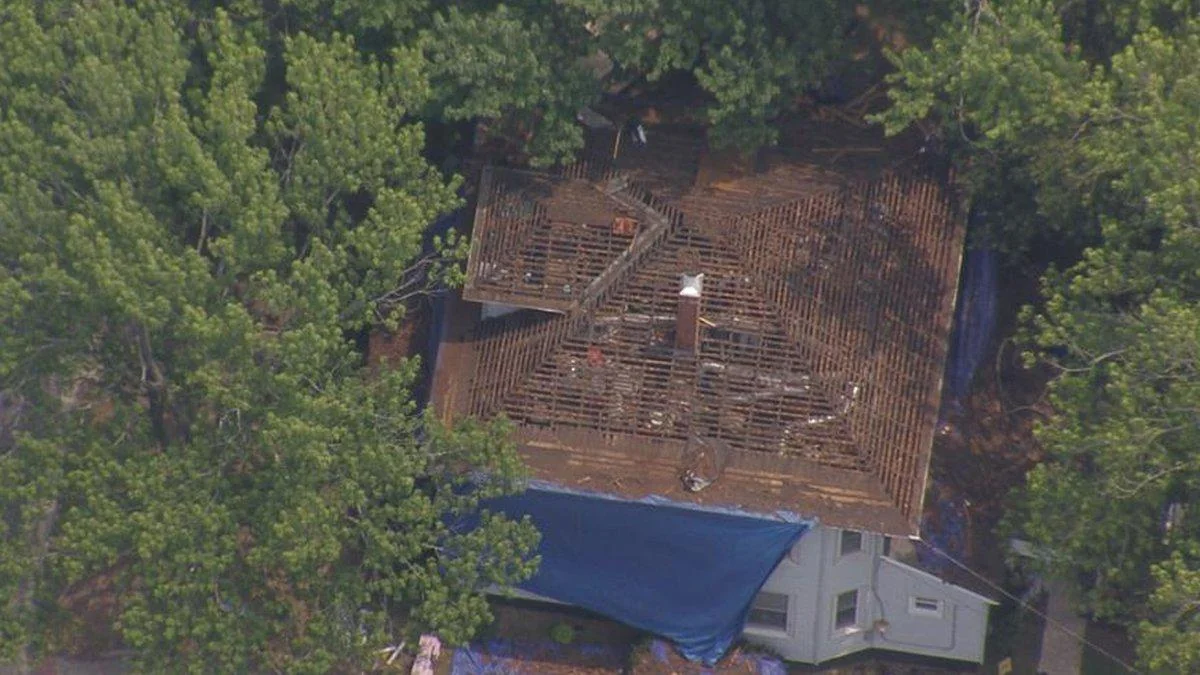
Next, the crew clears loose shingles, nails and other debris, and two or more crew members unroll the tarp over the damage. The crew holds the tarp down with strips of lumber screwed to the roof along its edges, which spreads the pressure along each edge so the tarp doesn’t tear at the fasteners. Each board sits with one end lower than the other, so water drains off instead of collecting behind it. The screws go into shingles that get replaced with the permanent repair.
A covered chimney or plumbing vent is a safety hazard, so the crew cuts the tarp to fit around it and tapes the edges watertight. On some roofs they use an adhesive tarp, which sticks to the shingles instead of being screwed down. The adhesive pulls off some of their gritty surface, so those shingles are replaced with the repair, too. Every one of these steps happens on the roof, so leave all of them to the crew. Once they’re done, you can check from the ground that the tarp reaches past the damage and runs over the peak where the roof allows.
What to do while you wait for the roofing crew
After a major storm, roofers may be working through many damaged roofs at once, so a crew may not reach you right away. These five steps protect the house and your belongings until they arrive:
- Start your storm recovery outside. Walk around the house and check for loose power lines, gas leaks and structural damage, and if anything looks unsafe, have a building inspector or structural engineer check the house before you enter it.
- Call a roofer. Tell them where the water is coming in, whether you can see daylight from the attic and whether a tree or branch is on the roof.
- Photograph the damage before you clean up or move anything: wide shots of the roof from the ground, and close-ups of ceiling stains and wet belongings inside. Make a written list of what’s damaged, and keep every receipt.
- Move furniture, rugs and electronics out from under the leak, catch the drips in buckets, and check the attic and upstairs rooms for new leaks. Keep everyone out of a room where the ceiling is sagging or water is reaching a light fixture or outlet.
- If you can do it safely, clear cars, patio furniture and fallen branches from the side of the house where the crew will set up their ladders.
The lifespan of an emergency roof tarp
A temporary roof tarp lasts 60 to 90 days on average, and the tarp’s material, the way the crew fastened it and the weather it sits through all change that. Book the permanent repair or replacement as soon as the weather allows. Roofing contractors inspect for free and then price the work, so the cost of a roof inspection before the repair is usually nothing.
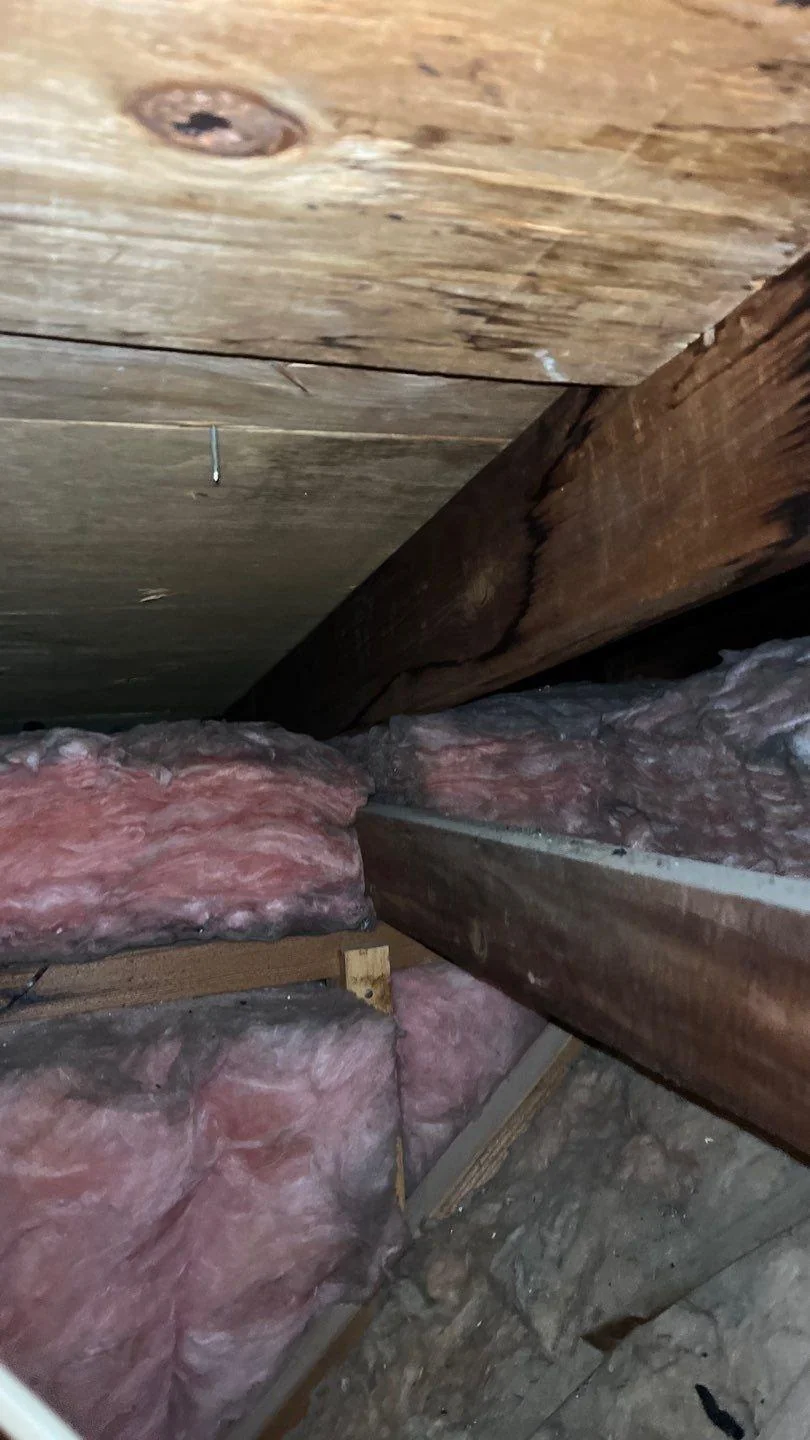
Until the repair, look at the tarp from the ground and check the ceilings under it after every storm or high wind, and call back the crew that put up the tarp if anything has changed.
The cost of an emergency roof tarp
Rush service for emergency roof tarping typically costs $1.00 to $2.80 per square foot, compared with $0.70 to $2.00 per square foot for a standard visit, and both rates include the crew’s labor. The national average cost is $450. Your total rises with the size of the damaged area, a steep roof or one that’s hard to reach, and the extra time it takes to fit the tarp around chimneys and vents.
Here’s how the installed price changes with the size of the tarp:
| Tarp size (square feet) | Installed cost |
|---|---|
| 80 | $175 to $225 |
| 120 | $200 to $340 |
| 600 | $420 to $1,700 |
| 1,500 | $1,050 to $4,200 |
Cleanup inside the house is a different service. That service can range from $1,400 to $6,300 on average, depending on the damage.
Insurance coverage for storm damage
Homeowners insurance pays the cost of tarping a roof leak as long as the policy covers the cause of the leak. Your policy also requires you to take reasonable steps to prevent more loss, and tarping an exposed area is one of them. If you don’t, your insurance company can refuse to cover the extra water damage, even when they cover the storm damage itself.
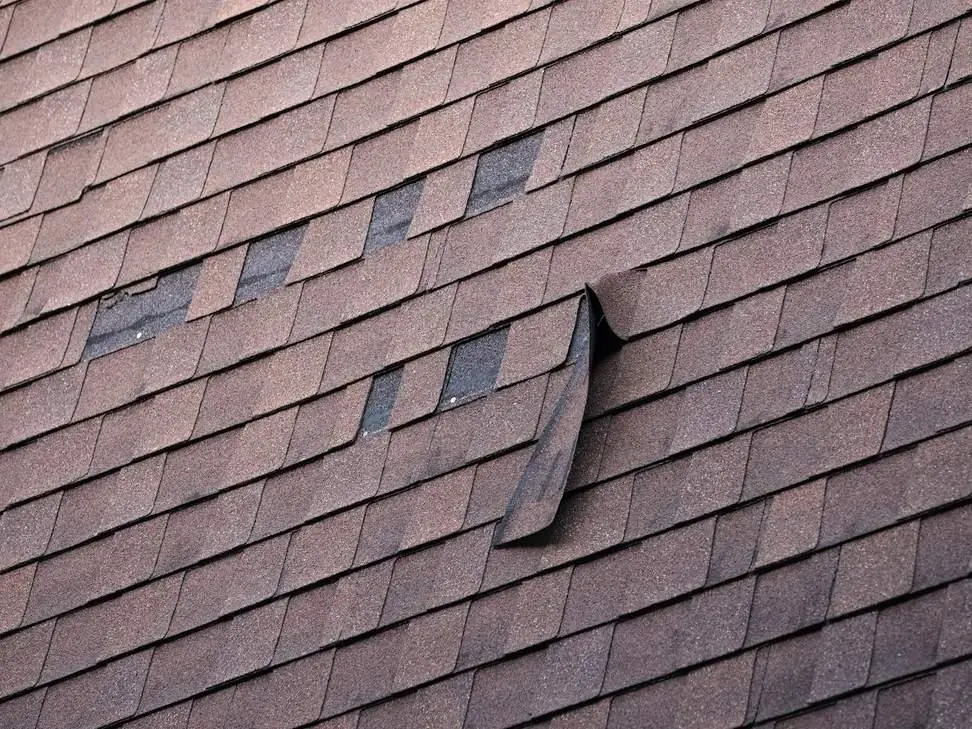
You file the roof insurance claim with your insurer. Give the insurer the photos you took before the tarp went on, along with the crew’s photos of the damage and the finished tarp. Keep the crew’s invoice with your other receipts, because your insurer should reimburse emergency costs like tarping as part of the claim.
What to confirm when you call a roofer
On the first call, go through the questions to ask a roofer that apply to an emergency visit:
- Ask for a certificate of insurance that shows liability and workers’ compensation coverage. A certificate can be expired, so call the insurer listed on it to confirm the policy is active.
- Get a written price that lists every charge, including any extra charge for after-hours service, and avoid paying a large amount up front.
- Ask when the crew can arrive and when the permanent repair can begin.
Get a free roof inspection after storm damage
Once the tarp is on, find out what the storm did to the roof and what the permanent repair will include. Home Genius Exteriors provides free inspections covering the roof surface and the attic, and our team can walk you through what they find and put the estimate for the repair or replacement in writing. Call today to schedule your free inspection.
Frequently Asked Questions
Can I put a tarp on my roof to stop leaks?
A tarp can keep rain out of a damaged roof for a while, and how well it works depends on where the leak is and how big it is. To put one on, someone has to work on a wet, damaged roof, though, so leave it to a roofing crew and catch the water inside while you wait.
What is the best tarp to use on a roof?
Roof tarps range from 10 to 25 mils thick (a mil is one-thousandth of an inch). The thicker 15 to 25 mil tarps are the better choice when the repair will be delayed or more severe weather is on the way, so ask the crew which thickness they plan to use.
Who can I call to put a tarp on my roof?
Call a roofing contractor, ideally one you’d consider for the permanent repair. A roof tarp visit usually includes a look at the damage, debris removal and a repair estimate along with the tarp itself.
How to tarp a flat roof?
Have a roofing crew do it. Water pools on a flat roof instead of running off, so the crew removes the standing water and seals small holes first. Then they wrap the tarp over the edge and fasten it to the board that runs along the roof’s edge.