How Much Snow Can a Roof Hold Before It’s a Problem?
Snow has different densities depending on its water content, and your roof has a limit to how much it can safely handle. After a storm leaves a foot or more of snow on the house, the depth you can see from the driveway won’t show whether your roof can hold it. A roof’s limit is a weight, measured in pounds per square foot and called the snow load, and wet snow is far heavier than dry powder at the same depth. That’s why a roof can stay sound beneath deep powder and still be at its limit after a shallower, wetter storm.
Want to calculate your roof’s snow load? Start with the weight most homes are built to support.
Table of Contents
- How Much Snow Can a Roof Hold?
- How Much Snow a Roof Can Hold, by Snow Type
- Signs of Trouble Inside Your Home
- What to Watch From the Ground
- Conditions That Add Extra Weight
- Snow Removal Is a Job for a Professional
- What to Do If You See Warning Signs
- What to Check After a Heavy Storm
- A Free Roof Inspection Before the Next Storm
- Frequently Asked Questions
How Much Snow Can a Roof Hold?
A typical residential roof should be able to support 20 pounds per square foot (psf) of snow before it’s under stress. That’s up to 4 feet of new snow, while more than 2 feet of old, packed snow may be too much. A single inch of ice is as heavy as a foot of fresh snow.
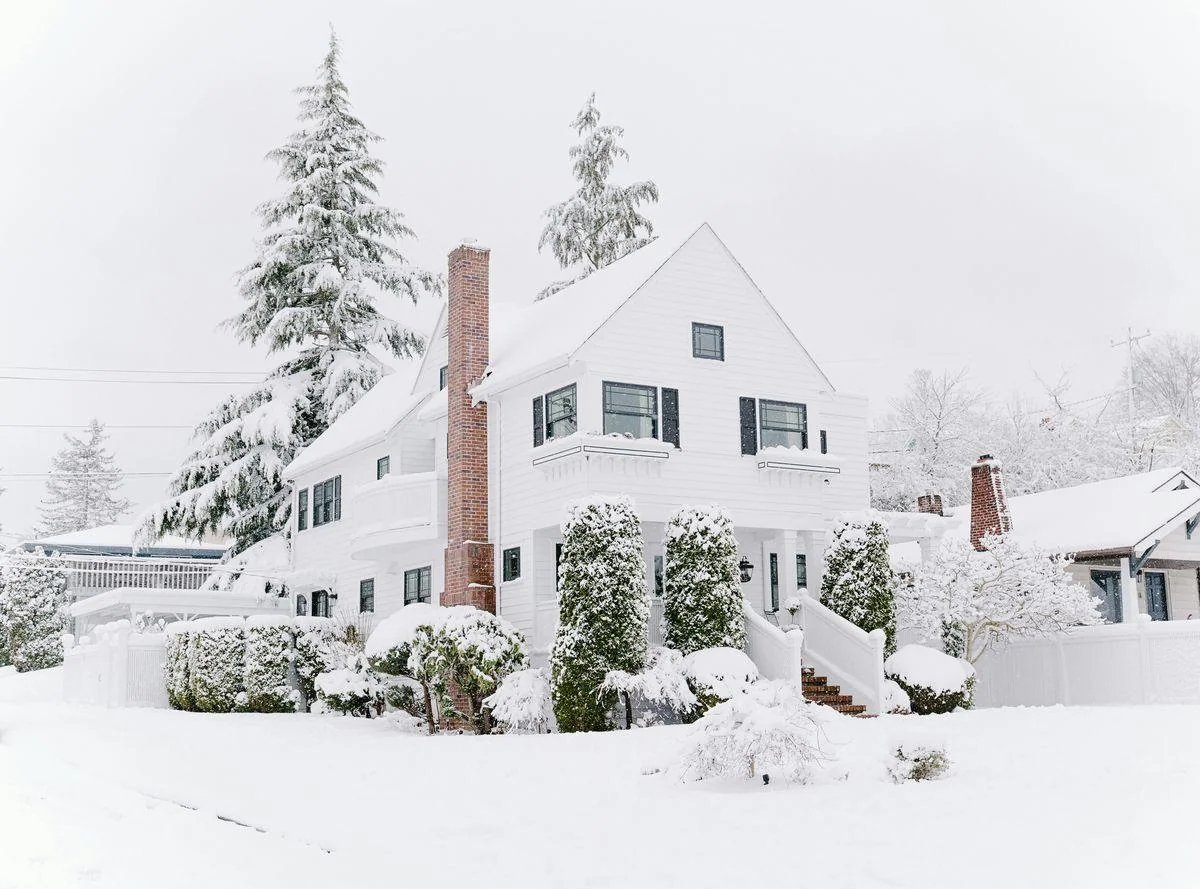
Where you live changes how quickly a roof reaches that limit:
- Roofs in areas known for heavy snowfall may be built to support more, and your local building department can tell you the snow weight homes are designed for where you live.
- Snow in the East tends to be heavier than snow in the West.
How Much Snow a Roof Can Hold, by Snow Type
A ruler can’t show how close a roof is to its limit, because the same depth of snow can be far heavier from one storm to the next. The table below lists the weight of each kind of snow at a given depth.
| Snow on the roof | Depth | Weight per square foot |
|---|---|---|
| Light, dry snow | 1 foot | 3 pounds |
| Heavy, wet snow | 1 foot | 21 pounds |
| New snow | 10 to 12 inches | 5 pounds |
| Old, packed snow | 3 to 5 inches | 5 pounds |
| Ice | 1 inch | 5 pounds |
Compare those numbers with the 20-pound mark and a single foot of heavy, wet snow is already past it, while light, dry snow can pile several feet deep and stay under it. To judge which kind is on your roof, think about the weather when it fell:
- Snow from a cold storm tends to be the light, dry kind.
- Snow from a storm near freezing, or mixed with rain, tends to be the heavy, wet kind.
- Partly melted and refrozen snow sits lower on the roof but is denser, so each inch is heavier.
- Rain on top of snow fills the open spaces in it and makes it heavier.
When you can’t tell which kind you have, use the heavier row of the table.
Signs of Trouble Inside Your Home
You can check most of the warning signs of an overloaded roof from inside the house:
- A ceiling that sags or bows, or ceiling boards that pull loose
- Loud pops, cracks or creaks from the ceiling or the attic
- Doors or windows that suddenly stick, or won’t open or close
- New cracks in walls, or in brick or stone
- A severe leak that starts during or after the storm
- Cracked or split wood, or sagging boards on the underside of the roof, if you can see them from the attic hatch without going in
What to Watch From the Ground
Outside, look from across the yard or the street, well clear of the roof edge. Roof snow can slide off at any moment, and an icicle that falls from a short height can still hurt someone. From there, look for:
- A dip or sag in the roofline, along the peak or the lower edge, that wasn’t there before the storm
- Snow piled noticeably deeper on one part of the roof than on the rest
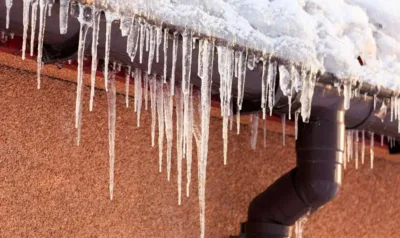
- A thick ridge of ice with icicles hanging from the eaves, the lower edge of the roof that extends past the walls
- Gutters pulling away from the house under the weight of ice
The snow in an open spot of the yard gives you a starting depth, but parts of the roof can end up with far more than the ground does, wherever wind and sliding snow pile it up.
Conditions That Add Extra Weight
A roof can be under stress below the 20-pound mark when the weight collects in one place or the structure under it has weakened.
Drifts and Lower Roofs
Wind typically piles more snow on the sheltered side of a roof than on the side that faces the wind. It also piles snow behind chimneys and wherever the roof changes shape, so one section can hold far more than the rest. A lower roof beside a taller part of the house takes extra weight two ways: drifts build against the taller wall, and snow slides down onto it from above. Simple, steep roofs shed snow most easily, and those with more angles and obstructions collect it in uneven piles.
Flat and Nearly Flat Sections
A sloped roof lets snow slide off, while snow tends to stay put on a flat roof until it melts and drains away. A porch roof or an addition with a flat or nearly flat top can collect meltwater in its low spots, which puts concentrated weight on one area. Water standing in a spot on a flat roof where it can’t drain is one of the warning signs of too much weight.
Ice Dams at the Roof Edge
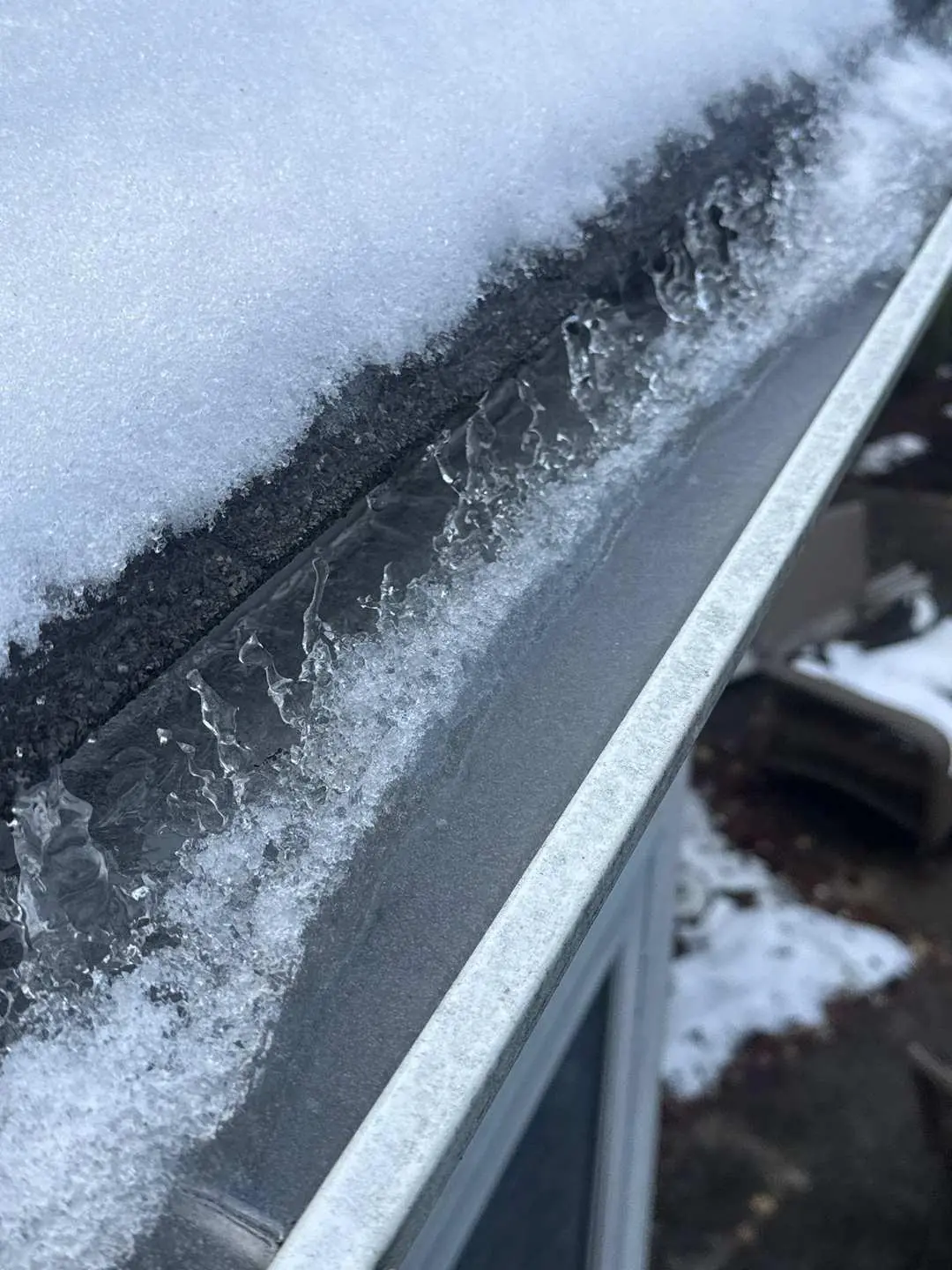
An ice dam is a ridge of ice along the roof edge that keeps meltwater from draining. It puts concentrated weight at the edge and makes it harder for a sloped roof to shed the snow above it. Warm air that collects in an attic without enough roof and attic ventilation heats the roof and melts the snow near the peak, and that water refreezes when it reaches the colder edge. Good insulation and air sealing in the attic keep the roof closer to the outside temperature, so less snow melts in the first place. When the dam runs along much of the roof edge or water is getting into the house, hire a professional for ice dam removal.
Older or Damaged Roofs
A roof whose structure is damaged or decayed can’t be counted on for the full 20 pounds, and rot and moisture damage in the wood under the shingles are the signs to watch for in the attic. If you’ve seen dark stains on the attic side of the roof, soft spots or a roofline that sagged before winter, have the roof checked before the first heavy storm. If you don’t know your roof’s age, the permit records at your local building department can show when it was last replaced.
Snow Removal Is a Job for a Professional
Don’t climb onto a snow-covered roof, and don’t lean a ladder against one. Snow removal should only be done by qualified people who follow the safety rules for rooftop work, including safety harnesses that stop a fall where they apply. Snow can also hide a skylight, which is a fall hazard for anyone on the roof, and clearing a roof down to the shingles can damage them.
Your local building department or a structural engineer can tell you whether the snow needs to come off at all, because they know the weight local homes are designed to support. If it does, hire a snow removal contractor.
What to Do If You See Warning Signs
If you see or hear any of the warning signs, get everyone out of the house right away. Then call your local building department or a structural engineer for a detailed inspection of the structure. Don’t try to clear the roof while the signs are there: any removal should stop as soon as there’s concern the roof could collapse. A structural engineer can confirm how much weight the framing can support.
What to Check After a Heavy Storm
After the snow melts, check the house for damage the weight or the ice left behind:
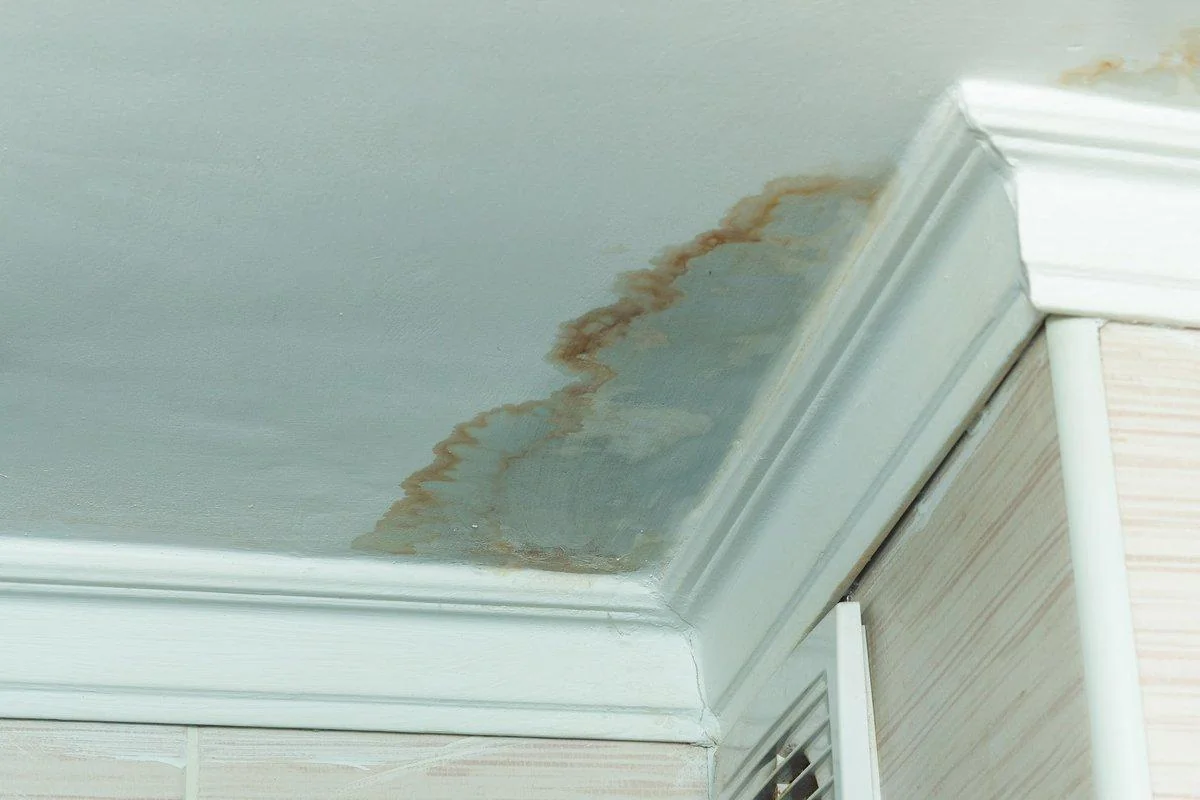
- Brown or yellow ceiling stains and wet, clumped insulation in the attic, two signs of a roof leak after a thaw
- Shingles that look lifted or buckled near the lower edge of the roof
After a large snowfall, have the roof covering checked for damage, and the structure checked too.
A Free Roof Inspection Before the Next Storm
Home Genius Exteriors provides free inspections, and the team can walk you through the condition of your roof after a hard winter or before the next one. Call today to schedule your free roof inspection.
Frequently Asked Questions
Is two feet of snow a lot?
Two feet of light, fresh powder is well under what a typical roof is built to support, but the weight adds up over a season. Two feet of old snow with two feet of new on top can reach 60 pounds per square foot, beyond what most roofs are built to support.
How heavy is 10 inches of snow?
Ten to 12 inches of new snow weighs 5 pounds per square foot and melts down to 1 inch of water. Old, packed snow holds that same inch of water in 3 to 5 inches, which makes it the heavier of the two.
How many inches of snow can damage a roof?
There’s no single depth, because the weight of each inch changes with the kind of snow. Have the snow removed by a professional once your estimate of its weight passes 20 to 25 pounds per square foot, and act on any warning sign whatever the depth.
What does 20 psf snow load mean?
Psf stands for pounds per square foot, so 20 psf means 20 pounds of snow pressing on every 12-by-12-inch patch of roof. Homes in snowier areas may be built for a higher number, which your local building department can confirm.
What is the average lifespan of a roof?
The average roof lasts between 20 and 50 years, depending on the material, and architectural asphalt shingles last 25 to 35 years. A roof near the end of its expected life is one to have inspected before winter.