Ice Dam Removal And Prevention Guide
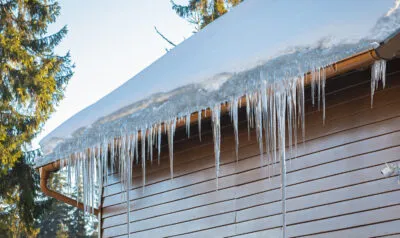
Ice dam removal means melting a drainage channel through the ice at your roof’s edge so the water stuck behind it can run off. That icy ridge along the eaves is refrozen meltwater, and it keeps growing as long as your attic is warm enough to melt the snow above it. Once it’s tall enough to hold water back, the pool behind it has nowhere to drain and starts working under the shingles.
If you get the water draining again in the first day or two, removing the ice dam keeps the problem on the roof. Wait until a ceiling stain shows up and you’ll be paying for new insulation, drywall, and more.
What Are Ice Dams and Why Do They Form on Your Roof?
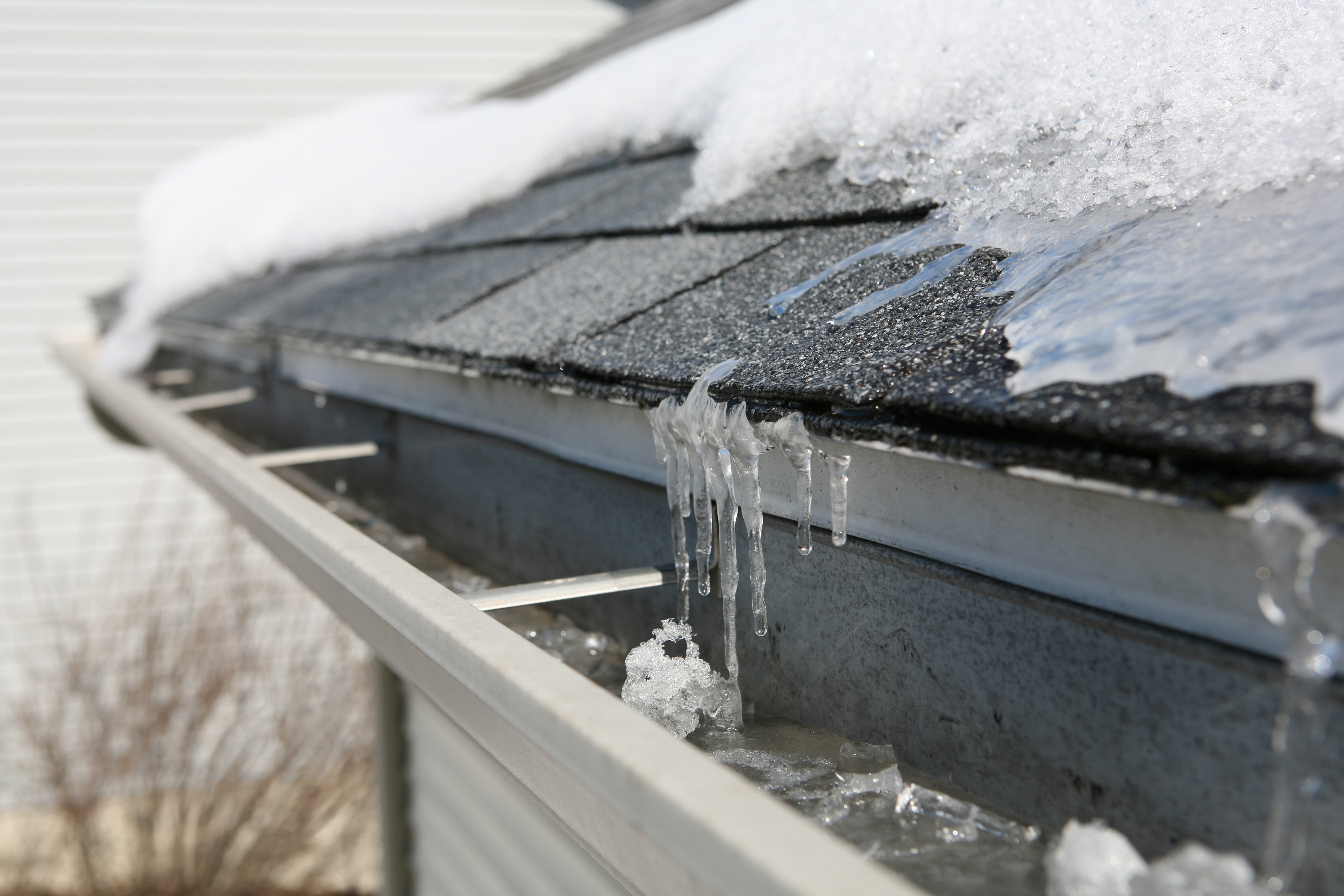
An ice dam is a thick ridge of ice that builds up along the lower edge of a roof, usually at the eaves or above the gutters. It blocks melting snow from draining off the roof, and as water pools behind it, that water seeps under shingles and into your attic and ceilings.
Ice dams start with uneven roof temperatures. Heat escaping from your attic warms the upper sections of the roof and melts the snow sitting on top. That meltwater trickles down toward the eaves, which stay cold because they extend past the heated living space below. When the water reaches that cold zone, it refreezes into ice.
Each cycle adds another layer. After a few days of this pattern, you end up with a solid wall of ice that acts like a dam. On a poorly insulated house, ice dams can still form during a mild winter.
Common contributors include weak attic insulation and gaps around recessed lights or plumbing vents that let warm air escape. Poor roof ventilation that traps heat under the decking adds to the problem. Homes with complex roof designs or multiple valleys face higher risk, because those areas collect snow and create more chances for uneven melting.
Ice Dam Warning Signs
The damage from an ice dam usually builds for days or weeks before you notice anything.
The most obvious sign is a visible ridge of ice along the eaves, often with icicles hanging below it. Large icicles can look picturesque, but they signal that meltwater is actively refreezing at the roof’s edge. You might also notice gutters pulling away from the fascia board under the weight, or shingles that look lifted or buckled near the roofline.
Inside the house, watch for water stains on ceilings, especially in rooms directly below the attic. Peeling paint near exterior walls and damp spots around window frames point to moisture getting in. In severe cases, you’ll see warped drywall or actual dripping.
The longer water sits in your insulation, the worse the damage gets. Wet insulation loses its thermal performance, which creates even more heat loss and feeds the ice dam cycle. Wet building materials also have to dry within 24 to 48 hours to avoid mold growth, so quick action matters.
How to Remove Ice Dams
Ice dam removal techniques depend on ice quantity, whether water is already coming inside, and whether the roof edge can be reached from the ground.
Calcium Chloride Ice Melt Channels
For a lower-risk approach, fill a tube sock or nylon stocking with calcium chloride ice melt and lay it vertically across the ice dam so it hangs slightly over the gutter. Over several hours, the calcium chloride melts a channel through the dam and gives trapped water a path to drain. This won’t remove the entire dam, but it relieves the immediate water pressure behind it.
Use calcium chloride, not rock salt. Rock salt (sodium chloride) corrodes metal gutters and flashing, and it can kill plants below the roofline. Calcium chloride works at lower temperatures and does far less damage to roofing materials.
Professional Steam Removal
For large or stubborn ice dams, professional steam removal is the safest and most effective option. A technician uses low-pressure steam equipment to melt the ice without damaging shingles or flashing. If water is actively entering your home, this is the route to take.
Roof Raking From the Ground
This doesn’t remove an existing dam, but it cuts off the snow supply that feeds one. A roof rake with a long extension handle lets you pull fresh snow off the lower few feet of the roof while you stand safely on the ground. After a heavy snowfall, clearing the first three to four feet of snow from the eaves helps prevent new dams from forming.
What Not to Do When Removing Ice Dams
Four common responses to an ice dam do more damage than the dam itself.
- Don’t chip or hack at the ice with a hammer or chisel. You’ll almost certainly crack shingles and puncture the roof membrane underneath, creating new leak points that outlast the ice.
- Don’t use a pressure washer. High-pressure water forces moisture deep into the roof system and can strip the protective granules off shingles, shortening their life.
- Don’t climb onto an icy roof. Ice-covered roofing is extremely slippery, and a fall from even a single-story roof can cause serious injury. Leave rooftop work to professionals with proper fall protection.
- Don’t spread rock salt on the roof. It corrodes metal components, stains roofing materials, and damages landscaping where the runoff reaches soil and plants.
Which Ice Dam Removal Method Is Best?
| Method | Best For | Typical Cost | Roof Damage Risk |
|---|---|---|---|
| Calcium chloride socks | Small dams, temporary relief | Materials only | Low, with the right product |
| Roof raking | Prevention after snowfall | Cost of the rake only | Minimal when done carefully |
| Professional steam removal | Large dams, active leaks | $400 to $600 per hour | Very low |
| Professional attic insulation and air sealing | Dams that come back every winter | $2,000 to $3,250 | None (addresses the root cause) |
A melt channel or a roof rake buys time on a small dam between storms. Once the dam stretches across multiple eaves or water is entering the home, professional removal pays for itself by preventing far more expensive interior damage.
What Does Ice Dam Removal Cost?
Several factors push ice dam removal costs up or down. Roof pitch plays a big role, because steep roofs need more safety equipment and take longer to access. Accessibility can impact the price because a dam on a two-story section above a porch roof costs more to reach than one along ground-level eaves.
Professional steam removal runs $400 to $600 per hour, and most contractors bill a two-hour minimum. The national cost of ice dam removal is approximately $600 to $1,800. Insulating the attic (to keep dams from forming again) runs $2,000 to $3,250.
Expect to pay a premium for same-day or emergency service during an active storm. Many contractors charge more for urgent calls, especially during extended cold snaps when demand spikes. The average roof repair cost for storm damage is usually lower than that emergency premium. If you can safely monitor the situation and schedule removal a day or two later, you’ll often save on ice dam removal.
The bigger cost picture includes interior repairs if water has already entered the home. Replacing wet insulation and repainting stained ceilings can easily run into the thousands, and mold remediation pushes costs higher still. That’s why prevention is the better long-term investment.
Ice Dam Prevention: How to Stop Ice Dams Before They Start
Removing ice dams treats the symptom. Preventing them means fixing the conditions that cause uneven roof temperatures in the first place.
Attic Insulation and Air Sealing
Attic insulation and air sealing attack the heat loss that drives the whole cycle. Warm air rises through gaps around light fixtures, plumbing stacks, and attic hatches, and even a well-insulated attic keeps losing heat through those openings. The worst types of leaks sit under existing insulation where nobody can see them, which is why properly air sealing your attic starts with a blower door test and infrared imaging rather than a caulk gun.
Proper Roof Ventilation
A well-ventilated attic keeps the roof deck close to the outside temperature, which prevents the uneven warming that starts the melt-refreeze cycle. Ridge vents paired with soffit vents create natural airflow that pushes warm, moist air out before it can heat the shingles above. Keeping the attic dry and well-ventilated also protects insulation and framing from moisture damage over time. If your soffits are blocked by insulation or debris, clear them.
Heated Cables Along the Eaves
Heat cables (also called heat tape) run in a zigzag pattern along the eaves and through gutters to create channels for meltwater to drain rather than refreeze. They aren’t a substitute for proper insulation and ventilation, and they do add to your winter electric bill. But they’re a useful backup for problem areas on complex roofs where insulation upgrades haven’t solved the issue.
Does Homeowners Insurance Cover Ice Dam Damage?
Most standard homeowners insurance policies cover sudden water damage from ice dams, including interior leaks and damaged ceilings. Policies typically don’t cover the cost of removing the dam itself or repairing the roof. Coverage also depends on whether you’ve kept up with maintenance, since insurers may deny a claim if they decide the damage came from years of neglected insulation or ventilation.
If you notice ice dam damage, document everything with photos and contact your insurer promptly. Save receipts from any professional removal or emergency repairs. Strengthen your position by filing quickly and providing thorough documentation.
Take the First Step Toward an Ice-Free Roof
Home Genius Exteriors provides free inspections that pinpoint the insulation, ventilation, and roofing weak points that let ice dams form in the first place. Our team can check your attic and roofline, explain what’s driving the melt-refreeze cycle on your home, and lay out the fix so dams don’t keep coming back each winter. Call today to schedule your free inspection.
Frequently Asked Questions
When should I call a professional for ice dam removal?
Call a professional if you notice active dripping indoors, widespread staining, or ice that spans long sections of the eaves. If you can’t safely reach the area from the ground, professional help also lowers the risk of injury and accidental roof damage.
How do I choose a reputable ice dam removal contractor?
Look for a licensed, insured contractor, ideally one who specifically advertises ice dam removal. Ask what equipment they use, how they protect shingles and landscaping, and whether they provide written documentation of the work performed.
What should I do if an ice dam causes leaks in my home?
Put down containers to catch the water, move valuables away from the area, and use towels to limit spread on floors. If the ceiling is bulging, have a qualified professional address it, then arrange for moisture drying to reduce secondary damage.
How can I tell if an ice dam caused hidden moisture problems after the leak stops?
Check for lingering odors or discoloration that grows over time, and for materials that feel soft or spongy around ceilings and exterior walls. A moisture meter or an infrared scan from a qualified professional can confirm trapped moisture without opening large sections of drywall.
Are some roofs more prone to ice dams than others?
Roofs with many transitions and intersecting planes tend to be more vulnerable to ice dams because snow collects there and drainage paths get interrupted. What sits under the shingles (the underlayment and flashing) is what actually stops water once it has backed up behind a dam.