What is a Ridge Vent, and Why Does My Roof Need One?
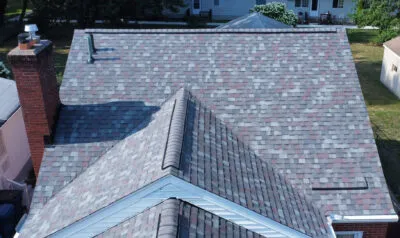
A ridge vent might be the most important roofing component you’ve never thought about. Running along the peak of your roof, this narrow ventilation strip quietly prevents thousands of dollars in damage by allowing hot, moisture-laden air to escape your attic. Most homeowners replace their roof without knowing what a ridge vent is, and that makes it hard to ask the right questions before work begins.
Proper roof ventilation protects shingles from premature aging, prevents ice dams in winter, and keeps your energy bills in check during summer. That “exhaust vent” at your roof’s ridge is one of the most important elements of your roof system. This guide breaks down everything you need to know about ridge vents, from basic function to installation and maintenance.
What Is a Ridge Vent and How Does It Work?
A ridge vent is a continuous exhaust vent installed along the peak (ridge) of a sloped roof. Roofers cut a narrow slot, typically 1 to 2 inches wide on each side of the ridge board, and then cover it with an external vent profile made of molded plastic, aluminum, or a shingle-over rolled material. Ridge cap shingles then cover the vent, making it nearly invisible from the ground.
Hot air naturally rises through a process called the stack effect. As warm, humid air in your attic moves upward, it exits through the ridge vent opening at the roof’s highest point.
Simultaneously, cooler outdoor air enters through soffit vents positioned along the eaves at the lowest part of the roofline. This continuous cycle creates balanced airflow that sweeps heat and moisture out of the attic space without any moving parts or electricity. Most homeowners have a ridge vent installed or upgraded as part of a full roof replacement, when the roof deck is already exposed.
What is Balanced Ventilation?
For your attic to be properly ventilated, it needs to “breathe” correctly. This means the amount of fresh air coming in (intake) should be equal to or more than the amount of stale, hot air going out (exhaust). Air enters through vents at the lower part of your roof, often under the eaves (soffits). It then exits through vents at the very peak of the roof (like a ridge vent).
A vent at the top of the roof can’t do its job of pushing hot air out unless there are enough vents at the bottom letting cool air in. As a general guideline, the total open area of your vents should be based on the size of your attic. This ventilation area should be divided evenly, with half of it at the bottom of the roof to let air in and the other half at the top to let air out.
For a typical 1,500-square-foot attic, you need a total of about 5 square feet of open vent space to ensure proper airflow. This space should be divided equally: about 2.5 square feet for vents that let cool air in (usually located under the roof’s overhang, in the soffits) and another 2.5 square feet for vents that let hot air out (typically at the very peak of the roof). For most houses, a standard vent running along the roof’s peak provides more than enough exhaust ventilation.
Why Ridge Vents are Important
The most obvious advantage of a properly functioning ridge vent is a cooler attic during summer. Attic temperatures can exceed 150°F without proper ventilation, accelerating shingle deterioration and forcing your air conditioner to work overtime. But the benefits extend well beyond comfort and energy savings.
During colder months, warm air from your living space migrates into the attic carrying water vapor from showers, cooking, and even breathing. Without a clear exhaust path, that moisture condenses on cold roof sheathing, leading to mold growth, wood rot, and compromised structural integrity. A continuous ridge vent paired with soffit intake prevents condensation by maintaining steady airflow year-round.
The impact reaches beyond the attic. According to the EPA, proper attic ventilation According to the EPA, keeping attic humidity below 50% through proper attic ventilation helps prevent water condensation from damaging your home’s building materials. And for families concerned about allergies, VOCs, or general air quality, good ventilation is even more important.
Shingle manufacturers often require proof of adequate attic ventilation to honor warranty claims. A ridge vent system that meets code requirements protects not just your shingles, but your financial investment in the roof itself.
Ridge Vents vs. Other Roof Ventilation
Ridge vents aren’t the only option for exhaust ventilation, but they offer advantages over the alternatives. Compare the most common choices in the table below so you’ll know if you have the best system for your roof type, climate, and budget.
| Ventilation Type | Role | Pros | Cons |
|---|---|---|---|
| Ridge Vent | Exhaust (continuous) | Even airflow, invisible profile, no moving parts | Requires adequate soffit intake; less ideal for hip roofs with short ridgelines |
| Box/Static Vent | Exhaust (spot) | Inexpensive, easy to install | Creates uneven ventilation, visible on roof |
| Turbine Vent | Exhaust (wind-powered) | Moves more air in windy conditions | Noisy, less effective in calm weather, visible |
| Gable Vent | Cross-ventilation | Low cost, simple installation | Short-circuits airflow when combined with ridge vents; not balanced |
| Power Attic Fan | Exhaust (electric) | High air volume | Uses electricity, can depressurize the home, pulls conditioned air into attic |
One of the biggest mistakes you can make is mixing exhaust vent types. Combining a ridge vent with gable vents or powered fans often short-circuits the intended airflow pattern. The gable vent or fan becomes an intake point for the ridge vent, bypassing the soffits entirely. For most homes with standard sloped roofs, a continuous ridge vent paired exclusively with soffit vents results in the most reliable, maintenance-free performance.
How to Install a Ridge Vent
Ridge vent installation is a job best handled by experienced roofing professionals, though understanding the process helps you evaluate contractor quality and avoid shortcuts that lead to problems.
The process follows a sequence that a skilled crew can typically complete in a few hours for a standard residential roof.
- Remove ridge cap shingles along the full length of the roof peak.
- Mark and cut the slot in the roof decking, typically 1 to 1.5 inches on each side of the ridge board, using a circular saw set to the correct depth.
- Clear debris from the cut area and inspect the ridge board for damage.
- Roll out or position the ridge vent material along the full ridge length, securing it with nails per manufacturer specifications.
- Install new ridge cap shingles over the vent for weather protection and a seamless appearance.
Red flags during installation include contractors who cut the slot too narrow (reducing airflow), skip end caps (inviting wind-driven rain), or fail to extend the vent along the entire ridgeline. Any of these shortcuts compromise performance and will leave you with a bad roofing job.
What Does Ridge Vent Installation Cost?
Ridge vent installation costs $300 to $650 on average, with most homeowners paying about $500 for labor and materials. Final cost depends on ridgeline length, roof accessibility, and whether existing ventilation needs to be modified or removed. This makes ridge vents one of the most cost-effective roofing upgrades available relative to the protection they provide.
Common Ridge Vent Problems and Maintenance Tips
Ridge vents rarely fail on their own, but installation errors and neglect can undermine their performance. Knowing what to watch for helps you catch issues early.
The most frequent problems include:
- Blocked soffit vents from insulation, paint, or debris, which starves the system of intake air
- Improper ridge slot width that restricts exhaust airflow
- Missing baffles that allow wind-driven rain or snow to enter the attic
- Animal intrusion through damaged end caps or deteriorated vent material
- Mixing exhaust types (adding box vents or gable vents) that disrupt balanced airflow
Signs of poor ventilation inside your attic include visible condensation on roof sheathing, musty odors, rusty nail tips, or curling shingles visible from the ground. If you notice any of these signs, have a professional inspect your roof before minor issues get much worse.
For ongoing maintenance, inspect your attic twice a year, ideally in spring and fall. Make sure soffit vents remain unobstructed and that the insulation hasn’t shifted to block airflow. Don’t forget to check the ridge vent itself for visible damage or lifted shingles. It takes just minutes to do a quick inspection but it’ll prevent costly damage over time.
Make Sure your Roof is Properly Ventilated
A ridge vent system is one of the most effective, low-maintenance ways to protect your roof and reduce energy costs. When properly sized and installed with balanced soffit intake, it creates a passive airflow cycle that works around the clock without electricity or moving parts.
If you’re unsure whether your current ventilation meets code requirements or manufacturer warranty standards, contact Home Genius Exteriors for a free inspection and estimate to make sure your attic is breathing the way it should.
Frequently Asked Questions
Can a ridge vent work on any roof style?
Ridge vents perform best when there’s a long, uninterrupted ridge line. This means hip roofs, short ridges, and roofs with many intersecting planes may need a hybrid approach. A roofer can map airflow zones and confirm whether additional intake or alternate exhaust locations are needed to ventilate every bay evenly.
Do ridge vents increase the risk of leaks during heavy rain or snow?
A properly installed ridge vent should remain weather-tight because the vent design baffles water while allowing air to move. Leak risk typically comes from poor detailing such as missing end caps, incorrect fasteners, or damaged ridge cap shingles, not from the concept of ridge ventilation itself.
How do I know if my soffit vents are providing enough intake air?
Look for continuous soffit ventilation where possible, and make sure each rafter bay has a clear air path from the soffit into the attic. If rooms have no soffits or the eaves are sealed, an installer may recommend alternative intake options like edge vents or smart intake products to restore balanced airflow.
Will a ridge vent help if my attic has HVAC equipment or ductwork?
Yes, as proper attic ventilation is crucial for removing built-up heat and moisture. However, when HVAC equipment and ductwork are present in an attic, their condition is often a more significant factor in a home’s energy efficiency and comfort. Leaky or poorly insulated ducts can release large amounts of conditioned air and moisture into the attic space, wasting energy and undermining the ventilation system. For this reason, it’s often best to first seal and insulate any ductwork, so talk to a contractor.
What should I ask a roofing contractor before approving a ridge vent installation?
Ask the contractor which specific vent product they plan to use and how they’ll calculate net free area so it’s balanced with your intake vents. Confirm whether they’ll install or inspect baffles to prevent insulation from blocking airflow at the eaves. Finally, request photos of the cut slot, fastening pattern, and finished ridge caps to record that they completed the work to manufacturer specifications.
Are there climates where a ridge vent is not recommended?
Ridge vents are widely used across climates, but details matter more in high-wind coastal areas, wildfire-prone regions, and extreme snow zones. In those areas, homeowners should ask about wind-driven rain resistance, ember-resistant vent options, and ice and water membrane placement at the ridge.
If I add insulation or finish my attic, do I need to change my ventilation plan?
Yes, insulation upgrades and attic finishing can alter airflow pathways and moisture behavior, so you should review ventilation with your contractor as part of the project. Before remodeling, confirm whether you’ll maintain a vented roof assembly with proper air channels or move to an unvented approach using spray foam and code-compliant detailing.