What To Do About Wind Damage To Your Roof (And How To Spot It)
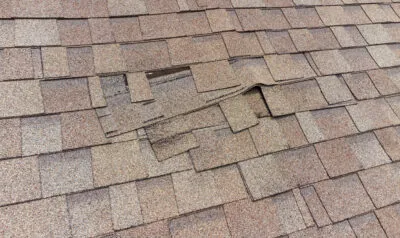
Wind damage to a roof isn’t always obvious. Sometimes it’s a handful of shingles scattered across the yard. Other times, it’s invisible from the ground but quietly letting moisture seep into the decking. Either way, the window between “minor issue” and “major expense” closes fast after a storm.
That compressed timeline is part of what makes wind damage particularly treacherous compared to other roof problems. A slow chimney leak gives you time to notice the ceiling stain, make the call, and schedule the repair on your terms. But when it comes to wind damage, shingles that look intact from your driveway may have had their adhesive seal broken, their tabs lifted and reset, their underlying felt torn.
The next rainfall reveals the breach. The one after that reaches the decking. By the time a water stain appears on your ceiling, you’ve often crossed from a repair conversation into a replacement one.
What Wind Damage to Roof Systems Actually Looks Like
Wind doesn’t hit your roof evenly. It creates uplift pressure, peeling materials away from edges and ridges first, then working inward. That’s why damage patterns often concentrate along the perimeter, at corners, and near the ridge line rather than in the center of large flat sections.
Visible Signs You Can Spot From the Ground
Missing shingles are the most obvious sign, but they’re far from the only one. Look for lifted or curled tabs, which indicate the adhesive seal has broken. You’ll also notice granule accumulation in gutters and at the base of downspouts, a sign that the protective coating on your shingles has been stripped away by wind-driven debris.
Damaged or displaced flashing around chimneys, vents, and valleys is another giveaway. Flashing doesn’t need to be completely torn off to fail. Even a slight lift creates an entry point for water.
Hidden Damage That Requires Closer Inspection
Not all wind damage is visible from your driveway. Sagging areas on the roofline can indicate that decking has been compromised underneath intact-looking shingles. Inside, check your attic for daylight peeking through, damp insulation, or water stains on the underside of the roof sheathing. Ceiling stains in living spaces often appear days or weeks after the initial storm, meaning you can’t rely on the absence of interior leaks as an all-clear signal.
There’s a big difference between cosmetic damage and functional damage. A few scuff marks from airborne debris may look alarming but don’t compromise your roof’s water resistance. Creased shingles, broken seal strips, and exposed underlayment are functional problems that need immediate attention. When filing an insurance claim, this distinction determines whether you get a payout or a denial.
What Wind Speed Causes Roof Damage?
A brand-new roof with properly sealed shingles handles 60 mph gusts very differently than a 15-year-old roof with aging adhesive. The amount of wind damage to your roof depends heavily on your shingle class, roof age, and installation quality.
Here’s a reference chart based on standard industry ratings.
| Wind Speed Range | Standard Shingles* | High-Wind Shingles** | Impact-Resistant*** |
|---|---|---|---|
| 39–57 mph | Vulnerable if aged or poorly installed; loose tabs lift | Generally secure; minimal risk | No expected damage |
| 58–74 mph (Severe Thunderstorm) | Missing shingles likely; flashing displacement | Minor lifting possible at edges and ridges | Minimal to no damage expected |
| 75–95 mph (Category 1 Hurricane) | Widespread shingle loss; structural risk at edges | Moderate damage; some shingle loss at vulnerable areas | Edge and ridge shingles may lift; overall integrity holds |
| 96+ mph (Category 2+) | Major to total shingle loss; decking exposure | Significant damage likely; potential decking exposure | Damage expected but reduced severity; best available performance |
*ASTM D3161 Class A/D | **ASTM D3161 Class F/H | ***UL 2218 Class 4
Keep in mind that these thresholds assume proper installation with correct nailing patterns. A Class F shingle installed with four nails instead of the required six won’t perform to its rating.
Roof geometry matters too: hip roofs handle wind far better than gable roofs because they deflect uplift rather than catching it like a sail. For homeowners in storm-prone coastal regions, the best roof for hurricanes is one engineered to resist wind uplift and pressure differentials, not just ordinary rain.
How to Inspect Your Roof’s Wind Damage Safely
After a storm, the urge to climb a ladder and check things out is understandable. Resist it. Storm-damaged roofs are unpredictable. Wet shingles are slippery, structural integrity may be compromised, and downed power lines create a serious electrocution risk.
However, there are some inspections most homeowners can do safely, and will be useful when calling a roofer or when filing an insurance claim:
Ground-Level Exterior Walkthrough
Grab your phone and walk the full perimeter of your home. Photograph everything: shingles on the ground, debris in the yard, visible gaps on the roof surface, damaged gutters, and displaced flashing. Zoom in on the ridge line, eaves, and rake edges since these are the areas most vulnerable to uplift. Note the date and time on every photo.
Check your gutters and downspouts for excessive granule buildup. Some granule loss is normal over a roof’s lifespan, but a sudden accumulation after a storm suggests shingles took a beating.
Interior and Attic Inspection
If possible, head into the attic with a flashlight. Look for new daylight coming through the decking, wet spots on insulation, or water tracking along rafters. If you see active dripping, that’s an emergency: you need tarping immediately.
In your living spaces, check ceilings and upper walls for fresh stains or bubbling paint. These signs often lag behind the actual damage event by days, so repeat this check over the following week. During that window, temporary roof leak repairs (tarping, interior drainage, and ceiling penetration sealing) can limit damage while you wait for a professional assessment.
When to Call a Professional Inspector
A professional roof-level inspection is necessary whenever you see ground-level evidence of damage, when your home is older than 15 years, or when your area received sustained winds above 58 mph. Licensed inspectors can identify compromised decking, failed fasteners, and underlayment issues that simply aren’t visible from the ground or attic.
What to Do After Wind Damages Your Roof
Speed matters after storm damage, but so does doing things in the right order. Skipping steps or acting too hastily (especially with contractors) can cost you thousands in uncovered repairs.
- Prioritize safety first. Stay away from downed power lines, avoid walking on the roof, and evacuate if you see structural sagging or a tree on your home. Tree impact damage often involves different priorities than wind damage alone.
- Document everything immediately. Photograph damage from multiple angles, capture wide shots and close-ups, and note the date, time, and weather conditions. Pull weather reports from NOAA or local news to confirm storm data.
- Contact your insurance company within 24–48 hours. Report the damage promptly. Delays can jeopardize your claim.
- Get a professional roof inspection. Have a licensed contractor assess the damage before the adjuster visit. Their report strengthens your claim.
- Apply temporary fixes to prevent further damage. Your roofer may use tarps secured with 2x4s and screws to cover exposed areas. Keep all receipts since your insurance policy typically reimburses reasonable emergency mitigation costs.
- Meet with the insurance adjuster. Be present during their inspection. Share your photos, contractor’s assessment, and weather documentation.
- Get written repair estimates. Obtain at least two to three estimates from licensed, insured contractors before agreeing to any work.
How Insurance Claims Work for Wind-Damaged Roofs
Wind and hail account for almost 40% of all property damage insurance claims, and insurance companies have specific processes and criteria for how they handle these claims.
ACV vs. RCV: Know Your Policy Before You File
Your payout depends heavily on whether you have an Actual Cash Value (ACV) or Replacement Cost Value (RCV) policy. ACV policies deduct depreciation, meaning your 12-year-old roof gets reimbursed at its current degraded value. RCV policies cover the full cost of replacing damaged materials with new equivalents.
The difference can be huge. A $15,000 roof replacement on an ACV policy for a 15-year-old roof might only pay out $5,000–$7,000 after depreciation. Check your policy now before you need to file.
What Adjusters Look For on Your Roof
Adjusters distinguish between wind damage and wear-and-tear. They look for random damage patterns (wind) versus uniform deterioration (aging). They check whether damaged areas correlate with vulnerable zones like edges and ridges. They also look for evidence that damage is recent: clean fractures, fresh exposure of underlayment, and granule loss patterns consistent with storm events rather than gradual weathering.
Having your own contractor’s report with photos, measurements, and cost estimates gives you leverage if the adjuster’s assessment seems low. You have the right to dispute their findings.
Wind Damage: Should You Repair or Replace Your Roof?
If damage affects less than 30% of the roof surface, the decking is intact, and the roof is under 15 years old, targeted repairs usually make sense. Minor wind damage repairs typically run $150–$500 for a few replaced shingles and resealed flashing.
You could be looking at a full roof replacement when damage is widespread, when you’re seeing exposed decking, or when your roof has already been patched multiple times. Repeated repairs on an aging roof are throwing money at a losing proposition. If your roof is approaching the end of its warranty period, a full replacement also lets you upgrade to impact-resistant shingles that may qualify for insurance premium discounts. The roof replacement process typically spans one to three days and involves several decision points around decking, flashing, and ventilation.
Extensive wind damage repairs involving structural work, decking replacement, and large-scale resheathing can cost $1,500–$8,000 or more depending on your roof size and material choices.
Storm Chaser Red Flags: Contractors You Should Never Hire
After a major storm, you may see contractors approaching affected neighborhoods to offer free inspections and suspiciously good deals. These storm chasers profit from volume, not quality, and they’ll be three states away when your repair fails six months later.
Watch for these warning signs:
- They show up uninvited, going door to door after a storm
- They pressure you to sign a contract immediately or “before the price goes up”
- They offer to cover your insurance deductible (this is illegal in most states)
- They can’t provide a local business address or permanent office
- They ask you to sign over your insurance claim directly to them
- They demand large upfront payments before starting any work
A legitimate contractor will carry local licensing, provide proof of insurance, and welcome your due diligence. They won’t rush you. When vetting roofers, choosing a roofing contractor after storm damage requires extra scrutiny. Licensing, insurance, local references, and warranty terms all matter more when solicitations are aggressive.
How to Prevent Future Wind Damage on Your Roof
The FORTIFIED Home standard is designed to keep roofs on during high-wind storms and qualifies homes for insurance discounts in multiple states. Prevention is always cheaper than repeated repairs.
Upgrading to Class 4 impact-resistant shingles is one of the highest-value investments you can make. These shingles withstand higher wind speeds and resist hail damage, and many insurance providers offer 10–28% premium discounts for homes with Class 4 roofing installed.
Beyond materials, installation quality drives wind resistance more than most homeowners realize. Proper six-nail fastening patterns, sealed starter strips at eaves, and reinforced flashing at all penetration points dramatically improve uplift resistance. Annual inspections that catch cracked sealant, lifted edges, and degraded flashing before storm season give you the best chance of surviving high winds without a claim. Trimming trees with branches within six feet of your roof eliminates one of the most common sources of storm damage.
Protect Your Roof Before the Next Storm Hits
Wind damage to your roof demands quick action, smart documentation, and a contractor you can trust long after the storm trucks leave town. The homeowners who fare best aren’t just the ones who respond fastest. They’re the ones who invested in quality materials, proper installation, and regular maintenance before the wind ever picked up.
Home Genius Exteriors specializes in storm damage repair and full roof replacements backed by Owens Corning Platinum Preferred Contractor certification and comprehensive warranties covering both labor and materials. If you suspect wind damage or want a professional assessment of your roof’s storm readiness, call today for a free inspection and estimate. The best time to prepare is before you need to.
Frequently Asked Questions
How soon after a windstorm should I schedule a roof inspection if I don’t see obvious damage?
Ideally, schedule an inspection within the first few days, especially if your neighborhood experienced strong gusts or you have an older roof. Early inspections help you catch subtle issues before the next rain event turns them into interior damage.
What should I do if my insurance adjuster denies the claim or says the damage is normal wear and tear?
Request the denial rationale in writing and compare it to your contractor’s documentation. If you disagree, you can submit additional evidence, ask for a reinspection, or escalate through your insurer’s dispute process.
How can I choose between repairing my roof now or replacing it proactively?
Consider your roof’s remaining service life, how many prior repairs it has, and whether matching materials will be available for a clean repair. A roofer can provide a side-by-side cost and risk comparison, including how each option affects warranties and future insurability.
What questions should I ask a roofing contractor after a storm?
Before you sign anything, ask who will be on-site managing the project, what the estimated start and completion dates are, and what workmanship warranty is included. Also confirm how change orders are handled and whether they’ll provide a detailed scope of work line by line.
How do I protect my home if repairs are delayed due to material backorders or scheduling?
Focus on keeping water out by maintaining temporary coverings and making sure gutters and downspouts are clear so runoff moves away from the home. Document any interim mitigation work and communicate with your contractor in writing about timelines and next steps.
Are there building code or permit requirements for wind-related roof repairs?
Many municipalities require permits for significant repairs or full replacements, and codes can mandate specific underlayment, ventilation, or fastening standards in wind-prone zones. Your contractor should pull the permit when required and explain what code upgrades are triggered by the scope of work.
How can I prepare for a smoother insurance claim before the next storm happens?
Keep a simple home file with recent roof photos, maintenance records, and your policy details in a place you can access quickly. Knowing your deductible and coverage endorsements ahead of time helps you make faster, more confident decisions when a storm hits.