What Is A Soffit And Why Is It Important For Your Home?
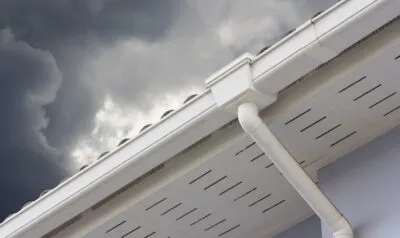
That narrow panel tucked beneath the eave where your roof extends past the wall? That’s the soffit. It might look like a minor cosmetic detail, but it serves as your attic’s first line of defense against moisture, pests, and heat buildup.
Most homeowners never think about the underside of their roof overhang until something goes wrong. A wasp nest appears, paint starts peeling in the attic, or mysterious moisture stains creep across the ceiling. Learn what a soffit is (and the role it plays in your home’s exterior) to avoid thousands of dollars in preventable damage and help you make smarter decisions when repairs become necessary.
What Is a Soffit on a House?
A soffit is the finished material that covers the underside of your roof’s overhang, also called the eave. It bridges the gap between your exterior wall and the roofline, creating a clean, enclosed look while performing several protective functions.
Without a soffit, your roof rafters, attic space, and the backside of your roof decking would sit exposed to the elements. Rain would blow into the attic. Birds, squirrels, and insects would nest freely inside your roof structure. The soffit seals that vulnerable opening while still allowing controlled airflow when vented panels are installed.
How the Soffit Connects to Other Roof Components
Your soffit doesn’t work in isolation. It’s one piece of a system that includes the fascia board (the vertical trim along the roof edge), the drip edge, gutters, and other parts of the roof that protect your home’s structure. When one component fails, the others tend to follow. A rotting fascia board, for example, often lets water reach the soffit behind it, accelerating damage to both.
What’s the Difference Between Soffits and Fascia?
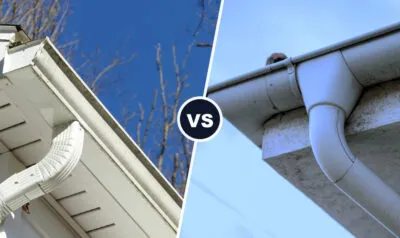
People often confuse soffits and fascia because they sit right next to each other. Here’s the simplest way to think about it: the fascia is the vertical “face” board at the edge of your roof. The soffit is the horizontal panel underneath the overhang. They share different jobs, different failure patterns, and sometimes different materials.
| Feature | Soffit | Fascia |
|---|---|---|
| Location | Horizontal, under the eave | Vertical, along the roof edge |
| Primary Function | Attic ventilation and pest protection | Supports gutter system and seals roof edge |
| Common Materials | Aluminum, vinyl, wood, fiber cement | Wood, aluminum, PVC composite |
| Typical Damage Signs | Peeling paint, mold, pest entry holes | Rot, warping, gutter pulling away |
| Avg. Repair Cost | $300–$800 | $400–$1,200 |
Both components need to stay in good shape for your roofing system to function properly. Replacing one while ignoring the other is a common mistake that leads to repeat repairs within a few years.
Vented vs. Non-Vented Soffits: How Your Choice Affects Attic Health
This is where soffits earn their keep. Vented soffits contain small perforations or slots that allow outside air to flow into your attic. That airflow travels upward and exits through ridge vents or roof vents near the peak, creating a continuous cycle that regulates temperature and removes moisture.
Why Proper Attic Ventilation Starts at the Soffit
Poor attic ventilation causes ice dams in winter, excessive heat buildup in summer, and year-round condensation that breeds mold. Code generally requires 1 square foot of net free ventilation area for every 150 square feet of attic floor space, though that ratio drops to 1:300 when balanced intake and exhaust vents are present. Your soffit vents handle the intake side of that equation.
Non-vented (solid) soffits have their place too. You’ll typically find them on covered porches, carports, or sections of overhang where ventilation isn’t needed. However, if your entire home uses non-vented soffits, your attic is almost certainly underventilated.
Not sure if your soffits are vented? Look up from ground level. You should see tiny holes, narrow slots, or a perforated pattern. If the panels look completely smooth and solid around your living spaces, that’s a red flag worth investigating.
How Much do Soffit Materials Cost?
Your material choice affects durability, maintenance requirements, appearance, and cost. Here’s a breakdown of the four most common options.
Aluminum Soffits ($3-$6 per linear foot)
Aluminum is arguably the best all-around soffit material for most climates. It resists moisture, won’t rot, and holds paint well. It’s lightweight enough for straightforward installation and comes in vented or solid panels. The main downside? Aluminum dents if struck by a ladder or debris, and those dents are difficult to repair without replacing the full panel.
For homeowners in humid or coastal areas, aluminum’s corrosion resistance makes it a strong choice.
Vinyl Soffits ($2-$4 per linear foot)
Vinyl costs the least upfront and never needs painting. However, it becomes brittle in extreme cold and can warp under intense sustained heat. If you live in a moderate climate and want a low-maintenance budget option, vinyl works fine. Vinyl isn’t a good fit for regions with harsh temperature swings.
Wood and Fiber Cement ($4-$9 per linear foot)
Wood soffits offer a classic look, especially on older or historic homes. They require regular painting or staining to prevent rot. Fiber cement sits at the premium end and delivers exceptional durability with minimal maintenance, though it’s heavier and harder to install.
| Material | Cost/Linear Ft | Lifespan | Maintenance | Best For |
|---|---|---|---|---|
| Aluminum | $3–$6 | 30–40 years | Low | Most climates |
| Vinyl | $2–$4 | 20–30 years | Very low | Moderate climates |
| Wood | $4–$8 | 15–25 years | High | Historic homes |
| Fiber Cement | $5–$9 | 40–50 years | Low | High-end durability |
Signs of Soffit Damage
Soffit problems rarely announce themselves dramatically. They creep in slowly, and by the time you notice, the damage may extend well beyond what’s visible. Here’s what to watch for during a twice-yearly inspection:
- Peeling or bubbling paint on soffit panels (moisture trapped behind the surface)
- Visible mold or dark staining on the underside of the overhang
- Sagging or warped panels that no longer sit flush
- Small holes or chew marks indicating pest intrusion
- Flaking or crumbling material around edges, especially with wood soffits
If you spot any of these, don’t wait. Moisture entering your attic through compromised soffits can damage your roof underlayment and insulation, turning a minor soffit issue into a major roof repair.
Soffit Repair vs. Replacement: Cost Breakdown
Minor soffit damage, like a single cracked panel or a small pest entry point, typically qualifies for a repair. You’re looking at $300–$800 for most targeted fixes, depending on accessibility and material matching.
Widespread rot, major pest damage, or outdated non-vented soffits across the entire home call for full replacement. Whole-house soffit replacement generally ranges from $1,500–$5,000+ depending on your home’s size, material choice, and labor rates in your area. Two-story homes with complex rooflines cost more due to scaffolding and additional labor time.
Here’s a rule: if damage covers more than 30% of your total soffit area, replacement usually makes more financial sense than patching. Repairs on heavily degraded material tend to fail within a few years, making any initial savings disappear.
Proper attic insulation also plays a role here. When you’re already replacing soffits, it’s the ideal time to evaluate whether your attic insulation is performing as it should, since both systems work together to regulate your home’s temperature and moisture levels.
Ready to find out where your soffits stand? Home Genius Exteriors offers free inspections and estimates to help you understand the scope of any damage and make the right call between repair and replacement.
Annual Soffit Care Checklist
Consistent maintenance extends soffit lifespan regardless of material. Gibraltar Building Products’ Air Vent brand recommends 1 square foot of attic ventilation for every 150 square feet of attic floor space, divided evenly between intake and exhaust, to maintain the airflow that protects soffits from moisture damage.
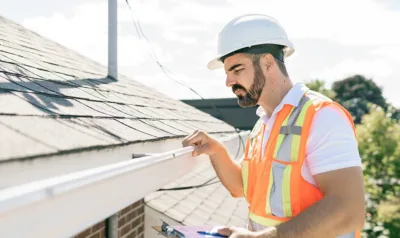
Twice a year (spring and fall), walk the perimeter of your home and look up. You’re checking for the damage signs listed above, but also confirming that vented soffits aren’t blocked by insulation, debris, or wasp nests. Clean soffit vents with a garden hose to remove dust buildup that restricts airflow.
For wood soffits specifically, reapply paint or sealant every three to five years. Touch up any bare spots immediately, since exposed wood absorbs moisture fast.
Protect Your Home Starting at the Roofline
Your soffit may be out of sight, but its impact on your home’s health is hard to overstate. From ventilating your attic to blocking pests and moisture, this unassuming panel does critical work every day. Regular inspections, prompt repairs, and the right material choice keep that protection intact for decades.
If you’ve noticed warning signs or your home still relies on aging non-vented soffits, now is the time to act. Call Home Genius Exteriors today for a free inspection and estimate to get a clear picture of your soffit’s condition and a plan to keep your home protected.
Frequently Asked Questions
Can I install or replace soffits myself, or should I hire a pro?
For two-story homes, complex rooflines, or any situation involving suspected water intrusion, a licensed contractor is safer and helps ensure proper venting and flashing details. Even for a single-story home or a seemingly simple job, hire a professional to avoid any issues.
How do I calculate how much soffit material I need for my home?
Measure the length of each eave run and add them together to estimate total linear footage, then confirm the panel width used by the product you select. It’s a good idea to add extra for waste, off-cuts, and future repairs, especially around corners and angles.
Do soffit vents work properly if my attic has no baffles or rafter vents?
Not always, because insulation can block the air path right where fresh air should enter the attic. Installing baffles (also called ventilation chutes) keeps the intake channel open from the soffit up into the attic, improving airflow consistency.
Can soffit issues be caused by clogged gutters or poor drainage?
Yes, overflow or backflow from clogged gutters can soak the roof edge and repeatedly wet adjacent trim, creating conditions that accelerate deterioration near the eaves. Keeping gutters clean and making sure downspouts discharge away from the foundation helps reduce recurring moisture exposure at the roofline.
What is the best way to keep pests out without blocking ventilation?
Use corrosion-resistant insect screen or a purpose-built vented soffit with integrated mesh, and seal gaps at joints and corners with exterior-rated materials. Avoid stuffing vents with foam or caulk, since that can restrict airflow and create new moisture problems.
Will replacing my soffit change my home’s exterior look, and can I match existing trim?
Yes, soffit profile, vent pattern, and color can noticeably affect curb appeal, especially on homes with deep overhangs. Contractors can usually color-match existing fascia and trim, or you can intentionally update the palette for a cleaner, more modern roofline.
Do homeowners insurance policies typically cover soffit repair or replacement?
Coverage depends on the cause, sudden storm or impact damage is more likely to be covered than long-term wear, rot, or deferred maintenance. Document the issue with photos and ask your insurer about the specific peril involved before scheduling major work.