How Much Does Attic Insulation Cost?
Attic insulation cost quotes run anywhere from about $1,500 to more than $12,000. How do you know if it’s fair or accurate?
The reason for this big range of figures is because insulation jobs come in a variety of shapes and sizes. One quote could be pricing for blown-in fiberglass across an open attic floor, while another is pricing closed-cell spray foam on the underside of a roof deck.There’s also the cost of tearing out and disposing of old insulation. Once you know which job you’re being quoted for, the price range makes a lot more sense.
How Much Does Attic Insulation Cost?
Professionally installed attic insulation costs $1 to $7 per square foot, or $1,500 to $6,000 for most homes. Blown-in fiberglass or cellulose over an open attic floor costs the least, at roughly $1 to $4 per square foot installed. Spray foam costs the most, and if your attic insulation job needs old material removed, that adds a separate line item.
Why Online Attic Insulation Prices Seem Inconsistent
Four things change the price:
The material: Blown-in fiberglass and cellulose are the cheapest. Batts cost slightly more because installing them takes longer. Closed-cell spray foam is the most expensive option by a wide margin, and it’s the reason you see five-figure quotes in search results.
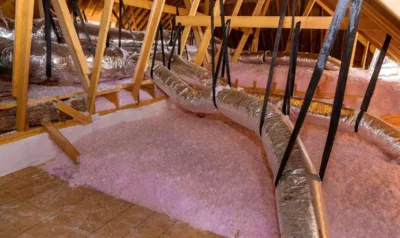
The work included: “Attic insulation” can mean blowing new material over what’s already there, or it can mean removal, cleanup, air sealing, baffles, and then the actual insulation.
The surface being insulated: Insulating the attic floor is the standard job. Insulating the underside of the roof deck, which turns the attic into conditioned space, costs considerably more because it takes much more material.
The R-value being installed: This is the biggest of the four. R-value is the rating on insulation that says how well it slows heat moving through it. A higher R-value means more insulation, and with the same material, a thicker layer. One national estimate puts a 1,000-square-foot attic at $368 to $520, but that price is for R13 (a thin layer). The levels recommended for most of the country run R30 to R60 depending on your climate zone, which takes two to five times as much material.
A quote is only comparable to another quote when they match all four items above. Check that they cover the same material, the same amount of work, the same surface, and the same finished R-value.
How Much Attic Insulation Costs by Attic Size
The table below applies the approximate blown-in range of $1 to $4 per square foot to four common attic sizes.
| Attic size | Installed cost at $1/sq ft | Installed cost at $4/sq ft |
|---|---|---|
| 500 sq ft | $500 | $2,000 |
| 1,000 sq ft | $1,000 | $4,000 |
| 1,500 sq ft | $1,500 | $6,000 |
| 2,000 sq ft | $2,000 | $8,000 |
Smaller attics often cost more per square foot than the low end of this table. A crew still has to arrive, set up a blowing machine, mask off the access, and clean up afterward, and that fixed cost is spread across fewer square feet.
Which Insulation Material Is Right for Your Attic?
Blown-In Fiberglass and Cellulose
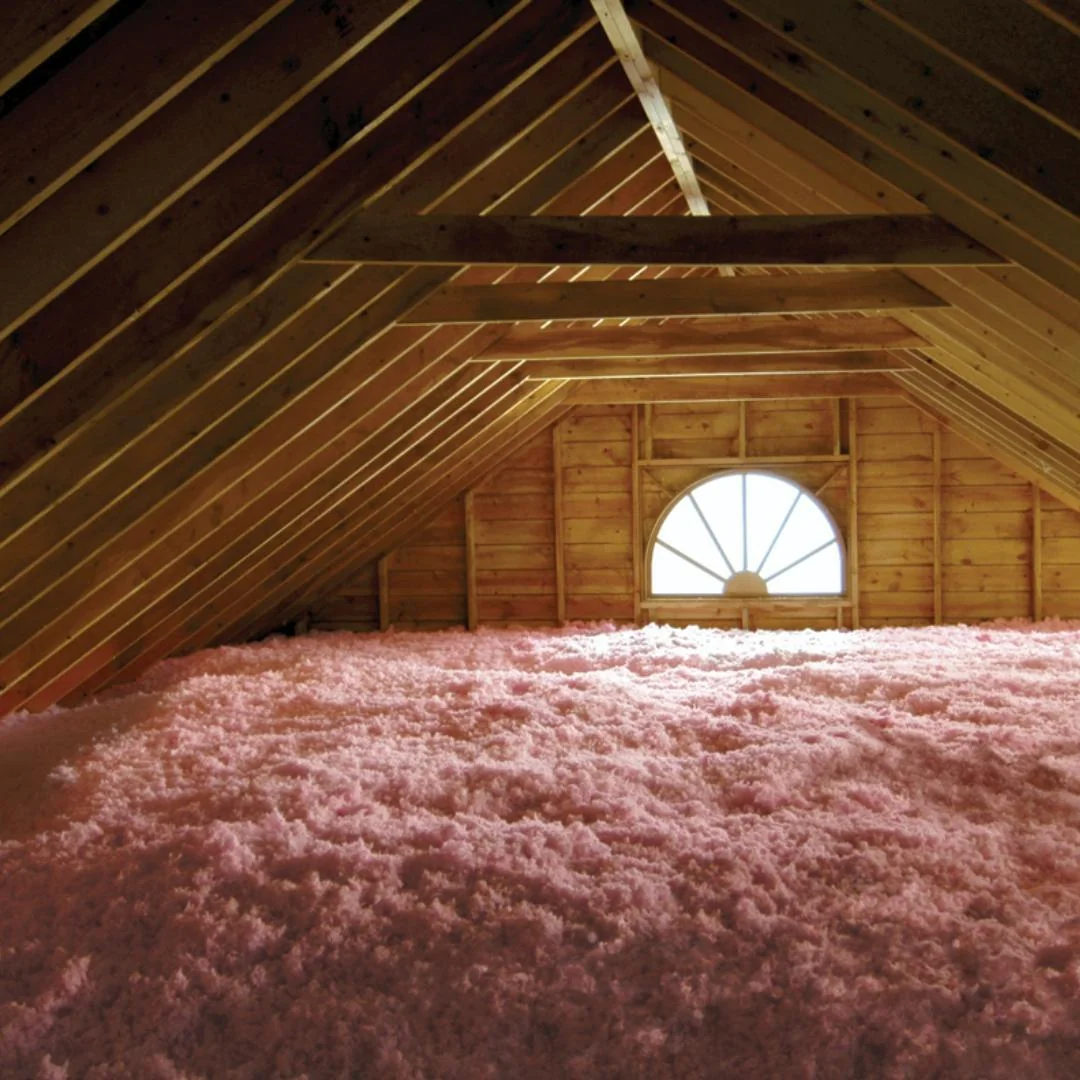
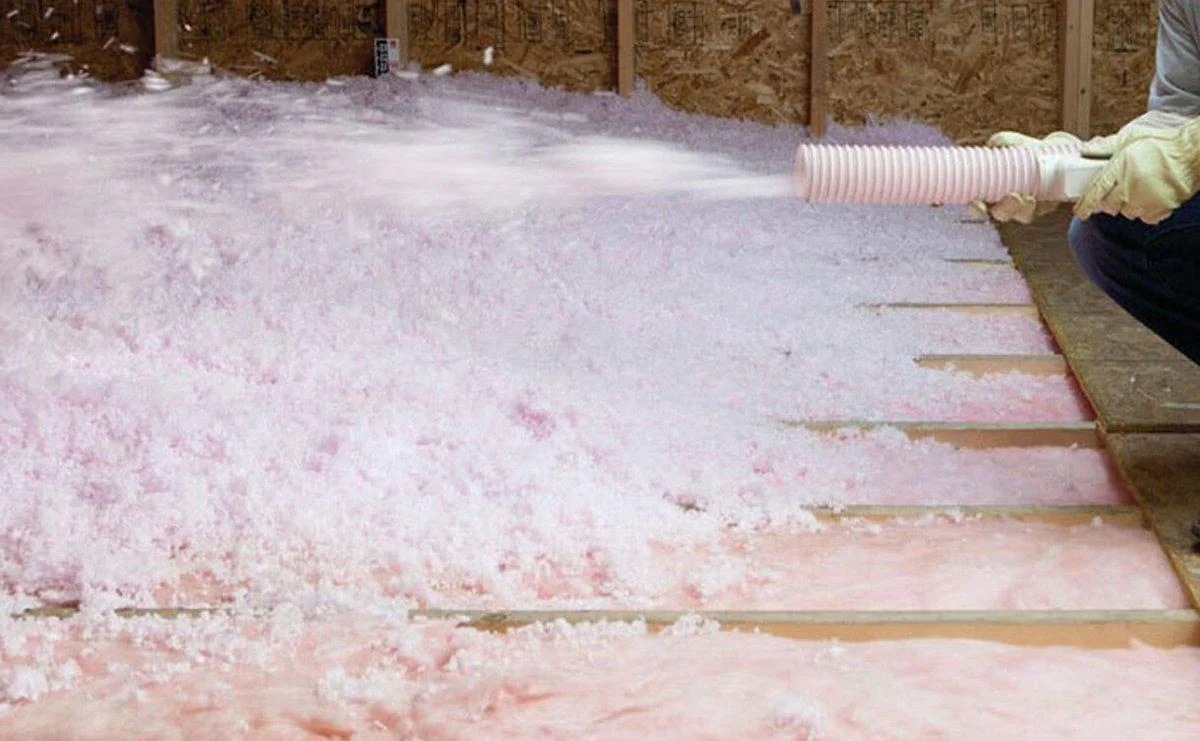
These two cover most attic floors. A machine blows loose material through a hose so it settles around wiring, framing, and the awkward corners that a rigid product can’t reach. Both are among the cheapest options, but they can still reach the depth required by your climate.
Fiberglass and Mineral Wool Batts
Batts are pre-cut blankets that sit between the joists (the horizontal framing members that make up the attic floor). They work well where joist spacing is consistent and there’s little in the way. They cost more to install than blown-in material because the crew is cutting and fitting by hand. Mineral wool, made from spun rock fiber, costs more again in exchange for better fire resistance and sound dampening.
Spray Foam
Spray foam expands on contact and hardens into a layer that insulates and seals air leaks at the same time. Closed-cell foam gives you the most insulating value in the least thickness, which makes it the right answer where depth is limited: a cathedral ceiling, a knee wall, or a roof deck you’re converting to conditioned space.
On an ordinary attic floor, it’s usually more product than the job needs. You have unlimited vertical room up there, so you can simply blow loose material deeper and reach the same thermal target for a fraction of the price. That’s the most common way homeowners overspend on an attic.
Other Factors That Affect Attic Insulation Cost
Removing the Old Insulation
If the existing roof and attic insulation is wet, compacted, mold-damaged, or contaminated by rodents, it needs to come out before anything new goes in. Removal is quoted separately, and it’s the most common reason a bid comes back higher than a neighbor’s. Where the existing layer is dry and intact, new material usually goes straight over the top.
Air Sealing
Air sealing means closing the gaps where heated and cooled air escapes into the attic: around plumbing stacks, wiring penetrations, recessed light housings, and the top plates of interior walls. If you skip air sealing, your new insulation may underperform because air moving through a gap carries heat past insulation that was only designed to slow heat moving through it.
Access and Headroom
A pull-down stair into a tall open attic is easy to work with. A small hatch in a closet ceiling that leads to a space you can’t stand up in? The access and work takes longer, and the quote will reflect this.
Baffles and Ventilation
Positioned at the eaves, baffles maintain an unobstructed pathway for air to travel from the soffit vents to the ridge, preventing insulation from obstructing airflow. They’re needed because attic ventilation carries moisture out of the roof assembly. Blocking those vents with fresh insulation causes condensation, and condensation rots decking.
Knee Walls, Cathedral Sections, and Ductwork
Short vertical walls where a sloped roof meets the floor, sloped ceiling sections, and any HVAC equipment or ducting in the attic all mean the crew is working around obstacles instead of across open floor. Each one adds hours to the project.
How Much Insulation Does Your Climate Zone Need?
The right R-value target depends on where you live.
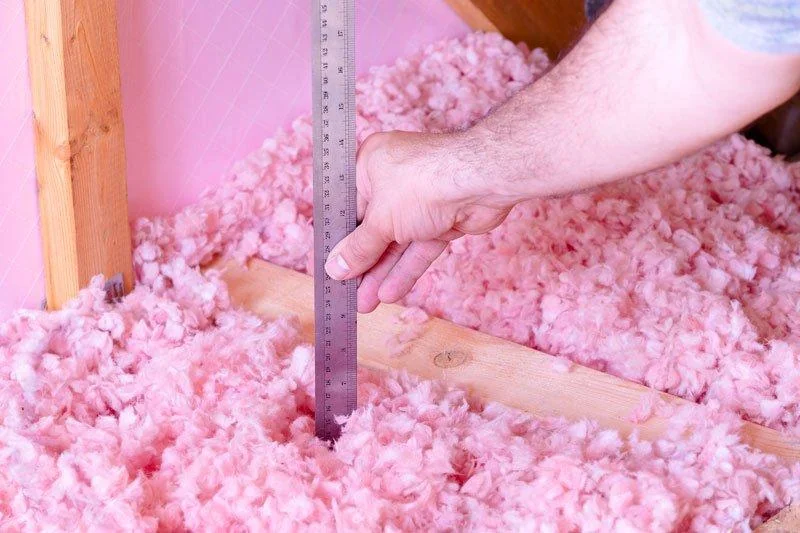
The recommended levels for retrofitting an existing wood-framed home start at R30 in Zone 1, the warmest part of the country, R49 in Zones 2 and 3, and R60 across Zones 4 through 8, which covers most of the northern half of the United States.
Those are the targets for an attic with nothing in it. If you already have three or four inches of insulation, the recommended additions drop to R25 in Zone 1, R38 in Zones 2 and 3, and R49 from Zone 4 north, because the existing layer is already doing part of the work. Check which situation you’re in before you price anything, since the quotes may differ by thousands of dollars.
A professional attic inspection will give you your starting point, since depth alone doesn’t tell you the R-value without knowing the material.
How Much Money Does Attic Insulation Save?
For most homes with an under-insulated attic, it’s enough to show up on the bill. Air sealing and adding insulation in attics, floors over crawl spaces, and accessible basement rim joists saves a household an average of 15% on heating and cooling costs, or about 11% of total energy costs.
You’ll usually notice the comfort change before you see it on the bill. Rooms directly under the attic stop running hot in summer and cold in winter, and the furnace and air conditioner cycle less and the energy bills follow. In cold climates, ice dams along the roof edge get smaller or disappear.
Can You Still Claim a Tax Credit for Attic Insulation?
No. The federal 25C Energy Efficient Home Improvement Credit covered insulation and air sealing at 30% of cost against a $1,200 annual cap, but only for “improvements made through December 31, 2025.” It doesn’t apply to work done now.
Check the date on anything telling you to expect 30% back; the credit ended with the 2025 tax year. You may be able to access local utility rebates for insulation and air sealing, and state weatherization assistance programs for households that qualify based on income. Your utility’s website is the place to start.
Signs Your Attic Needs More Insulation
- Rooms directly below the attic are hotter or colder than the rest of the house
- Heating and cooling bills go up while your habits haven’t changed
- Ice builds up along the roof edge in winter, which means heat is escaping through the attic and melting snow from underneath
- You can see the tops of the floor joists when you look through the hatch, meaning the insulation is shallower than the framing
- The material looks flattened, gray, or damp
Two or more of those together usually means the attic is costing you money every month.
Why Attic Insulation Isn’t a Weekend Project
Almost everything that separates a good insulation job from a bad one becomes invisible the moment the work is finished. Air leaks that never got sealed, soffit vents buried under loose fill, depth that runs thin at the far end of the attic, batts crushed around a duct: none of it shows, and all of it cuts the performance you paid for.
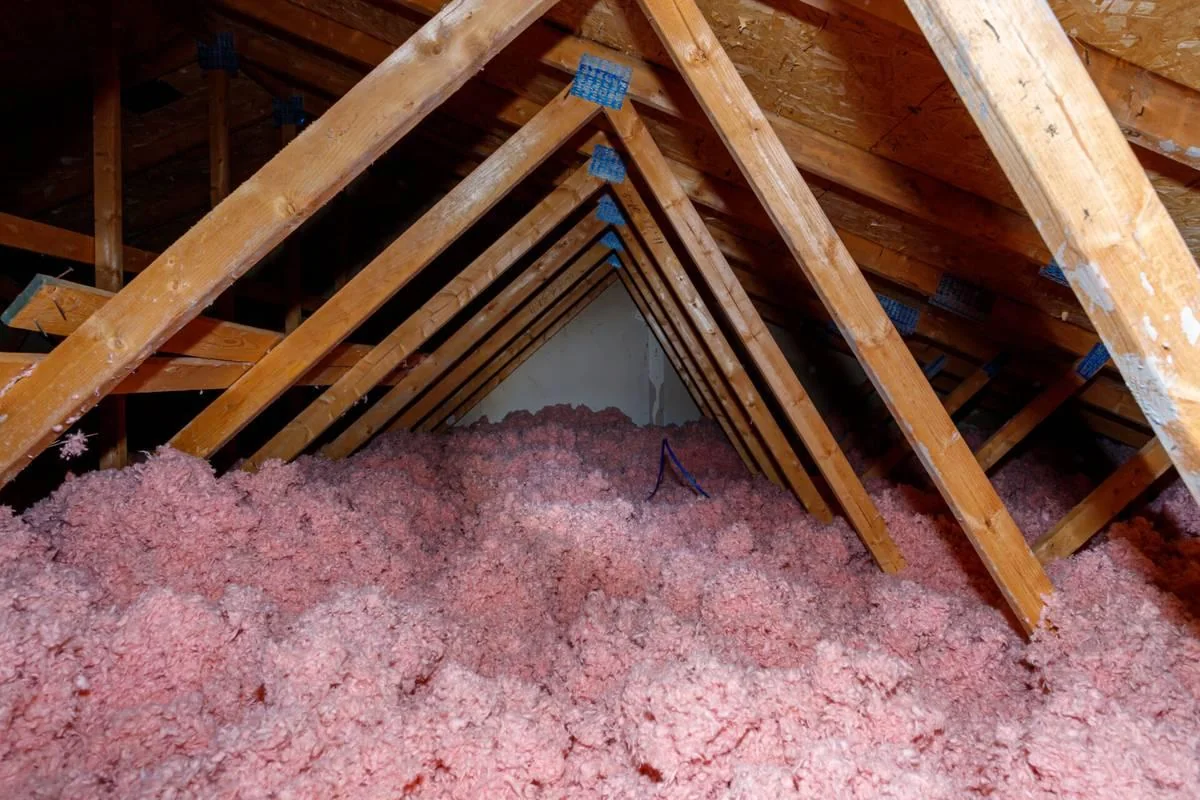
There’s a safety side too. Attic work means moving across joists with no floor between them, in a space that gets dangerously hot in summer, often around old wiring and fixtures that need clearance from insulation.
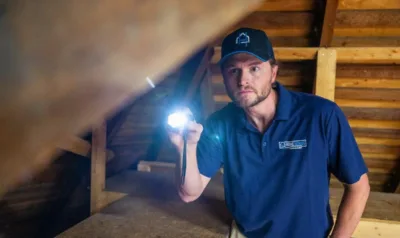
Home Genius Exteriors provides a free, no-obligation attic inspection and estimate. A Home Remodeling Expert goes into the attic, measures what’s there, checks the ventilation and the air sealing, and uses infrared thermometer readings to find where the house is losing energy, then builds the estimate around what the attic needs. Schedule your free inspection today.
Frequently Asked Questions
How much does it cost to insulate a 1500 sq ft attic?
At a typical installed rate of $1 to $4 per square foot for blown-in insulation, a 1,500-square-foot attic works out to roughly $1,500 to $6,000. The price goes up if you need to remove old insulation first or use spray foam instead.
What is the cheapest way to insulate my attic?
Blown-in fiberglass or cellulose over the existing attic floor is the least expensive (and usually the most sensible) approach. Always make sure that you include air sealing at the bare minimum, because insulation installed over unsealed gaps never delivers on its rated performance.
Is insulating my attic worth it?
For most under-insulated attics, yes. Air sealing plus added insulation saves an average of 15% on heating and cooling costs, and the comfort difference in rooms under the attic usually shows up right away.
What time of year is insulation cheapest?
Pricing doesn’t change much by season, but scheduling does. Late spring and early fall tend to have more availability than the weeks after the first cold snap, when everyone calls at once. The bigger cost of waiting is another heating or cooling season paying to condition air that escapes through the attic.