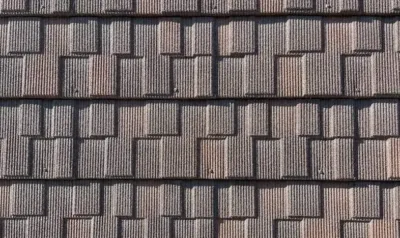
How Long Do Metal Roofs Last?
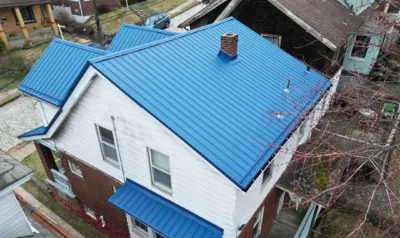
Metal roofs last between 40 and 70 years depending on the specific product, type of metal and local conditions. The range is wide because “metal roof” covers several different types: steel or aluminum, painted or bare, and held down by screws through the face of each panel or by fasteners hidden under the seams.
The house’s location and how the roof is maintained can also affect a metal roof’s lifespan. Salt air near the coast, heavy snow, and hail each cause wear, and loose screws or clogged valleys that go unchecked can shorten the life of a roof that should theoretically last for decades.
| Material/Panel Type | Expected Lifespan |
|---|---|
| Galvalume®-coated Steel Panels | 40 to 60+ years |
| Aluminum Panels | 40 to 60+ years |
| Standing Seam (Advantage-Lok II) | 50 to 70+ years |
| Copper/Zinc | 80 to 100+ years |
Here’s a breakdown:
- Galvalume®-coated steel panels typically offer a service life of 40 to 60 years, with many installations surpassing 70 years under real-world conditions. Galvalume® combines the strength of steel with the corrosion resistance of aluminum and zinc, making it one of the most durable roofing materials available.
- Aluminum panels also provide 40 to 60 years of reliable protection. Aluminum’s natural corrosion resistance makes it ideal for coastal or high-moisture environments where salt air can rapidly deteriorate other materials.
- Premium standing seam panels, such as Advantage-Lok II, often push roof lifespans toward the 60 to 70+ year range. The watertight design and durable coatings protect against extreme weather and aging.
When properly installed and maintained, a metal roof can easily outlast multiple generations of traditional asphalt shingle roofs.
Why Metal Roofs Last So Long
Several factors contribute to the remarkable longevity of metal roofs:
Corrosion Resistance
The Galvalume® coating on steel panels offers superior protection against rust, corrosion, and general weathering. This alloy coating forms a durable barrier so the underlying steel remains structurally sound for decades. Advanced paint systems like Signature® 200 and Signature® 300 provide further defense, maintaining aesthetic appeal while shielding against environmental wear.
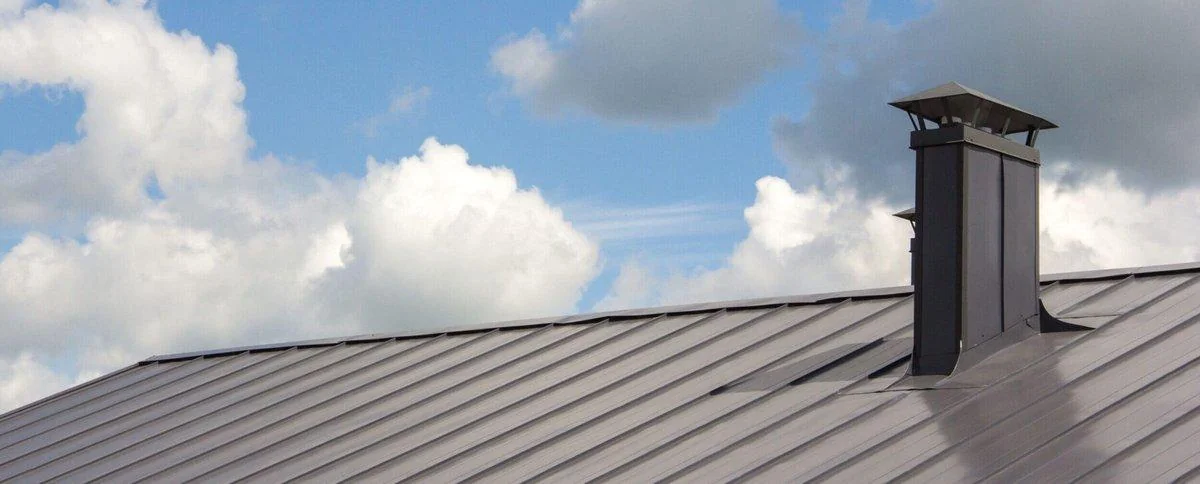
A study of unpainted steel standing seam roofs with the same aluminum and zinc coating put their expected service life at more than 60 years across a wide range of climates.
Impact and Fire Resistance
Metal roofing panels are among the highest-rated roofing materials for fire and wind resistance in UL testing. Material choice is one of the biggest factors in how long a roof lasts. Metal roofs are non-combustible, providing peace of mind against wildfire risks. They’re also impact-resistant, standing up to hail, falling debris, and severe weather events better than most other roofing materials.
Low Maintenance
One of the major advantages of metal roofing is how little upkeep it requires. Thanks to corrosion-resistant materials and high-performance coatings, metal roofs need few repairs or touch-ups over their lifetime. Annual inspections and occasional cleaning are generally all that’s needed to keep your roof in top condition.
In practice, metal roof maintenance means clearing leaves and branches out of the valleys and gutters so water keeps draining, checking the sealant around chimneys and vents, and touching up any scratch that reaches bare metal so rust can’t form. Air-dry touch-up paint is sold for minor scratches in the factory finish, so a small scratch doesn’t mean replacing a panel. Most of that work happens in spring and fall.
Energy Efficiency
Metal roofs can also lower energy costs. Reflective coatings help deflect sunlight, reducing heat absorption. This can lower cooling costs and, more importantly, reduce thermal stress on the roof system itself. By minimizing the expansion and contraction cycles caused by temperature changes, the materials stay more stable and last longer.
Many metal roof paints, like Signature® 200, come in cool roof colors, which reflect more sunlight than ordinary paint of a similar shade, so the roof doesn’t have to be white to stay cooler in summer.
How Long Does a Metal Roof Last Compared to Shingles?
Asphalt shingle roofs generally last 15 to 30 years: about 15 to 20 for basic 3-tab shingles and 20 to 30 for architectural shingles (the thicker, layered style most homeowners choose today). A metal roof lasts 40 to 70 years, so it covers the same stretch of time as two or three shingle roofs.
A metal roof costs more to install than asphalt, but a homeowner who stays in the same house for 40 years would have to replace the roof.
What Factors Affect the Lifespan of a Metal Roof?
Several things can influence the lifespan of a metal roof. The most important considerations include:
- Metal Type and Coating: Premium metals like aluminum, zinc, and copper last longer than bare steel. Protective coatings such as Galvalume® or galvanized finishes prevent rust and corrosion.
- Installation Quality: A professional installation with the right fasteners, underlayment, and flashing ensures weather resistance and structural integrity. Poor installation can lead to leaks and premature wear.
- Climate and Environment: Roofs exposed to coastal salt air, heavy snow, or acidic rain require corrosion-resistant materials and coatings to maintain their lifespan.
- Maintenance Practices: Regular inspections, cleaning debris from valleys and gutters, and addressing scratches or loose fasteners help extend roof longevity.
- Paint System and Finish: High-quality paint systems like Kynar 500 or PVDF protect against UV fading, chalking, and oxidation, keeping the roof’s appearance and performance intact for decades.
- Roof Slope and Ventilation: The right pitch and enough attic ventilation reduce moisture buildup and heat retention, preventing structural damage over time.
By selecting the right materials, professional installation, and periodic roof maintenance, homeowners can maximize the performance and lifespan of their metal roof for decades.
Metal Roof Panel Styles and Their Durability
Metal roofing comes in several panel styles, and these four are common on homes:
- MasterRib® Panels: Popular for residential and light commercial applications, these panels combine classic looks with rugged strength using high-quality Galvalume® steel.
- 5V Panels: This traditional, charming panel style is often used for historic or coastal homes and offers the same impressive corrosion resistance and long service life.
- 7/8″ Corrugated Panels: Known for their strength and versatility, corrugated panels are ideal for areas that face heavy snow loads or harsh weather.
- Advantage-Lok II (Standing Seam) Panels: Offering a sleek, modern look, Advantage-Lok II standing seam panels use concealed fasteners and watertight seams to provide maximum weather protection and durability.
Each style is constructed with heavy-gauge steel or aluminum and finished with durable paint systems, resulting in decades of reliable performance and minimal aesthetic fading.
Gauge is the thickness of the steel, and a lower number means a thicker panel. Residential steel panels like these come in gauges from 22 to 29, and Advantage-Lok II is also available in aluminum. Every style comes in Signature® 200, a silicone-modified polyester paint, and Advantage-Lok II and the 7/8″ corrugated panels can also be ordered in Signature® 300, a PVDF paint made with the Kynar 500 resin listed above under Paint System and Finish.
Standing Seam vs. Screw-Down Metal Roofs: Which Lasts Longer?
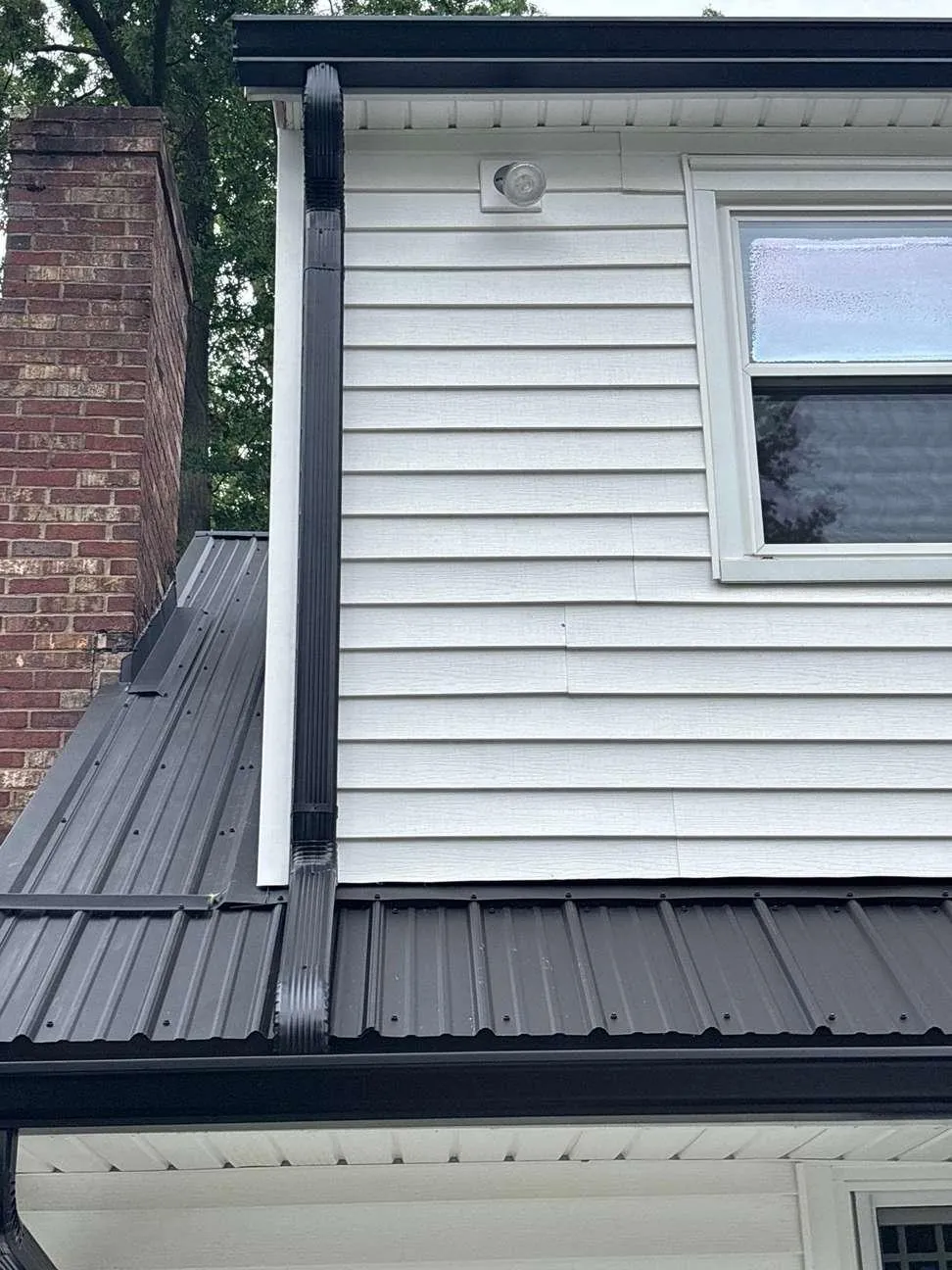
Three of the four panel styles above are screw-down panels: MasterRib®, 5V and 7/8″ corrugated. The screws go straight through the face of each panel into the roof deck (the wood layer under the panels), and each screw has a rubber washer that seals the hole around it. Advantage-Lok II is a standing seam panel. Its fasteners are hidden beneath the raised seams where the panels lock together, so no screw goes through the part of the panel that’s exposed to rain.
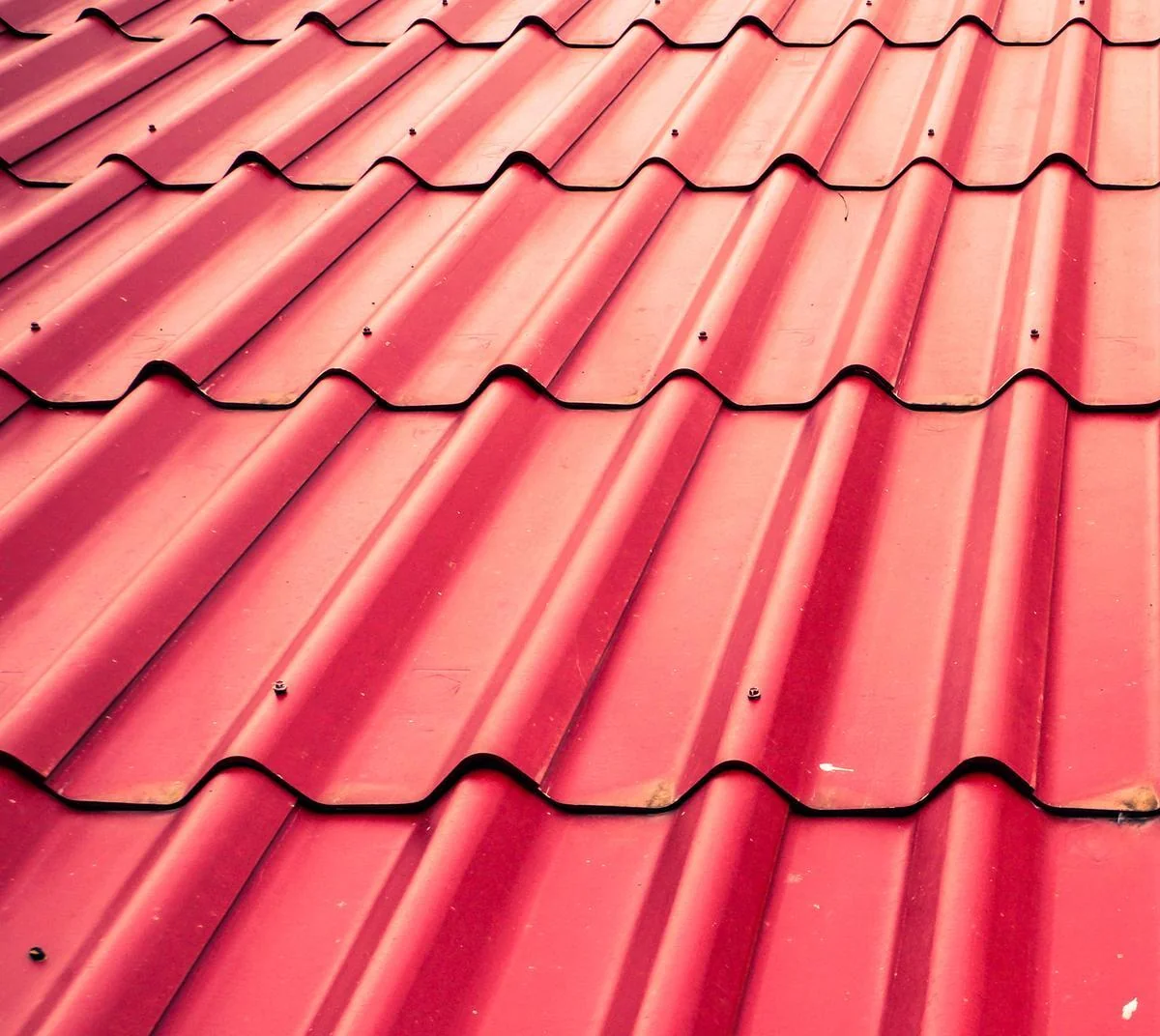
Both standing seam and exposed fastener roofs last for decades, and the difference between them is upkeep. The steel on a screw-down roof lasts longer than the rubber washers, which age in the sun faster than the screws. Because those panels are fastened tight, the screws can also work loose over the years as the metal expands and contracts with the temperature. That’s why an inspection on a screw-down roof includes checking the screws and replacing any washers that have worn. A standing seam roof is attached with clips that let the panels move, so it needs the least fastener upkeep.
Screw-down panels cost less up front. Installed prices are about $5 to $9 per square foot for corrugated steel, compared with $10 to $17 per square foot for standing seam steel. If you plan to stay in the house for decades, standing seam is the lower-maintenance choice. If the budget is tighter, a screw-down roof still lasts for decades, as long as the screws are checked at each inspection.
How to Make a Metal Roof Last Longer
While the materials themselves are engineered for longevity, getting the most out of a metal roof still depends on a few important factors:
Professional Installation
Installation quality is critical for maximizing the lifespan of a metal roofing system. A trained crew following the manufacturer’s installation instructions will make sure the panels are correctly fastened, flashed, and sealed to resist wind uplift, leaks, and long-term wear.
Regular Inspections
Even though metal roofs require minimal maintenance, annual inspections are recommended. These inspections can catch small issues, such as loose fasteners, minor sealant wear, or accumulated debris, before they become bigger problems. You should quickly address any concerns to help your roof achieve (or even exceed) its expected service life. When repairs no longer make sense, a full roof replacement restores that protection for your home.
Schedule a roof inspection each year and again after any storm that brings large hail or high wind, whether or not anything looks wrong from the ground. Besides the flashing and seams, an inspection of a screw-down roof includes the screws and their washers.
When Should a Metal Roof Be Replaced?
Start with the roof’s age. A metal roof installed 40 or more years ago is a candidate for replacement if it’s in questionable condition. If the roof was already on the house when you bought it, the seller’s disclosure or your town’s building permit records can show how old your roof is.
Beyond age, these are the signs that a metal roof needs more than a repair:
- Rust across whole panels: A few spots at scratches or cut edges can be cleaned and touched up. Rust that has spread across a panel or eaten through the metal means that panel has to be replaced.
- Leaks that keep coming back: One leak at a fastener or a vent may need a simple repair, but if you’re getting recurring leaks that never seem to go away with servicing, it usually means the roof is nearing the end of its life.
- Loose panels or open seams across the roof: A single lifted panel can be refastened. But many loose panels, or seams pulling apart along a long run, usually mean the roof needs replacing.
- Soft spots in the roof deck: Water that has been getting in for a while can rot the wood deck under the panels, which shows up as water stains in the attic or as a deck that feels soft when an inspector walks on the roof.
Faded or chalky paint changes the roof’s appearance, but on its own it isn’t a sign the roof needs replacing. When you only notice issues in a small section, you may get away with repairing instead of replacing your roof. It depends on how much of the roof is affected and, again, its age.
Choosing a Metal Roof That Lasts
Metal roofing has a typical lifespan of 40 to 70 years. Metal roofs outperform traditional asphalt options by decades, offering superior protection, energy savings, and aesthetic value over time.
Thanks to advanced materials like Galvalume® steel and premium aluminum, protective coatings like Signature® 200 and 300, and professional installation by trained crews, your new metal roof will offer reliable, low-maintenance performance for generations.
Home Genius Exteriors provides free inspections, and a Home Remodeling Expert can walk you through the panel styles, colors and metals that fit your home and budget. Every roof Home Genius Exteriors installs is backed by the Genius Limited Lifetime Warranty on installation workmanship, with the materials covered by the manufacturer’s warranty. Call today to schedule your free inspection.
Frequently Asked Questions
Can a metal roof last 50 years?
Yes. Most metal roofs last 40 to 70 years, and a study of unpainted steel standing seam roofs with an aluminum and zinc coating put their expected service life at more than 60 years. A standing seam roof with a yearly inspection has the best chance of passing the 50-year mark.
How often should a metal roof be replaced?
About once every 40 to 70 years, which for most homeowners means once, if at all. The timing depends on the metal, the coating, and how well the roof has been maintained. Rust that has spread across whole panels, leaks that keep coming back after repairs, or loose panels across the roof are signs that it’s time.
Do metal roofs leak a lot?
No. A well-installed metal roof keeps water out for decades. When a leak does show up, it usually starts at a screw whose rubber washer has aged, at the flashing around a chimney or vent, or where two panels overlap. Standing seam roofs have no screws through the face of the panels, so they have fewer of those spots.
What are the disadvantages of metal roofs?
The biggest downside of metal roofing is the upfront cost, as it’s more expensive to install metal than asphalt shingles. Rain and hail can also be louder on a metal roof if the attic hasn’t been properly insulated. Large hail can also dent the panels without breaking through them, and screw-down panels need their screws checked at each inspection.
What factors affect the lifespan of a metal roof?
The lifespan of a metal roof depends on factors such as metal type, protective coating, installation quality, climate exposure, paint system, and ongoing maintenance. Coatings like Galvalume® or Kynar 500 protect against corrosion and fading, while professional installation helps with long-term weather resistance.
Are metal roofs resistant to harsh weather?
Yes. Metal roofs are engineered to withstand extreme weather including high winds, hail, heavy snow, and rain. Many systems are rated for wind speeds up to 140 mph and offer excellent performance against fire, impact, and temperature fluctuations.
Do metal roofs rust over time?
Modern metal roofing materials include protective coatings that prevent rust and corrosion. Galvanized and Galvalume® steel roofs, as well as aluminum and copper systems, provide long-term protection even in humid or coastal climates when properly maintained.
Does a metal roof require a lot of maintenance?
No. Metal roofs require little maintenance compared to other roofing materials. Occasional cleaning, debris removal, and inspection of fasteners or sealants help extend their lifespan and maintain a sleek appearance for decades.
What are the environmental benefits of choosing a metal roof?
Metal roofs are often made from recyclable materials and can be fully recycled at the end of their lifespan, reducing landfill waste. Their energy-efficient coatings also help decrease cooling costs, lowering overall energy consumption.
How do metal roofs perform in terms of noise during rain or hail?
Metal roofs can be noisier than asphalt shingles during rain or hail, but insulation and a sound-dampening underlayment reduce sound transmission, making interior noise comparable to other roofing types.
Are metal roofs suitable for all architectural styles?
Yes, metal roofs come in a variety of styles, colors, and finishes that can complement everything from modern to traditional home designs, offering versatility without sacrificing durability.
Can a metal roof be installed over an existing roof?
In many cases, metal roofs can be installed over existing roofing materials, which can save time and labor costs. However, the existing roof’s condition and local building codes must be evaluated before proceeding.
What warranty options are typically available for metal roofing systems?
Metal roofing manufacturers and installers often provide warranties that cover material defects and workmanship, generally ranging from 30 to 50 years, ensuring long-term protection and peace of mind. At Home Genius Exteriors, the Genius Limited Lifetime Warranty covers the installation workmanship, and the metal itself is covered by the manufacturer’s warranty.
How does a metal roof impact home resale value?
Due to their durability, energy efficiency, and aesthetic appeal, metal roofs can increase a home’s resale value by attracting buyers looking for low-maintenance and long-lasting roofing solutions.
What are the common signs that a metal roof needs repairs or replacement?
Look for issues such as loose or damaged panels, rust spots, poor sealing around fasteners, or water leaks. Early detection through routine inspections helps address problems before extensive damage occurs.