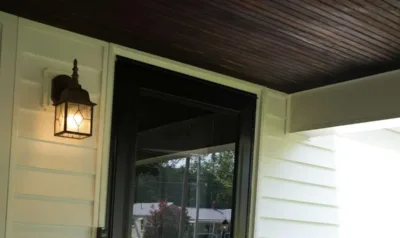
Fiberglass vs. Steel Doors
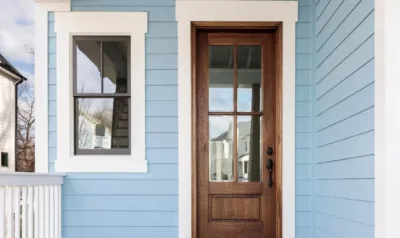
What’s better: fiberglass or steel doors? Ask two installers which material they recommend and you can get two confident, opposite answers: fiberglass, because it never rusts and never dents, or steel, because nothing resists a kick like a metal skin.
Both are right. Steel and fiberglass are strong in different ways: steel holds up best to a hard hit or attempted forced entry, while fiberglass is the most resistant to sun, rain, and humidity. The material you choose ultimately rests on the door’s location and purpose.
Fiberglass vs. Steel: Which Entry Door Is Better?
Neither is the best for every case. Steel is the stronger door against forced entry and impact, and it costs less. Fiberglass is better protection against sun, rain, and humidity, needs the least amount of maintenance, and can have a convincing wood-grain finish.
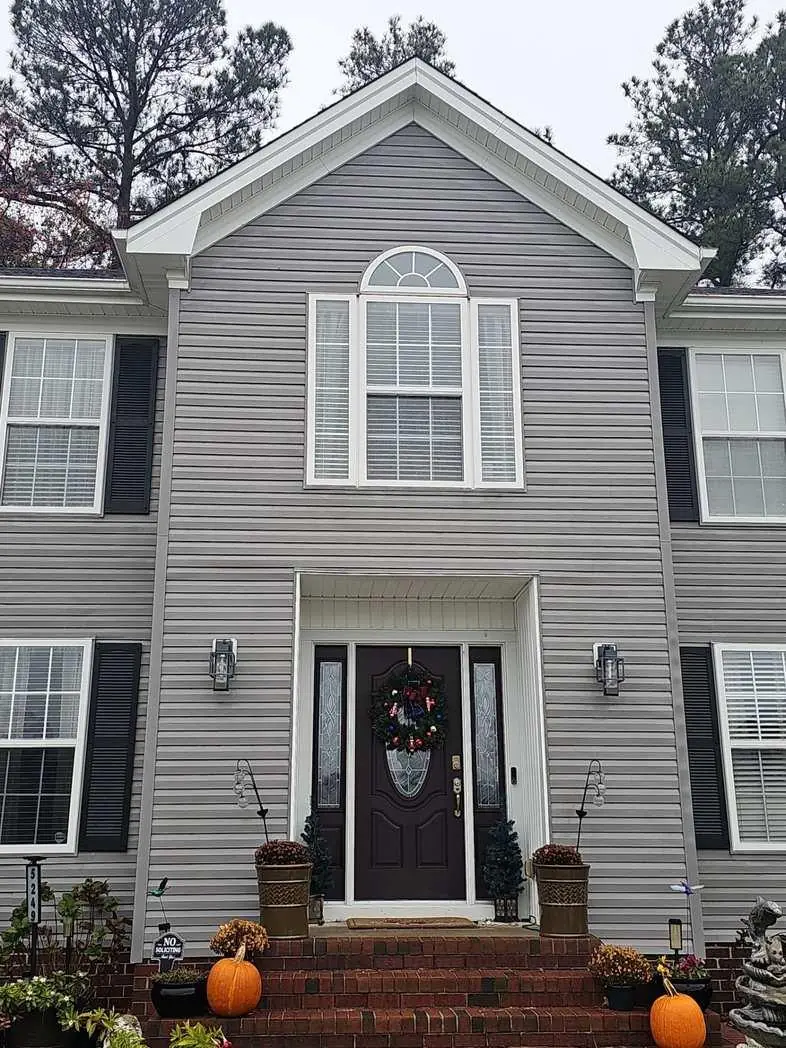
Pick by location and exposure. Choose steel for a sheltered or security-focused entry, or fiberglass for a weather-exposed door that needs better curb appeal. Both are skins over a foam core, which is why they insulate better than solid wood.
A steel door is a galvanized steel skin, usually over a polyurethane or polystyrene core, in a wood or composite frame. The steel is thin. The core does the insulating and backs the thin skin.
A fiberglass door is a molded fiberglass composite skin over the same kind of foam core. Because the skin is molded rather than rolled, it can have a deep wood-grain texture, which is why a good fiberglass door looks just like wood from the sidewalk.
Side by Side Comparison: Steel vs. Fiberglass Doors
| Fiberglass | Steel | |
|---|---|---|
| Upfront cost | Higher | Lower |
| Forced-entry resistance | Good | Best |
| Holds its shape | Won’t dent | Absorbs a hit, refinishes well |
| Impact strength | Good | Best |
| Rust resistance | Best, nothing to rust | Good, the finish protects it |
| Sun, rain, humidity | Excellent | Good, finish-dependent |
| Insulation | Excellent | Excellent |
| Wood-grain appearance | Convincing | Less convincing |
| Finish | Paint or stain | Paint |
| Maintenance | Lowest | Low, but the finish must be maintained |
| Repairability | Good | Best, dents fill and refinish |
Where a Steel Door Is the Best Choice
Security: Steel front doors are the answer for better home security. A steel skin resists a kick or a pry bar better than a composite one.
Budget: Steel is the least expensive of the common entry door materials, and on a service door or a rental it’s all you need.
Repairability. Steel is easier to fix. Dents and dings can be pulled, filled with an auto-body repair kit and refinished, so a dented steel door can be repaired and keep its finish and its working life.
Sheltered entries: Under a porch roof, out of direct sun and driving rain, steel keeps its finish, and it’s the cheaper door.
Where a Fiberglass Door Is the Best Choice
Weather exposure: This is the strongest argument for fiberglass. It doesn’t rust, doesn’t rot, and doesn’t react to humidity. On a doorway with no overhang that takes sun and rain all year, fiberglass is the better door.
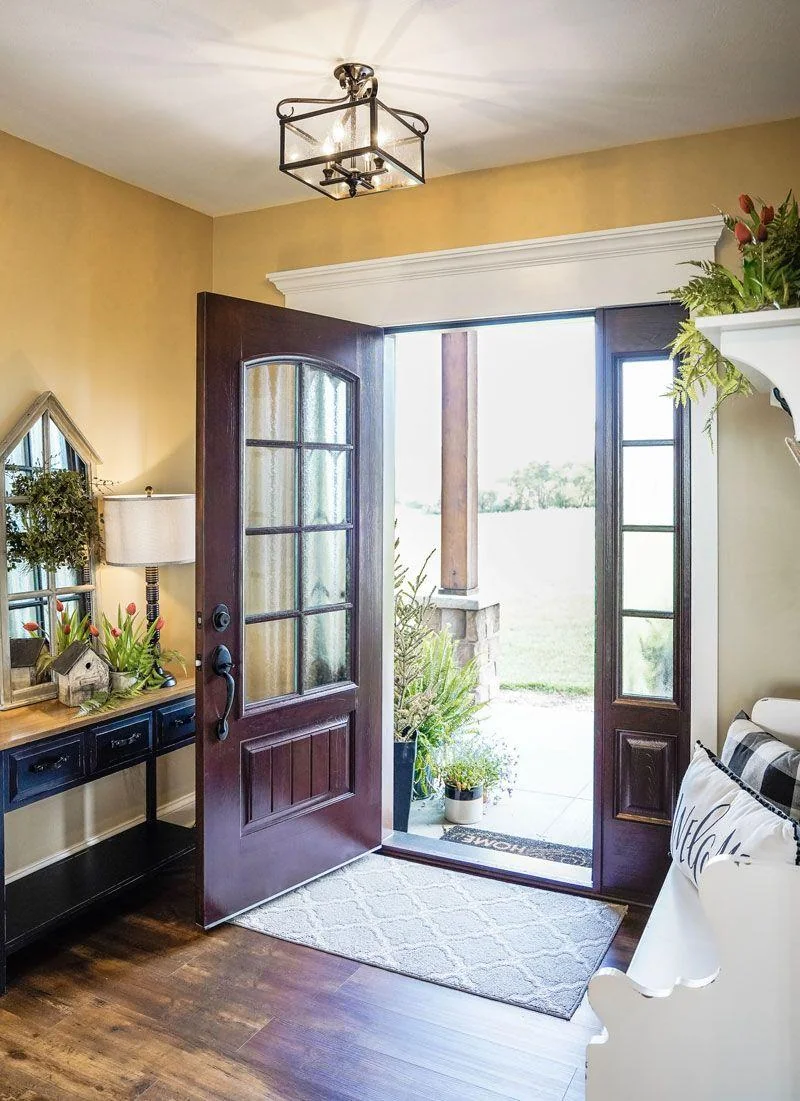
Maintenance: Fiberglass is the lowest-maintenance entry door material: it resists denting and scratching and cleans up with mild soap and water.
Appearance: A molded fiberglass door takes stain and passes for wood at any normal viewing distance. It’s the closest you get to a wood door without the upkeep.
High-traffic entries. It doesn’t dent. A front door that takes strollers, deliveries, and dogs stays looking new longer.
What’s the Best Type of Door for Your Situation?
Fiberglass and steel are durable in different ways:
Steel takes impacts better. A hard, concentrated hit on a steel skin leaves a mark at most, and the door still works, seals, and locks. Steel is also tougher against a purposeful kick or a pry bar, which is why it’s such a great choice for security.
Fiberglass holds up best against bad weather. A molded composite has nothing in it to rust or rot, so sun, rain, salt air, and humidity won’t affect it for decades, and a scratch on fiberglass is cosmetic. Steel’s finish is what protects it from weather, so steel stays strong as long as the finish is kept primed and painted.
Here’s a quick list of common situations you might run into:
- A fully exposed front entry, facing south or west, no overhang: Choose fiberglass. Sun and rain hit this door all year, and a skin that can’t rust or rot is worth the higher price here.
- A front entry under a covered porch: Either works. Steel is the more secure and the cheaper door here, and fiberglass has the better wood-grain look.
- A side door or garage-to-house service door: Choose steel. As a utility door, it takes bumps from bikes, tools and trash cans, and appearance isn’t as important.
- A rental or a budget-driven replacement: Choose steel, for cost and for repairability between tenants.
- Coastal or high-humidity: Fiberglass. Salt air rusts steel wherever the finish is scratched.
- A front door where you care about appearances: Go with fiberglass for the stain finish and the texture.
Energy Performance of Fiberglass vs. Steel Doors
Both materials insulate equally well. If efficiency is the priority, compare the door’s rating rather than its material. Both types of products can meet the published criteria for exterior doors.
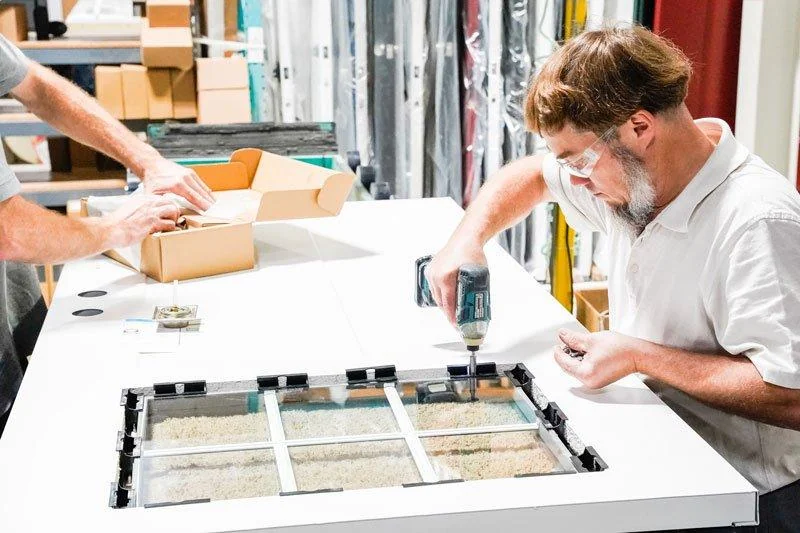
Glass has more of an impact on energy-efficiency than material: a door with a large decorative glass panel (called a door lite) performs differently from a solid door. You can use the same logic behind energy efficient windows here.
How Much Does It Cost for a Fiberglass vs. Steel Door?
Steel costs less than fiberglass, but the material is a small part of the cost. A full-frame replacement costs more than replacing the door alone, and glass adds to the price as well.
If you’re also replacing windows, doing both in one project usually beats doing them in pieces. A back entry has its own variables, because a patio door is mostly glass and hardware.
Steel vs. Fiberglass Door Resale Value
In one report, the steel replacement door recouped 216% of its cost at resale while the fiberglass one recouped 85%. However, the steel figure is for a $2,435 swap of the door, its frame, the threshold and the trim, while the fiberglass figure is for an $11,754 replacement that widens the doorway for a larger door with glass panels down both sides.
That being said, you can’t go wrong with a new door. A visible improvement at the front of the house has good ROI at resale. Fiberglass front doors will give your home the most natural look.
See Which Door Suits Your Home
Home Genius Exteriors installs both fiberglass and steel doors from ProVia. A free, no-obligation inspection is where a Home Remodeling Expert looks at the exposure of your entry, checks the frame and sill for damage, and tells you which material is best. Schedule your free inspection today!
Frequently Asked Questions
Are there any downsides of fiberglass doors?
Fiberglass typically costs more than steel. Steel is also the stronger material against a hard, concentrated impact and a determined forced entry, and a dented steel skin is easier to sand and repaint than fiberglass. If security is your priority, steel is the better choice.
What are the disadvantages of a steel door?
Steel relies on its finish for weather protection, so it lasts longest under a porch roof where the paint is maintained. A hard hit can leave a dent in steel, which will affect the door’s appearance. Steel doors also don’t last as long in humid or coastal environments due to salt exposure.
What type of door is best for an exterior door?
For a fully weather-exposed entry with no overhang, fiberglass handles sun, rain, and humidity best and needs the least maintenance. For a sheltered entry, a service door, or where security and budget come first, steel is the better choice. Both outperform solid wood on insulation and upkeep.
Do fiberglass doors cost more than steel?
Yes, fiberglass usually costs more than a comparable steel door, although the material is a small part of the price. Replacing the whole frame instead of the door adds more to the price, and so does glass.
Do they still make solid wood doors?
Yes, you can still buy a solid wood entry door, but most new entry doors are fiberglass or steel over an insulating foam core. Wood swells and shrinks with moisture, needs refinishing every few years to keep water out, and insulates less than a foam core, so manufacturers moved to skins that hold their shape and take a wood-grain finish. Home Genius Exteriors installs fiberglass and steel entry doors, and the fiberglass ones pass for wood from the sidewalk.