What Is a Storm Door?
There’s a good chance you’ve lived behind one without giving it much thought, or you’re standing at a home improvement center wondering whether the entry door you already have needs a second door in front of it.
A storm door is inexpensive protection for an expensive entry door, and it’s often a good idea…with one exception, which we’ll go over in this article.
What Is a Storm Door?
A storm door is a lightweight secondary door installed in front of your main entry door. It shields the inner door from rain, snow, wind, and sun, and adds a pocket of still air between the two that slows heat transfer. Most models let you swap the glass panel for a screen, so you can open your entry door on a mild day and let air in without the bugs.
What a Storm Door Does
A storm door protects the door behind it. That might sound silly, but it justifies the cost in storm-prone areas. Your entry door is the more expensive of the two, and weather degrades its finish. A storm door takes the driving rain and the direct sun instead.
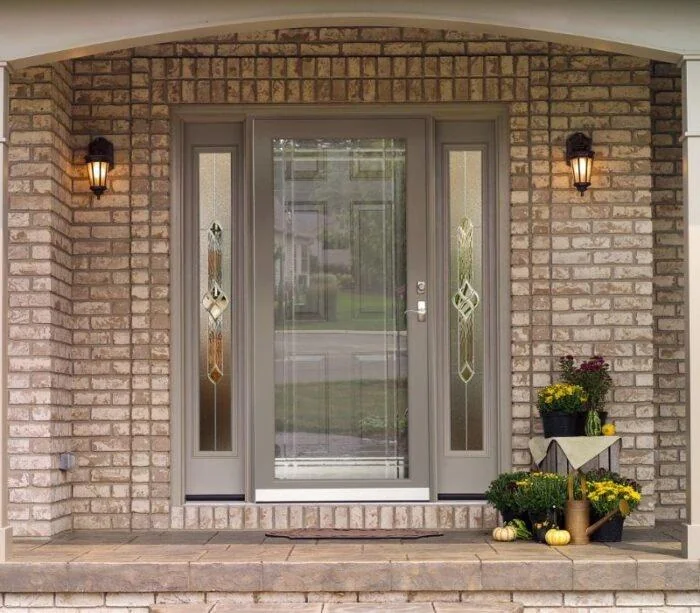
Storm doors add a pocket of trapped air. The gap between two doors slows down the movement of heat, because still air is a poor conductor. While it’s a modest effect, it’s especially relevant when the inner door is older and less insulated.
It gives you ventilation without insects. Swap the glass for a screen, or get a model with a retractable screen, and you can leave the entry door open on a mild day.
A storm door adds light and a second lock. Full-glass models let daylight into an entry that might otherwise be dark, and a storm door with its own lockset is one more security barrier at the front of the house.
Storm Doors vs. Screen Doors
These terms get used interchangeably and they aren’t the same thing. Here are the differences:
| Storm door | Screen door | |
|---|---|---|
| Primary panel | Glass, often swappable with a screen | Screen only |
| Season | Year-round | Warm months |
| Weather protection | Yes | Almost none |
| Insulating effect | Some (from the trapped air pocket) | None |
| Typical build | Aluminum, steel, or vinyl-clad, with a closer | Lighter frame, often wood or aluminum |
A screen door only keeps bugs out. A storm door keeps weather away from your entry door and can be converted to a screen when you want airflow. If you’re choosing between storm doors and screen doors and your winters are cold, the storm door will be useful for more months of the year.
Storm Door Styles
Full-view storm doors feature glass from top to bottom, for maximum light and the clearest view. This is also the style with the most glass sitting in front of your entry door, which comes up again in the heat section below.
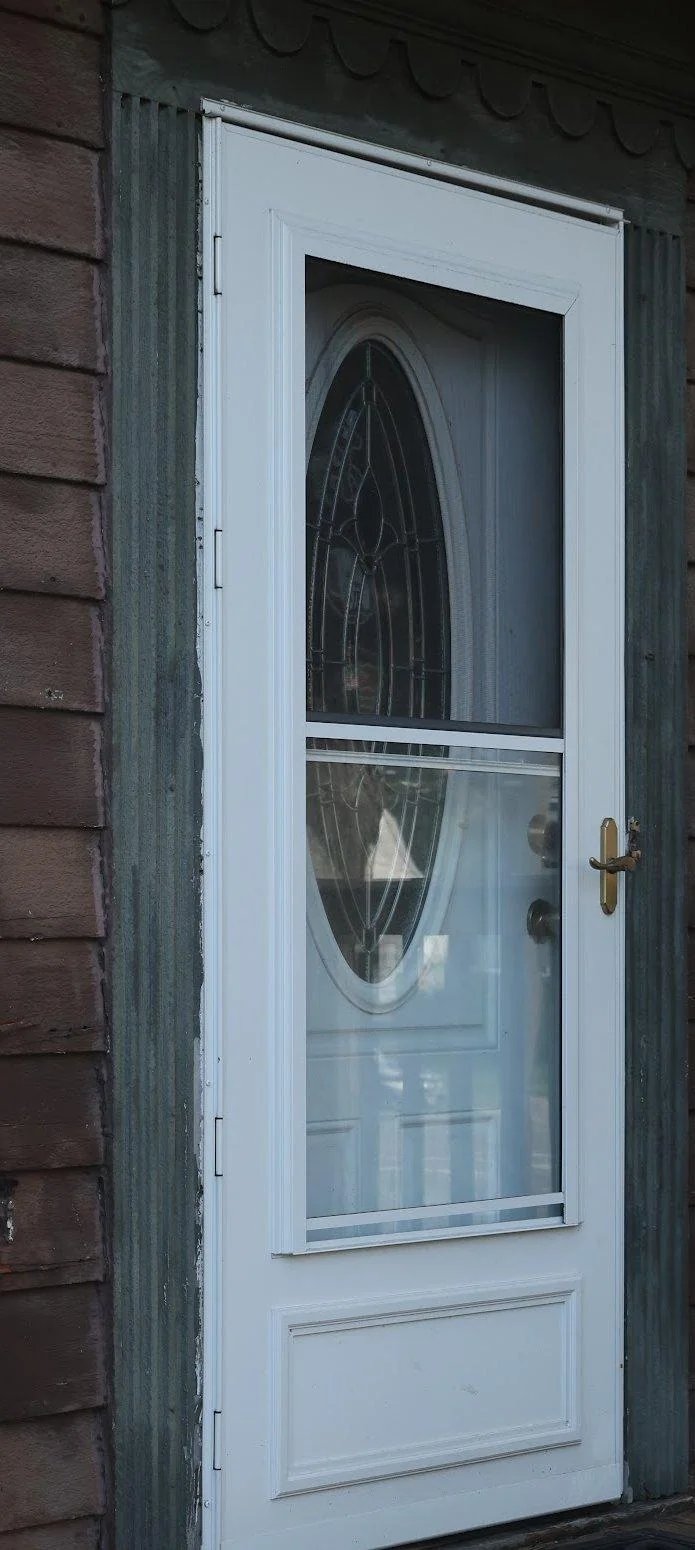
Mid-view, sometimes called three-quarter light, has glass across the upper portion of the door with a solid panel at the bottom. The solid kick panel takes the abuse from feet, pets, and snow shovels, which is why it tends to look better longer than full glass in a busy entry.
High-view doors have a smaller glass area up top with a larger solid panel below. This is the most protective of the three glass panel styles and lets in the least light.
Retractable screen versus interchangeable panels: Interchangeable means you can swap the glass panel for a screen panel and store the one you’re not using, usually in a garage (where it often gets scratched). Retractable means the screen rolls into the frame and the glass slides, so nothing has to be stored separately. Retractable styles cost more, but they save you hauling a glass panel to the garage every spring.
What Separates a Cheap Storm Door From a Durable One
The hardware, not the glass, determines how long a storm door lasts.
The closer: The cylinder that pulls the door shut is the most-used component on a storm door, and it’s the first thing to wear out on a cheap door. Two closers rather than one, mounted top and bottom, hold the door square over time and help resist wind catching it.
The sweep: The seal along the bottom edge. A quality sweep keeps water and insects out and stays flexible. A cheap one goes hard and stops sealing after a few seasons.
The frame: Aluminum is the standard, and it’s light and rust-free. Steel is heavier and more secure. A vinyl-clad wood core is the most rigid and the most expensive. More than the material, look at the wall thickness and how the corners are joined.
The wind chain: A small chain or damper that stops a gust from throwing the door open past its hinges. Without one, a gust can bend the hinges or tear the closer bracket out of the frame.
Can a Storm Door Damage Your Entry Door?
A storm door with a lot of glass, in front of an entry door that gets hours of direct sun, traps heat in the gap between them. On a dark-colored door that gap gets hot.
Door manufacturers address this in their warranties. For example, Therma-Tru says that “All PVC lite frames and simulated divided lite bars must be finished within 30 days of installation and are not recommended for use behind storm doors or if exposed to direct sunlight to be painted dark colors”. Read your own door’s warranty, because manufacturers differ.
Pick a storm door with a vent, avoid full-view glass on a dark door that gets full sun, and ask what the entry door’s manufacturer says about its specific glass package.
Why Don’t New Homes Have Storm Doors?
New homes don’t have storm doors because of improvements to the modern entry door. A new insulated fiberglass or steel entry door with a good seal already handles weather and insulates better than old wood doors. The extra damage resistance and insulation benefits are less important when the primary door is already good.
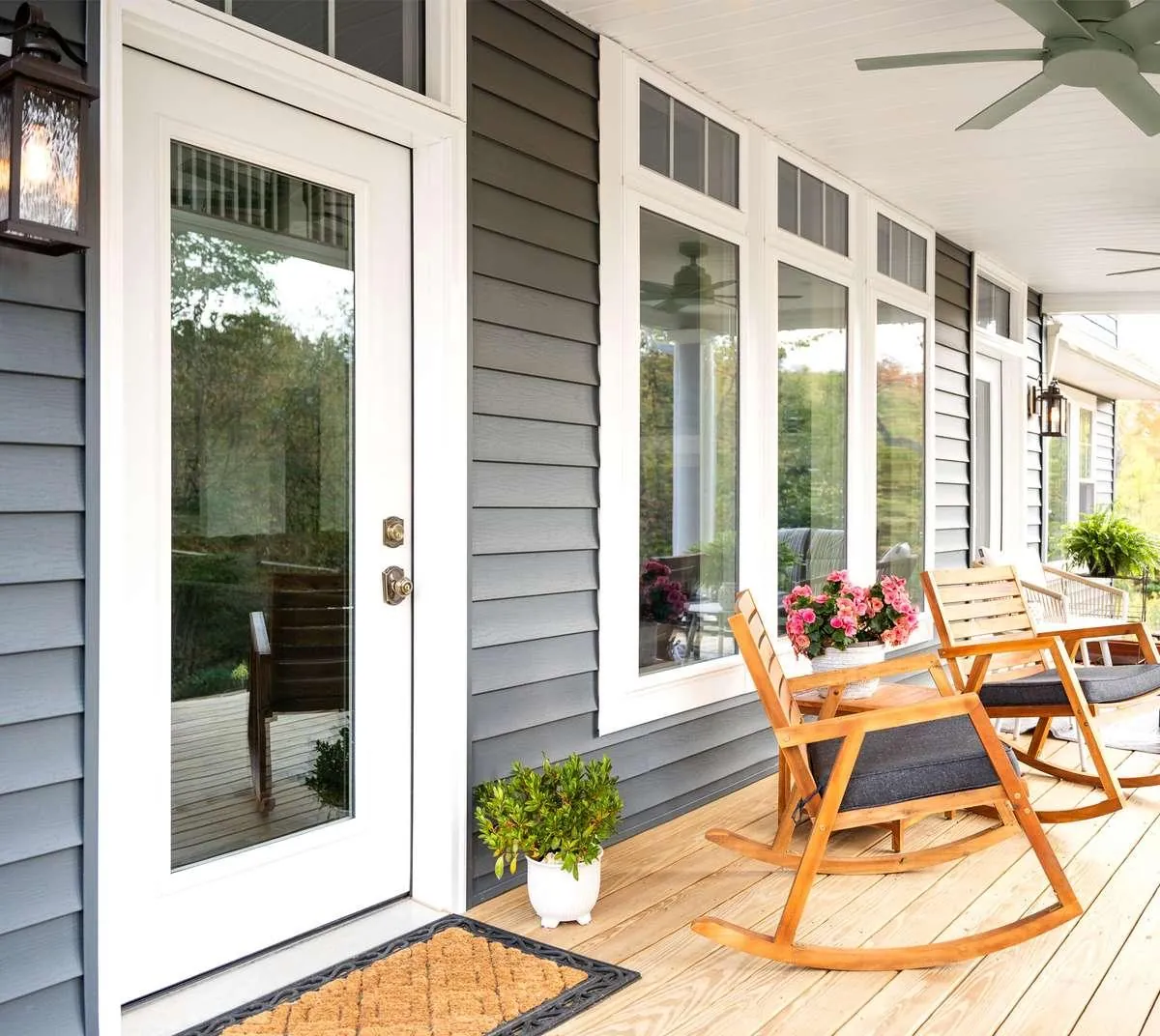
Builders also leave them off to control cost, and many buyers prefer the uncluttered look of a single door. New storm door installs are largely retrofits rather than standard inclusions on new builds.
That doesn’t mean they no longer have value. On an older entry door or an exposed doorstep with no porch covering, a storm door still pulls its weight.
How to Size a Storm Door
Storm doors are sold to fit standard entry doorways. Before ordering, you’ll need to know your doorway size and the handing (which side the hinges go on). Handing is described from outside the house looking at the door. Get it wrong and the door opens into the wrong space, which on a narrow stoop can make the entry unusable.
Measure the depth of the exterior trim too, because the storm door frame mounts to it. Shallow or unusual brickmold changes what will fit, so always measure carefully.
A Storm Door Shields, But it Can’t Fix Underlying Damage
If your primary door is drafty, sticking, or rotted at the bottom, adding a second door in front just hides the problem behind glass. You’ll be paying to remove the storm door when you finally replace the entry door.
Some storm doors come with Low-E glass, the same coating that lets energy efficient windows reflect heat, and it’s the option to ask for on a sun-facing entry. A back entry raises a version of the same question because patio doors are mostly glass too.
Not Sure Which Door You Need? Ask a Pro
Home Genius Exteriors installs storm doors as well as entry and patio doors. We’ll send a Home Remodeling Expert to check the door, the frame, the sill, and the weatherstripping. Schedule your free inspection today.
Frequently Asked Questions
What is the point of having a storm door?
A storm door protects your primary entry door from rain, snow, and sun, which is what degrades an entry door’s finish over time. It also adds a pocket of still air between the two doors that slows heat transfer, and many models convert to a screen so you can ventilate the house without insects. The protection is most valuable on an exposed doorstep with no porch overhang.
What are the differences between a storm door and a regular door?
The regular entry door is the insulated, weathertight, lockable door that closes the doorway. A storm door is a lighter secondary door mounted in front of it, usually mostly glass, that shields the entry door from weather and swaps to a screen for ventilation. It adds protection and airflow but doesn’t seal or secure your entry on its own.
Why are they called storm doors?
The name comes from their original purpose. They were added in front of entry doors to take the brunt of driving rain and blowing snow so the main door (historically made of wood) was spared. The name stuck even as doors evolved screens and became a year-round fixture rather than a seasonal one.
Why do people not use storm doors anymore?
Modern insulated fiberglass and steel entry doors already seal and insulate well, so a storm door has fewer benefits than it did when entry doors were solid wood. Builders leave them off to keep costs down, and many homeowners prefer the look of a single door. Storm doors still add protection on older entry doors and on exposed entries with no porch roof.