Can You Replace A Roof In The Winter?
A roof that starts leaking in January, or loses shingles in a winter windstorm, can’t always wait for spring. Yes, a roof can be replaced in the winter, but your crew and your materials both need adjustments that don’t apply in warmer months. Those adjustments are straightforward when a professional team plans for them.
Cold weather changes how asphalt shingles behave during installation. It also changes the daily schedule, the tools your crew uses, and how long your project takes. Once you know what changes, you can decide whether your roof needs replacing now or whether it can safely wait until spring.
Key Facts About Winter Roof Replacement
- Asphalt shingles can be installed in winter, but Atlas Roofing’s cold-weather guidance says most sealants stop activating below 40 degrees Fahrenheit, which is a figure from Atlas, not a universal code minimum, so crews hand seal shingles at eaves, rakes, hips, and ridges using roofing cement to bond them immediately without waiting for warmth.
- Cold weather makes asphalt shingles stiffen and lose flexibility, so crews store bundles in a warm space before installation, nail by hand instead of using pneumatic guns to avoid cracking, and wait until frost clears from the roof surface before starting work.
- Winter roof replacement shouldn’t wait when you have an active leak sending water into your attic or walls, storm damage has left shingles missing and exposed the roof deck, or your roof is near the end of its life and shows signs it won’t survive another few months of freeze-thaw cycles.
- Winter projects take longer because crews start later after frost clears and wrap up earlier before temperatures drop, so a job that takes three days in July might take four or five in January, with additional delays possible from snow or freezing rain.
- The Asphalt Roofing Manufacturers Association recommends hand sealing as standard practice in cold-weather installations, and a winter install that follows those steps holds up the same as one completed in September.
Can You Replace a Roof in the Winter?
Yes. Asphalt shingle roofs are installed in winter whenever the weather gives a crew a dry day to work, and a correctly installed winter roof holds up the same as one installed in warmer months. The difference is in the details: crews handle shingles more carefully, hand seal in place of the factory adhesive until it warms up enough to bond on its own, and work around frost, snow, and shorter daylight.
How Cold Weather Affects Asphalt Shingles During Installation
Asphalt shingles stiffen as the temperature drops. In warm weather, they flex easily when a crew member lifts, cuts, or positions them. In cold weather, that flexibility decreases, and a shingle forced into a bend can crack.
The bigger concern is the factory-applied sealant strip on the back of each shingle, a line of adhesive designed to bond each row of shingles to the row below it once heat and sunlight activate it. Atlas Roofing’s cold-weather guidance puts that activation threshold at 40 degrees Fahrenheit. That figure comes from Atlas specifically, not a universal code minimum; other manufacturers set their own cutoffs, so check the product label for whatever shingle line your project uses.
A shingle that hasn’t sealed yet isn’t defective. It hasn’t had enough warmth yet to trigger the adhesive, and once daytime temperatures rise, the strips bond on their own. In the meantime, your crew uses a technique called hand sealing to keep everything secure.
Hand Sealing Shingles in Cold Weather
Hand sealing means your crew applies roofing cement under the edges of each shingle so it bonds to the one below it right away, without waiting for the sun. Crews focus hand sealing on the areas most exposed to wind uplift: eaves (the roof edges that overhang the walls), rakes (the sloped edges on the gable ends), hips (the angled ridges where two roof slopes meet), and the ridge along the top.
The Asphalt Roofing Manufacturers Association recommends hand sealing as standard practice for cold-weather installations. It’s part of the job whenever temperatures stay below that point.
What Changes When Crews Replace a Roof in Winter
Winter installation calls for adjustments at several points, because the process itself has to account for temperature and material behavior. Here’s what changes and why:
| Winter Adjustment | Why It’s Needed |
|---|---|
| Store shingle bundles in a warm space before installation | Warm shingles stay flexible and resist cracking during handling |
| Schedule work during the warmest, sunniest hours of the day | Warmer surface temperatures reduce shingle brittleness and help adhesive perform better |
| Wait until frost and ice clear from the roof surface | A frosty deck is a fall hazard for the crew, and moisture under new shingles causes problems |
| Nail by hand instead of using a pneumatic nail gun | A nail gun can overdrive fasteners through a cold, stiff shingle, cracking it |
| Hand seal shingles at the roof’s most wind-exposed edges | Factory sealant strips won’t activate until warmer weather arrives |
| Install ice and water shield at eaves and valleys | These areas are where ice dams form, and a self-adhering membrane underneath the shingles adds a backup barrier against water intrusion |
Every one of these adjustments adds time to the job. Your roof still gets installed correctly, but your crew works shorter days and may pause for weather, which is the trade-off for doing the work in winter instead of waiting.
When a Winter Roof Replacement Shouldn’t Wait
Some situations don’t leave room to wait. Replace your roof now, rather than waiting for spring, if you’re dealing with any of these:
- An active leak is sending water into your attic, ceilings, or walls.
- Storm or wind damage has left shingles missing, exposing the roof deck underneath.
- Your roof is near the end of its life and shows signs it won’t survive another few months of freeze-thaw cycles.
- An approaching home sale means the buyer’s inspection or lender will flag the roof condition.
Not sure whether your roof needs replacement now or can wait? A professional inspection gives you a clear answer based on current condition.
When Waiting for Spring Is Reasonable
A roof in fair condition, with no active leaks and no missing shingles, can usually make it through the winter. If your attic is dry and your shingles are intact, scheduling the job for the best time to replace your roof gives your crew longer workdays, warmer temperatures for sealant activation, and fewer weather delays.
Winter Weather Conditions and Roof Replacement
Temperature is only one part of the winter equation. Snow, ice, and freeze-thaw cycles all affect when and how your crew can work on your roof.
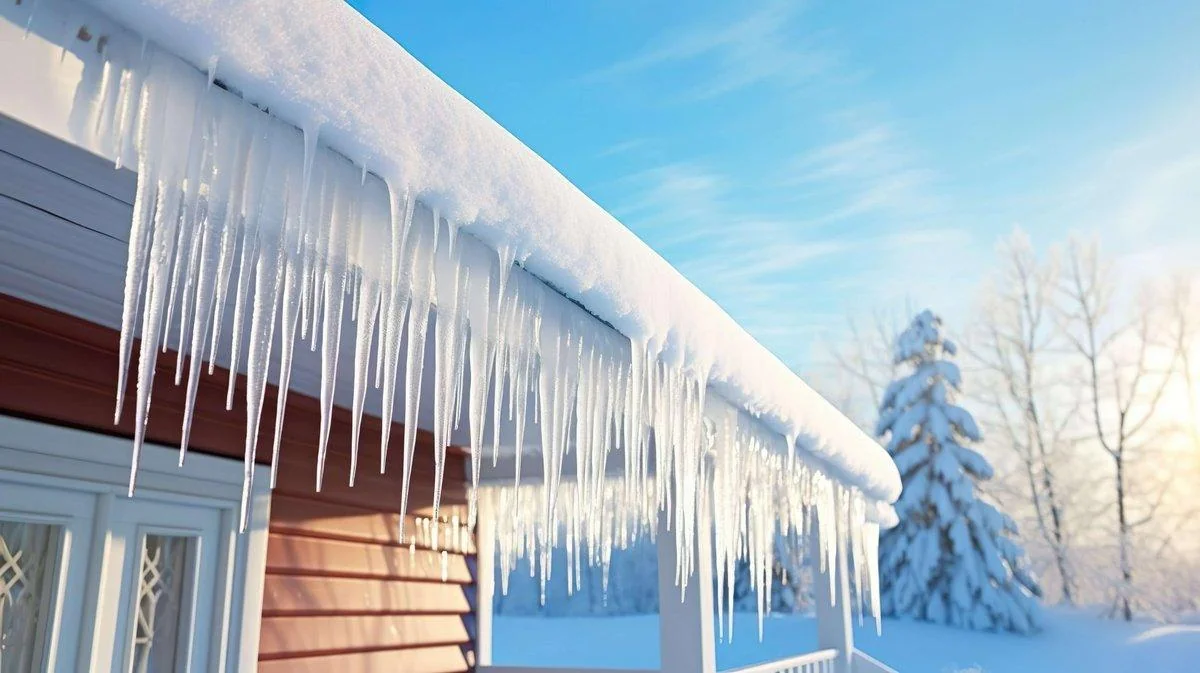
Snow has to be cleared from the roof deck before installation begins, because a layer of snow or ice keeps shingles from bonding to the underlayment and creates a slip hazard for the crew. Expect delays if a storm dumps several inches the night before your scheduled start date.
Freeze-thaw cycles are a bigger concern for a roof nearing the end of its lifespan. Water seeps into cracks or under damaged shingles during the day, then freezes and expands at night, and that expansion widens existing damage and can turn a small problem into an urgent one over the course of a single winter.
Wind adds another factor, because cold air is denser than warm air, so winter winds can generate more force against your roof surface. If your existing shingles are already loose or damaged, a January windstorm can strip them off faster than a summer storm would. Your crew monitors these conditions before starting work each day, and a reputable crew pauses the job when the forecast shows freezing rain or high winds rather than pushing through it.
What to Expect From the Schedule
Winter projects don’t run on the same timeline as summer ones. Your crew starts later, after frost clears, and wraps up earlier, before temperatures drop and light fades, so a job that takes three days in July might take four or five in January.
Icy surfaces and cold-stiffened materials also make roofing more hazardous in winter, and a professional crew uses additional fall protection and plans the day around conditions rather than working through them. That combination of fall risk and material damage is also the strongest reason not to attempt a winter roof repair yourself: frost on a pitched roof is dangerously slick, and cold shingles crack when handled without experience.
If you want to see what the full replacement process looks like from tear-off to cleanup, the roof replacement process walks through every stage.
Winter Roofing Across Different Climates
Winter doesn’t look the same everywhere Home Genius Exteriors works. In Michigan and Ohio, temperatures can sit below freezing for weeks at a stretch, which leaves fewer workable days and makes hand sealing more common. In Virginia and the Carolinas, winter has more days above 40 degrees, so crews get more hours on the roof and the sealant strips have more warm, sunny days to activate.
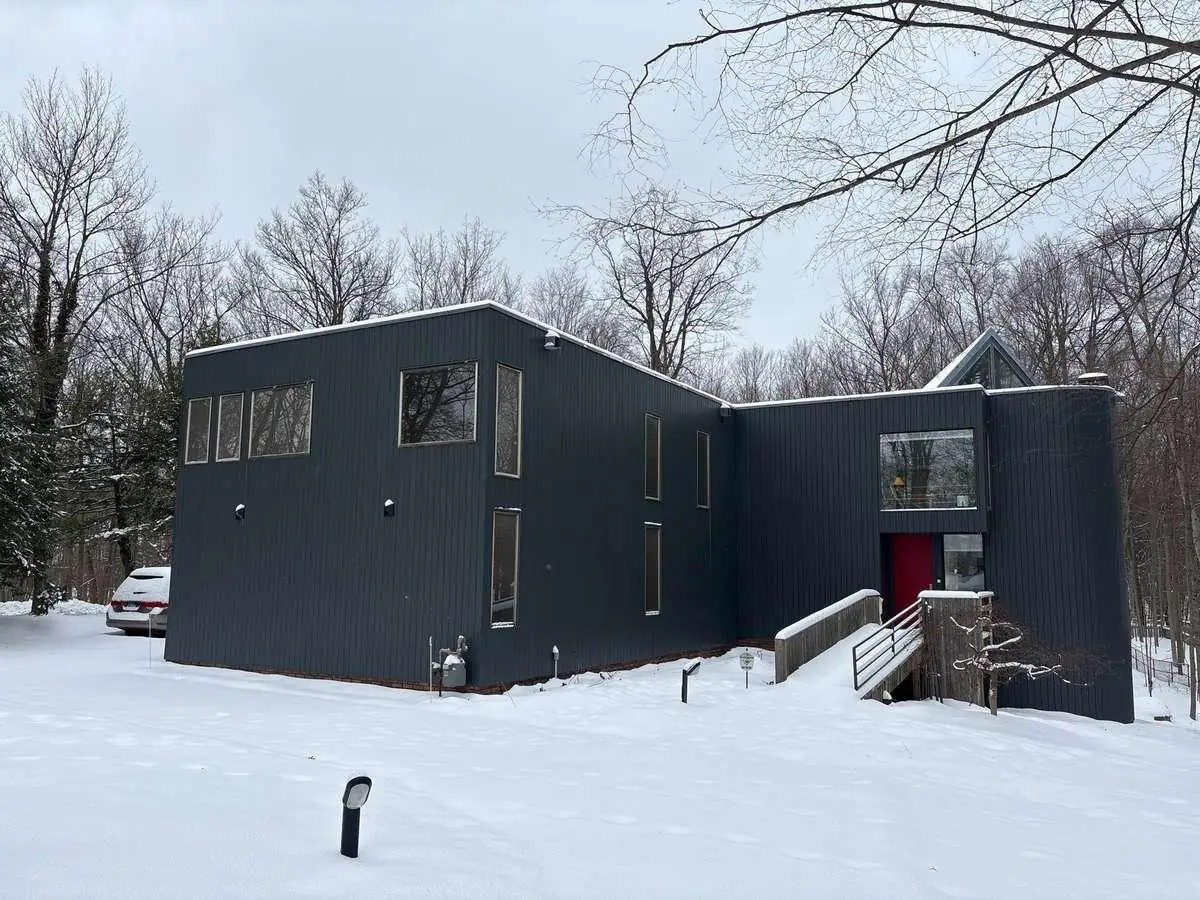
In both climates, the crew plans the work around the weather and follows the shingle maker’s cold-weather instructions.
Material choice changes the winter calculus too. Metal, slate, and synthetic slate systems behave differently in the cold, because none of them depend on a heat-activated sealant strip the way asphalt shingles do: a metal panel locks into the panel beside it mechanically, through its seam or its fasteners, so there’s no adhesive waiting on sun and warmth to bond. None of that makes asphalt the wrong choice for your home; the hand sealing and extra care described above are about how asphalt shingles seal themselves, not a limit on what can go on a roof in winter.
Whatever the material, ask your contractor how they plan to prepare your home and the job site for a winter start. Preparing for a roof replacement looks the same whatever the season, from clearing the driveway and walkways to moving vehicles away from the work area.
Schedule a Free Winter Roof Inspection
Home Genius Exteriors, an Owens Corning Platinum Preferred Contractor, provides free inspections to help you understand your roof’s current condition and whether replacement should happen now or can wait for warmer weather. Their team documents what they find so you can make a confident decision on timing.
Call today to schedule your free inspection.
Frequently Asked Questions
What’s the best time of year to replace a roof?
Spring and early fall usually give crews the most workable hours and the fastest sealant activation. Even so, the best time to replace a roof depends on your roof’s current condition as much as it depends on the calendar.
What temperature is too cold to replace a roof?
There’s no single cutoff that applies to every roof; the number depends on the shingle manufacturer and product line. Ask your contractor what cold-weather minimum the specific shingles call for and what extra steps, like hand sealing, they’ll use once temperatures drop below it.
Is $30,000 too much for a roof?
Whether $30,000 is high depends on your roof’s size, pitch, and the materials used, not one number that applies everywhere. Roof replacement cost runs in different ranges depending on the material and the size of the job.
How much does it cost to replace a roof on a 4,000-square-foot house?
A home’s floor space and its roof’s surface area aren’t the same number. Roof area includes the pitch, the overhangs, and every ridge and valley, so a 4,000-square-foot house can carry a roof that measures well past 4,000 square feet once the slope is factored in. A measured quote from an on-site inspection gives you an accurate number for your specific roof instead of one worked backward from the house’s floor plan.
Does a 20 year old roof need to be replaced?
A roof’s condition determines whether it needs replacing, more than its age in years. How long a shingle roof lasts depends on the material and how well it’s been maintained, and a professional inspection can tell you whether a 20-year-old roof still has useful life left.