Aluminum vs Vinyl Windows

If frost builds up on the inside of your aluminum windows every winter, the metal frame is the likely cause. The metal conducts outdoor cold to the inside of the house far faster than vinyl, and in a home with cold winters, that’s a key difference between aluminum and vinyl windows.
Some homes are still better off with aluminum. To choose between the two, start with how cold your winters get and the look your home is built around.
Table of Contents
- Should You Choose Aluminum or Vinyl Windows?
- What Are Aluminum and Vinyl Window Frames Made From?
- Fiberglass and Wood Frames
- Why Aluminum Feels Colder in Winter
- Aluminum vs. Vinyl Windows: Side-by-Side Comparison
- When Aluminum Is the Better Frame
- Why Vinyl Suits Most Home Replacements
- What to Do If You Still Have the Original Frames
- Which Frame Is Right for Your Home?
- Get a Free Window Inspection
- Frequently Asked Questions
Should You Choose Aluminum or Vinyl Windows?
For most homes in cold and mixed climates, vinyl is the better choice. Aluminum conducts heat far faster than vinyl, so a standard aluminum frame runs cold on the inside, collects condensation, and lets more heat escape in winter than a vinyl frame of the same size. Aluminum still wins on strength and slim frames that show more glass, so it suits large glass walls, modern designs, and warm climates.
What Are Aluminum and Vinyl Window Frames Made From?
Both frames are made by the same basic method: the raw material is heated and pushed through a shaped plate, so it comes out already formed.
Aluminum Frame Strength and Heat Loss
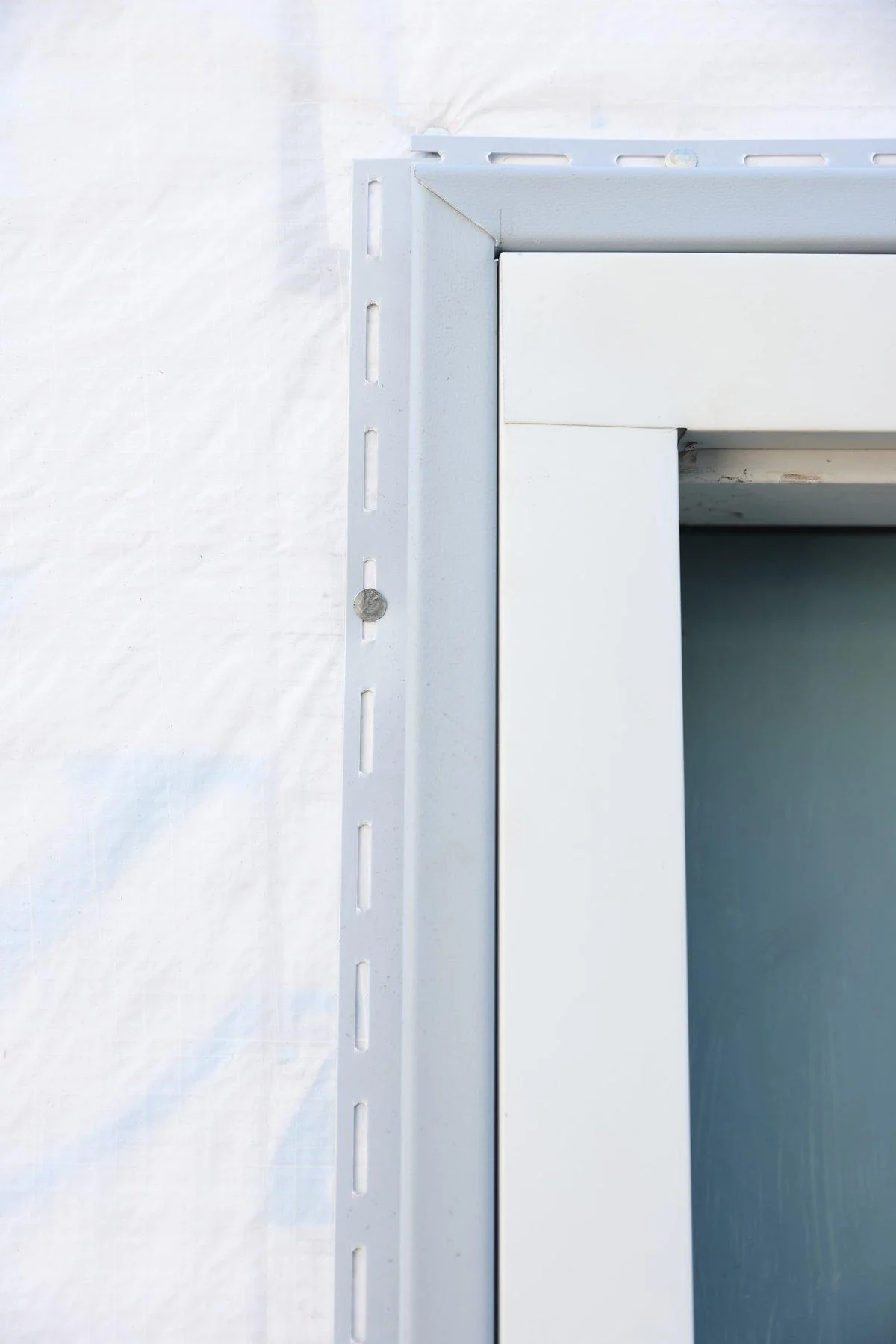
An aluminum frame is solid metal, pressed from heated blocks of aluminum alloy into thin pieces strong enough to hold a large pane of glass without flexing.
The drawback is that solid metal gives heat an unbroken path from the warm side of the window to the cold side. Aluminum and its common alloys rate 150 to 236 on the standard measure of how easily heat moves through a material.
Vinyl Frame Insulation and Stiffness
Vinyl frames are made from a plastic called polyvinyl chloride (PVC), formed with several hollow chambers inside. Solid PVC rates 0.19 on the same measure, so heat moves through aluminum about 800 to 1,200 times more easily. The air trapped in the chambers slows the heat loss even more.
Vinyl is less stiff than aluminum, so better lines reinforce the inside of the frame to keep it rigid. ProVia, the window brand Home Genius Exteriors installs, builds INNERGY, a stiffening insert made of a composite material, into its Endure and Aspect vinyl lines. ProVia rates INNERGY at 700 times the insulating value of aluminum, so the frame gets stiffer without a metal path for heat.
Fiberglass and Wood Frames
Fiberglass and wood are the other two common frame materials, and both cost more than aluminum or vinyl. Fiberglass is strong, insulates well, and needs little upkeep. In a comparison of vinyl and fiberglass windows, one advantage of fiberglass is that it expands and contracts far less as temperatures swing. Wood insulates well and suits older and historic homes, but it needs regular painting or staining to keep moisture out.
Why Aluminum Feels Colder in Winter
An aluminum frame without a strip of insulating plastic inside it conducts heat readily, so in winter, warmth from the house passes through the metal to the outside.
Why Aluminum Frames Cause Condensation
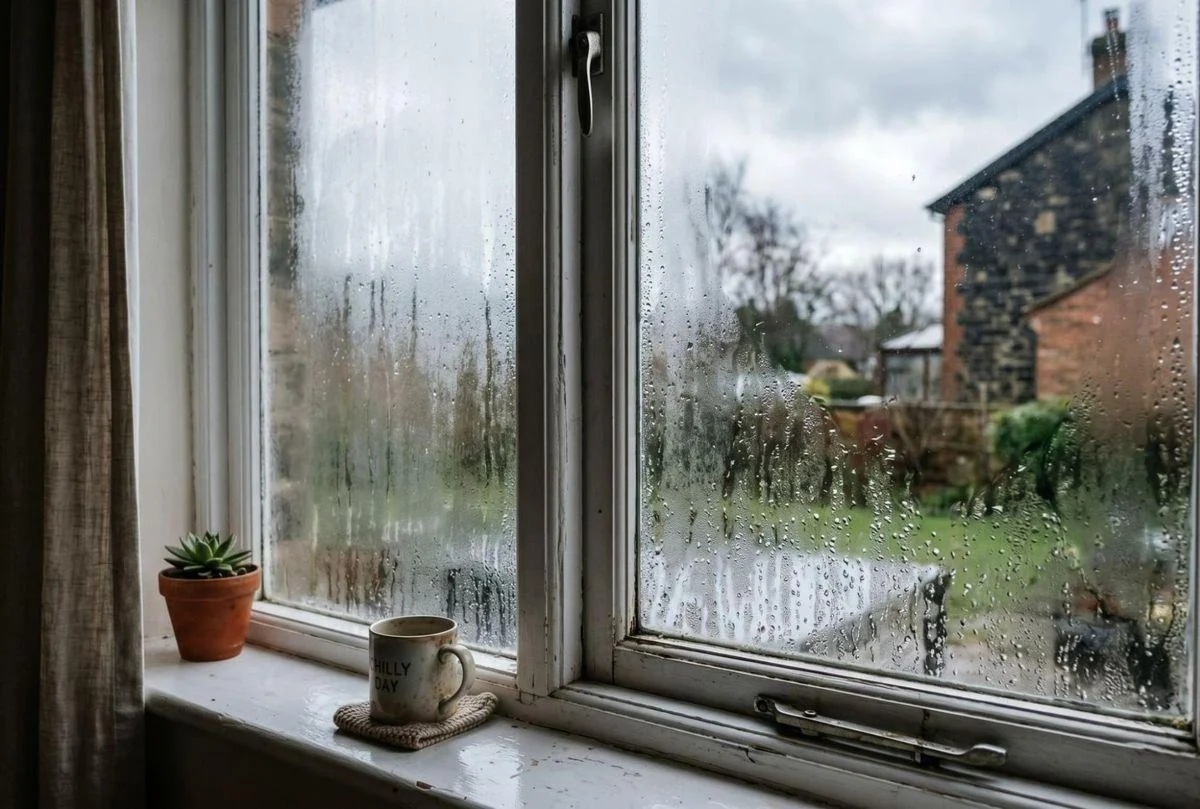
On a winter day, the cold coming through the metal chills the inside of the frame. When warm, humid indoor air touches that surface, the moisture in the air turns to water on the frame, and to frost when it’s cold enough.
How the Insulating Strip Reduces Heat Loss
The strip is called a thermal break, and it sits between the inside and outside halves of the frame.
The strip cuts the heat lost through the metal, and most residential aluminum frames include one. Aluminum still conducts far more heat than vinyl, though, and the strip reduces that difference without removing it.
How to Read a Window’s Efficiency Rating
Certified windows come with a rating label from the National Fenestration Rating Council (NFRC). One figure on it, the U-factor, measures how fast heat passes through the whole window, frame included, on a scale of 0.20 to 1.20, and a lower number means better insulation. The label can also show a condensation resistance rating, where a higher number means the window resists condensation better.
Two windows with the same glass can still have different ratings, because the frame changes the result. When you compare quotes, ask each contractor for the certified rating of the whole window.
Aluminum vs. Vinyl Windows: Side-by-Side Comparison
Installed window costs by material overlap for aluminum and vinyl, so the bigger differences between the two frames show up in comfort, condensation, and upkeep.
| Category | Aluminum Windows | Vinyl Windows |
|---|---|---|
| Installed Cost (per window) | $175 to $1,000 | $200 to $1,500 |
| Thermal Performance | Weaker; better with an insulating strip, but still below vinyl | Stronger; less heat loss across most product lines |
| Frame Strength | High; supports large windows with a narrow frame | Moderate; reinforced frames handle standard home window sizes |
| Visible Glass Area | Narrower frames, more visible glass | Wider frames, slightly less visible glass |
| Condensation Resistance | Low; better with an insulating strip | High |
| Expansion and Contraction | Less than vinyl as temperatures change | Expands and contracts more as temperatures swing, and well-made frames are designed for it |
| Color and Finish | Factory-applied finish that can be repainted | Color molded into the material, with a narrower standard palette |
| Coastal Corrosion | Doesn’t rust but can pit or discolor in salt air without a quality finish | Doesn’t corrode |
| Lifespan | 20 to 30 years | 20 to 40 years |
| Maintenance | Occasional cleaning, with refinishing if the coating degrades | Soap and water; no painting or refinishing |
When Aluminum Is the Better Frame
Aluminum suits three kinds of homes better than vinyl.
Floor-to-Ceiling Glass and Large Windows
A wall of floor-to-ceiling glass or a multi-panel sliding door needs a frame that won’t bow under the weight of large panes, and aluminum supports that weight in a noticeably narrower frame than vinyl can match at the same width.
Modern and Mid-Century Architectural Styles
If your home’s design is built around thin black or bronze window frames, aluminum suits that look, because vinyl needs a thicker frame to hold its shape. Some vinyl lines offer dark exterior colors, though the frames stay wider.
Warm and Mild Climates
Where winters are mild, the heat runs for fewer months, so the warmth lost through an aluminum frame adds much less to your energy bills than it would in a cold climate.
Why Vinyl Suits Most Home Replacements
In a cold or mixed climate, vinyl is the better frame for most homes, for two reasons.
Lower Energy Bills in Cold and Mixed Climates
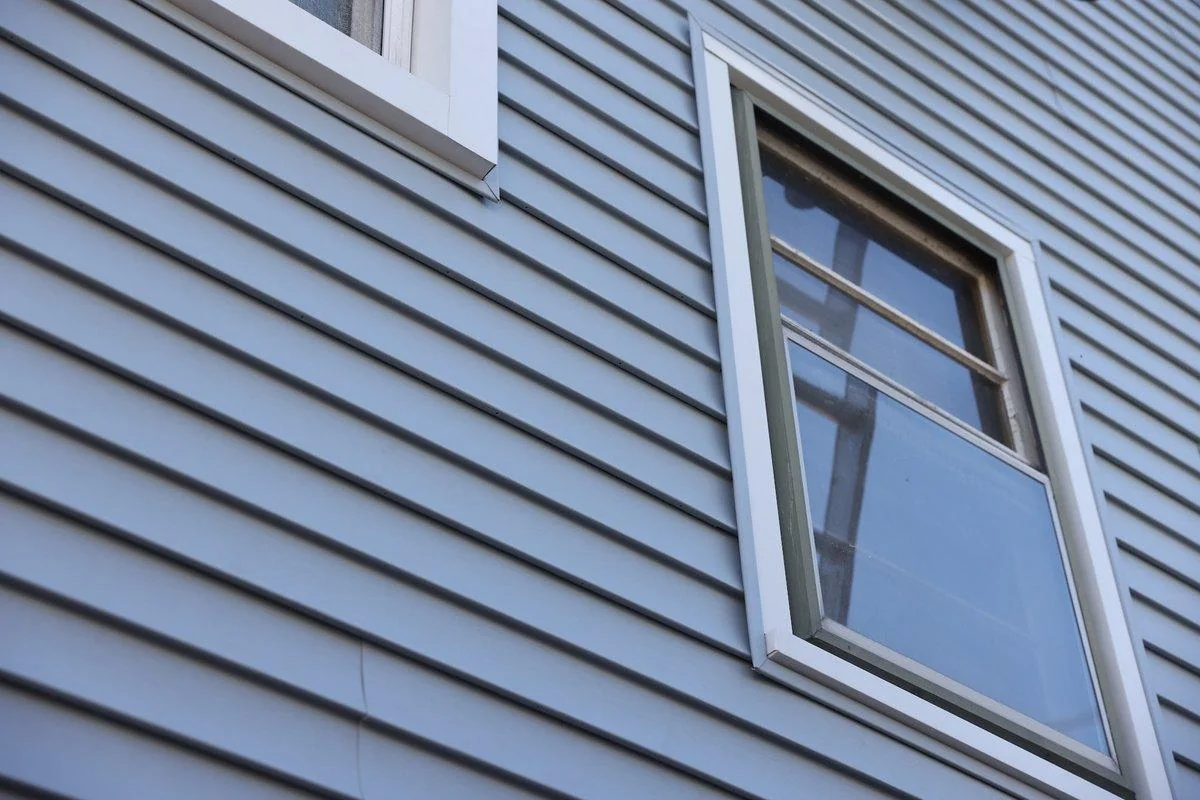
Because vinyl passes far less heat, your heating system runs less to keep the house warm. If your old aluminum windows are also single-pane, the energy-efficient window savings from replacing them with Energy Star certified ones come to $250 to $450 a year in a cold climate with gas heat.
Lower Installed Cost for a Full-House Replacement
In a cold climate, aluminum frames should have the insulating strip, and with it, they cost nearly as much as fiberglass without matching its insulation. That premium over vinyl repeats across a full-house window replacement of 10 to 20 windows, so vinyl comes out as the lower total.
What to Do If You Still Have the Original Frames
These signs usually mean original aluminum windows are losing heat:
- Condensation and frost form on the interior frame and glass during cold months.
- Cold drafts sit near the window even with the window closed and locked.
- High heating bills don’t respond much to thermostat changes.
- Mold or mildew grows around the frame where moisture collects.
Condensation that collects on the frame every winter can damage the drywall and wood framing around the window over time.
In a home with cold winters, replacing the aluminum frames addresses the frost and condensation at their source, the cold metal itself.
Installation quality still determines how much of that improvement you get. A well-rated vinyl window installed with gaps in the insulation or sealing around it can lose more heat than a basic window installed correctly.
Which Frame Is Right for Your Home?
Base the choice on your climate, your home’s style, and your budget.
Choose aluminum if:
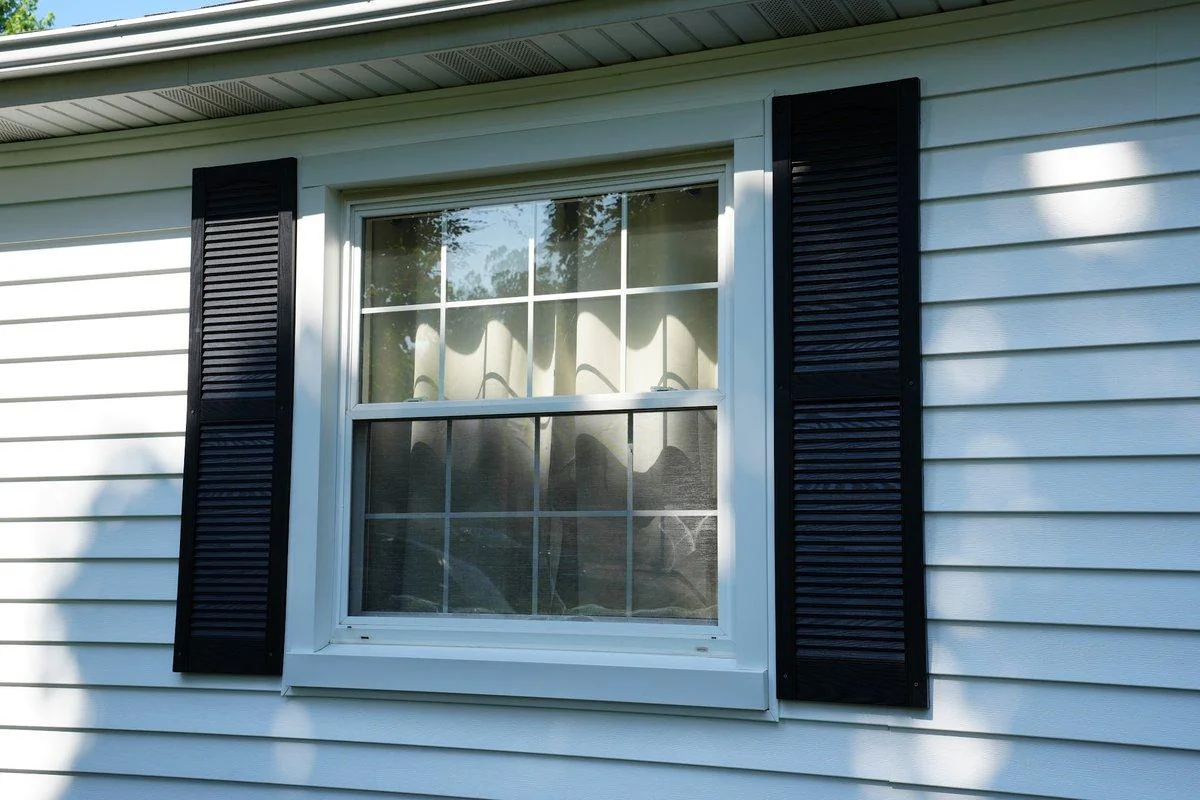
- You live in a warm or mild climate where the heat stays off most of the year.
- Your home’s design depends on slim frames and large glass panels.
Choose vinyl if:
- You live in a cold or mixed climate where condensation and heat loss are the main concerns.
- You want the lower total cost for a full-house replacement.
Get a Free Window Inspection
If your aluminum windows are fogging up, frosting over, or pushing your heating bills higher than they should be, a free inspection is the easiest way to find out why.
Home Genius Exteriors installs ProVia vinyl windows and provides free inspections. Their team evaluates your current windows, documents the condition of the frames and seals, and walks you through replacement window options suited to your home and your climate. Every installation is backed by the Genius Limited Lifetime Warranty on workmanship. Call today to schedule your free inspection.
Frequently Asked Questions
What is the disadvantage of aluminum windows?
Heat loss through the frame is the main one, along with the condensation that forms on the cold metal. Near the coast, salt air can also pit or discolor an aluminum frame that doesn’t have a high-quality finish.
Do they still make aluminum frame windows?
Yes. Aluminum windows are still made for homes, and most now include an insulating strip inside the frame to cut heat loss. Check the window’s energy rating label to see how well that model keeps heat in.
What are the different types of aluminum window frames?
Aluminum frames come with or without an insulating strip inside, and in two main finishes: a hardened surface layer, called anodizing, or a baked-on coating, called powder coating. Both finishes come in a range of colors.
What is the lifespan of aluminum windows?
Typical window lifespans are 20 to 30 years for aluminum and 20 to 40 years for vinyl. An older aluminum frame with no insulating strip can feel cold and drafty long before the metal wears out, so judge it by comfort and heating bills as much as age.
What can be done on aluminum windows to stop sweating?
The sweating is condensation, which forms when warm, humid indoor air meets a frame the outdoor cold has passed through. Humidity changes how much forms, but the metal keeps conducting cold, so it comes back with the next freeze. An inspection can show whether the frame or the humidity is the cause.
How can I insulate my aluminum window frames?
An aluminum frame can’t be insulated after it’s made, because the insulating strip between its inside and outside halves goes in at the factory. A replacement window, either vinyl or aluminum with the strip built in, is the lasting fix.
How much do thermally broken windows cost?
Aluminum frames with an insulating strip cost nearly as much as fiberglass, at $400 to $2,000 per window installed. Ask for a quote that prices the window with the strip and without it, so you can see what the upgrade adds.