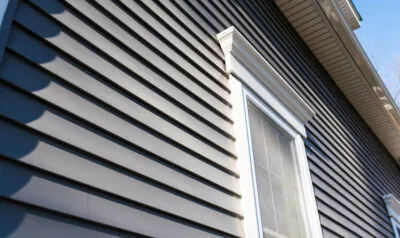
What Is The Best Siding For PA Homes?
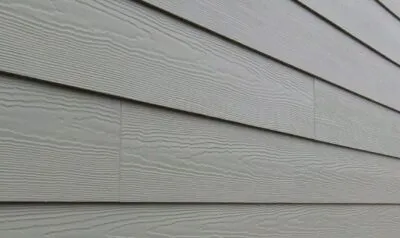
The best siding option for Pennsylvania homeowners is either fiber cement siding or vinyl siding.
From cold, snowy winters to humid summers, siding must be able to withstand extreme temperature fluctuations, moisture exposure, and other environmental factors.
The right siding not only enhances curb appeal but also contributes to energy efficiency and long-term home protection. Below, we explore the best siding options for homes in Pennsylvania, detailing their benefits, potential drawbacks, and factors to consider when making a decision.
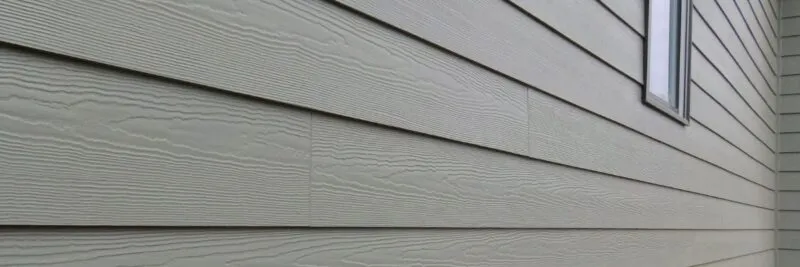
Fiber Cement Siding: The Premier Choice
Fiber cement siding is widely regarded as one of the best siding options for Pennsylvania homes due to its durability, versatility, and ability to withstand the state’s unpredictable climate.
Benefits of Fiber Cement Siding
Superior Weather Resistance: Pennsylvania’s climate brings harsh winters, heavy rain, and humid summers. Fiber cement siding resists extreme weather conditions, including temperature fluctuations, heavy snowfall, and high winds up to 130 mph.
Low Maintenance: Unlike wood siding, which requires frequent painting and staining, fiber cement siding only needs occasional cleaning to maintain its appearance.
Aesthetic Versatility: This siding type comes in a variety of textures and finishes, including styles that mimic wood, stucco, and stone, allowing homeowners to achieve a high-end look without the associated maintenance requirements.
Longevity: When properly installed and maintained, fiber cement siding can last between 30 to 50 years, making it a long-term investment.
Potential Drawbacks:
- Higher initial cost compared to vinyl siding.
- Heavier than other siding materials, requiring professional installation.
- May require occasional repainting to maintain appearance over decades.
Vinyl Siding: The Affordable and Versatile Option
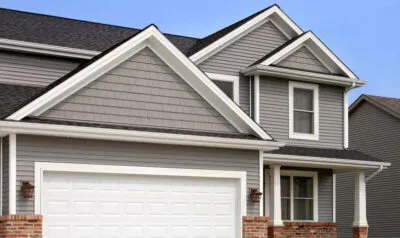
Vinyl siding is another popular choice among Pennsylvania homeowners due to its cost-effectiveness, variety of styles, and ease of maintenance.
Benefits of Vinyl Siding:
Affordability: Vinyl siding is one of the most budget-friendly siding options available, making it a great choice for homeowners looking for an economical yet durable exterior material.
Low Maintenance: Unlike wood siding, which requires regular staining or painting, vinyl siding only needs periodic washing to keep it looking new.
Moisture and Insect Resistance: Vinyl does not absorb water and is naturally resistant to mold, mildew, and insect infestations.
Aesthetic Appeal: Available in a wide range of colors, textures, and styles, including options that resemble wood grain.
Energy Efficiency: Insulated vinyl siding options help reduce heat loss in winter and keep homes cooler in summer, leading to lower energy bills.
Potential Drawbacks:
- Brittle in Cold Weather: Pennsylvania’s cold winters can cause vinyl siding to become brittle, increasing the risk of cracking or breaking upon impact.
- Potential for Warping: In high temperatures, poorly installed vinyl siding can warp over time.
Aluminum Siding: Durable and Fire-Resistant
Though not as commonly used as fiber cement or vinyl, aluminum siding remains a solid option for homeowners looking for durability and protection.
Benefits of Aluminum Siding:
Resistant to Rust and Corrosion: Unlike steel siding, aluminum is naturally resistant to rust and corrosion, making it ideal for homes in humid or coastal areas.
Fire Resistance: Aluminum siding is non-combustible, providing extra protection against fire hazards.
Lightweight and Easy to Install: Compared to fiber cement, aluminum siding is lighter and easier to install.
Recyclable and Eco-Friendly: Many aluminum siding products are made from recycled materials, making it an environmentally conscious choice.
Potential Drawbacks:
- Can be prone to denting if struck with heavy objects.
- May fade over time, requiring repainting or refinishing.
- Can be noisy during heavy rain or windstorms.
Wood Siding: Aesthetic Appeal with Higher Maintenance
Wood siding offers unmatched beauty and a classic, natural appearance, making it a favorite among homeowners who value aesthetics.
Benefits of Wood Siding:
Timeless Beauty: Wood siding provides a unique, natural look that can be customized with stains and paints.
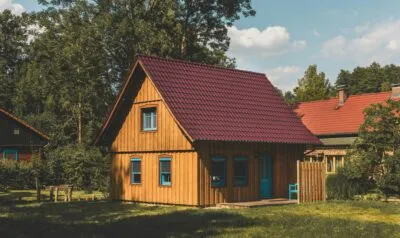
Variety of Styles: Available in cedar shakes, clapboard, and board-and-batten, wood siding offers versatility in design.
Sustainability: Sourced from renewable resources and biodegradable, wood siding is an eco-friendly option.
Potential Drawbacks:
- High Maintenance Requirements: Wood siding needs frequent staining, painting, and sealing to prevent rot, mold, and insect damage.
- Shorter Lifespan: Depending on maintenance levels, wood siding lasts 20 to 30 years, which is shorter than fiber cement or vinyl.
- Higher Costs: Wood siding is often more expensive upfront compared to other materials.
Factors to Consider When Choosing Siding for a Pennsylvania Home
Selecting the right siding material requires careful evaluation of several key factors.
Durability is crucial, as the siding must withstand Pennsylvania’s seasonal changes, including harsh winters and humid summers.
Maintenance needs should also be considered, as some materials, like wood, require frequent upkeep, while options like vinyl and fiber cement offer lower-maintenance solutions.
Another important factor is energy efficiency—choosing a well-insulated siding material can help reduce heating and cooling costs, making the home more energy-efficient. Aesthetic preferences play a role as well, since the siding should complement the home’s architectural style and enhance curb appeal.
Finally, budget constraints must be taken into account, including not only the initial cost of installation and materials but also long-term maintenance expenses.
By balancing these factors, homeowners can select siding that meets their needs in terms of durability, appearance, energy savings, and cost-effectiveness.
Conclusion: Finding the Best Siding for Your Home
Choosing the right siding for a Pennsylvania home involves balancing durability, cost, maintenance, and aesthetic appeal. Fiber cement siding stands out as the most durable and weather-resistant option, making it ideal for the state’s varying climate. Vinyl siding remains a popular and budget-friendly choice, while aluminum siding offers durability and fire resistance. Wood siding, though beautiful, requires more upkeep to maintain its longevity.
Ultimately, the best siding option depends on each homeowner’s specific needs, budget, and design preferences. By carefully considering the pros and cons of each siding type, homeowners can make an informed decision that enhances both the longevity and visual appeal of their home.
Working with an experienced siding contractor is essential to ensuring proper installation and maximizing the benefits of your chosen siding material. If your project also involves roof work, you may need a permit to replace your roof in Pennsylvania. At Home Genius Exteriors, our expert team provides top-quality siding solutions tailored to Pennsylvania’s climate and your unique home needs. Contact Home Genius Exteriors today for a free consultation and let us help you transform your home with durable, beautiful, and energy-efficient siding!
Frequently Asked Questions
How can siding influence a home's resale value in Pennsylvania?
High-quality siding materials like fiber cement and vinyl can enhance curb appeal and durability, which are attractive features for potential buyers, potentially increasing a home's resale value.
What are common installation challenges with fiber cement siding?
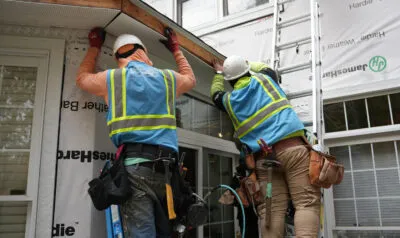
Fiber cement siding is heavy and requires skilled professionals for proper cutting and installation to avoid cracking and ensure weather-tight sealing.
Are there environmentally friendly siding options beyond aluminum and wood?
Yes, some manufacturers offer siding made from recycled composites or sustainably sourced materials that provide eco-friendly alternatives with good durability and aesthetics.
How does siding choice affect a home's insulation and energy efficiency?
Insulated siding options, especially vinyl with built-in foam, improve thermal performance, reducing heating and cooling costs by minimizing heat transfer through exterior walls.
What maintenance practices prolong the life of vinyl siding in harsh climates?
Regular washing to remove dirt and debris, prompt repairs of cracks or damage, and ensuring proper installation can help maintain vinyl siding's durability in extreme weather.
Can mixed siding materials be used effectively on a single house?
Using complementary siding materials can enhance architectural interest and performance, but careful planning and professional installation are needed to manage transitions and ensure weather resistance.
What are the warranty considerations when selecting siding materials?
Warranty coverage varies by material and manufacturer; fiber cement and vinyl often come with multi-decade warranties, but homeowners should review terms regarding maintenance responsibilities and coverage limits.