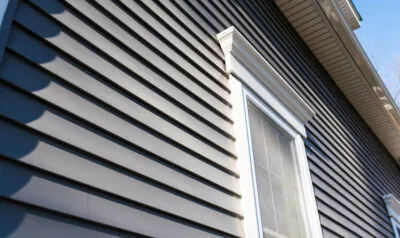
How Long Does Siding Last In Pittsburgh?
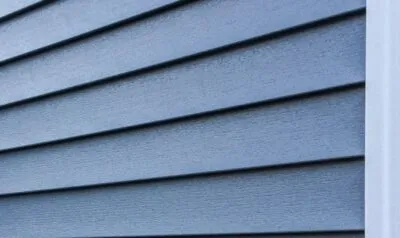
The lifespan of siding in Pittsburgh ranges from 20-50 years but varies based on the type of material used, as well as factors such as maintenance, climate, and installation quality.
Choosing the right siding for your home is a critical decision that impacts not only aesthetics but also energy efficiency and protection against the elements. In this article, we will explore common siding materials, their expected longevity, and ways to maximize their lifespan.
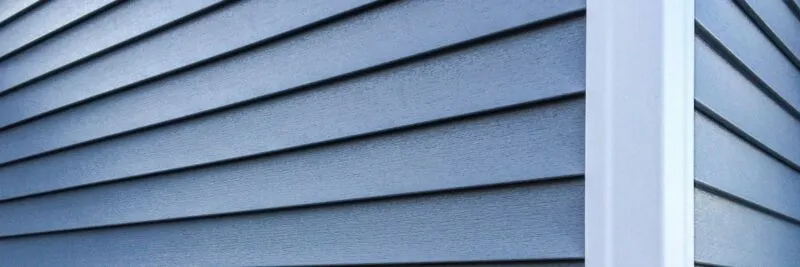
Lifespan of Common Siding Materials
Vinyl Siding
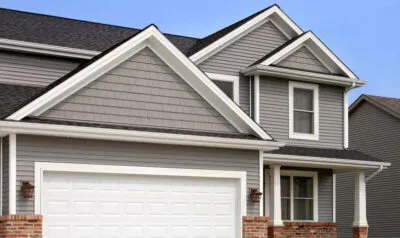
Vinyl siding is one of the most popular choices among homeowners due to its affordability and low maintenance requirements. Its lifespan typically falls within the range of 20 to 40 years, though under ideal conditions and with proper care, it can last up to 50 years.
Factors Affecting Vinyl Siding Longevity:
- Climate: Extreme temperature fluctuations and UV exposure can cause vinyl siding to become brittle over time.
- Maintenance: Regular cleaning to remove dirt and mold can prevent degradation.
- Installation Quality: Proper installation is key to avoiding warping or cracking due to expansion and contraction.
Fiber Cement Siding
Fiber cement siding is widely regarded for its durability and resistance to harsh weather conditions. It typically lasts between 30 to 50 years with the right care.
How to Extend Fiber Cement Siding’s Lifespan:
- Repainting: Fiber cement siding should be repainted every 10 to 15 years to maintain its durability and appearance.
- Regular Inspections: Checking for signs of cracks or water infiltration can prevent long-term damage.
- Proper Sealing: Ensuring caulking around seams and joints prevents moisture from seeping in.
Wood Siding
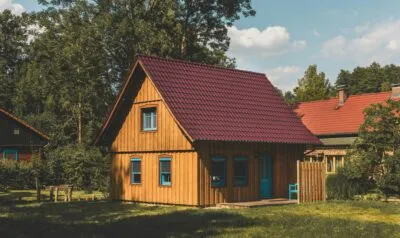
Wood siding offers a classic, timeless appearance but requires more maintenance compared to other materials. Its lifespan typically ranges from 20 to 40 years, depending on the type of wood used and the level of upkeep.
Key Maintenance Tips for Wood Siding:
- Regular Staining or Painting: Protects wood from moisture and UV damage.
- Pest Control Measures: Termites and other insects can damage wood siding, so treatments and inspections are necessary.
- Sealants and Waterproofing: Applying protective coatings can significantly prolong the siding’s lifespan.
Aluminum Siding
Aluminum siding was once a common choice for homeowners and can still be found on many homes. It has a lifespan of 20 to 40 years, depending on environmental conditions and maintenance.
Challenges and Benefits of Aluminum Siding:
- Rust Prevention: Regular inspections for dents and scratches can help prevent oxidation and corrosion.
- Repainting Needs: Aluminum siding may require repainting every 10 to 15 years to maintain its aesthetic appeal.
- Energy Efficiency: It reflects heat well, which can be beneficial in warmer months.
How Pittsburgh’s Climate Impacts Siding Longevity
Pittsburgh experiences a humid continental climate, which means homeowners must consider weather conditions when selecting and maintaining siding materials.
Temperature Fluctuations
Pittsburgh sees a mix of hot summers and cold winters, leading to expansion and contraction of siding materials. This is particularly important for vinyl and wood siding, as frequent temperature shifts can cause warping and cracking.
Humidity and Moisture Exposure
The city’s humidity levels and precipitation can contribute to:
- Mold and mildew growth on siding surfaces.
- Water infiltration causing rot in wood and fiber cement siding.
- Corrosion of aluminum siding if not properly maintained.
Snow and Ice Damage
Winter conditions can impact siding longevity due to:
- Ice buildup along siding edges, leading to potential water damage.
- Snow accumulation, particularly on improperly installed siding, increasing the risk of cracks and leaks.
Best Practices for Extending Siding Lifespan
Regardless of the siding material used, regular maintenance and preventative measures can extend its lifespan. Here are some tips to ensure siding longevity:
Regular Cleaning
- Vinyl and Aluminum Siding: Use a soft-bristle brush and mild detergent to remove dirt, mold, and mildew.
- Wood Siding: Avoid power washing, as excessive pressure can strip protective coatings.
- Fiber Cement Siding: Clean with a hose and non-abrasive cleaner to remove debris and prevent buildup.
Routine Inspections
Regular inspections are essential for maintaining the integrity and longevity of your siding. Homeowners should check for cracks, warping, and loose panels at least twice a year to identify any potential issues early.
It’s also important to look for signs of insect infestations, particularly for wood siding, as pests can cause significant damage if left untreated. Additionally, inspecting the caulking and sealants around joints and seams helps prevent moisture infiltration, which can lead to mold, rot, and structural issues.
By conducting routine inspections, homeowners can address minor problems before they escalate, ensuring their siding remains durable and effective in protecting their home.
Prompt Repairs
- Replace damaged or missing panels immediately to prevent moisture infiltration.
- Repair small cracks in fiber cement siding before they expand.
- Treat wood siding for rot or pest damage as soon as it is detected.
Proper Installation
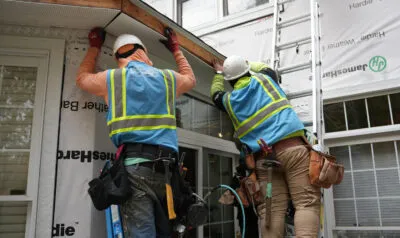
Ensuring that siding is installed correctly is one of the most crucial factors in maximizing its lifespan. Poor installation can lead to gaps, uneven surfaces, and vulnerability to weather damage. Always work with a reputable contractor to ensure high-quality siding installation.
Choosing the Best Siding for Your Pittsburgh Home
When selecting siding, homeowners should consider several key factors to ensure they make the best choice for their home.
Durability is crucial, with fiber cement and vinyl siding generally outlasting wood.
Maintenance requirements also play a role, as vinyl siding requires minimal upkeep, while wood siding demands regular care to maintain its appearance and integrity.
Climate compatibility is another important factor, especially in Pittsburgh’s fluctuating weather conditions, making it essential to choose a material that can withstand temperature changes, humidity, and precipitation.
Additionally, aesthetic preferences should be taken into account to ensure the siding complements the home’s architectural style.
Lastly, energy efficiency is a consideration, as some siding materials provide better insulation than others, helping to reduce energy costs over time. By weighing these factors, homeowners can select siding that balances longevity, appearance, and performance.
Frequently Asked Questions
What are some eco-friendly siding options suitable for Pittsburgh homes?
Siding materials like fiber cement and certain types of engineered wood are considered more eco-friendly due to their durability and lower environmental impact. Sustainable options often include recycled content and have longer lifespans, reducing waste over time.
How does siding color affect the energy efficiency of a home?
Lighter-colored siding reflects more sunlight, helping to keep homes cooler during warmer months, while darker colors absorb heat, which may increase cooling costs. Choosing the right color can contribute to overall energy savings depending on your local climate.
Can siding damage impact the structural integrity of a home?
Yes, damaged siding can allow moisture to penetrate the exterior walls, leading to rot, mold, and potential structural damage if left unaddressed. Prompt repairs and regular maintenance help prevent these issues.
What are the cost differences between various siding materials over their lifespan?
While vinyl siding is generally more affordable upfront, materials like fiber cement may have higher initial costs but offer better durability and lower long-term maintenance expenses, potentially providing more value over time.
Are there specific maintenance practices recommended during Pittsburgh's winter months?
During winter, it's important to remove snow buildup gently and inspect siding for ice dam formation to prevent water infiltration. Ensuring proper sealing before winter helps protect siding from freeze-thaw damage.
How can homeowners identify signs of poor siding installation?
Common indicators include uneven panels, visible gaps, nail pops, and water stains on interior walls. If any of these signs are present, it's advisable to have a professional evaluate the siding to prevent further damage.
What role does siding play in improving a home's resale value?
High-quality, well-maintained siding enhances curb appeal and protects the home, both of which are attractive to buyers. Durable and energy-efficient siding can increase marketability and potentially lead to higher resale prices.
Conclusion
The lifespan of siding in Pittsburgh depends on material choice, climate impact, and maintenance efforts. Vinyl siding lasts 20 to 40 years, fiber cement siding can endure 30 to 50 years, wood siding lasts around 20 to 30 years, and aluminum siding has a lifespan of 20 to 40 years. Given the city’s fluctuating climate conditions, homeowners should prioritize proper maintenance, routine inspections, and professional installation to maximize siding longevity.
By understanding these factors and taking proactive steps, homeowners can ensure that their siding remains both functional and visually appealing for decades to come. If you’re considering siding replacement or need expert guidance on maintenance, consulting with a trusted local siding contractor is the best way to ensure lasting results.
Home Genius Exteriors offers expert siding installation and maintenance services tailored to Pittsburgh’s unique climate. If a roof project is part of the same plan, it helps to know whether you need a permit to replace it too.
Contact Home Genius Exteriors today for a free consultation and ensure your home stays protected and beautiful for years to come!