Best Roofing for Coastal Homes: A Complete Guide
We’ll cut to the chase: the best roofing for coastal homes is metal roofing – specifically aluminum, zinc, or galvanized steel. Why? Because it offers unmatched resistance to salt corrosion, high winds, and UV exposure while requiring minimal maintenance. In coastal environments, such as North Carolina, Virginia or Maryland, harsh weather and salty air can quickly deteriorate standard roofing materials, selecting a durable and weather-resistant option is critical to protecting your home and ensuring long-term value. But if metal’s not your style don’t worry; you’ve got options. This article compares the top roofing choices for beachside properties – including metal, clay and concrete tiles, slate, asphalt shingles, and synthetic materials – to help homeowners make an informed decision based on performance, cost, and architectural compatibility.
Metal Roofing: Best Overall for Coastal Homes
Why It Works
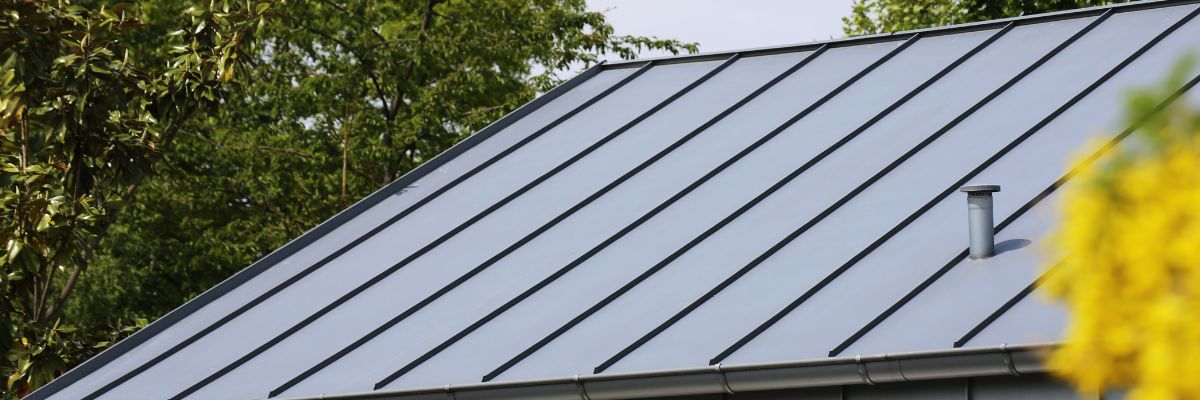
Metal roofing is the top choice for coastal homes, particularly when made from aluminum, zinc, or galvanized steel. These metals resist rust and corrosion better than other materials and can withstand high winds with proper fastening systems.
Benefits
- Salt Resistance: Aluminum and zinc are non-ferrous metals, meaning they don’t rust. Galvanized steel, when properly coated, also performs well near the ocean.
- Wind Resistance: Standing seam metal roofs are among the most wind – resistant systems on the market, often rated for wind speeds over 140 mph.
- Energy Efficiency: Metal reflects sunlight, reducing roof surface temperature and helping to keep homes cooler in hot, humid climates.
- Longevity: Most metal roofs last between 40 and 70 years, with some systems exceeding that when well maintained.
- Low Maintenance: Requires occasional inspections and minimal cleaning.
Drawbacks
- Cost: Metal roofing is more expensive than asphalt shingles upfront but offers better long – term value.
- Noise: Can be noisy during rainstorms without adequate insulation.
Best For
Homeowners seeking long-term durability, energy savings, and maximum protection from salt and wind.
Clay and Concrete Tiles: Best for Traditional Coastal Aesthetics
Why They Work
Clay and concrete tiles have been used in coastal regions around the world for centuries. Their dense structure makes them naturally resistant to salt, fire, and UV damage.
Benefits
- Extreme Durability: Lifespans up to 100 years or more.
- Resistant to Moisture and Salt: Non-metallic composition resists corrosion.
- Wind and Fire Resistance: Heavy weight provides excellent resistance against high winds and flying debris.
- Timeless Appeal: Mediterranean and Spanish Colonial styles complement many coastal settings.
Drawbacks
- Weight: Requires reinforced roof framing to support the heavy load.
- Cost: Expensive to purchase and install.
- Maintenance: Tiles can crack or break from impact and may need occasional replacement.
Best For
Homes with strong structural support looking for traditional curb appeal and extremely long-lasting protection.
Slate Roofing: Best for Luxury and Lifespan
Why It Works
Slate is a premium roofing material prized for its beauty and near-indestructibility. It performs exceptionally well in harsh coastal climates.
Benefits
- 100+ Year Lifespan: Few materials match slate’s durability.
- Resistant to Salt and Wind: Naturally non-porous and heavy, slate resists even the harshest coastal storms.
- Fireproof: Offers unparalleled protection from fire hazards.
- Visual Appeal: Adds a sense of heritage and timelessness to high-end properties.
Drawbacks
- Weight: Heavier than even clay tiles; not all homes can support it.
- Installation Cost: Very expensive to install and repair.
- Fragility: While durable, slate tiles can crack if walked on or improperly handled.
Best For
Premium coastal homes where cost is less of a concern and long-term performance is prioritized.
Asphalt Shingles (High-Wind Rated): Best Budget-Friendly Option
Why They Work
While standard asphalt shingles are not ideal for coastal areas, impact – resistant and wind – rated asphalt shingles can be a practical solution for homeowners on a budget.
Benefits
- Affordable: One of the least expensive roofing options.
- Improved Durability: Many premium shingles are now rated for wind speeds up to 130 mph.
- UV Resistance: Modern formulations resist fading and sun degradation.
- Easy Installation and Replacement: Widely available and contractor-friendly.
Drawbacks
- Shorter Lifespan: Typically lasts 20–30 years, much shorter than metal or tile.
- Not All Products Are Equal: Only specific lines of shingles are engineered for coastal performance.
- Moderate Maintenance: May require moss or algae treatment in humid environments.
Best For
Coastal homeowners looking for an economical roofing solution with good storm resistance and easier installation.
Synthetic Roofing Materials: Best for Lightweight Versatility
Why They Work
Synthetic roofing systems – often made from polymer blends – are engineered to mimic natural materials like slate, tile, or wood shake while offering enhanced performance.
Benefits
- Lightweight: Easier to install and less strain on roof framing.
- Salt and Moisture Resistant: Engineered to resist corrosion and water damage.
- Wind and UV Protection: Many synthetic shingles meet or exceed storm standards.
- Long Lifespan: Typically 30–50+ years.
- Design Flexibility: Available in a wide range of profiles and colors.
Drawbacks
- Newer Material: Long-term performance data is still developing for some products.
- Moderate Cost: Typically more expensive than asphalt but less than slate or tile.
Best For
Homeowners who want the appearance of premium materials without the weight or high cost, and who need good resistance to wind, salt, and UV exposure.
Coastal Roofing Comparison Table
| Roofing Material | Salt Resistance | Wind Resistance | Durability | Maintenance | Cost |
|---|---|---|---|---|---|
| Metal (Aluminum, Zinc) | Excellent | Excellent | 40–70+ years | Low | Moderate |
| Clay/Concrete Tiles | Excellent | Excellent | Up to 100 years | Moderate | High |
| Slate | Excellent | Excellent | 100+ years | Low | Very High |
| Asphalt Shingles (Rated) | Good | Good–Excellent | 20–30 years | Moderate | Low–Moderate |
| Synthetic Roofing | Excellent | Excellent | 30–50+ years | Low | Moderate |
Final Recommendation: Consult a Coastal Roofing Specialist
Choosing the best roofing for your coastal home means weighing performance, cost, style, and structural requirements. Here’s a quick recap of the best use cases:
- Best Overall: Metal roofing for durability, longevity, and low maintenance.
- Best Aesthetic Appeal: Clay or concrete tiles for timeless Mediterranean style and storm resistance.
- Best Premium Option: Slate for unmatched longevity and luxury appearance.
- Best Budget Choice: Wind-rated asphalt shingles that offer solid protection for less.
- Best Lightweight Option: Synthetic materials for versatility and moderate pricing.
Partner with a Coastal Roofing Expert
The performance of your roof depends just as much on proper installation as it does on the material. That’s why it’s essential to work with a professional roofing contractor who understands the demands of coastal environments.
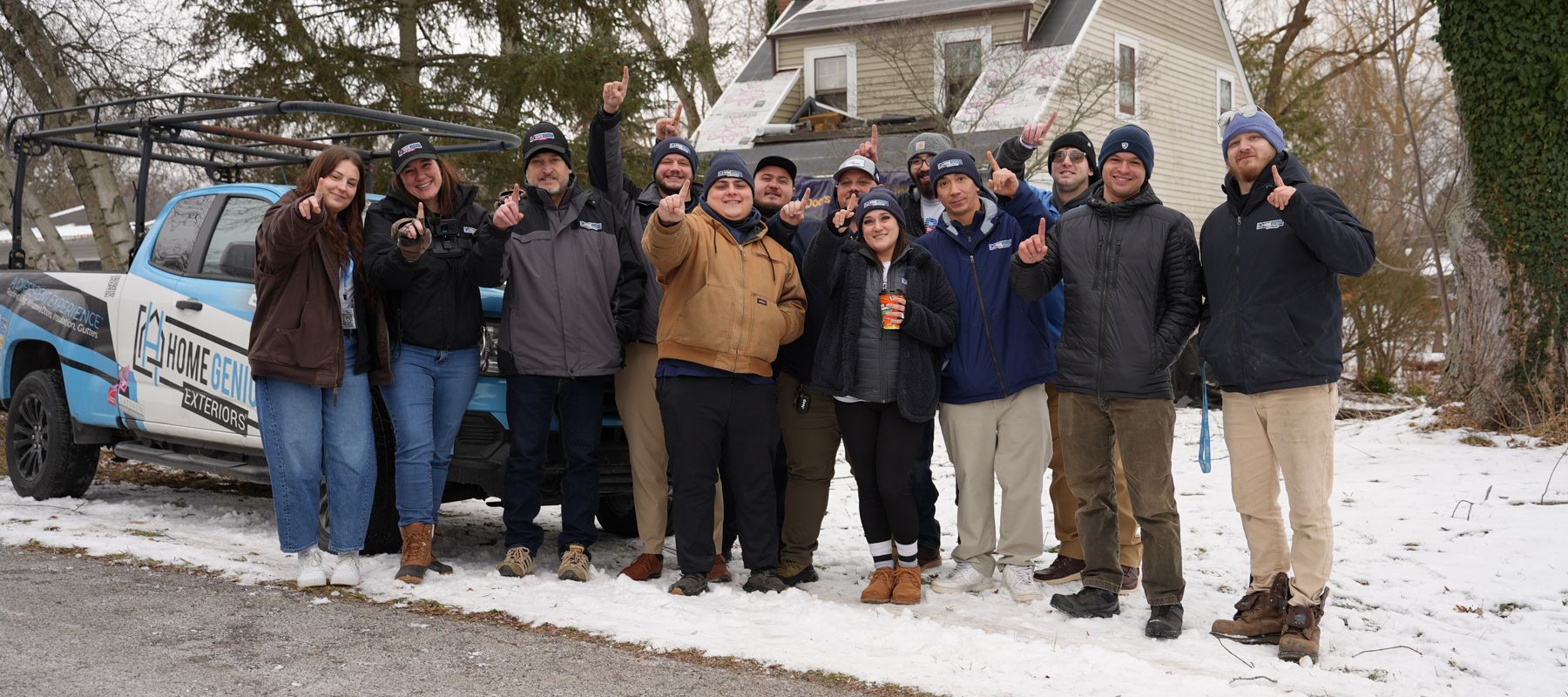
Looking for expert guidance and flawless installation? Contact Home Genius Exteriors – a trusted leader in roofing solutions for coastal homes. Our team will help you select the best material for your needs and ensure it’s installed to the highest standards for lasting protection and peace of mind. Schedule your consultation today and invest in a roof built to weather any storm.
Frequently Asked Questions
How does proper roof ventilation impact the performance of coastal roofing materials?
Proper roof ventilation helps regulate temperature and moisture levels in the attic, preventing damage like mold or warping, and extending the lifespan of roofing materials especially in humid coastal climates.
What are some key considerations when selecting a roofing contractor for a coastal home?
Look for contractors with specific experience in coastal roofing, knowledge of local building codes, strong warranties, and expertise in installing wind- and corrosion-resistant materials.
How do insurance policies typically treat different roofing materials in coastal areas?
Insurance rates often vary based on the durability and wind resistance of roofing materials, with metal and tile roofs generally receiving better coverage terms and lower premiums than asphalt shingles.
What role does roof color play in enhancing energy efficiency for coastal homes?
Lighter roof colors reflect more sunlight, reducing heat absorption and cooling costs, which is particularly beneficial in hot coastal environments.
Can roofing materials affect indoor air quality in coastal homes?
Yes, certain materials with better moisture resistance and proper installation prevent mold growth and air infiltration, contributing to healthier indoor air quality.
What maintenance practices are recommended to extend the life of synthetic roofing materials in salty coastal conditions?
Regularly remove debris, inspect for damage after storms, and clean off salt deposits to prevent accelerated wear and maintain their protective coatings.
Are there environmental benefits to choosing metal roofing for coastal homes?
Metal roofing is recyclable at the end of its lifespan and often contains recycled content, making it a more sustainable option compared to traditional asphalt shingles.