How Long Does A Roof Last In Ohio?
The average roof in Ohio will last between 15 and 50 years. However, the lifespan of your roof depends greatly on the type of material used, with metal and slate roofs lasting between 50 to 100+ years.
Keep reading to understand your Ohio roof’s lifespan.
Breakdown of Roofing Material Lifespan
| Roofing Material | Average Lifespan (Years) | Key Features |
| Asphalt Shingles | 15–30 | Most common and affordable, susceptible to weather-related wear and tear. |
| Metal Roofing | 40–70 | Durable, resistant to snow and wind, low maintenance. |
| Slate Tiles | 75–100+ | Premium material, highly durable, can last over a century with proper care. |
| Wood Shingles/Shakes | 20–30 | Natural look, requires regular maintenance to prevent mold and rot. |
| Clay Tiles | 50+ | Durable, resistant to fire and weather, prone to breakage during installation. |
Asphalt Shingles: 15–30 Years
Asphalt shingles are the most common and affordable roofing material used in Ohio with a lifespan of 15-30 years. They are popular due to their cost-effectiveness and ease of installation. Our roofing contractors in Ohio can help you decide whether asphalt fits your home. However, their lifespan can be on the shorter end of the spectrum, primarily due to Ohio’s extreme weather conditions. Factors like heavy snowfall, strong winds, and drastic temperature changes can lead to faster wear and tear.
Proper maintenance and high-quality shingles can extend their lifespan closer to the 30-year mark. Regular inspections for damaged or missing shingles after storms are crucial to prevent leaks and further damage.
Metal Roofing: 40–70 Years
Metal roofing has become increasingly popular due to its durability and resistance to Ohio’s harsh weather, with a lifespan of 40-70 years. Whether it’s standing-seam panels or metal shingles, this material can withstand heavy snowfall, strong winds, and even hail. Metal roofs are also fire-resistant, which adds to their appeal.
While the upfront cost is higher than asphalt shingles, the long lifespan and minimal maintenance requirements make metal roofing a cost-effective option over time. Regularly cleaning debris and ensuring screws and panels are secure can help maximize their longevity.
Slate Tiles: 75–100+ Years
Slate tiles are a premium roofing material known for their exceptional durability and natural beauty. In Ohio, a slate roof can easily last over a century with proper care. The material is highly resistant to water, fire, and extreme weather conditions, making it an excellent choice for long-term investment.
However, slate roofs require professional installation due to their weight and fragility during handling. Routine inspections to check for cracked or loose tiles can help maintain their integrity over decades.
Wood Shingles/Shakes: 20–30 Years
Wood shingles or shakes offer a natural and rustic look, which appeals to many homeowners. However, they require more maintenance than other materials to prevent issues like mold, rot, and insect damage. Ohio’s humid summers and snowy winters can exacerbate these problems, potentially shortening the roof’s lifespan.
Applying protective treatments and ensuring proper ventilation can mitigate these risks. Regular cleaning to remove debris and moss buildup is essential for prolonging the life of wood roofs.
Clay Tiles: 50+ Years
Clay tiles are known for their durability and resistance to fire and extreme weather. They are less common in Ohio due to their higher cost and fragility during installation. While clay tiles can easily last 50 years or more, their weight requires a strong roof structure for support.
Routine maintenance to replace any broken tiles and clean debris will help maintain their longevity. Despite their durability, homeowners should be mindful of potential issues during installation or handling.
Factors Affecting Roof Longevity In Ohio
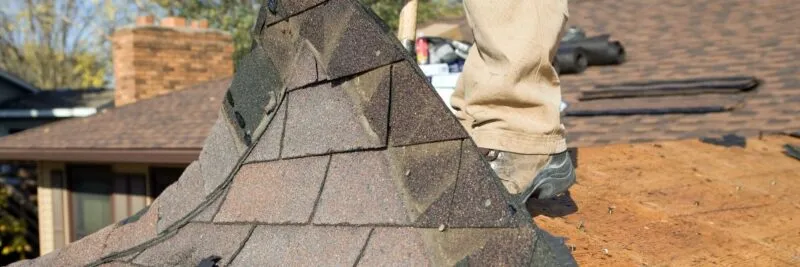
Ohio’s unique climate and environmental conditions play a significant role in determining how long a roof will last. Beyond the type of material used, several factors can impact the lifespan of a roof.
Weather Conditions
Ohio’s diverse climate, with extreme temperature variations, heavy snowfall, and freeze-thaw cycles, takes a significant toll on roofs. Materials expand and contract due to these temperature fluctuations, leading to cracks, leaks, and structural strain. Ensuring the roof is built to withstand these conditions is crucial for long-term durability.
Installation Quality
No matter how durable the material, improper installation can dramatically shorten a roof’s lifespan. Proper alignment, sealing, and underlayment are essential to handle Ohio’s challenging weather. Hiring experienced, licensed contractors ensures the roof is installed to meet performance standards.
At Home Genius, we specialize in expert roof installation tailored to Ohio’s unique climate. Our team of licensed professionals ensures every roof is installed with precision and care, maximizing its lifespan and protecting your home for years to come. Contact Home Genius today for a consultation and see how we can help you achieve a durable, worry-free roof!
Maintenance
Regular maintenance is critical for prolonging a roof’s life. Clearing debris, addressing small damages early, and scheduling inspections can prevent costly issues. Without proper upkeep, even the best-installed roofs may degrade prematurely.
Focusing on these factors helps maximize the performance and longevity of any roofing material.
Tips To Extend Your Roof Lifespan
- Conduct Regular Inspections: Schedule inspections at least once a year and after severe weather events to identify and address issues early.
- Clean Gutters: Clogged gutters can cause water to back up onto the roof, leading to leaks and damage.
- Trim Overhanging Branches: Trees near your home can drop branches and debris onto the roof, causing damage over time.
- Repair Damage Promptly: Small issues like cracked shingles or loose tiles should be fixed immediately to prevent more extensive damage.
- Invest in Quality Materials: While premium materials may cost more upfront, their longevity and resilience can save money in the long run.
Frequently Asked Questions
How does Ohio's freeze-thaw cycle specifically impact different roofing materials?
The freeze-thaw cycle causes materials to expand and contract, which can lead to cracks and seals failing, especially in porous materials like asphalt and wood. Metal and slate are generally more resilient to this stress but still require proper installation to prevent damage.
What are the environmental benefits of choosing metal roofing in Ohio?
Metal roofing is often made from recycled materials and is fully recyclable at the end of its lifespan. It also reflects solar heat, which can lower cooling costs and reduce energy consumption in warmer months.
Are there specific maintenance practices recommended for clay tile roofs unique to Ohio’s climate?
Clay tiles require careful cleaning to avoid breakage and should have their installation checked regularly due to Ohio's heavy snow and freezing conditions. Additionally, inspecting for cracked tiles after winter helps prevent water intrusion.
How can homeowners verify the quality of roof installation contractors in Ohio?
Homeowners should look for licensed and experienced contractors with strong local references, proper insurance, and proven knowledge of installing roofs designed to withstand Ohio's climate challenges.
What innovations in roofing materials might offer longer-lasting options suitable for Ohio homes?
Recent advances include synthetic slate and composite materials that mimic traditional roofing styles but offer enhanced durability, lighter weight, and resistance to weathering, making them promising alternatives.
How does attic ventilation affect roof lifespan in Ohio’s climate?
Proper attic ventilation helps regulate temperature and moisture levels, reducing the risk of ice dams in winter and heat-related damage in summer, thereby extending the roof’s overall life.
What role does gutter maintenance play in protecting a roof during Ohio’s seasonal changes?
Well-maintained gutters prevent water overflow that can lead to roof edge damage, ice dams, and leaks, especially during heavy rainfall or snowmelt common in Ohio’s varied seasons.
Conclusion
The lifespan of a roof in Ohio varies greatly depending on the materials used, quality of installation, and ongoing maintenance efforts. While materials like asphalt shingles may last 15–30 years, premium options such as metal roofing or slate tiles can provide durability for up to a century. However, even the most durable materials can underperform without proper care, especially in Ohio’s challenging climate characterized by extreme temperatures, heavy snowfall, and freeze-thaw cycles.
At Home Genius, we’re committed to providing expert roofing solutions tailored to your home’s unique needs. Whether you’re installing a new roof or maintaining an existing one, our team of licensed professionals ensures precision, quality, and durability.
Don’t leave the health of your roof to chance—contact Home Genius today for a consultation and discover how we can help you achieve a long-lasting, worry-free roof!