What Are Architectural Shingles? Everything You Need To Know
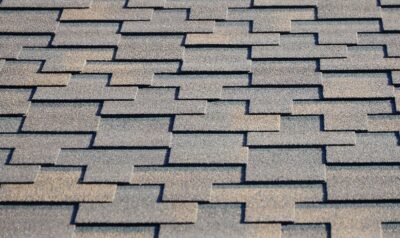
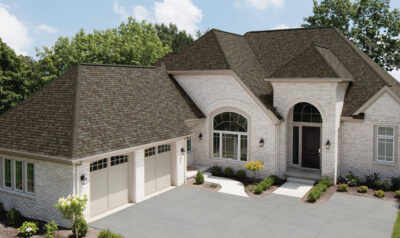
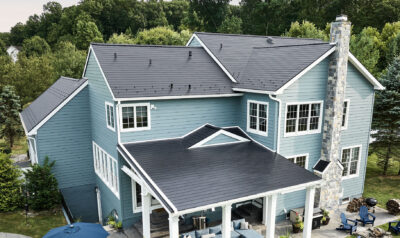
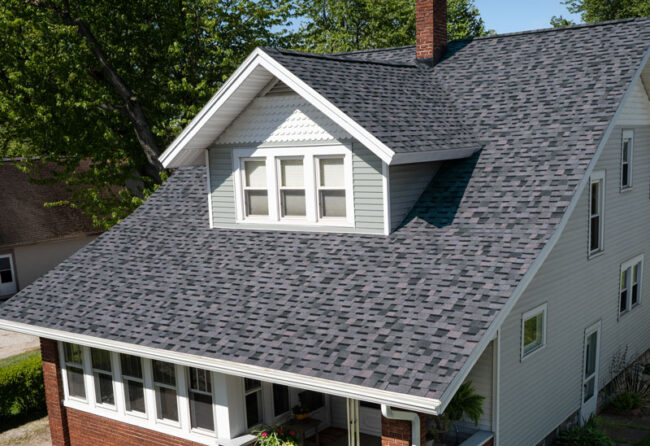
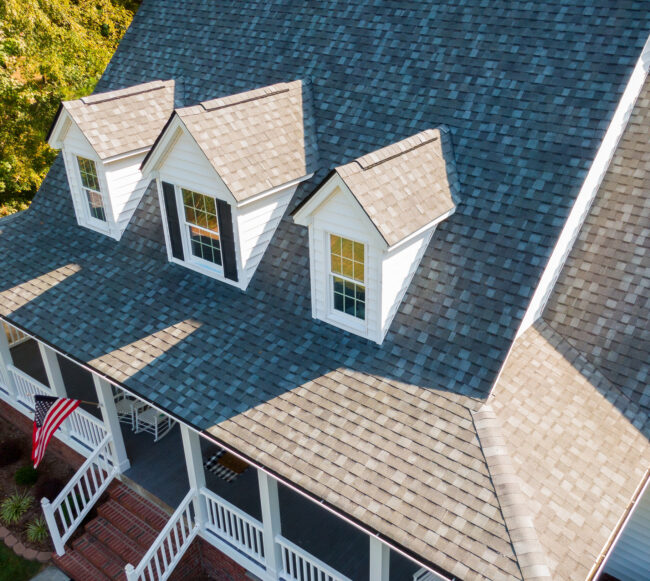
Architectural shingles are a premium type of asphalt roofing material designed to mimic the texture and depth of natural materials like cedar shakes or slate. Also known as dimensional shingles or laminate shingles, architectural shingles are made by bonding together two or more layers of asphalt-coated fiberglass. This multi-layer design creates a thick, three-dimensional profile with varied tab shapes, shadow lines, and granule depths that gives the roof visual depth rather than the flat, uniform look of traditional 3-tab shingles.
Many architectural shingles carry warranties of 30 years or more, with premium lines extending to 50 years or lifetime coverage. Their heavy fiberglass base, combined with embedded ceramic-coated mineral granules, helps resist water infiltration, wind uplift, and harsh weather including snow, ice, and hail. Architectural shingles now account for the vast majority of residential roof replacements in the U.S., replacing 3-tab as the standard choice for homeowners seeking a balance of performance, longevity, and curb appeal.
Why Choose Architectural Shingles?
The purpose of architectural shingles is to provide a durable, visually appealing, and long-lasting roofing solution that enhances both protection and curb appeal. Unlike standard 3-tab shingles, architectural shingles are built with multiple asphalt layers for added strength, thickness, and weather resistance. Their dimensional design also mimics the look of premium materials, giving homeowners a high-end aesthetic without the cost or structural demands of the real thing. Overall, they combine performance, longevity, and beauty, making them the most popular choice for modern residential roofing.
What Are Architectural Shingles Made Of?
Architectural shingles are built from three primary components bonded together:
- Fiberglass mat base: A woven fiberglass mat forms the structural core. It provides tensile strength and dimensional stability, helping the shingle resist tearing, warping, and impact damage.
- Asphalt layers: The mat is saturated and coated with asphalt on both sides. The asphalt is the agent that keeps water from penetrating the roof deck. Higher-quality shingles use more asphalt, which is why premium products are heavier and more durable than budget-grade options.
- Ceramic-coated mineral granules: The exposed surface is embedded with ceramic-coated granules that protect the asphalt from UV degradation, provide fire resistance, give the shingle its color, and contribute to the textured, dimensional appearance. Granule type also determines whether a shingle carries algae-resistance or cool roof properties.
What makes architectural shingles visually distinct is the lamination process: a second layer of material is bonded to the base shingle with varied tab cutouts. This creates a multi-dimensional look from raised, shadowed profiles with different granule colors and depths across the surface.
How Are Architectural Shingles Different From 3-Tab Shingles?
Architectural shingles differ from 3-tab shingles in both construction and performance. Standard 3-tab shingles are made from a single layer of asphalt, giving them a flat, uniform look and a lifespan of only 15–25 years. Architectural shingles use multiple laminated layers that create a thicker, dimensional profile with significantly better wind resistance and impact performance, and last over a decade longer.
Shingle manufacturers have also started phasing out their 3-tab lines as architectural shingles become more popular, so choosing to replace your roof with 3-tab shingles now could leave you unable to find a color or product match down the road during a roof repair project.
| Feature | 3-Tab Shingles | Architectural Shingles |
|---|---|---|
| Construction | Single layer of asphalt | Two or more laminated layers |
| Appearance | Flat, uniform, three equal tabs | Dimensional, textured, varied tab sizes and shadow lines |
| Lifespan | 15–25 years | 25–35 years (up to 50 for premium products) |
| Wind resistance | 60–70 mph | Up to 130 mph (with SureNail® technology) |
| Impact resistance | Class 1–2 typically | Class 3–4 available (Duration STORM®/FLEX®) |
| Weight | ~240 lbs per square | ~350+ lbs per square |
| Cost (installed) | ~$3–$5/sq ft | ~$5–$9/sq ft (premium up to $14+) |
| Warranty | 20–25 years typical | 30–50 years; lifetime on premium lines |
| Insurance discount | Standard rate | Potential 10–30% with Class 4 rating |
| Home value impact | Moderate | Higher (signals quality construction to buyers) |
Cost ranges are national averages for fully installed roofing. Actual pricing varies by region, roof complexity, and contractor. Insurance discount eligibility varies by carrier and state — see insurance section below.
How Do Architectural Shingles Compare to Luxury/Designer Shingles?
Architectural shingles sit in the middle of the asphalt shingle range. They’re better quality than 3-tab shingles, but aren’t as high end as luxury/designer shingles.
Luxury shingles use the same laminated construction but with heavier profiles engineered to more closely replicate natural slate or cedar shake. They typically all carry Class 4 impact ratings and command a higher price. If you’re comparing Owens Corning’s standard Duration line to Duration STORM® or Duration FLEX®, the latter start to cross into luxury territory in terms of performance.
For most homeowners, standard architectural shingles offer the best balance of cost and durability, but in hail-prone markets or premium builds, the step up is worth considering.
How Long Do Architectural Shingles Last?
Architectural shingles, often marketed as “30-year shingles,” typically last between 22 and 30 years under real-world conditions. With proper installation, adequate attic ventilation and regular maintenance, most homeowners can expect to reach about 80–85% of the rated lifespan (usually 22–28 years).
In optimal conditions, especially when using high-quality products like Owens Corning Duration shingles, roofs may last 25–35 years.
Several factors affect actual lifespan:
- Installation quality
- Ventilation
- Climate
- Maintenance practices
Premium shingles with impact resistance and algae protection tend to cover roofs that last the longest.
How Much Do Architectural Shingles Cost?
Architectural shingles usually cost between $5 and $9 per square foot installed for standard products, with premium and impact-resistant lines ranging from $9 to $14 or more.
For a typical 2,000 square foot home, total installed cost generally falls between $10,000 and $20,000 depending on roof complexity, local labor rates, and product tier. These prices include tear-off, underlayment and installation, not materials alone.
Key factors that affect the cost of an architectural shingle roof:
- Material grade: Standard architectural shingles cost less than impact-resistant or designer lines. The step up to Class 4 impact-rated products adds roughly $1–$3 per square foot but may be offset by insurance savings over time.
- Roof complexity: More valleys, dormers, hips, and penetrations mean more labor and material waste, increasing cost.
- Tear-off: Removing existing shingles adds cost but is standard practice. It allows inspection of the deck and avoids the weight and hidden moisture risks of layering new shingles over old.
- Region and contractor: Labor costs vary significantly by market. Certified contractors with proven track records command different rates than budget operators.
While architectural shingles cost more upfront than 3-tab shingles, their longer lifespan often makes the cost-per-year comparable or lower. A 3-tab roof replaced twice over 40 years costs more in aggregate than one architectural roof at the 30-year mark.
What Roof Pitch Do Architectural Shingles Require?
The minimum roof pitch for asphalt shingles (including architectural shingles) is 2:12 per the International Residential Code. A 2:12 pitch means the roof rises 2 inches for every 12 inches of horizontal run. Most manufacturers recommend a minimum of 4:12 for standard installation without additional precautions.
Architectural shingles can be installed on pitches between 2:12 and 4:12, but require a double layer of underlayment and specific techniques to compensate for slower water drainage. Below 2:12, asphalt shingles are not appropriate regardless of grade. That low of a pitch requires a flat roofing membrane system such as EPDM, TPO, or modified bitumen.
If your home has any low-slope sections, your contractor should check the pitch before choosing architectural shingles. Installing below manufacturer requirements will also void the product warranty.
Can Architectural Shingles Lower Your Homeowners Insurance Premium?
Class 4 impact-resistant architectural shingles can qualify homeowners for insurance discounts. This is one of the most untapped financial benefits of upgrading to a premium shingle, and it’s especially relevant in storm-prone regions.
How it works:
- Class 4 shingles are rated under UL 2218, the industry standard for impact resistance. Class 4 is the highest rating and is achieved by products like Owens Corning Duration STORM® and Duration FLEX®.
- Many carriers offer premium discounts of 10–30% for homes with Class 4 rated roofing. The exact discount depends on your carrier, state, and policy. Discounts tend to be more substantial in hail-prone markets.
- The discount isn’t automatic, so you’ll need to notify your insurer. After installation, contact your insurance company and provide the product name and its UL 2218 Class 4 certification documentation. Most carriers will adjust your premium at your next renewal.
- The savings can offset the cost premium over time. In high-hail markets, a 20% discount on a $2,500 annual premium saves $500/year, recovering the cost difference between standard and Class 4 shingles within a few years.
If you’re replacing your roof in a storm-prone area, ask your contractor about shingles that could make you eligible for insurance discounts.
Pros and Cons of Architectural Shingles
While architectural shingles offer numerous advantages, it’s important to consider both the pros and cons when deciding on your roofing material:
Pros
- Enhanced durability: Thicker, multi-layered construction withstands harsh weather better than traditional shingles.
- Superior wind resistance: SureNail® technology allows Owens Corning shingles to endure winds up to 130 mph.
- Algae resistance: StreakGuard® technology keeps roofs free from unsightly black streaks caused by algae growth.
- Class 4 impact rating available: Duration FLEX® and Duration STORM® offer the highest impact resistance and may reduce insurance premiums.
- Aesthetic variety: Dozens of colors and textures allow full customization to match any home style.
- Strong warranties: Platinum Preferred status provides access to Owens Corning’s best warranty coverage, including labor.
- Low maintenance: Resists curling, cracking, and color fading over time.
- Boosts home value: Signals quality construction to buyers and appraisers; typically recoups 55–70% of cost at resale.
Cons
- Higher upfront cost: Architectural shingles cost more than 3-tab, though the longer lifespan narrows the per-year cost gap.
- Heavier weight: Some older roof structures may need assessment to confirm structural adequacy before installation.
- Requires professional installation: Proper nailing pattern, alignment, and system integration are required for full warranty coverage.
- Not as long-lasting as metal or tile: Architectural shingles don’t outlast metal (40–70 years) or clay tile (50–100+ years) roofing.
How to Choose the Right Architectural Shingles for Your Home
Once you’ve decided on architectural shingles, the right product depends on several factors:
- Climate and weather exposure: Homeowners in hail-prone markets (like Colorado or Illinois) should strongly consider Class 4 impact-rated products. Those in humid southeastern climates should prioritize algae-resistant granule technology. High-UV or hot climates benefit from reflective granule options.
- How long you plan to stay: If selling in a few years, standard architectural shingles offer a strong ROI without overpaying for extended warranties. If staying 20+ years, the premium for longer warranty coverage and better performance pays for itself.
- Budget vs. lifecycle cost: A higher-grade shingle costs more upfront but typically costs less per year of service. Factor in potential insurance savings for Class 4 products when comparing tiers.
- Roof complexity and pitch: Complex rooflines benefit from dimensional shingles because the varied profiles disguise intersections more naturally. Confirm pitch meets manufacturer minimums before specifying any asphalt shingle.
- HOA roof requirements: Some associations specify approved colors or styles. Confirm before selecting a product.
- Matching your home’s architecture: Cedar-shake profiles suit traditional and craftsman homes; slate-look profiles work on colonial and formal designs; standard dimensional profiles complement most contemporary styles.
How Are Architectural Shingles Installed?
A proper architectural shingle installation involves several steps beyond simply nailing shingles to the deck:
- Tear-off and deck inspection: The existing roof covering is removed and the deck inspected for rot or damage. Any compromised sheathing is replaced before installation begins.
- Underlayment: Synthetic or felt underlayment is applied as a secondary moisture barrier. Low-slope sections require double layers. Ice-and-water shield is installed at eaves and in valleys in cold climates.
- Starter strip: A factory-cut starter strip is applied along the eaves and rakes to seal the first course and prevent wind uplift.
- Shingle installation: Your contractor will install shingles in staggered courses with no aligned seams. Nailing must follow the manufacturer’s specified nailing zone to achieve rated wind resistance and keep your warranty intact.
- Flashing: Metal flashing is installed or replaced around all penetrations (chimneys, vents, skylights, and wall intersections). Flashing failure is one of the most common sources of roof leaks.
- Ridge cap: Hip and ridge cap shingles complete the weatherproofing system and integrate with the ridge vent when one is installed.
Installation quality is one of the most important factors in how long an architectural shingle roof actually lasts. The same product installed correctly by a certified contractor will consistently outperform the same product installed by an inexperienced crew, which is why manufacturer certifications like Owens Corning’s Platinum Preferred designation exist.
Owens Corning Architectural Shingles: Technology and Features
At Home Genius Exteriors, we proudly install Owens Corning architectural shingles, which are among the best in the industry for durability, innovation, and aesthetic variety. Owens Corning shingles incorporate several proprietary technologies that enhance their performance and longevity:
SureNail® Technology
SureNail® is a reinforced fabric strip integrated into the shingle’s nailing area. This strip ensures consistent, accurate nail placement and exceptional holding power, significantly improving wind resistance. With SureNail®, Owens Corning shingles can withstand winds up to 130 miles per hour, reducing the risk of shingle blow-off during storms.
StreakGuard® Algae Resistance
One of the common complaints about asphalt roofs is the appearance of black streaks caused by algae growth. Owens Corning shingles address this with StreakGuard®, a technology that incorporates copper-lined granules into the shingle surface. These granules inhibit algae growth, keeping your roof looking clean and fresh for years.
Triple-Layer Protection®
Owens Corning shingles are designed with triple-layer protection that defends against wind-driven rain, water infiltration, and severe weather. This construction ensures your roof remains watertight and resilient through the toughest conditions.
Class 4 Impact Resistance: Duration STORM® and Duration FLEX®
For homeowners in hail-prone areas, Owens Corning offers Duration FLEX® and Duration STORM® shingles, which have achieved UL 2218 Class 4 impact ratings — the highest level in the industry. These are the products most likely to qualify for homeowners insurance premium discounts of 10–30% in eligible states and markets.
Color and Style Variety
Owens Corning offers several collections within their architectural shingle lineup:
- Duration® Collection: Features 15 TruDefinition® colors with multi-tonal granules and sophisticated shadowing for a deep, rich look.
- Duration Designer Collection: Bold and vibrant color selections for dramatic curb appeal.
- Duration STORM®: Class 4 impact-rated with the same aesthetic range as the standard Duration line.
- Duration FLEX®: Features SBS-modified asphalt for superior flexibility and impact performance in extreme climates.
Are Architectural Shingles Worth It?
Architectural shingles are an outstanding choice for homeowners looking to balance cost, aesthetics, and durability in their roofing investment. With multi-layer construction, superior weather resistance, and advanced technologies like SureNail® and StreakGuard®, architectural shingles offer significant advantages over traditional asphalt shingles. When installed by Home Genius Exteriors using Owens Corning’s Total Protection Roofing System®, you can trust that your new roof will provide lasting beauty, energy efficiency, and industry-leading protection for decades.
If you’re ready to upgrade your home’s roof with architectural shingles, trust the experts at Home Genius Exteriors to deliver exceptional results. Contact us today to schedule a free inspection and estimate and discover how easy it is to enhance your home’s beauty, value, and protection with premium roofing solutions.
Frequently Asked Questions
What’s the difference between architectural, dimensional, and laminate shingles?
They’re the same product. “Architectural shingles,” “dimensional shingles,” and “laminate shingles” are three names used interchangeably across manufacturers, contractors, and building codes, and all refer to a multi-layer asphalt shingle with a three-dimensional profile.
Are architectural shingles worth the extra cost over 3-tab shingles?
For most homeowners, yes. The lifespan advantage alone (roughly 8–12 additional years of service) justifies the price difference when you account for the cost of a second 3-tab replacement within the same timeframe. Add superior wind and impact resistance, better warranties, and higher home value, and the cost-per-year math typically favors architectural shingles for any homeowner planning to stay in their home for more than 5–7 years.
Do architectural shingles increase home value?
Yes. A new roof consistently ranks among the top ROI home improvement projects. Architectural shingles specifically signal quality construction to buyers and appraisers, and their longer remaining lifespan removes a major buyer concern during inspection. Homeowners typically recoup 57% of a new asphalt shingle roof’s cost at resale.
Can architectural shingles lower my homeowners insurance?
If you install Class 4 impact-resistant architectural shingles such as Owens Corning Duration STORM® or Duration FLEX®, then you could save on insurance in hail or storm-prone areas. Since the discount isn’t automatic, you’ll need to contact your insurer after installation with documentation of the product’s UL 2218 Class 4 certification. Eligibility and amounts vary by carrier and state.
Can you walk on architectural shingles?
Yes, but with care. The surface can be slippery, and unnecessary foot traffic can dislodge granules and add stress to the material. Avoid walking on the roof for non-essential reasons. For routine inspections, use binoculars from the ground or hire a professional who will use safety equipment and know how to avoid damaging your shingles.
Do architectural shingles require special installation?
Yes. Improper installation can void the manufacturer’s warranty and reduce wind resistance ratings. Your contractor will need to adhere to the manufacturer’s nailing zone specifications, install appropriate underlayment for the roof pitch and climate, place starter strips correctly and use compatible system components.
Are architectural shingles energy efficient?
Architectural shingles can contribute to energy efficiency, most notably products with reflective granule technology that are designed to reduce solar heat gain. However, most of the energy efficiency comes from the complete roofing system (specifically attic ventilation and roof insulation).
How do I know when my architectural shingle roof needs replacing?
You may need to replace your roof when you notice curling or cupping shingles, significant granule loss in gutters, cracked or missing shingles, daylight visible through the roof deck from the attic, water stains on attic sheathing, or sagging roof sections. If your roof is approaching 20 years old, schedule a professional inspection, even if you don’t see any obvious wear.