Preventative Roof Maintenance: The Ultimate Guide

The most expensive roof is a neglected one: you’ll pay up to four times more for reactive repairs than preventative roof maintenance. But most homeowners don’t schedule a single inspection until water is already dripping through the ceiling, and by then, damage may be more widespread than it seems.
The difference between a roof that lasts 20 years and one that pushes past 30 often comes down to a few seasonal tasks that take less than a weekend to complete. Once you build a roof maintenance schedule into your routine, you’ll be able to spot early warning signs of wear, know when to call a professional, and protect your home from costly emergency repairs.
What is Preventative Roof Maintenance?
Roof maintenance involves going through a checklist at regular intervals, not just glancing up from the driveway once a year. You should conduct regular visual inspections, targeted cleaning, and understand when a “small problem” needs a professional.
A complete maintenance cycle covers gutters, roofing material, flashing, attic ventilation, and roof penetrations like pipe boots and skylights. Neglecting any one element creates a weak link that can compromise the entire roofing system.
DIY Checks Versus Preventative Roof Maintenance Services
Not every task requires a licensed contractor, but knowing your limits is important for safety and effectiveness.
Most homeowners can handle preventative tasks like:
- Ground-level visual inspections
- Gutter cleaning from a stable ladder
- Clearing debris from accessible roof edges
- Using binoculars to inspect flashing, chimney crickets, and pipe boots is also a safe DIY task
You should hire professional roof maintenance services if you need to:
- Walk on a steep-pitch roof
- Diagnose hidden moisture
- Assess attic ventilation
Attempting these tasks without training or specialized equipment risks personal injury and accidental damage to your roof. If you aren’t sure, separating roof maintenance myths from the truth behind them helps to clarify which tasks actually require a pro.
Seasonal Preventative Roof Maintenance Calendar
Your roof faces a different battle every few months, especially if you live in an area with four seasons. Catching season-specific damage early is the best way to avoid the cascading failures that can lead to a total roof replacement.
Spring: Inspection and Storm Damage Recovery
Spring is your main assessment window. Winter weather has already done its worst, and you need to document the results before summer growth covers the evidence. Here’s what to include in an inspection to prepare your roof for summer:
- Visual inspection: From the ground, scan for obvious missing or cracked shingles. If you can safely get up on a ladder, check metal panels for lifted seams and tile roofs for broken pieces. Time needed: 20 minutes.
- Gutter and downspout cleaning: Remove all winter debris, check for sagging sections, and flush downspouts with a hose to confirm flow. Time needed: 1-2 hours.
- Flashing check: Use binoculars to inspect flashing around chimneys and dormers. Look for rust or lifted edges. Time needed: 20 minutes.
- Attic walkthrough: Check for daylight penetration or water stains on the decking. This can catch problems that would be invisible on the outside. Time needed: 20 minutes.
Any shingle damage affecting more than a 3-foot section, lifted flashing, or attic moisture warrants a professional inspection. Expect to pay between $150 and $400 for a thorough spring roof inspection from a qualified roofing contractor.
Summer: Cleaning and Secondary Checks
Summer’s dry weather creates the ideal conditions for cleaning and for inspecting secondary systems like skylights and solar panel mounts. As the temperatures rise, here’s what to look for:
- Moss and algae removal: These organisms trap moisture against roofing materials, accelerating granule loss on asphalt shingles and encouraging rot. Apply a 50/50 water-and-bleach solution with a low-pressure garden sprayer, let it sit for 15 to 20 minutes, and rinse gently. Never use a pressure washer on any residential roofing material.
- Inspect skylight seals for cracking or separation, and check solar panel mounting hardware for corrosion or loosened bolts. These penetrations create potential leak paths that worsen over time.
Fall: Winterization and Drainage Preparation
Fall maintenance means making sure every drainage pathway is clear before freezing temperatures arrive. Clogged valleys and packed gutters can create ice dams (ridges of ice that prevent proper drainage) that can pry shingles apart and force water under the decking.
The following tasks are best performed by an expert, so plan to hire someone as fall hits:
- Valley cleaning: Clear leaf buildup from all roof valleys. This is one of the most commonly neglected areas and a leading cause of winter leaks.
- Pipe boot inspection: Rubber pipe boots crack after 8 to 12 years. Press gently on the rubber collar; if it doesn’t spring back, schedule a replacement before winter.
- Chimney cricket check: The small ridge behind your chimney diverts water. Verify its flashing is intact and that debris hasn’t accumulated behind it.
- Tree trimming: Cut branches back at least 6 feet from the roof surface to reduce debris load and prevent abrasion from wind.
A professional fall maintenance visit typically ranges from $200 to $500, depending on roof complexity. This visit often pays for itself by preventing a single ice-dam repair, which can cost $1,200 on average.
Winter: Monitoring and Roof Maintenance for Heavy Snow Regions
Winter is generally a monitoring season, but homeowners in heavy snow regions have extra work. Snow loads over 20 pounds per square foot can stress your home’s structure, and uneven accumulation creates dangerous point loads on flat and low-slope roofs.
Use a roof rake to remove snow from eaves after accumulations of 6 inches or more, always pulling from the ground. Never climb onto an ice-covered roof. Also, check attic temperatures during cold snaps. If the attic is much warmer than the outside air, poor insulation or ventilation is creating the perfect conditions for ice dams.
Maintenance for Each Type of Roofing Material
Different roofing materials degrade in different ways, so your maintenance approach needs to match. A protocol that works for asphalt shingles can damage a metal roof, and vice versa.
Asphalt Shingle Preventative Roof Maintenance
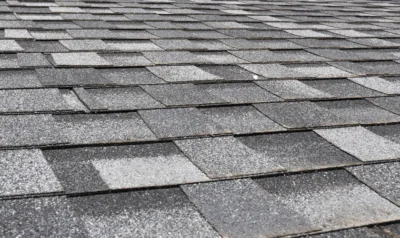
Asphalt shingles are the most common residential roofing material, and they’re good at showing you when something is wrong:
- Granule loss in gutters signals aging or storm damage.
- Curling at the edges indicates moisture problems or poor attic ventilation.
- Dark streaks can point to algae.
Clean asphalt roofs annually with the bleach-and-water method mentioned above. Replace individual cracked or missing shingles as soon as possible, as exposed underlayment degrades quickly in the sun.
The threshold for calling a pro is any area where the underlayment is compromised or where shingles across multiple rows show consistent curling. Annual maintenance for asphalt roofs averages $200 to $600.

Metal and Tile Maintenance
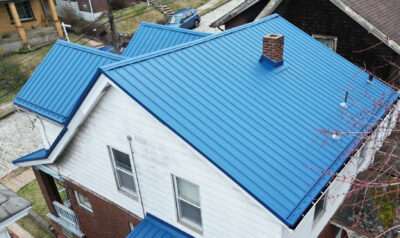
Metal roofs have a longer lifespan than asphalt shingle roofs, but they still need regular care and maintenance:
- Inspect fastener seals and panel overlap points.
- Check any areas where dissimilar metals touch (which can accelerate corrosion).
Clean metal surfaces with a non-abrasive detergent to prevent staining and coating breakdown. Annual cost for metal roof maintenance runs between $250 and $700.
Tile roofs, whether clay or concrete, can crack underfoot so always call a roofer to perform an inspection:
- Check for shifted tiles after windstorms.
- Replace cracked ones before water reaches the underlayment.
If you live near a shoreline, salt exposure requires more frequent inspections. Get to know the best roofing approaches for coastal homes and make sure you choose materials and maintenance schedules suited to salt-heavy environments.
Flat Roof Preventative Maintenance
Flat and low-slope roofs need the most frequent attention:
- Inspect membrane seams, scupper drains, and parapet wall flashing quarterly.
- Standing water that remains 48 hours after rainfall indicates a drainage failure.
Flat roof maintenance typically costs $300 to $800 per year due to the specialized repair techniques involved.
How Preventative Roof Maintenance Helps Insurance Coverage and Warranty Protection
Here’s something many homeowners don’t realize: your insurance company and roofing manufacturer both expect you to perform preventative maintenance. Failing to provide proof can result in denied claims or voided warranties.
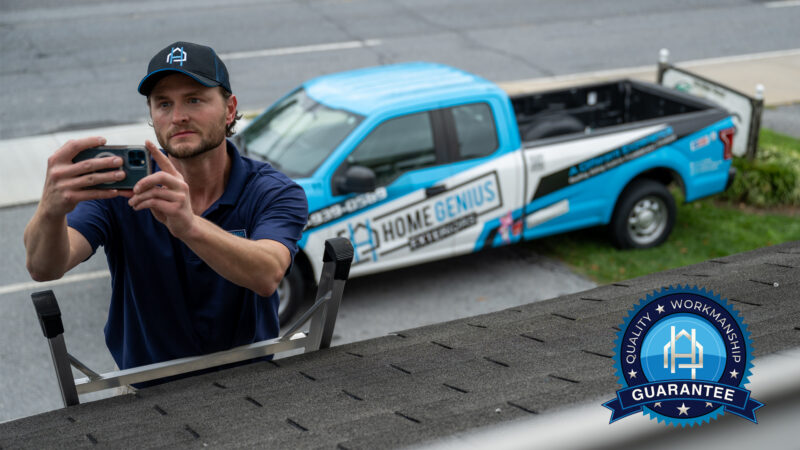
Most homeowner’s insurance policies include a “duty to maintain” clause and insurers may deny a claim if they suspect neglected maintenance, rather than damage resulting from a sudden event. To strengthen any future cases, document every inspection with timestamped photos and keep receipts.
Like homeowners insurance, your roofing material can lose warranty coverage due to neglected maintenance. Manufacturer warranties on premium materials require a reasonable amount of roof upkeep. Owens Corning’s Platinum warranties, for example, offer some of the best coverage in the industry, but that coverage depends on proper installation and ongoing care. Home Genius Exteriors holds Owens Corning Platinum Preferred Contractor certification, which means our maintenance inspections and documentation meet the manufacturer’s strict warranty requirements.
Annual Roof Maintenance Cost Breakdown
Proactive maintenance costs a fraction of reactive repairs. The numbers aren’t even close. Here’s how annual maintenance spending compares to common emergency repair costs.
| Roof Type | Annual Maintenance Cost | Common Emergency Repair Cost | Lifespan Extension |
|---|---|---|---|
| Asphalt Shingle | $200–$600 | $1,200–$5,000 (leak/ice dam) | 5–10 years |
| Metal | $250–$700 | $2,000–$6,000 (panel/seam failure) | 8–15 years |
| Tile | $300–$800 | $2,500–$7,000 (underlayment rot) | 10–20 years |
| Flat/Low-Slope | $300–$800 | $3,000–$10,000 (membrane failure) | 5–12 years |
Every year of extended service life you get through preventative care saves you money. However, when your roof reaches the end of its maintainable lifespan, the cost consideration shifts from maintenance to roof replacement. Until then, you can often get quite a bit of life out of your roof with regular upkeep.
Start Maintaining Your Roof Now
A preventative roof maintenance program protects your home’s value and keeps your insurance and warranties valid. It prevents the kind of catastrophic failures that turn a $400 annual investment into a $10,000 emergency. Start with a spring inspection, follow the seasonal calendar, and document every task.
If you’re unsure about your roof’s current condition or want a professional assessment that satisfies warranty and insurance requirements, Home Genius Exteriors can help. Our certified team delivers thorough inspections and maintenance programs backed by Platinum-level warranty coverage. Contact us today for a free inspection and estimate to get your roof on a proactive care schedule before the next season hits.
Frequently Asked Questions
How do I build a roof maintenance log that I can easily reference later?
Use a spreadsheet or home maintenance app with columns for date, weather conditions, task performed, and observed issues. Store photos in a labeled folder by year and season, and include invoices so everything is in one place.
What should I look for after a major wind or hail storm if there is no visible leak?
Walk the perimeter and check for debris, displaced vent caps, and shingle tabs that look lifted or uneven. Also look for fresh granules near downspout exits and dents on soft metals like gutters and roof vents, as these can signal impact damage worth documenting.
How can I tell whether a ceiling stain is an active roof leak or an old issue?
An active leak often shows a darker outer ring, feels damp, or grows after rain. If possible, use a moisture meter to compare readings around the stain, then take photos over time to confirm whether it’s changing.
Are roof coatings or sealants a good preventative option for residential roofs?
Coatings can be beneficial on certain flat or low-slope systems when they’re compatible with the existing membrane. For most pitched residential roofs, targeted repairs typically outperform broad sealant applications, and the wrong product can trap moisture or interfere with future repairs.
How do I choose a qualified roof maintenance contractor without overpaying?
Ask for proof of licensing and insurance and a written scope of work. Compare bids based on what they deliver, not just price, and verify reviews that mention follow-up support and clear communication.
What are the safest practices for homeowners who want to do basic roof-related tasks themselves?
Prioritize ground-based checks, use a stable ladder (with someone who can spot you), and avoid working in wet, icy, or windy conditions. Wear slip-resistant footwear, use eye protection when cleaning gutters, and stop immediately if any task requires stepping onto a steep or fragile surface.
How often should I schedule preventative roof maintenance if my home is surrounded by trees or exposed to salt air?
Homes with heavy tree cover usually need more frequent debris and gutter checks, especially after windy days. In salt-air environments, inspect your roof regularly to catch early corrosion on fasteners, flashing, and exposed metal components. Go through your maintenance checklist twice per year in spring and fall, but try to schedule a few “spot checks” in between.