Cost of Metal Roofing: Is the Investment Worth It?
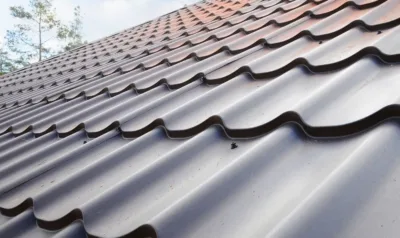
Metal roofing has gained serious traction in recent years as homeowners look for roofing materials that go beyond basic protection. Known for its sleek appearance, exceptional durability, and long lifespan, metal roofing is often viewed as a premium option—but that premium raises an important question: what is the cost of metal roofing, and what are you really paying for?
Unlike traditional shingles, metal roofing is as much a long-term investment as it is a construction project. While the upfront cost is higher, many homeowners choose metal because it can outperform other roofing materials over decades, not just years. Understanding how pricing works—and where the value comes from—can help you decide whether metal roofing is the right fit for your home.
Cost of Metal Roofing by Type
Metal roofing costs vary widely depending on the material, panel style, and installation method. Some systems are designed to be affordable and functional, while others are premium architectural upgrades with significantly longer lifespans. Understanding the differences helps homeowners balance upfront cost with long-term value.
| Type of Metal Roofing | Average Cost per Sq. Ft. (Installed) | Typical Total Cost | Best For |
| Corrugated Steel (Exposed Fastener) | $5 – $9 | $7,000 – $14,000 | Budget-conscious homeowners, garages, sheds |
| Aluminum Panels | $7 – $12 | $9,000 – $18,000 | Coastal or humid climates |
| Standing Seam Steel | $10 – $17 | $15,000 – $30,000 | Modern homes, long-term ownership |
| Zinc Roofing | $14 – $22 | $20,000 – $40,000 | Luxury homes, low-maintenance focus |
| Copper Roofing | $18 – $30+ | $30,000 – $60,000+ | High-end or historic homes |
Estimates assume an average-sized home and include materials and labor.
How Much Does Metal Roofing Cost?
On average, homeowners can expect the cost of metal roofing to range between $9,000 and $25,000, depending on the size of the home and the metal system selected. Smaller homes with exposed-fastener panels often fall closer to the lower end, while standing seam systems or specialty metals significantly increase the overall price.
According to HomeAdvisor’s metal roofing cost guide, labor rates, material selection, and regional demand all play a role in pricing differences across the country. Metal roofing is frequently evaluated alongside roof replacement options because it provides premium performance with long-term value.
Key Factors That Affect the Cost of Metal Roofing
Several important variables influence how much you’ll ultimately pay for a metal roof. Roof size and pitch are major cost drivers, as larger or steeper roofs require more materials, additional labor, and extra safety precautions. Homes with complex rooflines—such as multiple slopes, dormers, or penetrations—also increase installation time and labor costs.
Another major factor is the type of metal roofing material used. Steel, aluminum, and copper each come at different price points, with standing seam systems typically costing more than exposed-fastener panels. Many homeowners compare these options using resources like metal roofing vs asphalt shingles to better understand the balance between upfront cost and long-term durability.
Installation, Tear-Off, and Hidden Cost Considerations
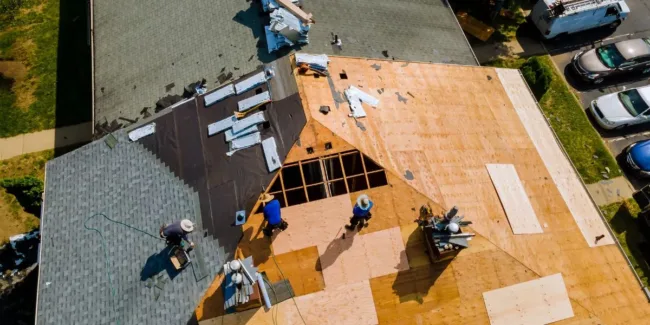
In many cases, existing roofing must be removed before metal installation begins. Tear-off and disposal costs can add to the project total, especially if multiple roofing layers are present. During removal, contractors may also identify decking damage or ventilation issues that need to be corrected.
Metal roofing projects are also an opportunity to improve energy performance. The U.S. Department of Energy highlights how reflective roofing materials, including metal, can reduce heat gain and improve building efficiency. Because of these factors, homeowners often schedule a professional roof inspection before committing to installation.
Comparing Metal Roofing to Other Roofing Materials
Metal roofing is often chosen for its durability and lifespan rather than its initial affordability. While asphalt shingles cost less upfront, metal roofs can last two to three times longer, making them attractive to homeowners planning to stay in their homes for decades.
For a homeowner-friendly overview, JD Metal’s metal roofing guide explains the advantages and limitations of metal roofing compared to traditional materials. In areas prone to high winds, heavy snow, or intense sun exposure, metal roofing often outperforms other options.
How Location and Permits Influence Metal Roofing Costs
The cost of metal roofing can vary significantly based on location. Labor rates, local building codes, snow-load requirements, and permit fees all affect final pricing. Some municipalities also have aesthetic or material regulations that can influence metal roofing installation.
If you’re unsure which approvals are required in your area, PermitFlow’s roofing permit guide explains when permits are typically needed and how they may impact project timelines and costs. Understanding local requirements early can prevent delays and unexpected expenses.
Is Metal Roofing Worth the Investment Long Term?
While metal roofing comes with a higher upfront cost, its long-term value is one of its strongest advantages. Metal roofs often last 40–70 years, far outlasting asphalt shingles and reducing the need for future replacements. Over time, this extended lifespan can significantly offset the initial investment.
Metal roofing also delivers strong return on investment through energy efficiency and resale appeal. Reflective metal panels can help reduce cooling costs, and many buyers see metal roofs as a premium upgrade. According to the Metal Roofing Alliance, metal roofing is among the most durable and sustainable residential roofing options available today.
Metal Roofing Cost Breakdown at a Glance
Here’s a quick table summarizing the main cost and value factors discussed above:
| Cost Factor | How It Affects Price & Value |
| Roof Size & Pitch | Larger or steeper roofs increase labor and material costs |
| Metal Type | Exposed-fastener panels cost less than standing seam systems |
| Tear-Off & Disposal | Removing old roofing adds labor and disposal fees |
| Installation Complexity | Complex rooflines increase labor time |
| Permits & Local Codes | Required permits may raise total project cost |
| Long-Term Value | Metal roofs last 40–70 years and offer strong ROI |
Should You Choose Metal Roofing for Your Home?
For homeowners prioritizing longevity, durability, and energy efficiency, metal roofing is often a smart investment. While the upfront cost is higher, the reduced maintenance, extended lifespan, and potential energy savings make it a compelling long-term option.
At Home Genius Exteriors, we help homeowners understand exactly what goes into the cost of metal roofing and provide clear, transparent estimates—no pressure, no surprises. Contact Home Genius Exteriors to schedule a free roof inspection and receive a personalized metal roofing estimate.