Metal Shingles: Are They Worth It?
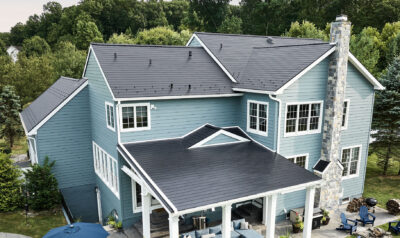
Sometimes regular asphalt shingles just aren’t the right choice for the style of your home or the challenges of your local climate. A metal shingle roof is a lifetime investment that will pay for itself many times over in durability and peace of mind. That said, between steel, aluminum, and copper options, wildly different price points, and persistent myths about noise and denting, a metal roof comes with a lot to think about.
Once you understand how different materials perform in the real world (as well as the costs and maintenance that come with them), you’ll be able to make the best decision for your home.
What Are Metal Shingles?
Metal shingles are individual roofing panels stamped or formed from metal sheets, designed to interlock and create a weather-tight barrier across your roof deck. Unlike standing seam metal roofing, which features long vertical panels, metal shingles mimic the look of traditional slate, wood shake, or clay tile while still giving you the strength and longevity of metal.
15% of residential roofs in the U.S. are made of metal, with that number steadily increasing due to the material’s excellent wind and corrosion resistance.
Steel, Aluminum, and Copper Shingles
Each metal type brings unique advantages to the table, and the right choice depends on your region, budget, and aesthetic goals.
Steel shingles are the most popular option. Coated with zinc or a zinc-aluminum alloy (known as Galvalume) and finished with stone granules or paint, they resist impact damage, withstand high winds, and cost less than other metal alternatives. Steel works well in most climates, though coastal roofs may need a specific salt-air exposure rated coating.
Aluminum shingles weigh roughly half as much as steel, making them ideal for older structures with limited load-bearing capacity. Aluminum naturally resists corrosion, which gives it an edge in coastal and high-humidity environments. The trade-off is a slightly higher price per square foot and less impact resistance compared to steel.
Copper shingles are premium shingles. They develop a distinctive green patina over time that adds character. Copper requires no protective coatings, resists corrosion for well over a century, and adds undeniable curb appeal to historic or high-end homes. The cost, however, can be three to five times that of steel.
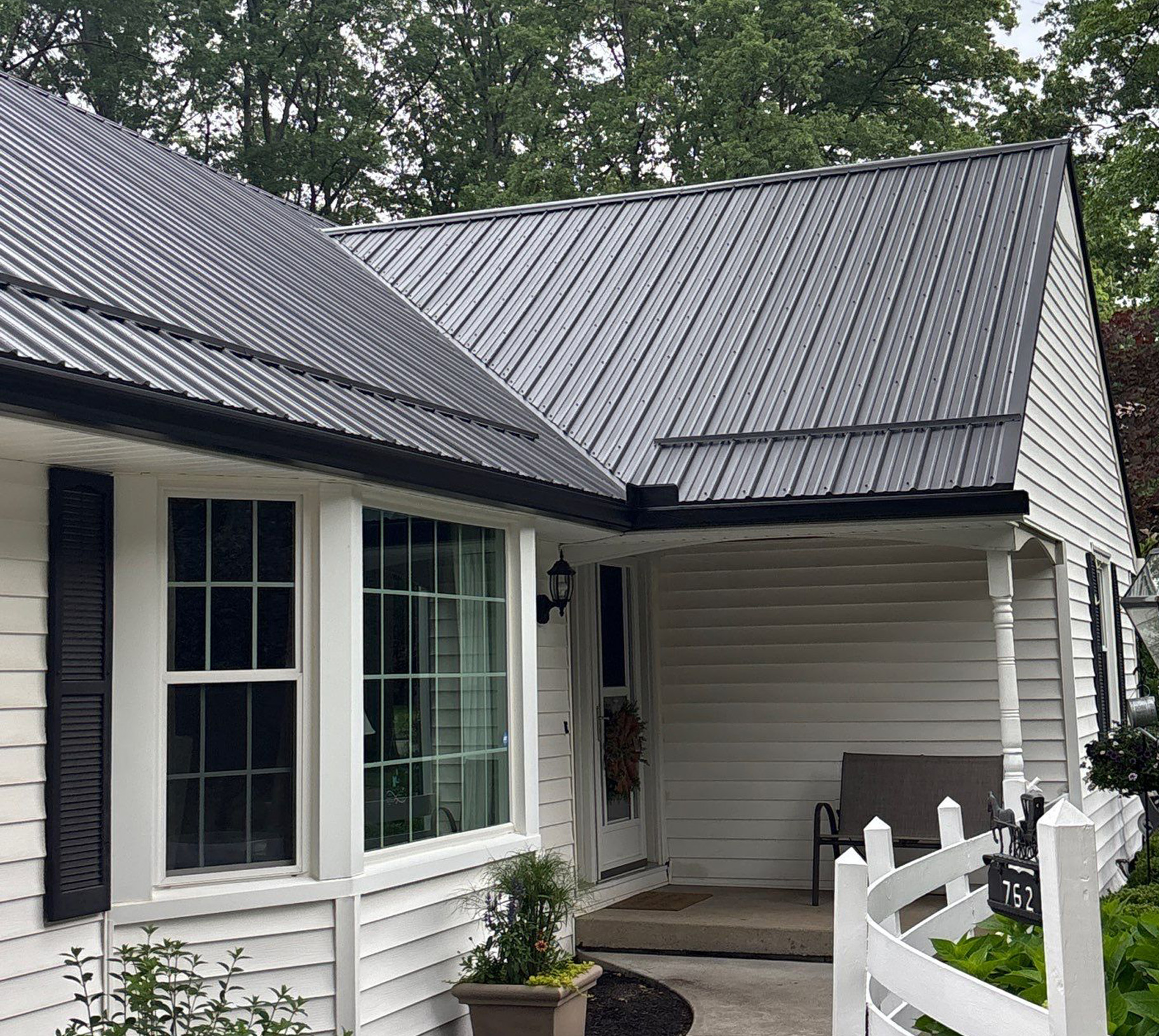
How Much do Metal Shingles Cost?
The only real downside with metal shingles is the higher upfront cost compared to standard asphalt shingles. But evaluating roofing purely on installation price ignores the replacement cycles, repair costs, and energy savings that define true lifetime value.
| Roofing Material | Cost Per Square Foot (Installed) | Expected Lifespan | Estimated Replacements Over 70 Years |
|---|---|---|---|
| Asphalt Shingles | $3.50 – $5.50 | 15 – 25 years | 3 – 4 replacements |
| Steel Metal Shingles | $7.00 – $12.00 | 40 – 60 years | 1 replacement |
| Aluminum Metal Shingles | $9.00 – $14.00 | 50 – 70 years | 0 – 1 replacement |
| Copper Metal Shingles | $18.00 – $30.00+ | 70 – 100+ years | 0 replacements |
When you consider that you may need to replace an asphalt roof two or three times during the lifespan of a single metal roof, the cost gap narrows significantly. In many cases, steel metal shingles actually cost less over a 50-year window than asphalt when you include labor, disposal fees, and interim repairs.
Energy Savings With Metal Shingles
Metal shingles with reflective coatings (often called “cool roof” finishes) bounce a significant portion of solar radiation away from your home. This reduces attic temperatures and lowers cooling costs, particularly in southern and southwestern climates. The California Energy Commission has highlighted roofing material selection as a key factor in updated building codes, with forecasts showing $4.8 billion in lifetime residential energy-bill savings and a 4 million-metric-ton drop in greenhouse gas emissions from energy-code-aligned building upgrades.
With a cool roof, and over 40 to 70 years of roof life, those savings compound into thousands of dollars back in your pocket.
How Durable Are Metal Shingles?
Quality metal shingles typically carry wind ratings of 110 mph or higher, with many premium products rated to 130 mph or more. Many achieve a UL 2218 Class 4 impact rating (the highest available), meaning they can withstand a two-inch steel ball dropped from 20 feet without cracking, a qualification that often makes homeowners eligible for insurance discounts based on roof resilience.
Metal shingles also earn Class A fire ratings, the top classification for flame resistance. For homeowners in wildfire-prone areas, this rating provides a strong layer of protection that wood shake and some composite materials can’t match.
Your local weather patterns should directly influence which metal shingle material you choose. Here’s a quick regional reference:
- Coastal and salt-air regions: Aluminum shingles provide superior corrosion resistance. Avoid uncoated steel unless it carries a marine-grade warranty.
- Snow and ice belt: Steel shingles shed snow well due to their low-friction surface, and their interlocking design prevents ice dam infiltration better than overlapping asphalt tabs.
- High-wind and hurricane zones: Look for shingles tested to 120+ mph with four-point fastening systems. Both steel and aluminum meet these standards.
- Wildfire-prone areas: Any metal shingle with a Class A fire rating offers strong protection. Pair with fire-resistant underlayment for maximum safety.
The Installation Process and What to Expect
Metal shingle installation follows a structured process that differs from asphalt in several important ways. Understanding these steps helps you ask better questions when evaluating contractor bids.
The process begins with a thorough roof deck inspection. Installers check the plywood sheathing for rot, sagging, or inadequate thickness. Damaged sections get replaced before any new material goes down. Next, a high-quality synthetic underlayment is applied across the entire deck surface, providing a secondary moisture barrier.
Metal shingles then install from the eave upward, interlocking row by row. Each shingle fastens with concealed clips or screws that allow for thermal expansion and contraction, a critical detail that prevents buckling in extreme temperatures. Ridge caps, valley flashing, and drip edges complete the system.
Most residential metal shingle installations take two to five days depending on roof size and complexity. The timeline runs slightly longer than asphalt due to the precision required at flashing points and around penetrations like vents and skylights.
Design Options for Metal Shingles
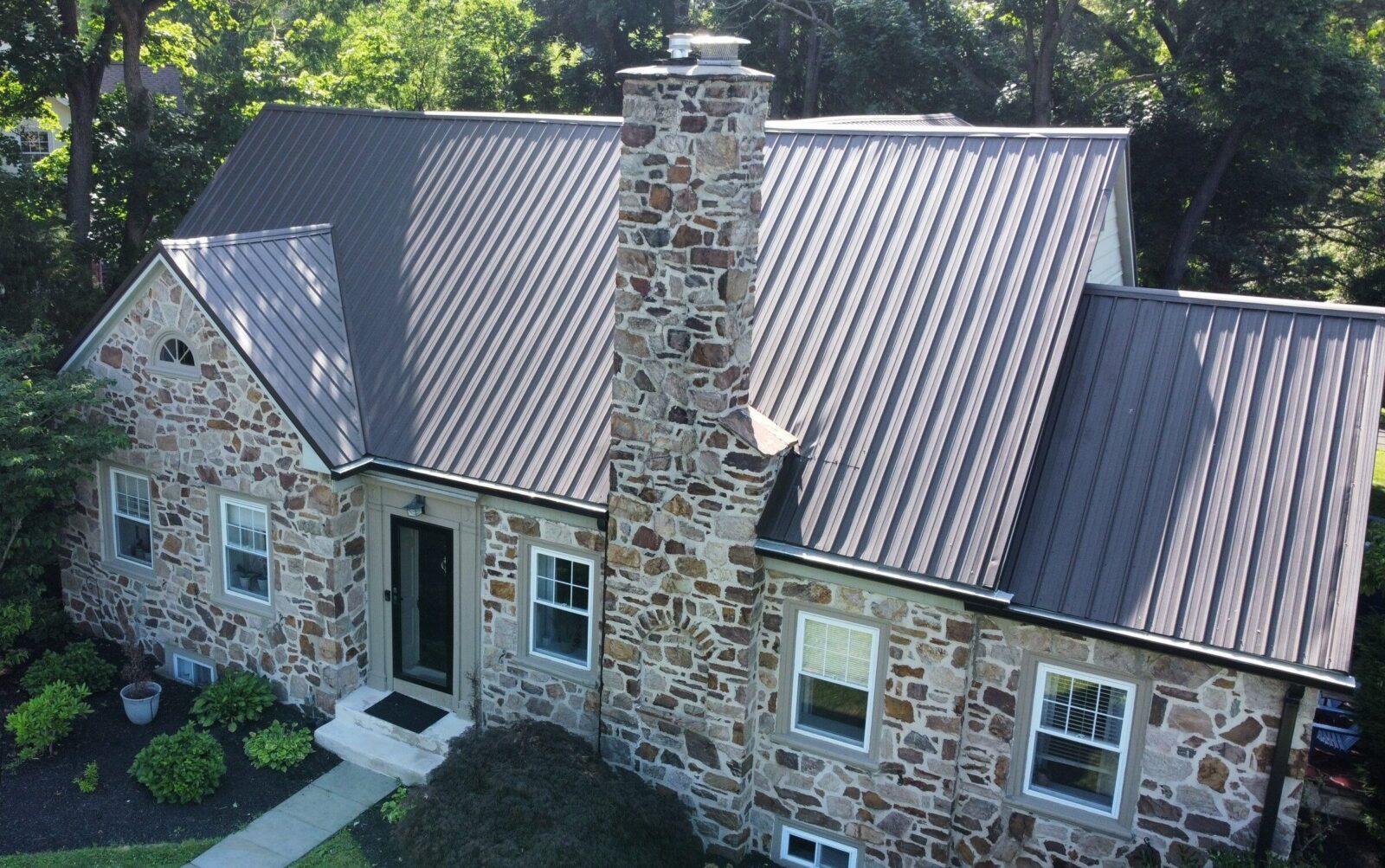
One of the biggest surprises for homeowners researching roofing materials is all the different styles of metal shingles. Modern manufacturing techniques replicate the appearance of premium roofing materials at a fraction of the weight and maintenance burden.
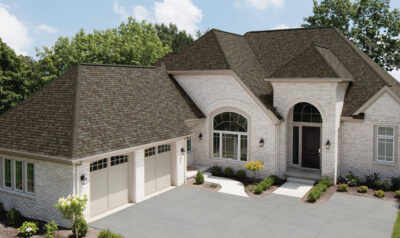
Stone-coated steel shingles closely mimic natural slate, with deep texture and color variation that fool the eye even at close range. Stamped aluminum profiles replicate cedar shake, complete with shadow lines and grain patterns. Copper panels bring a classic aesthetic that shifts from bright penny tones to rich verdigris over years.
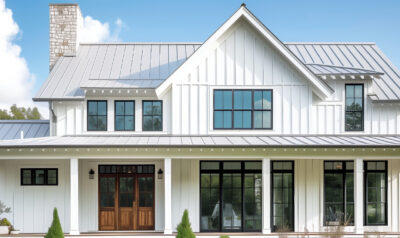
Color choices extend well beyond basic gray and black. Most manufacturers offer 20 to 40 standard colors, with custom options available for premium lines. Finishes range from matte to semi-gloss, and PVDF (Kynar) coatings resist fading for 30 years or more. Whether your home leans toward modern farmhouse, traditional Colonial, or has a contemporary flat roof design, a metal shingle profile exists to complement it.
Maintenance Requirements for Metal Shingles
Metal shingles are much easier to maintain than most competing materials. They typically only need an annual visual inspection and occasional cleaning with a garden hose. Check for accumulated debris in valleys, confirm that flashing seals remain intact, and trim overhanging branches that could scratch the finish during storms.
Unlike asphalt, metal shingles won’t lose granules, curl, crack, or grow moss and algae under normal conditions. Painted finishes may need a touch-up around the 25- to 30-year mark if fading occurs, though modern Kynar coatings delay this significantly. For homeowners who want to spend weekends enjoying their home rather than maintaining it, metal roofing is the way to go.
Replace Your Roof with Confidence
Metal shingles deliver a rare combination of lasting durability, energy efficiency, design flexibility, and minimal upkeep. Whether you’re drawn to the affordability of steel, the corrosion resistance of aluminum, or the timeless beauty of copper, the right metal shingle protects your home for decades while adding measurable resale value.
The key is working with a contractor who understands the nuances of metal roofing installation and can match the right product to your climate and home style. Home Genius Exteriors specializes in helping homeowners navigate these choices with expert guidance, certified craftsmanship, and exceptional warranty coverage. Contact us today for a free inspection and estimate to discover how metal shingles can transform your home’s protection and curb appeal.
Frequently Asked Questions
Are metal roofs loud?
There’s a myth that a metal roof will sound like a drum during a rainstorm, but this originates from old agricultural buildings with no insulation or solid decking. Residential metal shingles install over plywood sheathing and synthetic underlayment, with attic insulation further absorbing sound. Studies consistently show that a properly installed metal shingle roof produces noise levels comparable to asphalt during rain.
Do metal roofs dent easily?
Stone-coated steel shingles and thicker-gauge aluminum panels resist dents from typical hail and falling debris. While extreme hailstones can mark any roofing material, metal shingles maintain their structural integrity far better than asphalt, which often cracks or loses granules from the same impact.
Can you install metal shingles over existing roofing?
In some cases, yes. Local building codes in many jurisdictions allow one layer of metal shingles to go over an existing asphalt layer, which saves on tear-off and disposal costs. However, this approach only works when the existing layer is flat, in decent condition, and the roof structure supports the additional weight. Your contractor should assess these factors before recommending an overlay.
How do metal shingles affect home resale value and buyer appeal?
Metal shingles can strengthen buyer confidence because they signal a newer, longer-lasting roof, which is a major inspection item. They also elevate curb appeal, especially when the profile matches the home’s architectural style.
Do metal shingles need special roof ventilation or attic insulation?
Metal shingles usually work with standard ventilation, but balanced intake and exhaust airflow helps prevent condensation and protects the roof deck. If your attic is under-insulated or poorly vented, be sure to address that with your contractor.
How do I choose the right shingle color for heat, fading, and neighborhood rules?
Lighter colors typically run cooler in direct sun, while premium coatings can help maintain color consistency over time. If you have an HOA or historic district guidelines, request samples and written approval before ordering materials.
Will metal shingles interfere with Wi-Fi, cell service, or solar panel performance?
In most homes, metal shingles don’t noticeably impact indoor Wi-Fi or cell reception because signals typically enter through windows and wall assemblies. Solar panels also perform normally; just confirm the installer uses roof-rated mounting methods that protect waterproofing.