How to Choose A Roofing Contractor: A Step-by-Step Guide for Homeowners
What’s the difference between a roof that lasts 30 years and one that leaks in three? It often comes down to knowing how to choose a roofing contractor. A roof replacement is one of the largest investments you’ll make in your home, often running between $8,000 and $25,000 or more.
The challenge is that the roofing industry attracts everyone from skilled local professionals to unlicensed crews chasing the next storm. This guide gives you a clear vetting process to help you narrow your options, compare bids fairly, and sign a contract that protects your home and your wallet.
Step 1: Define Your Roofing Needs Before You Call Anyone
Before you start collecting phone numbers, take 15 minutes to write down what you actually need. This simple prep step saves hours of back-and-forth with contractors and helps you spot inflated or incomplete bids immediately.
Assess Your Current Roof Condition
Taking the following actions will make choosing a roofing contractor that much easier:
- Walk the perimeter of your home and note any visible issues, like missing shingles, sagging areas, or rusted flashing.
- Check your attic for daylight peeking through the decking, water stains on rafters, or signs of mold.
- If you know it, write down the approximate age of your current roof.
- Clarify whether you need a full replacement, a partial repair, or just a professional inspection to assess storm damage.
The scope of work you describe directly shapes the accuracy of your quote, so being specific helps you make a better comparison.
Identify Your Roof Type and Material Preferences
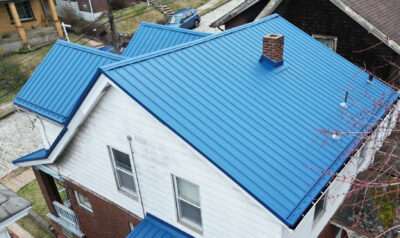
Your roofing material matters because not every contractor has experience installing every type. Asphalt shingles are common, but metal roofing, tile, and slate each require specialized skills.
Make sure your contractor is familiar with your roof shape as well. If your home has a complex roof with multiple valleys and steep pitches, you need someone who can handle that level of difficulty.
Your local climate also affects material selection. Homeowners in coastal areas face salt air and high winds, making material choice important when considering the best roofing for coastal homes. Extreme heat, freeze-thaw cycles, and heavy snow also demand specific material considerations.
Step 2: Build a High-Quality Contractor Shortlist
Once you’ve defined your needs, you can start building a shortlist of 3-5 contractors worth interviewing. Casting a wide net and then filtering aggressively is the fastest way to find a real pro.
A Roofing Contractor Magazine survey found that 74% of homeowners say word-of-mouth is their primary method for finding a roofing contractor. Start by asking neighbors or friends and family who have had roof work done recently. A personal referral is a strong indicator of reliability because the person recommending them has nothing to gain.

How to Choose a Roofing Contractor on Google
Check Google Business profiles and the Better Business Bureau for each company. Look for patterns rather than isolated reviews; a contractor with hundreds of reviews averaging 4.5 stars tells a more reliable story than one with five perfect scores.
Pay close attention to how companies respond to negative reviews. A professional, helpful reply shows accountability, while defensive responses reveal how they might handle disputes on your project.
Step 3: Verify Licenses, Insurance, and Credentials
This is where most homeowners cut corners, and it’s also the area of greatest financial risk. Verifying credentials takes about 20 minutes per contractor and can save you tens of thousands of dollars.
Licensing Requirements for Roofing Contractors
Licensing requirements vary by state and sometimes by city. Ask each contractor for their license number, then verify it on your state’s contractor licensing board website. A valid license confirms the contractor has met minimum standards and is registered with the state.
Don’t just take their word for it. Request a copy of the actual license document. If a contractor hesitates, remove them from your list. Regional requirements also influence standards, which is why roofing contractors in Maryland may be subject to different criteria than roofing contractors in Virginia. Make sure your contractor understands local codes.
Insurance and Bonding Checklist
Every roofer you consider should carry at least two key types of insurance. Use this checklist to verify both:
- General liability insurance: Protects your property if the crew damages your home or landscaping during the project. Ask for a minimum of $1 million in coverage.
- Workers’ compensation insurance: Covers medical bills and lost wages if a worker is injured on your property. Without this, you could be held personally liable.
- Surety bond (where required): A financial guarantee that the contractor will complete the work according to the contract.
Request a Certificate of Insurance (COI) and call the insurance carrier yourself to confirm the policy is active. Policies can lapse, so it’s worth a quick call.
Manufacturer Certifications That Matter
Beyond basic licensing, manufacturer certifications show a higher level of training and accountability. Programs like Owens Corning Platinum Preferred Contractor, GAF Master Elite, or CertainTeed SELECT ShingleMaster require contractors to meet ongoing training requirements and maintain specific insurance levels.
These certifications are most important for your warranty. A certified contractor can often offer extended warranties covering both materials and workmanship, while a non-certified installer may only provide a limited material warranty. Home Genius Exteriors, for example, holds the Owens Corning Platinum Preferred Contractor certification, allowing us to offer top-tier warranties for added protection.
Step 4: Compare Roofing Quotes the Right Way
Once you have verified credentials for your shortlisted contractors, request detailed written estimates from each one. Comparing quotes accurately is one of the most important skills in learning how to choose a roofing contractor wisely.
While it may be tempting to get estimates before checking credentials, don’t prioritize the lowest bid. Your roof is the last place you want to cut corners.
What a Roofing Estimate Should Include
A professional roofing estimate should break down costs into clear line items. Look for these components:
- Tear-off and disposal: Removing the existing roof and hauling debris away.
- Decking repair: Replacing any rotted or damaged plywood beneath the shingles.
- Underlayment and ice/water shield: The protective layer between decking and shingles.
- Roofing materials: Specific brand, product line, and color of shingles.
- Flashing, ventilation, and ridge caps: Key components that prevent leaks at joints and edges.
- Labor costs: The workforce expense for installation.
- Warranty details: Manufacturer warranty length and workmanship warranty terms.
- Permits and inspection fees: Whether the contractor handles required permits.
If an estimate is just a single lump-sum number, ask for a detailed breakdown. Vague bids make it impossible to know what you’re paying for and create opportunities for shortcuts.
Step 5: Spot Red Flags and Protect Yourself
Even after careful vetting, certain warning signs should make you walk away. Recognizing these red flags protects you from scams and a bad roofing job.
A remodeling contract and credential checklist is the best defense against cost overruns and workmanship disputes. Keep your guard up for these common warning signs:
- Door-to-door sales after storms: “Storm chasers” travel from disaster to disaster, collect deposits, and often disappear or deliver poor-quality work.
- Demands for large upfront payments: A reasonable deposit is 10-15% of the project total. A demand for 50% or more is a major red flag.
- No written contract: A verbal agreement offers zero legal protection. Get every detail in writing.
- Pressure to sign immediately: Phrases like “this price is only good today” are a tactic to stop you from comparing options.
- Cash-only payment requests: Legitimate contractors accept checks, credit cards, or financing. Cash-only deals eliminate your paper trail.
- No local address: Established contractors have a verifiable physical business location.
If you encounter even one of these behaviors, trust your instincts and move on. Experienced roofing contractors don’t need high-pressure tactics because their reputation speaks for itself.
Your Roof, Your Rules: Make the Right Hire
Choosing a roofing contractor doesn’t have to be overwhelming if you follow a clear process. Define your needs, build a referral-backed shortlist, verify every credential, and compare detailed estimates. Each step narrows the field toward contractors who deliver quality work and stand behind their warranties.
Ready to work with a contractor who meets every standard on this checklist? Home Genius Exteriors offers full warranties covering both materials and labor. Get in touch today for a free inspection and estimate to see why homeowners call it the Genius Choice for roofing.
Frequently Asked Questions
When is the best time of year to schedule a roof replacement?
Many homeowners schedule roofing in mild, dry seasons because crews can work more efficiently and materials seal properly. But if you’re flexible, ask contractors about off-peak availability since timing can affect how quickly your project starts.
How long does a typical roof replacement take?
Once work begins, most residential projects take 1-3 days depending on roof size and complexity. Ask your contractor for a day-by-day plan that includes tear-off, installation, and final cleanup so you know what to expect.
Should I notify my homeowners insurance company before starting roofing work?
It’s a good idea to notify your insurer if the project is tied to a storm damage claim and to confirm what documentation they need. Even for non-claim replacements, some policies require updates after major home improvements.
How can I prepare my home and yard for a roof replacement?
Move vehicles away from the driveway, relocate outdoor furniture, and protect fragile landscaping that’s directly beneath the edge of your roof. If you’re doing a full roof replacement, remove wall items inside the house on upper floors and cover attic belongings, since vibration and dust are common during tear-off.
What’s a reasonable payment schedule for a roofing project?
You can expect a modest deposit, a progress payment once materials are delivered, and a final payment upon completion. Tie payments to clear milestones, and make sure you’re satisfied with the work.
What questions should I ask about the crew?
Ask whether the crew is company-employed or subcontracted and who the on-site supervisor is. You can also ask how the company manages safety, daily cleanup, and communication if issues arise.
After my roof is installed, what should I look for during the final walkthrough?
Confirm the property is free of debris, including nails (we use a magnetic sweeper), and that gutters and landscaping weren’t damaged. Request photos of key areas like flashing details, and collect all warranty documents and permit sign-offs in one folder.