DIY Roof Replacement: Is It Worth the Risk and Cost?
A DIY roof replacement may sound like a good idea when you’re low on funds. You save thousands on labor, you control the timeline, and you get bragging rights at every neighborhood cookout for the rest of your life. But somewhere between the YouTube tutorial and the third bundle of shingles, reality sets in: you’re two stories up, it’s 95 degrees, and the flashing around your chimney doesn’t look anything like the video.
The real question isn’t whether you can replace your own roof. The question is, should you? Do the savings justify the physical demands, the liability risks, and the chance of a costly mistake?
In short, no. This guide breaks down how to replace a roof, and why you shouldn’t do it yourself.
Can You Actually Pull Off a DIY Roof Replacement?
Technically, it’s possible. Most municipalities allow homeowners to perform their own roofing work, provided they pull the correct permits and pass inspection. But just because something is legally allowed doesn’t make it the best course of action.
Once you add a second story, steep pitches, dormers, valleys, or multiple penetrations like skylights, the difficulty and danger escalate fast.
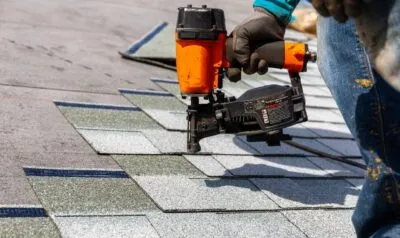
Most people overestimate their skill. Roofing is brutally physical work. You’re carrying 70-pound bundles of shingles up a ladder, bending and kneeling for hours, and swinging a nail gun thousands of times per day. Professional crews of four or five people typically finish a 2,000-square-foot roof in one to two days. A solo homeowner or a pair of friends? It could take weeks and you could run into further delays if you miss a step or install something improperly.
Beyond the physical grind, you need working knowledge of proper nailing patterns, drip edge sequencing, underlayment overlap requirements, and flashing techniques around vents and walls. Mistakes in any of these areas won’t show up immediately. They show up as leaks months later, often after the damage has spread to your decking and attic insulation.
DIY vs. Professional Roof Replacement Cost Breakdown
Cost savings drive most DIY roofing decisions, so let’s get specific. The numbers below reflect typical asphalt shingle replacement costs, including materials, disposal, and tool rental for the DIY column versus a fully installed price from a licensed contractor.
| Home Size (sq ft) | DIY Total Cost | Professional Total Cost | Estimated Savings |
|---|---|---|---|
| 1,200 | $2,800–$4,200 | $6,500–$9,000 | $3,000–$5,500 |
| 1,800 | $4,000–$6,000 | $9,000–$13,000 | $4,500–$7,500 |
| 2,500 | $5,500–$8,500 | $12,000–$18,000 | $6,000–$10,000 |
Those DIY figures include shingles, underlayment, drip edge, flashing, ridge caps, nails, a dumpster rental ($350–$600), and tool rental. What they don’t include is the cost of fixing mistakes, replacing rotted decking you discover mid-project ($50–$75 per sheet), or the time you might be taking off work.
Hidden Expenses That Shrink Your Savings
Tool rental alone can run $200–$400 per day for a pneumatic nailer, compressor, and tear-off shovel. You’ll also need a harness system, roof brackets, and proper ladder stabilizers. Most homeowners don’t own this equipment, and buying it outright pushes costs up further.
Material waste is another budget killer. Professionals typically order 10% overage. DIY roofers, especially first-timers, often waste 15–20% due to cutting errors and damaged shingles. The cost of roof replacement vs. roof repair often shifts the math on whether a full tear-off makes sense for your situation at all. Get a roof replacement cost estimate first so you can compare it against a repair quote.
Roofing Safety Risks
Falls are the leading cause of death in the construction industry, and roofing accounts for a disproportionate share. According to OSHA’s fall protection standards, falls are among the most common causes of serious work-related injuries and deaths, with roofing workers consistently among the highest-risk groups. Professional roofers train extensively in fall protection, and they still get hurt.
Homeowners lack this training, and most don’t invest in proper fall arrest systems. A roof harness, anchor, and lanyard cost $150–$300. Skipping them to save money is a gamble with the potential for catastrophe.
Some situations should be hard stops, regardless of your confidence level.
- Roof pitch above 6:12 (you can’t stand comfortably without sliding)
- Two or more stories, where a fall means 20+ feet to the ground
- Wet, icy, or excessively hot conditions that compromise footing
- Extensive decking damage visible from the attic, which signals structural concerns
If any of these apply, medical bills from a fall will eclipse whatever you saved on labor.
DIY Roof Replacement: Minimum Safety Standards
If the savings are non-negotiable and the job is within your skill range, at least set a floor for how you work. A few non-negotiables:
- Use a proper fall arrest system. A harness, roof anchor, and lanyard are a $150–$300 investment. Set the anchor at the ridge so a fall stops you before the edge. This isn’t optional.
- Never work alone. You need someone on the ground to call for help if something goes wrong, and someone to stabilize ladders during material lifts.
- Work in the morning. Heat and fatigue compound by afternoon. Most roofing accidents happen later in the day. Start at dawn, break by early afternoon.
- Wear proper footwear. Rubber-soled, soft-toe boots with ankle support. Not sneakers, and not work boots with lugged soles that catch on shingles.
- Check the weather hourly, not just the day before. A dry forecast can flip fast. If wind picks up above 15–20 mph or rain is within a few hours, stop and tarp.
- Keep the work area clear. Loose shingles, scrap wood, and tool cords are trip hazards at height. Discipline about your work surface matters more on a roof than anywhere else.
None of this makes the job 100% safe. But cutting corners on safety while also cutting corners on labor cost is how a money-saving project becomes a life-altering one.
Permits, Code Compliance, and Warranty Consequences
Most jurisdictions require a permit for a full roof replacement. The permit confirms your work meets local building codes for roof replacement, which cover everything from the number of shingle layers allowed to ice-and-water shield requirements in cold climates. Permit fees typically range from $100 to $500 depending on your municipality.
Skipping the permit is tempting, but unpermitted work can trigger fines, complicate a future home sale, and give your insurance company grounds to deny a claim. Some cities also require owner-builder disclosures that follow the property for years.
How DIY Roofing Affects Your Warranty and Insurance
This is where many handy homeowners get an unpleasant surprise. Most shingle manufacturers, including major brands like Owens Corning and GAF, require installation by a certified contractor to activate their full warranty. A DIY installation typically voids the workmanship warranty entirely and may limit the materials warranty to a basic, prorated version. GAF’s warranty tiers explicitly limit enhanced coverage to installations by certified contractors. A self-installed roof typically qualifies only for the basic, prorated material warranty.
Your homeowners insurance policy likely covers your roof, but insurers may reduce or deny claims on owner-installed roofs if the work doesn’t meet code. Some policies require disclosure of major DIY renovations.
Common DIY Roofing Mistakes That Cause Leaks
Professional roofers see the aftermath of failed DIY jobs regularly. The same mistakes come up over and over.
- Improper flashing installation around chimneys, walls, and valleys. This is one of the biggest sources of leaks on DIY roofs.
- Incorrect nail placement. Nailing too high on the shingle exposes the nail to weather and voids the manufacturer’s wind warranty.
- Skipping the starter strip. Without it, the first course of shingles has no sealant bond, making it vulnerable to wind uplift.
- Ignoring ventilation. Reusing old, inadequate venting traps moisture in the attic and accelerates shingle deterioration from below.
- Failing to replace damaged decking. Laying new shingles over rotted plywood is cosmetic at best.
Every one of these mistakes leads to repairs that cost more than the original labor savings. The roof replacement process involves dozens of sequenced steps (tear-off, decking inspection, underlayment, flashing, installation, and cleanup) that a professional crew coordinates simultaneously.
Should I Replace my Roof Myself or Hire a Pro?
You may be tempted to DIY your roof replacement if it’s a single story home with a simple, low-pitch roof shape, you have prior construction experience, you’re physically fit, and you’re willing to pull permits and pass inspection. Even if you and your project meet this criteria, we strongly recommend against trying to do it yourself for the reasons mentioned above.
If budget is an issue, there are many options to finance a roof replacement, many of which have very reasonable terms.
The Final Verdict on DIY Roof Replacement
DIY roof replacement saves money. That part isn’t debatable. But the savings only hold if you do the job correctly the first time, on a roof that’s within your skill range, and if you have weather and luck on your side. A botched flashing job or voided warranty can erase every dollar you saved and then some.
The risk-reward math favors hiring a licensed professional who carries insurance, pulls permits, has proper safety equipment, and activates your full manufacturer warranty.
If you’re ready for a professional assessment, Home Genius Exteriors offers free roof inspections and estimates backed by Owens Corning Platinum Preferred Contractor certification. That certification unlocks warranty coverage you can’t get with a DIY installation. Call today to find out what your roof actually needs before you commit.
Frequently Asked Questions
How do I know whether my roof has more than one layer of shingles before I start?
Check the roof edge at the eaves and rake for stacked shingle lines. If you’re unsure, a roofer or building inspector can often confirm quickly during an estimate or permit discussion.
What is the best time of year to plan a roof replacement project?
Aim for mild, dry weather when shingles can seal properly and working conditions are safer. In many regions, late spring through early fall is easiest to schedule, but local rain patterns and temperature swings matter more than the month.
How should I protect my landscaping, siding, and driveway during tear-off?
Use tarps and plywood to shield plants and hard surfaces, then position the dumpster and debris chute to minimize travel paths. Move vehicles away, cover delicate items, and do a thorough magnetic nail sweep daily (not just at the end of the project).
What questions should I ask a roofing contractor?
Ask who will be on-site supervising, how they handle decking repairs, what cleanup process they follow, and whether they use subcontractors. Also request proof of insurance, licensing, and a written scope that specifies ventilation, flashing, and underlayment details.
How can I compare roofing estimates fairly without getting tricked by low bids?
Normalize bids by making sure they include the same scope, tear-off, disposal, underlayment type, flashing approach, ventilation work, and workmanship warranty terms. A low bid often omits line items like drip edge, valley protection, or adequate attic ventilation upgrades.
What should I do if it rains before my roof is finished?
Keep heavy-duty tarps and cap nails on hand, and prioritize waterproofing vulnerable transitions like valleys, roof-to-wall areas, and around penetrations.
How do I decide between repairing a section or replacing the entire roof?
Consider the roof’s remaining lifespan, whether leaks are isolated or recurring, and whether multiple areas show aging or storm wear. A professional inspection can help you avoid spending repeatedly on short-term fixes when the underlying system is nearing end-of-life.