Building Codes for Roof Replacement
What’s the difference between a roof replacement that passes inspection and one that triggers costly rework and delays? The answer often comes down to understanding local building codes. For homeowners and contractors alike, code compliance for your roof replacement is the foundation of a safe and durable project.
These codes govern everything from material selection and fastener spacing to ventilation requirements. This guide breaks down code requirements and wind load considerations you need to know before starting.
IBC and IRC: The Two Codes That Govern Roof Replacement
Every building code requirement for roofing traces back to one of two model codes published by the International Code Council (ICC). The International Building Code (IBC) applies to commercial structures, while the International Residential Code (IRC) covers one- and two-family dwellings. Both are updated on a three-year cycle, and your local jurisdiction adopts a specific edition, often with amendments.
Within the IBC, Chapter 15 contains the roofing provisions. It addresses roof coverings and assemblies, including when a full tear-off is mandatory versus when an overlay is allowed. The IRC mirrors many of these provisions in Chapter 9, tailored to residential construction. You’ll need to figure out which code applies to your project.
Reroofing vs. Replacement: What Building Codes Require
One of the most common questions is whether homeowners can install new shingles over existing ones (known as reroofing). Both the IBC and IRC allow reroofing under specific conditions: the existing roof must have only one layer of coverings, and the deck must be structurally sound. If these conditions aren’t met, you’ll need a code-mandated tear-off and roof replacement.
The distinction matters for more than just cost. Adding a second layer increases the weight load on your roof and conceals deck damage that inspectors need to evaluate. When planning a roof replacement, confirm whether your project qualifies as a reroof or if it needs a full tear-off.
Local Building Codes
No jurisdiction adopts the IBC or IRC without making changes. States and municipalities often add stricter requirements based on regional hazards, like enhanced fastening for coastal home roofs or Class A fire-rated assemblies in wildfire zones.
Before you start any project, contact your local building department to confirm which code edition they enforce and what local amendments apply. Permit requirements also vary by location, from Virginia to Michigan and North Carolina.
(Click here for building codes by state)
Wind Load Requirements for Residential Roofs
Wind is the single greatest external force acting on most roofs, so building codes dedicate significant attention to wind resistance. The IBC and IRC use ASCE 7 (Minimum Design Loads for Buildings and Other Structures) to determine design wind speeds around the country. These speeds, combined with your building’s exposure and type of roof, dictate fastening patterns and deck attachment methods.
If your home has design wind speeds of 130 mph or greater, the IBC/IRC have sealed roof deck (SRD) requirements for roof construction and replacement. Sealed roof decks use a secondary water barrier over the sheathing, providing critical protection if the primary roof covering is compromised during a storm.
Wind Zone Compliance Checklist
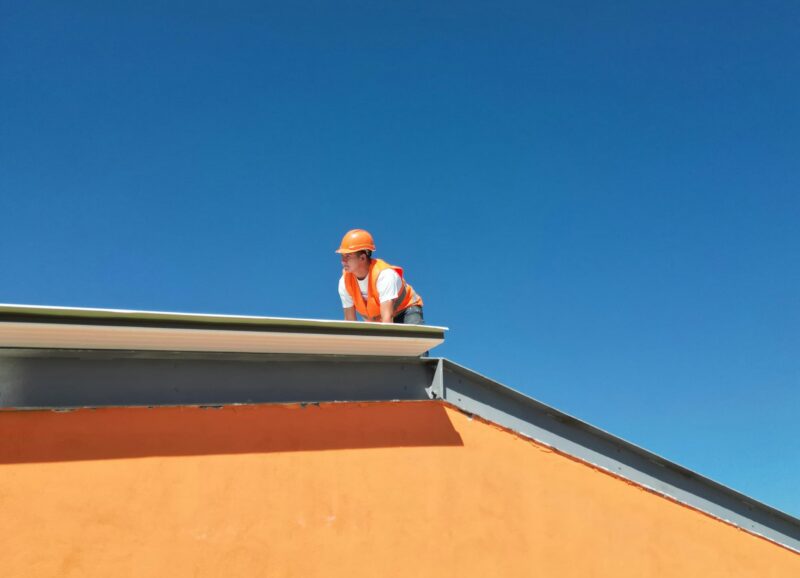
If you’re in a high wind zone, make sure your roof installation is code-compliant with this checklist:
- Fastener schedule: Higher wind speeds require closer nail spacing (e.g. 6-inch on-center at edges versus 12-inch in the field).
- Drip edge and edge metal: Code requires metal drip edge on all eaves and rakes, with enhanced fastening in wind-prone regions.
- Deck attachment: Ring-shank nails or structural screws may replace standard smooth-shank nails depending on wind speed.
- Hip and ridge treatment: High-wind areas demand factory-manufactured hip and ridge shingles, not field-cut alternatives.
- Hurricane clips or straps: Code-triggered upgrades to roof-to-wall connections may apply when replacing more than 50% of the roof.
If you live in a high wind or hurricane-prone zone, you may have higher material and labor costs (although you may save on insurance with a weather-resistant home). If you’re looking at roof repair vs. replacement, wind load compliance often tips the decision toward a full replacement, since partial repairs may not bring the structure up to current code.
Fire Classification Under Roofing Building Codes
Fire resistance is the other pillar of roofing code compliance. Both the IBC and IRC classify roof coverings into three fire ratings: Class A (highest resistance), Class B, and Class C. These ratings measure how well a roof assembly resists fire penetration and flame spread from external sources like embers.
Most asphalt shingles carry a Class A fire rating when installed over a non-combustible deck or with an approved underlayment. Metal roofing and concrete tile also typically achieve Class A. Wood shakes, unless treated with fire retardant, generally fall into Class B or C categories, and some jurisdictions in wildfire-prone areas prohibit them entirely.
Wildfire Zones and Code-Triggered Upgrades
California’s Building Standards Commission provides a clear example of how fire codes affect roof replacement. Their guidance states that projects replacing more than 50% of a roof must upgrade to current fire-rating standards, including Class A coverings and ignition-resistant vents.
Even outside California, fire classification matters for insurance. Many insurers offer premium discounts for Class A roofs, and some require them in high-risk zones. Ignoring fire code requirements during replacement can void both your warranty and your coverage.
Ventilation, Underlayment, and Common Code Violations
Several other building code requirements can catch homeowners and contractors off guard during roof replacement projects.
Ventilation is one of the most frequently cited violations. IRC Section 806 and IBC Section 1202.2 establish minimum attic ventilation ratios (typically 1:150 or 1:300). Other common violations include improper underlayment installation, absent drip edge at eaves and rakes, and incorrect flashing around penetrations. Each of these can result in a failed inspection, delayed project completion, and potential water damage down the road.
Your Code-Compliant Roof Replacement Starts Here
Always make sure your contractor is following building codes for your roof replacement.
From wind load calculations to ventilation ratios, every detail matters for safety and long-term performance. Make sure you’re working with a contractor who understands these requirements inside and out.
Home Genius Exteriors, an Owens Corning Platinum Preferred Contractor, delivers code-compliant roof replacement backed by warranties that cover both labor and materials. Our team handles permitting, inspections, and every code-driven detail so you don’t have to. Contact us for a free inspection and estimate to make sure your next roof meets every requirement from day one.
Frequently Asked Questions
Do I need to notify my homeowners insurance before replacing my roof?
It’s a good idea to notify your insurer before work begins, especially if you plan a material change. Ask what documentation they need, like permits and a final inspection sign-off, to avoid coverage disputes later.
How do I choose a contractor who’s qualified to install my roof to current code?
Ask for proof of their active license and liability insurance. You can also check recent permit addresses with the local building department and ask for the manufacturer certification details for the crew installing your roof.
What documents should I keep after a roof replacement for future resale or claims?
Keep the signed contract, paid invoice, and permit together. You should also save material specifications and warranty certificates. Photos of the deck condition can also help if you ever need to support a warranty or insurance claim.
Will a roof replacement require additional upgrades beyond the roof itself?
It may, especially if you alter related components like framing or skylights during the project. Ask your building department and contractor whether your scope could trigger requirements in other areas, like structural bracing or energy rules.
What happens if an inspector finds a building code issue after the roof is replaced?
If the inspector sees signs of a bad roofing job, they’ll issue a correction notice listing what must be fixed. Document the correction plan, talk to the contractor about fixing the work, and schedule a reinspection. Your contract should clarify who pays for the rework.
Are there ways to reduce permit and inspection delays for a roof replacement?
Submit a complete package upfront, including the permit application and product approvals. Scheduling inspections early and keeping the site accessible can also prevent avoidable delays.
If my roof is leaking, can I just add a second layer of shingles to save money?
Even if you only have one layer, reroofing over a leak is often a code violation because the law requires the roof deck to be structurally sound and dry before you apply a new covering. If your contractor installs new shingles over rotted or water-damaged plywood (sheathing) without replacing the wood, the roof will not pass a final building inspection, and you may be forced to tear off the entire new layer at your own expense to fix the underlying structure.