What Is A Dormer? Everything You Need To Know
If you’ve ever looked at a home with “quaint” windows protruding from its roofline, you’ve probably already seen dormers in action. These structural additions transform underused attic space into livable square footage, and they’re one of the most impactful upgrades a homeowner can make to both form and function.
Dormers do more than improve curb appeal. They introduce natural light into dim upper floors, create headroom where sloped ceilings once limited movement, and add architectural character that can increase a home’s resale value. Dormers come in several variations and they may be just the right addition to your roof design project.
What Is a Dormer?
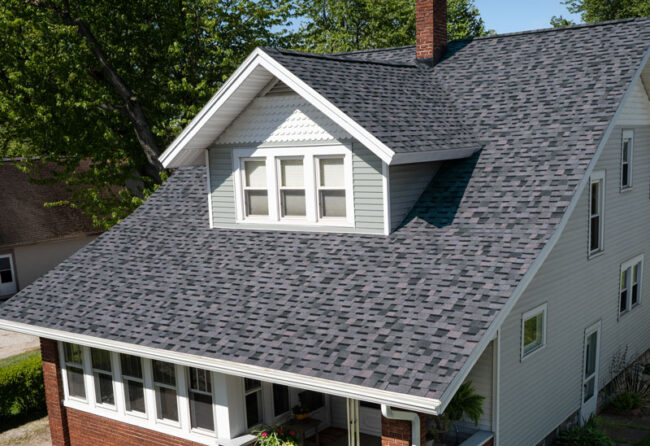
A dormer is a roofed structure that projects vertically from the slope of a main roof. It contains a window (or set of windows) and creates additional usable space within the attic or upper story. The word comes from the French dormir, meaning “to sleep,” since dormers were originally built to make attic sleeping quarters more comfortable.
Every dormer has three basic components: cheek walls on either side, a window opening at the front face, and its own small roof that ties into the main roofline. Proper framing, flashing, and waterproofing are all key in connecting the dormer to the rest of the roof, and determine whether a dormer performs well for decades or becomes a persistent source of leaks.
Dormer vs. Dormer Window vs. Dormer Roof
What’s the difference between a dormer, a dormer window, and a dormer roof? A dormer refers to the entire projecting structure. A dormer window is the window unit installed within it. And a dormer roof describes the small roof covering the structure itself, which can take various shapes depending on the dormer type.
Knowing this distinction helps when communicating with contractors. If you ask for a “dormer window,” you might get just a window replacement. Requesting a “dormer addition” explains the full structural project you actually need.
Types of Dormers
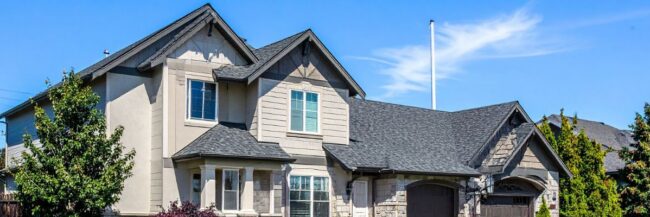
Dormer types are distinguished primarily by their roof shape, and each one suits different architectural styles, budgets, and functional goals. Choosing the right type affects everything from interior headroom to how well water sheds off the structure during heavy rain.
Gable Dormer
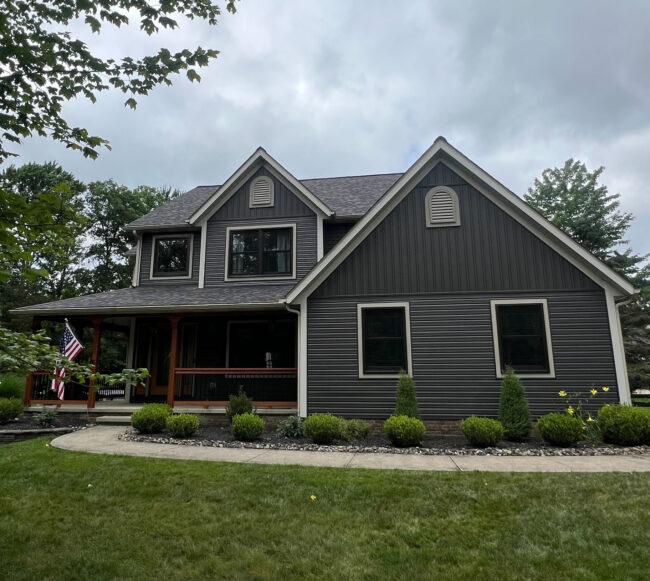
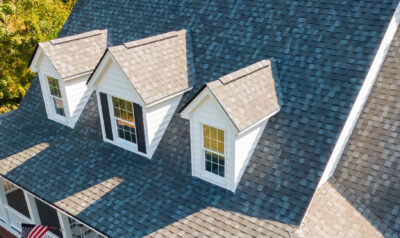
The gable dormer (also called a doghouse dormer) features a peaked, triangular roof with two sloping sides meeting at a ridge. Not to be confused with a gable roof, this is the most common type of dormer found on Colonial, Cape Cod, and farmhouse-style homes. Gable dormers work best on roofs with moderate to steep pitches and typically house a single window, though wider versions can accommodate pairs.
Shed Dormer
A shed dormer has a single flat plane that slopes in the same direction as the main roof but at a shallower pitch. This design creates more interior space than a gable dormer because the roofline extends across a wider area without converging at a peak.
Shed dormers are the most cost-effective way to gain standing-height space without a full roof lift. They’re especially popular on bungalows and ranch-style homes where attic headroom is minimal.
Hip Dormer and Eyebrow Dormer
A hip dormer features a roof with three sloping planes instead of two. This design sheds water efficiently from all sides, which makes it a great choice for homes in rainy or snowy climates. Hip dormers pair naturally with hip-roofed homes and deliver a softer, more integrated appearance than gable versions.
The eyebrow dormer has a curved, wave-like roof that creates an elegant arch with no sharp edges or vertical cheek walls. Eyebrow dormers provide less interior space than other types but add visual character. You’ll find them most often on shingle-style, Victorian, and cottage homes where curb appeal takes priority over maximum headroom.
| Dormer Type | Best For | Headroom Gained | Relative Cost |
|---|---|---|---|
| Gable | Colonial, Cape Cod, Farmhouse | Moderate | $$ |
| Shed | Bungalow, Ranch, Modern | High | $$$ |
| Hip | Hip-roofed homes, rainy climates | Moderate | $$$ |
| Eyebrow | Victorian, Cottage, Shingle-style | Low | $$$$ |
Why Add a Dormer to Your Home?
Dormers come with a combination of practical and aesthetic advantages. But they also introduce complexity that homeowners need to weigh carefully before moving forward.
Benefits of dormers include:
- Increased headroom and usable floor area: Dormers push living space outward from the roof slope, turning cramped attics into functional bedrooms, offices, or playrooms.
- Natural light and ventilation: Dormer windows transform attic spaces that would otherwise rely on artificial light, and help meet codes that require minimum daylighting standards for habitable spaces.
- Curb appeal and resale value: Well-proportioned dormers add architectural depth to otherwise plain rooflines, which influence appraisers and buyers.
- Bedroom egress compliance: Adding a dormer with an operable window can serve as an emergency exit and bring an attic bedroom up to code.
While there are many benefits to dormers, keep in mind that they create intersections between roofing planes, and every intersection is a potential leak point. Flashing failures at roof transitions (including dormer cheek walls, valleys, chimneys, and skylights) are among the most common sources of water intrusion on residential roofs. You can prevent most issues with proper installation of step flashing, ice and water shield, and adequate clearance between the window and the roof surface.
Dormer additions require engineering review, permits, and experienced framing crews, so plan your project timeline accordingly.
How Long Does it Take to Install a Dormer?
Adding a dormer isn’t a weekend DIY project. The process involves modifying your existing roof structure, and you’ll need to carefully plan the work with an experienced professional to protect your home from weather exposure during the renovation.
This is the rough timeline for a typical dormer addition:
- Architectural design and engineering review
- Permit application and approval
- Roof opening and structural framing
- Window installation
- Roofing and flashing
- Exterior finishing (siding replacement and trim)
- Interior finishing (insulation, drywall, paint)
Most single-dormer projects take two to four weeks from framing to interior completion.
What does a new dormer cost?
Several variables drive total cost beyond dormer type alone: roof pitch, accessibility, local labor rates, window quality, and whether you need to reinforce existing rafters or trusses. Retrofitting a dormer onto an existing roof generally costs more than designing one into new construction or a full roof replacement because of the additional demolition and structural tie-in work.
On top of the dormer itself, don’t forget to budget in the following work:
- Architectural plans and building permits
- Interior finishing (insulation, drywall, electrical wiring, plumbing, flooring, and paint)
- Exterior finishing (siding and roofing materials)
Finally, it’s a good idea to set aside a contingency fund of 10-20% to cover any unforeseen challenges or surprises that may come up during construction.
Dormer Maintenance and Care
A well-built dormer requires the same maintenance as any other part of your roof and exterior envelope. Annual inspections should focus on flashing condition at the cheek walls, caulking around window frames, and roofing material integrity on the roof itself.
Paint and trim on dormer cheek walls tend to weather faster than vertical house siding because of their exposure to rain and sun at roof height. Plan to repaint or re-stain every five to seven years. Inside, check for condensation or moisture stains around the window during seasonal temperature swings, since improper insulation or air sealing around dormers is what causes most interior moisture problems.
Choose the Right Dormer for Your Roof
Once you know what a dormer is, choosing the right type comes down to syncing your goals and budget with your home’s existing architecture. Start by identifying what you need most. Maximum headroom? Choose a shed dormer. Want an eye-catching roof update? You might choose a gable or eyebrow dormer. Once you’ve settled on a design, make sure it’s compatible with your roof’s structural capacity and local building codes before you commit.
Home Genius Exteriors specializes in roofing projects that combine structural integrity with modern design. As an Owens Corning Platinum Preferred Contractor, our team handles every phase of roof and exterior work, from initial assessment through final inspection, backed by extensive warranties on materials and labor. Call today for a free inspection and estimate.
Frequently Asked Questions
Do I need to get HOA approval before adding a dormer?
If your home is part of an HOA, get written approval before submitting permits or signing a contract. HOAs often regulate roofline changes, window style and exterior colors, and noncompliance can force you to redesign or remove your new roof addition.
How do I know if my roof structure can support a dormer?
A contractor or structural engineer can evaluate whether your roof is stick-framed or truss-framed and what modifications it can handle. Truss roofs often require engineered solutions and may limit dormer size or placement compared to traditional rafters.
What is the best type of window for a dormer?
Operable windows are ideal when you want ventilation or need to meet room requirements (such as needing an emergency exit). Fixed windows can be a cost-effective choice when airflow is handled elsewhere and you want a clean exterior look with fewer moving parts.
Can I add a bathroom inside a dormer space?
Yes, but you need a plan for plumbing runs, venting, and waterproofing, especially if the new bathroom sits over finished rooms. Before you start, make sure your existing drain lines, stack location, and water supply can support the added load without major rework.
How can I keep a dormer addition energy-efficient year-round?
Prioritize continuous insulation, airtight sealing at framing transitions, and properly detailed vapor control to prevent drafts and condensation. You can also improve your comfort in both summer and winter by upgrading your window with high-performance glazing.
Will adding a dormer affect my homeowner’s insurance or property taxes?
Many insurers want to know about structural changes that increase replacement cost or add finished square footage, so notify your provider before starting the work. If the project increases livable area, your tax assessment may change after inspection, so factor that into long-term budgeting.
What questions should I ask a contractor before hiring them for a dormer project?
Ask who handles engineering and permits, how they weatherproof your roof during construction, and what the workmanship warranty covers. Also ask for examples of recent dormer jobs, proof of insurance, and a written scope that includes cleanup and final inspection.